Lifestyle
15 Behaviors That Can Make Your Grandchild Lose Respect for You


Grandparents are the heart of the family. But sometimes, without even realizing it, certain behaviors can hurt your relationship with your grandkids. It doesn’t happen all at once, but over time, certain habits can wear down the relationship. Here are 15 behaviors that could make a grandchild lose respect for their grandparent.
Favoritism Can Hurt Feelings

Kids are quick to notice when one sibling or cousin gets special treatment. Maybe you give one more gift, praise them more, or spend extra time with them. These actions can make others feel left out and unloved, even if you don’t mean it. The tricky part? The “favorite” child might start feeling awkward, too! Keep things balanced and let every grandchild shine in their way.
Ignoring Their Opinions

When a grandchild shares their thoughts, they’re not just talking—they’re inviting you into their world. Whether they’re debating which superhero is cooler or sharing their thoughts on climate change, listen actively. Do not ignore their opinions, no matter how lame they sound to you. You should ask some follow-up questions to show them that you’re interested.
Criticizing Their Parents
All kids adore their parents. Hearing you criticize their mom or dad can make them feel torn and confused. Imagine them thinking, Should I defend my parent or agree with Grandma? Instead, focus on positive reinforcement. If you don’t agree with their parenting choices, it’s better to address it privately with the parent, not in front of the grandkids.
Acting Like You’re Always Right


Sharing stories about “the good old days” is wonderful, but dismissing modern ideas with “You kids don’t know anything” can sound condescending. For example, your grandkid may explain to you why they believe electric cars are the future. Instead of shutting them down with, “That’ll never work,” ask about their perspective. Show curiosity rather than stubbornness.
Making Fun of Their Interests

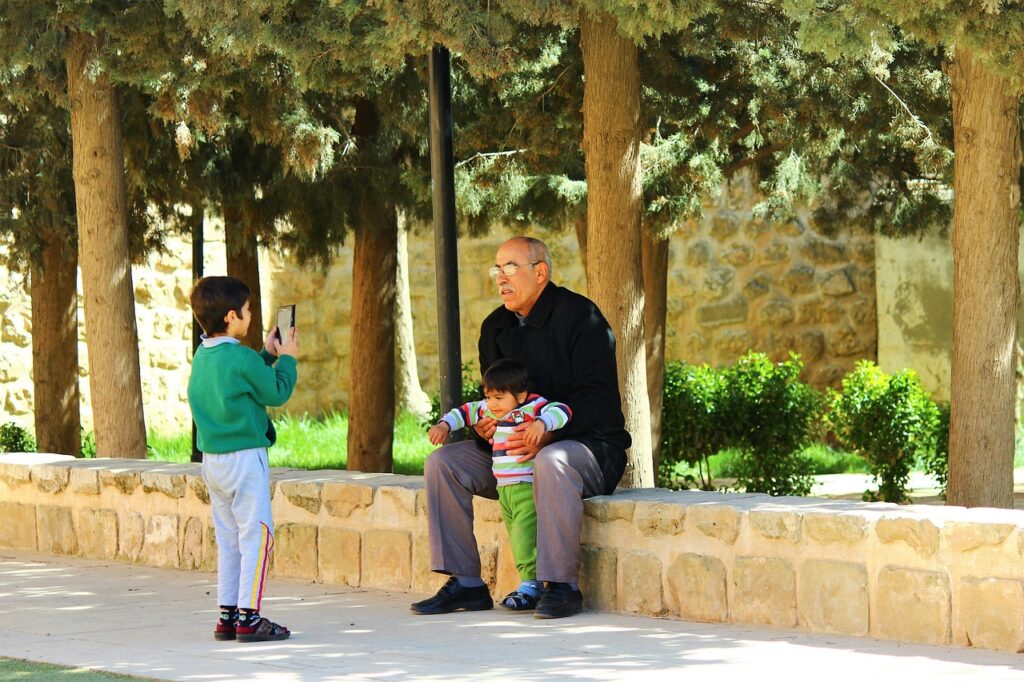
Kids’ interests evolve quickly, and some might seem baffling to you—like spending hours watching people play video games online. But poking fun at their hobbies can hurt their self-esteem. You should ask them to explain what they enjoy about it. Who knows? They might even teach you how to play that trending game or share the latest TikTok craze.
Forgetting Special Moments

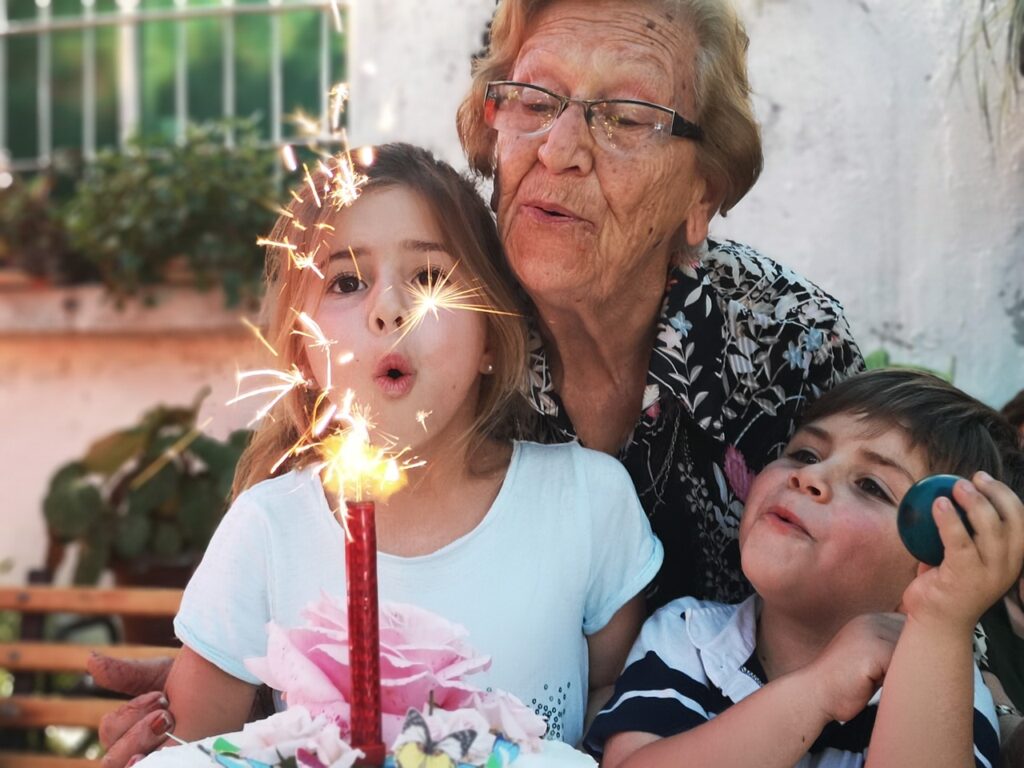
Birthdays, school plays, or even small achievements like learning to ride a bike are huge deals for kids. Missing these milestones may feel to them like you don’t care. If attending isn’t possible, a phone call or video message can work wonders. A thoughtful gesture—like mailing a card with a personal note—shows them you’re thinking of them even from afar.
Breaking Promises Too Often

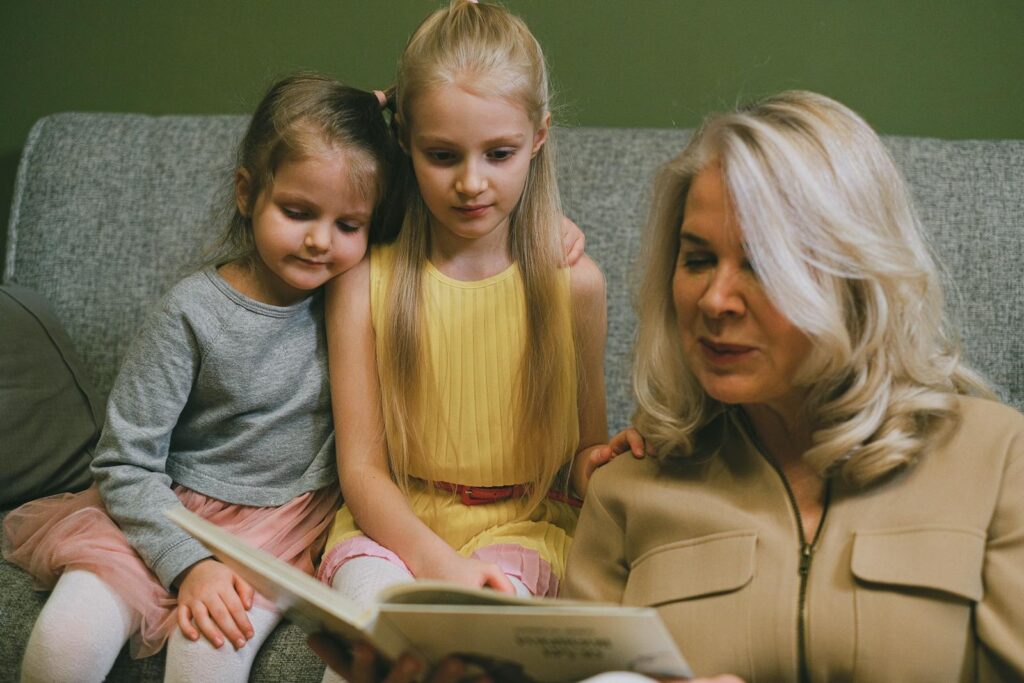
Kids have long memories when it comes to broken promises. Telling your grandchild that you’ll pick them up for ice cream but canceling at the last minute may seem minor, but to them, it’s a big deal. If something unavoidable comes up, explain it honestly and reschedule as soon as you can. Actions like these teach them that your word matters.
Refusing to Say Sorry
Admitting you’re wrong doesn’t make you any less of an authority—it just makes you human. If you snap at a grandkid or hurt their feelings by mistake, something as simple as “I’m sorry” can go a long way in fixing things (and don’t say that elders can’t apologize). Plus, it shows them that apologizing isn’t a weakness—it’s a sign of maturity.
Complaining About “Kids These Days”
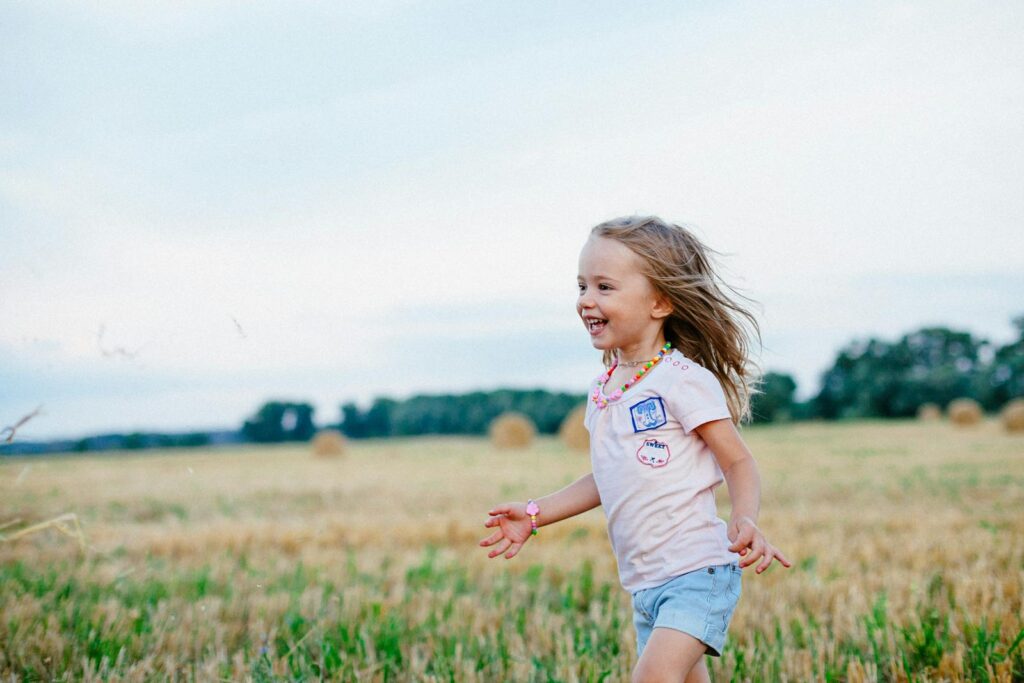
It’s easy to fall into the habit of saying, “Things were better back then,” but constantly knocking today’s trends, music, or tech can make your grandkids feel disconnected. Instead, try showing interest in their world. Ask them to share their favorite music or even teach you how to use the latest app.
Pushing Your Values on Them

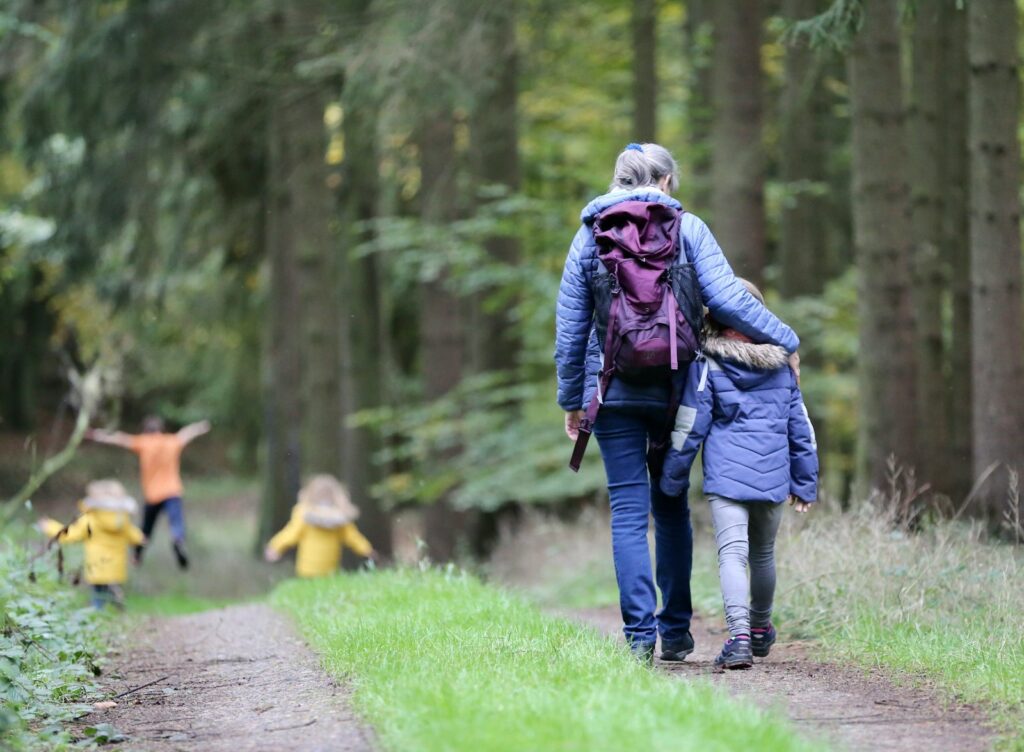
You might feel strongly about some topics—religion, career paths, or lifestyle choices—but pressuring your grandkids to adopt your views can backfire. For example, insisting they become a doctor when they dream of being an artist might make them feel you don’t respect their passions (which is somewhat true). Support their individuality instead, and you might be surprised by their success.
Talking Behind Their Back

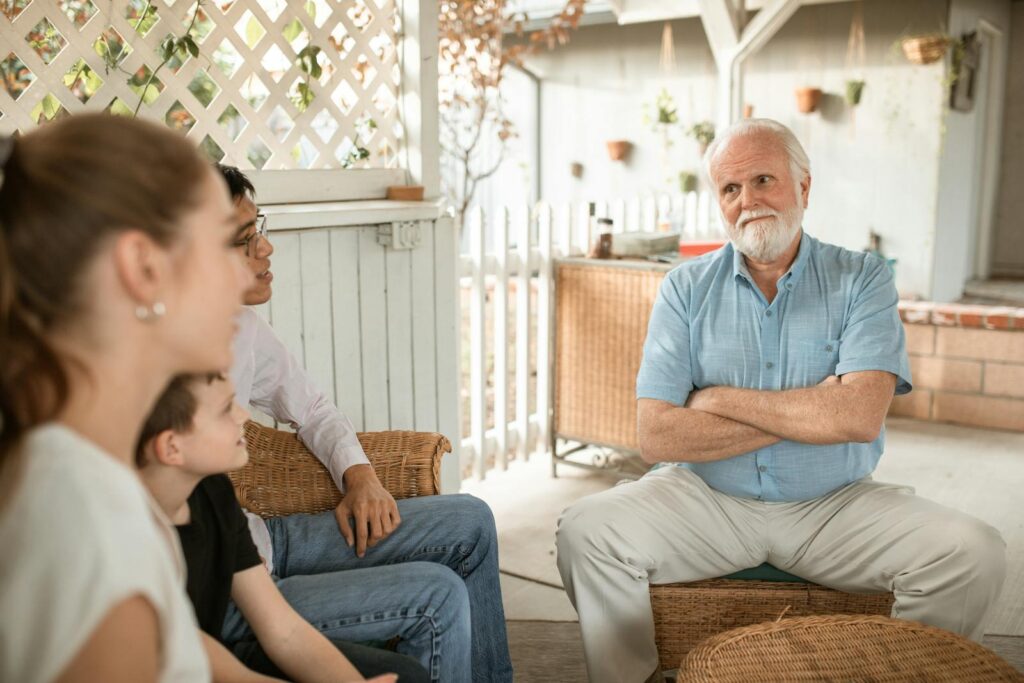
Kids value privacy, even with their closest family. Sharing their embarrassing moments or private struggles with others—even in a “harmless” family joke—can feel like betrayal. If your grandchild confides in you, keep it between you two unless it’s something serious that needs addressing. Trust is a fragile thing—handle it with care.
Overstepping Boundaries

While you’ve got a lifetime of wisdom to share, stepping into areas where your advice isn’t wanted can put a strain on relationships. For example, if your grandchild chooses a career path that you don’t agree with, let them do what they want and respect their decision. Letting them make their own choices strengthens their confidence and keeps your bond intact.
Overloading Them With Rules
Kids come to visit grandparents expecting fun, not a list of rules. Being too strict—like banning their favorite snacks or cutting down playtime—can turn visits into a chore. Instead, keep it simple with a few easy-to-follow rules, and focus on making happy memories together. That way, they’ll look forward to your time together every time.
Forgetting to Celebrate Their Achievements
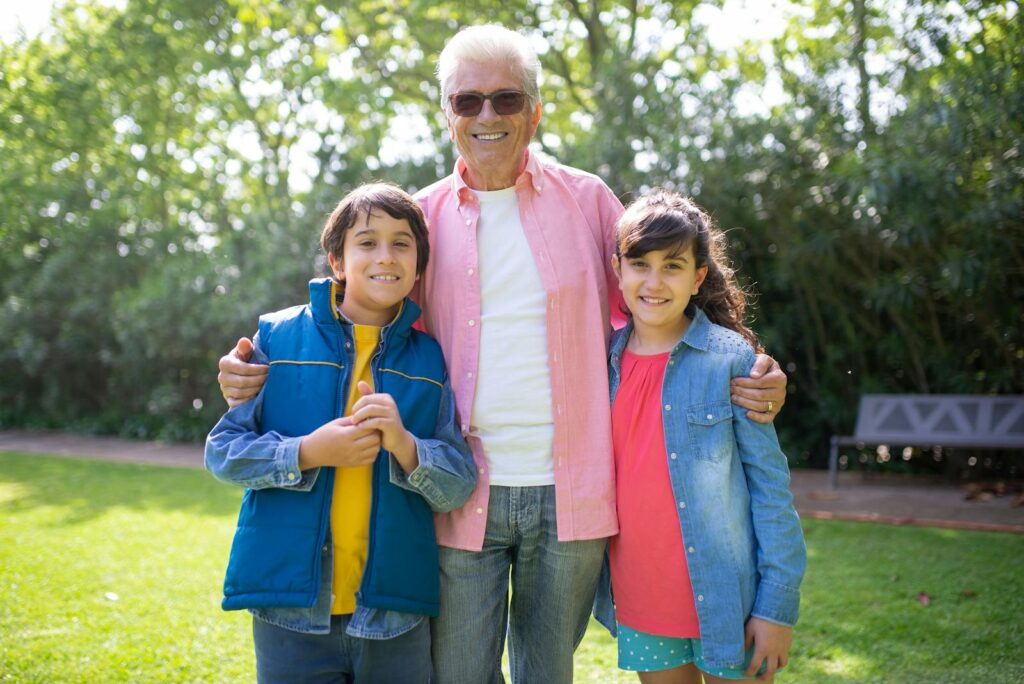
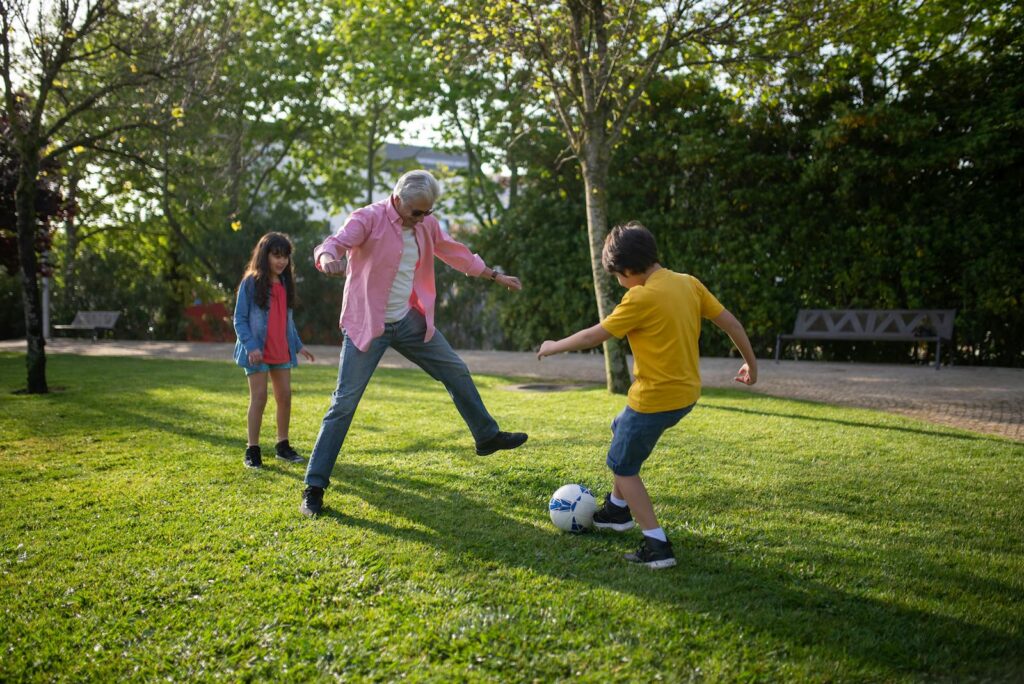
Kids thrive on recognition. Whether it’s acing a test or scoring their first goal in soccer, when you celebrate their efforts, it gives a boost to their confidence. Even if their achievement seems something very small to you, your excitement will mean the world to them. A simple “I’m so proud of you!” can light up their day.
Being Negative All the Time
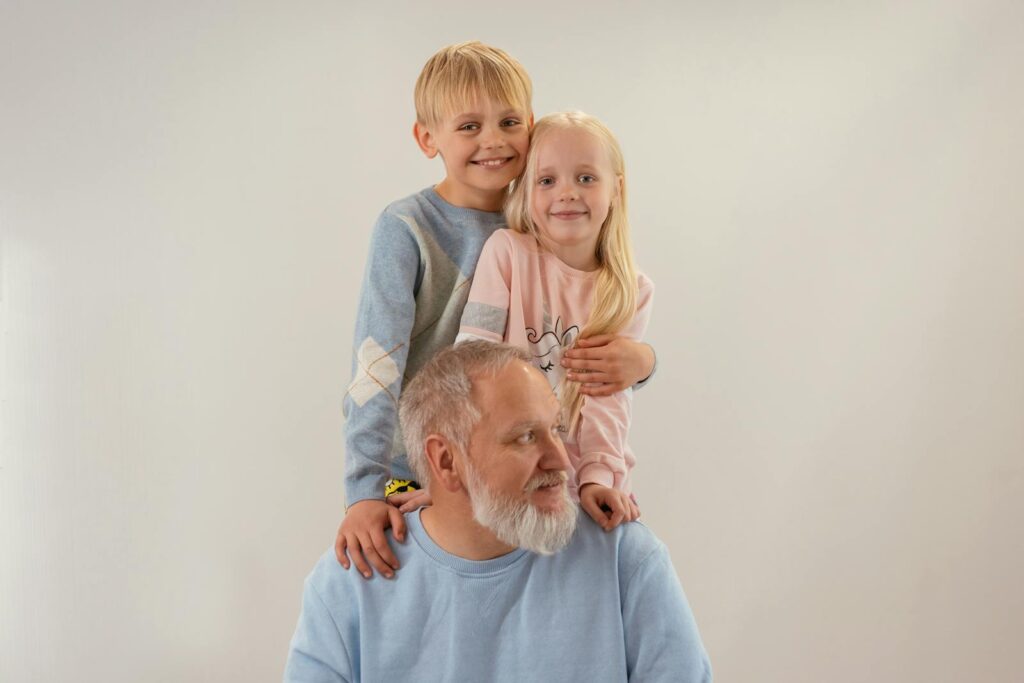
Everyone has bad days, but constantly complaining about it or being overly critical can make your grandkids avoid spending time with you. Try focusing on the positives. For example, instead of pointing out everything wrong with today’s world, share stories about challenges you overcame—it’s more inspiring and keeps the mood upbeat. Tell them how you used to go to school.