History
How Laguna Dam Made The Desert Bloom


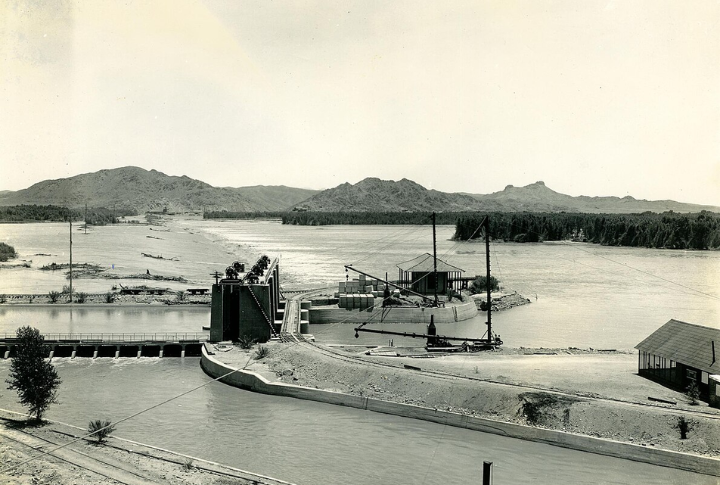
The Colorado River’s transformation began with one daring project: Laguna Dam. This early 20th-century marvel reshaped desert life and agriculture in the Southwest. Learn how this modest structure played a giant role in shaping the West’s water future.
First Reclamation Dam
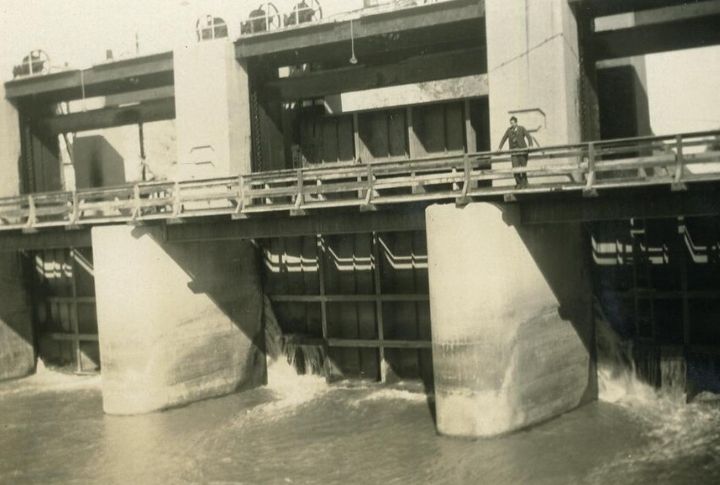
Completed in September 1909 near Yuma, Arizona, Laguna Dam was the first dam built on the Colorado River by the U.S. Reclamation Service. It had a crest elevation of 43 feet and launched efforts to control the river’s wild flow for desert farming.
Engineering And Technical Firsts
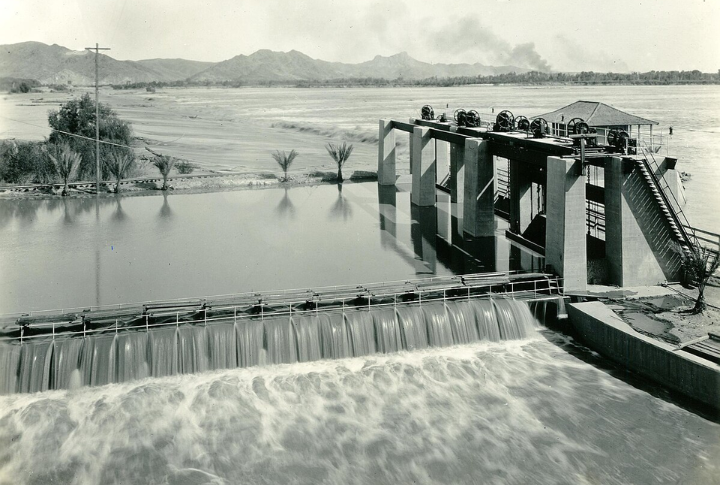
Laguna Dam’s 4,780-foot-long rock-filled diversion structure included a canal to reroute Colorado River water for early irrigation efforts. It also allowed controlled overflow during floods and introduced construction techniques that shaped desert dam building across the Southwest for decades.
The Reclamation Service’s Bet
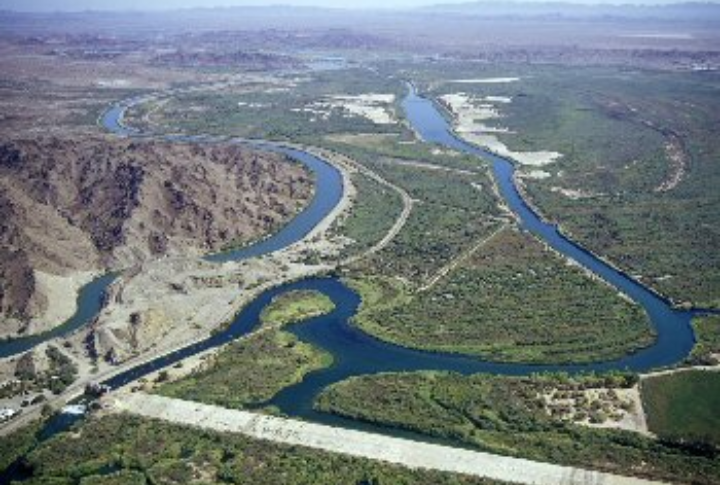
The U.S. Reclamation Service was established in 1902 and made Laguna Dam one of its earliest projects. This federal investment aimed to irrigate dry lands and boost farming, setting the stage for future large-scale water reclamation efforts across the American West.
Brutal Worksite Conditions
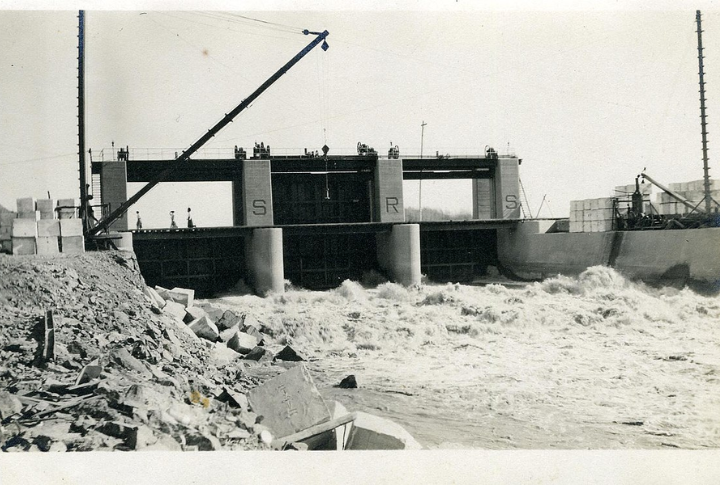
Workers faced scorching desert heat, often above 100°F, and used hand tools plus horse-drawn carts. They even endured flash floods and accidents while building Laguna Dam. Despite these dangers, the structure was completed in less than two years.
Impact On Ecosystem
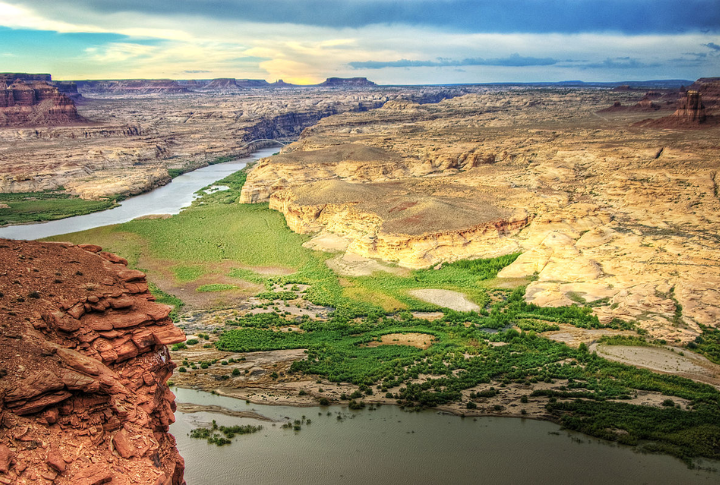
By controlling water flow, Laguna Dam altered the Colorado River’s environment. It disrupted fish migration and changed natural flood cycles, helping agriculture but also creating lasting ecological challenges that still affect the river’s health today.
Socioeconomic Transformation
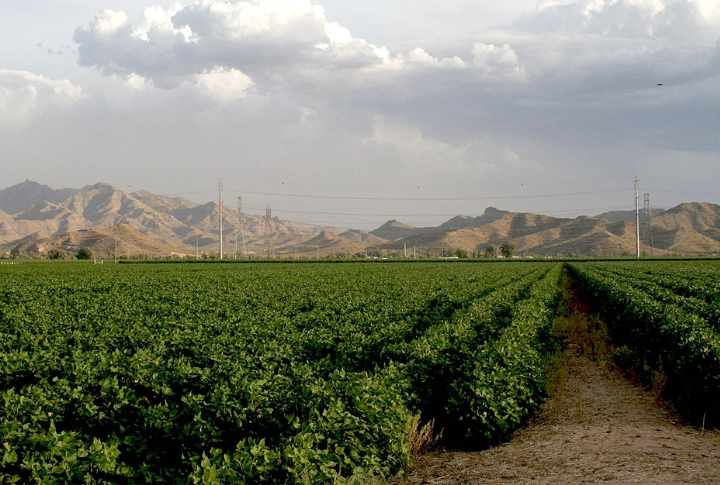
The dam’s irrigation transformed 40,000 acres of desert into farmland. This led to settlement growth and helped Arizona become a major cotton producer. Laguna Dam showed how water management could convert harsh land into a thriving agricultural region.
Desert Bloom And Imperial Canal
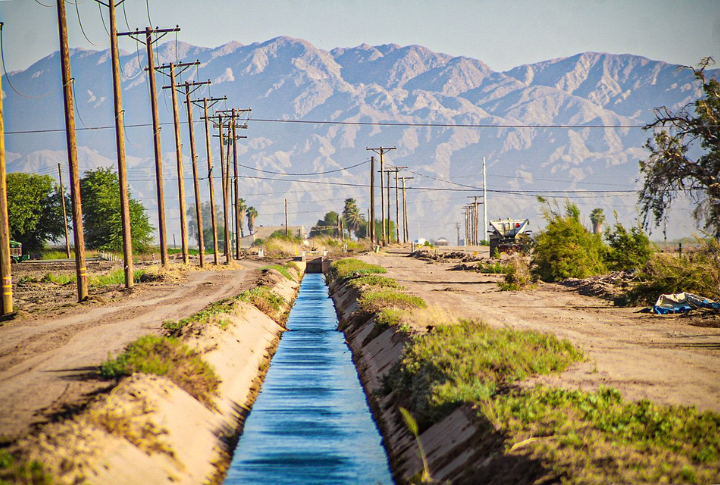
Laguna Dam pioneered water diversion near Yuma, laying the groundwork for the Imperial Dam and All-American Canal irrigation system. The irrigation also supported crops such as alfalfa, cotton, and citrus, turning dry desert soil into fertile farmland and fostering community growth.
Controlling Floods
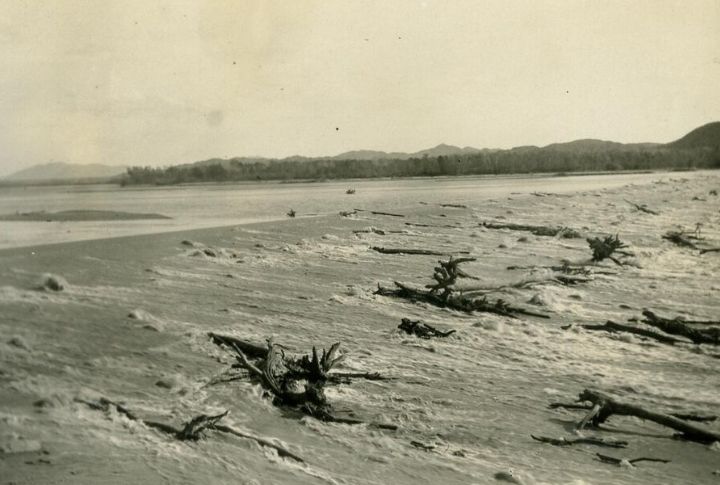
Before Laguna Dam, floods regularly devastated farms and homes along the Colorado River. After its construction, flood frequency and damage sharply decreased, which allowed agriculture and settlements to thrive in what had been an unpredictable environment.
Maintenance Challenges
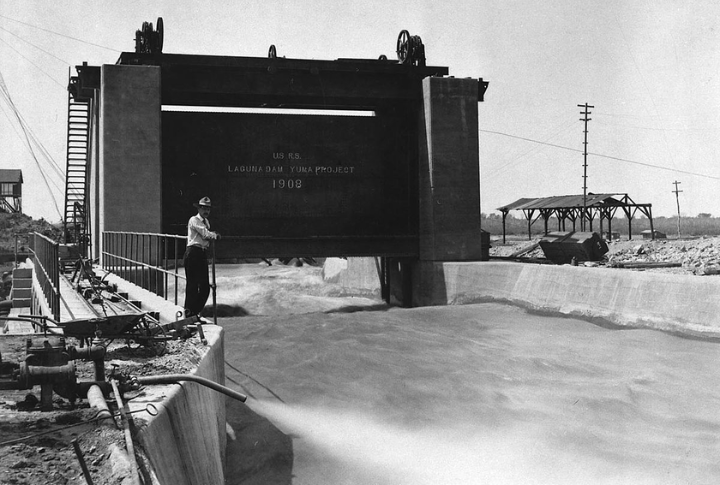
Harsh desert heat, sediment buildup, and seasonal floods threatened the dam’s stability. Operators regularly removed debris and reinforced the structure, highlighting the ongoing challenges of maintaining early 20th-century water infrastructure in remote areas.
Legacy And Influence
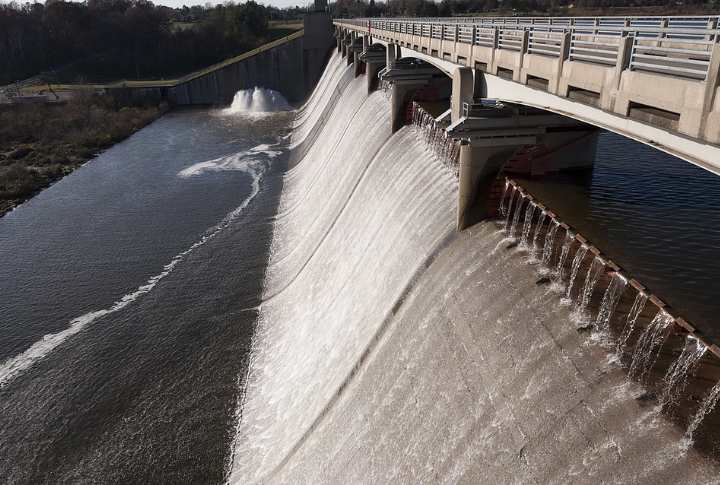
Laguna Dam operated for a few decades but proved effective in water diversion. It introduced desert-specific construction methods and set federal guidelines for water projects. This legacy influenced major infrastructure like Hoover Dam and the Central Arizona Project.