Montana
Key Things To Know About Bullsnakes Living In Montana


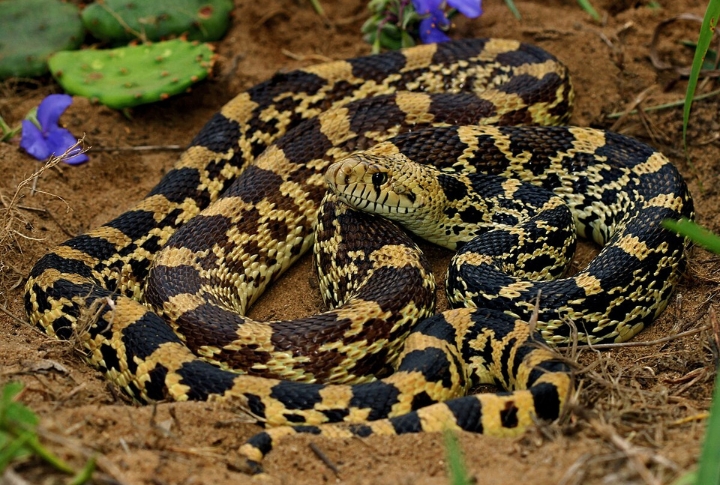
You might see one stretched across a trail or sunbathing near a fence but don’t assume the worst. Bullsnakes are all about survival and usefulness. They know the land and use it well. This rundown sheds light on their habits, their roles, and what makes them such a big part of the local ecosystem.
Montana’s Largest Snake Species
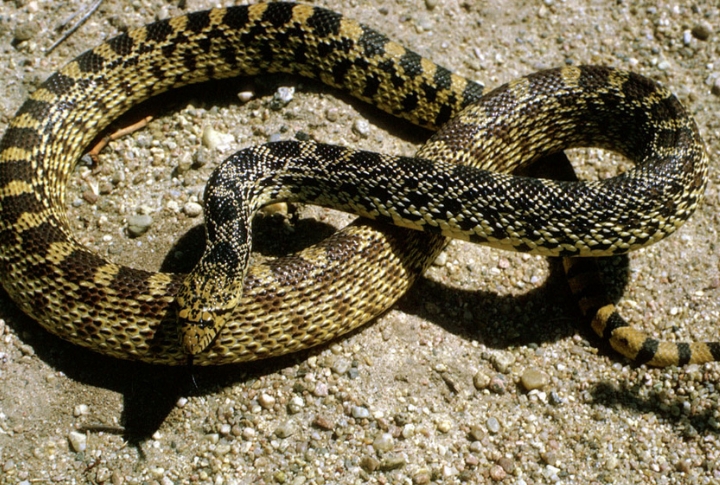
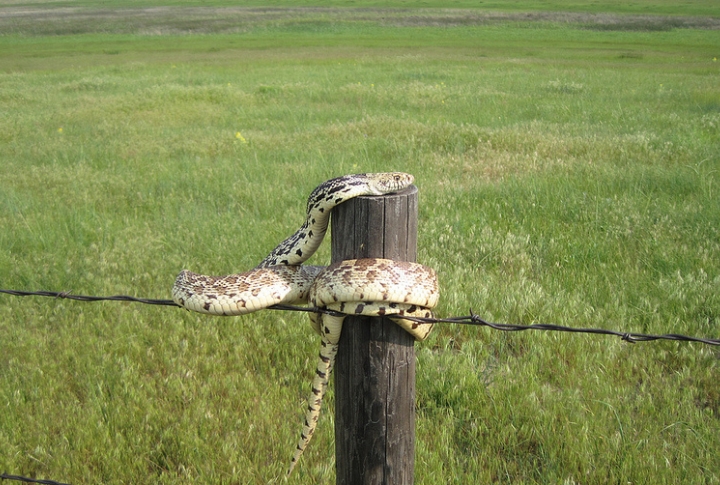
Seven feet of reptile may not be what you expect in the high plains, yet Montana’s bullsnake reaches just that. It’s the state’s longest native snake, averaging 4–5 feet. Dorsal blotches and keeled scales help differentiate them from rattlesnakes, particularly when seen basking on gravel roads or fence posts.
Rodent Control Champions
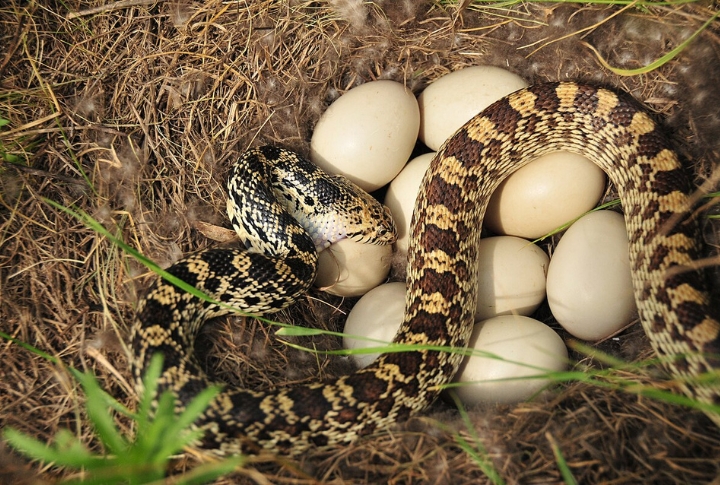
How do farmers naturally reduce rodent damage? Bullsnakes play that unsung role brilliantly. They are known for their consistent appetite for mice and gophers in agricultural zones. That dietary preference makes them living pest-control machines—valuable allies for both crop yield and disease prevention in Montana’s rural economies.
Misleading Rattlesnake Mimicry
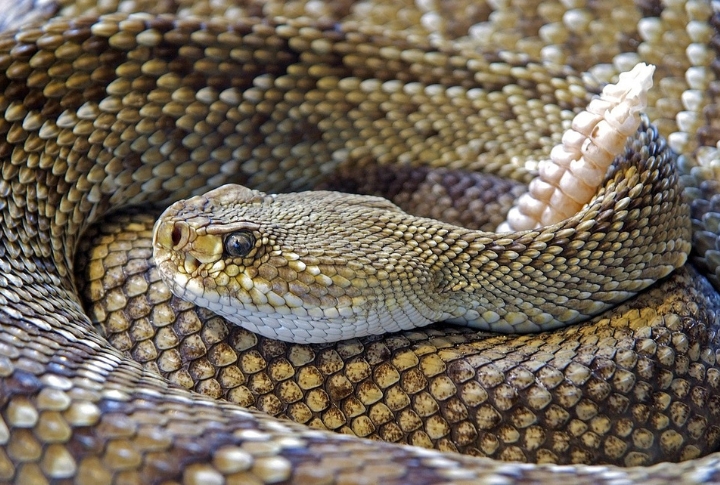
Flattened heads, harsh hissing, and tail vibrations through dry grass—these behaviors often fool hikers into thinking they’ve spotted a rattlesnake. However, bullsnakes pose no venom threat. Misidentification remains their greatest danger, but with greater awareness, the fear that leads to unnecessary killing can be steadily reduced.
Habitat Preferences Across Montana
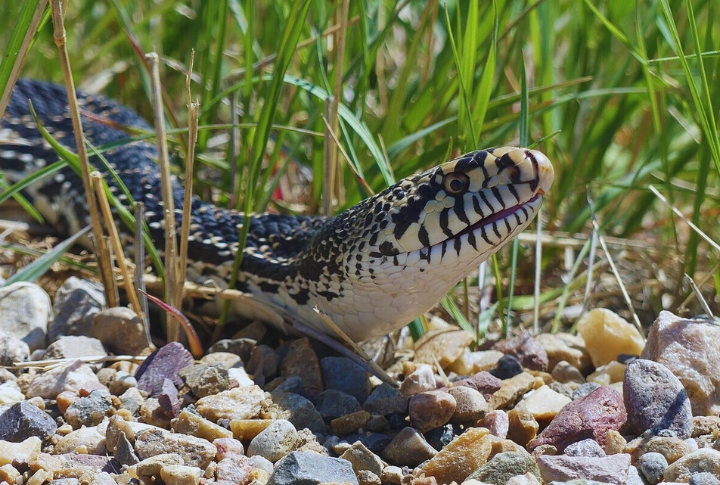
Bullsnakes are surprisingly versatile, managing well in Montana’s prairies, marsh edges, and sandy farmlands. They often use rodent burrows to escape extreme temperatures. This clever use of existing shelters lets them stay active across changing conditions without needing specialized environments.
Molting And Growth Patterns
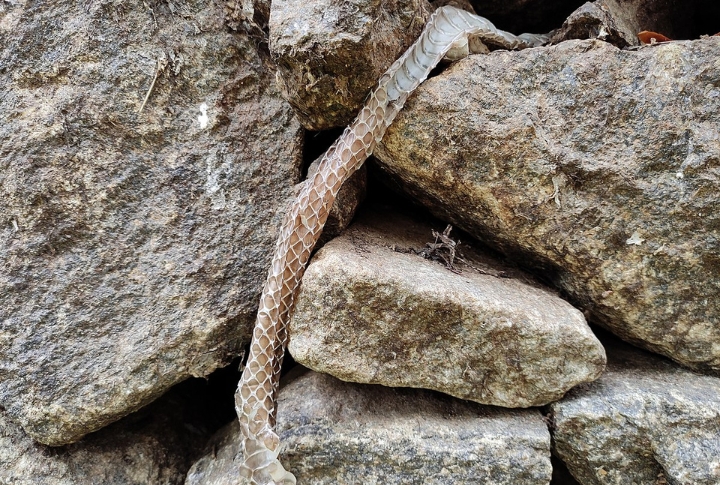
Snakes grow throughout their lives, and bullsnakes typically shed their skin 3–4 times annually during their early years. Each molt reflects age and health, helping remove parasites and allowing for body expansion. In Montana’s cooler regions, sheds often coincide with warmer months when feeding increases.
Size And Sexual Dimorphism
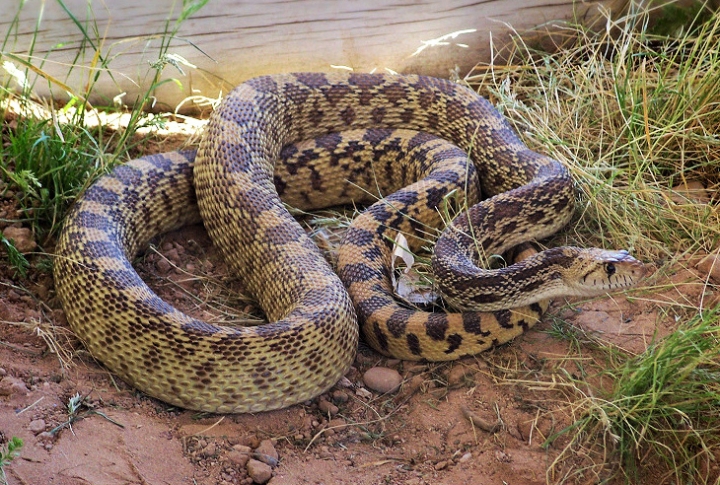
Females may seem equally long at a glance, but adult males usually outgrow them, sometimes by nearly a foot. Weight ranges from 2 to 8 pounds, with the largest individuals exceeding average expectations. This size variation becomes most obvious during mating season when territorial encounters occur more often.
Diet Beyond Rodents
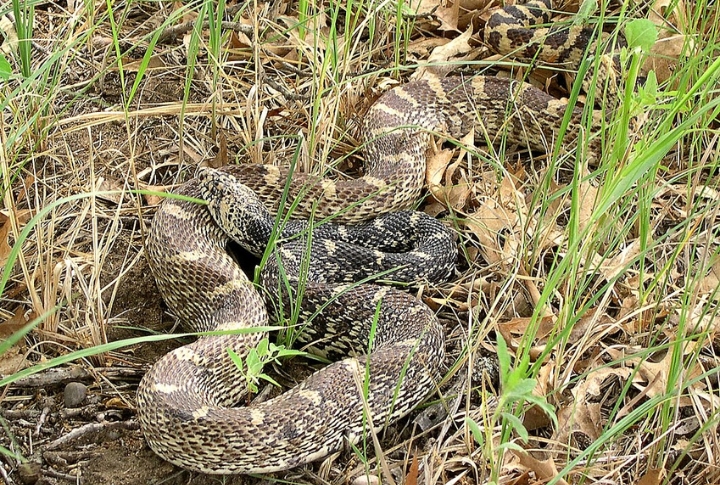
Mice and gophers may dominate their menu, but bullsnakes also consume bird eggs, nestlings, frogs, and even other snakes. Opportunistic and patient, they rely on stealth and constriction rather than venom. That varied diet boosts their adaptability in Montana’s complex food webs and rural ecosystems.
Field Identification Tips
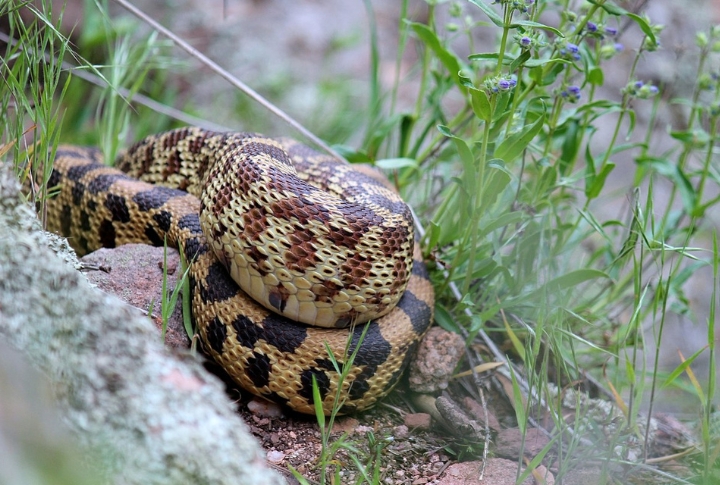
What makes a bullsnake easy to recognize? Their cream base coat carries a distinct pattern of black and brown blotches along the back and sides. Round pupils, red-orange eyes, and a narrow snout help set them apart from rattlesnakes, especially in bright sunlight or on dusty trails.
Montana’s Seasonal Sightings
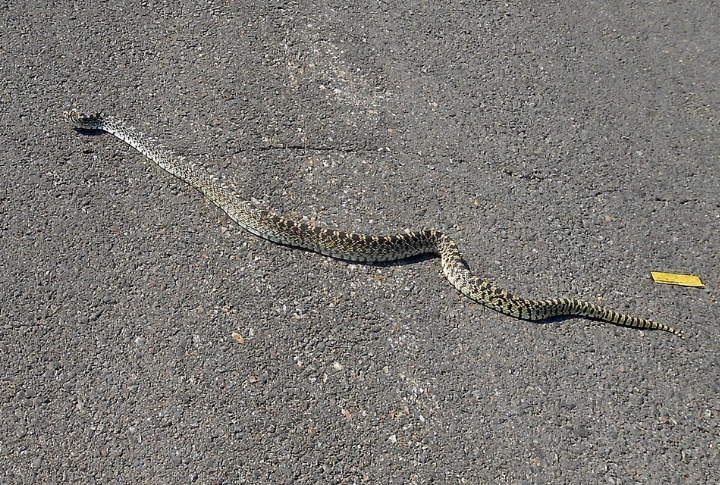
Early mornings in late spring offer the best chances to spot a bullsnake. As Montana warms, they emerge from burrows to bask or hunt. Sightings peak between May and July, especially in grassy areas near farmland. After midsummer, they gradually reduce activity before brumating underground by fall.
Lifespan And Longevity In The Wild
In Montana’s wild, bullsnakes often live 12–15 years, with some reaching 20 under ideal conditions. Their longevity depends heavily on habitat stability and predator avoidance during youth. Captive studies confirm similar lifespans, but wild individuals face added risks from vehicles, predators, and habitat encroachment.