Lifestyle
10 Legal Liberties In America That Wouldn’t Fly In Other Countries


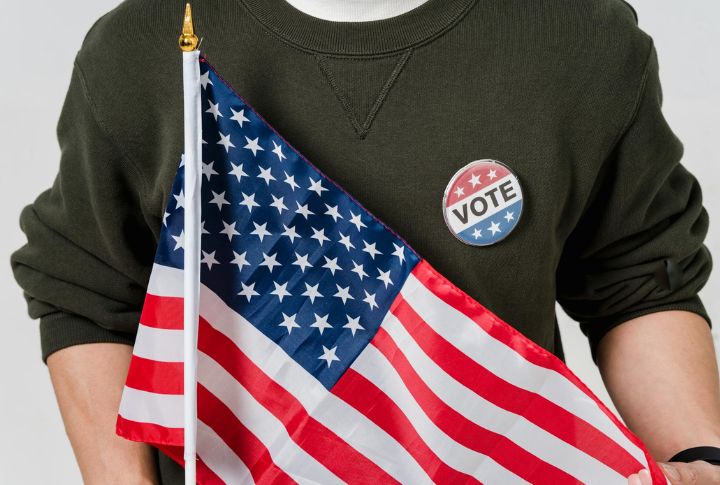
You might not think twice about some rights you have—until you’re in a country that handles things very differently. A lot of what’s legal in the U.S. would raise more than just eyebrows abroad. Some of it could even get you jailed. Want to know what liberties don’t translate beyond borders well? You’re going to want to read this.
Owning Military-Style Firearms Without Special Permits
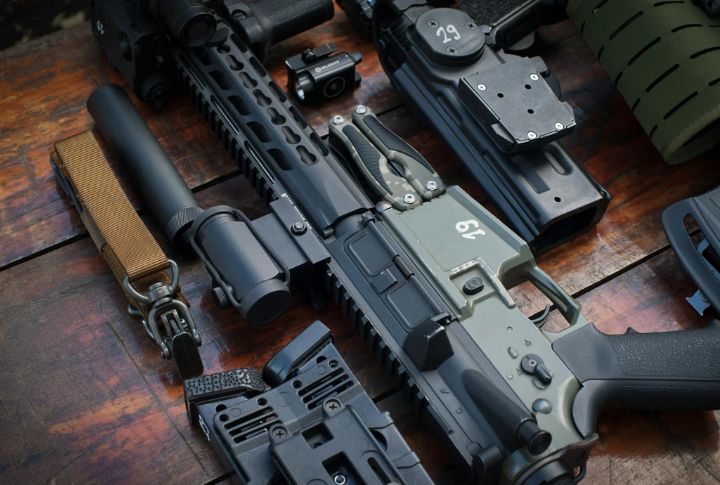
The U.S. has more civilian-owned firearms than people, with estimates nearing 393 million. In Switzerland or Japan, semi-automatic rifles require years of vetting and secure storage. What feels normal at a U.S. gun shop often sparks public safety concerns elsewhere.
Defacing Or Burning The National Flag
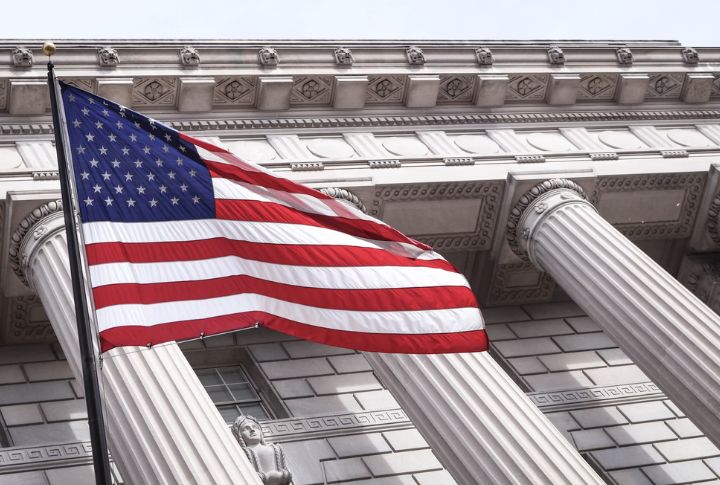
Singapore’s Vandalism Act punishes graffiti with prison time, so flag burning doesn’t stand a chance. In South Korea, damaging state symbols can lead to prosecution. Americans may see it as a way to protest, but many foreign governments count it as a threat to national unity.
Suing For Almost Anything
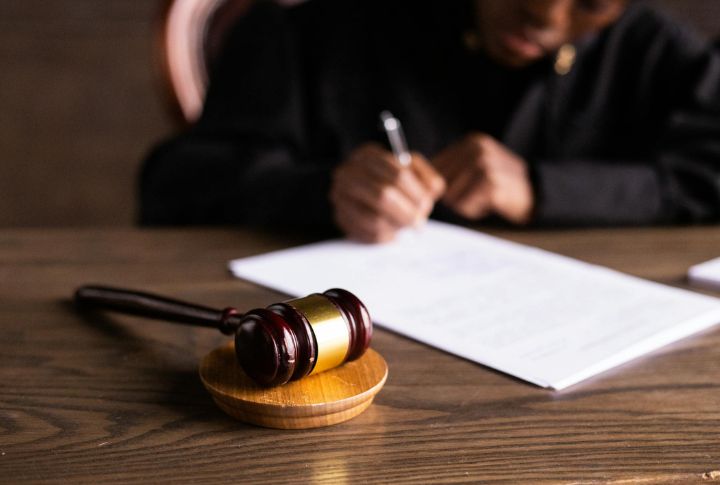
The famous hot coffee lawsuit in 1994 initially awarded $2.7 million, later reduced to about $480,000, stunned legal systems abroad. In places like Finland or Norway, strict “loser pays” rules discourage casual lawsuits. Overseas, you need more than a beverage spill to make a case.
Campaigning With Unlimited Money

Michael Bloomberg spent over $500 million on his 2020 presidential campaign. Try that in Ireland, where donation caps and spending limits are tightly enforced. Most democracies treat unchecked campaign financing as a risk to fair elections, not a personal strategy.
Saying Offensive Things About The Government
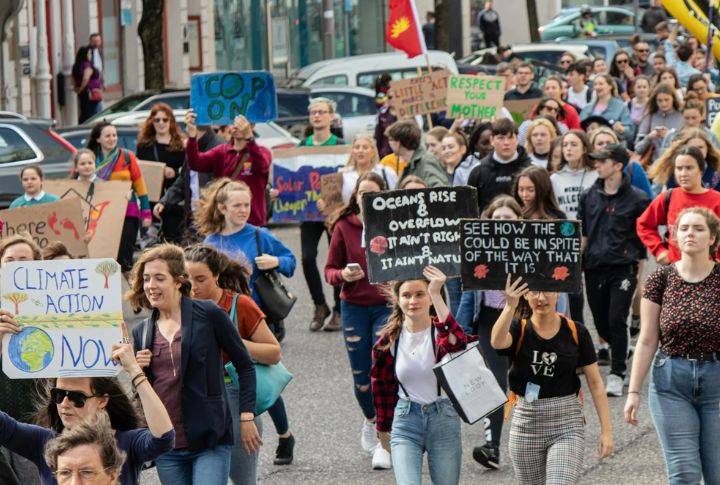
In Poland, a Facebook insult directed at the president resulted in fines. In Egypt, political satire can trigger legal action. Such remarks are classified as offenses against the state. Americans, on the other hand, can criticize leaders without fear.
Marketing Prescription Products To Consumers

The U.S. and New Zealand are two countries that allow direct-to-consumer drug ads. Belgium prohibits even basic promotional materials unless approved by regulators. What plays as a commercial at home is seen as reckless marketing abroad.
Homeschooling Without State Curriculum Approval

Germany has banned homeschooling without state supervision since 1938, and courts continue to uphold that stance. Spain discourages it through policy ambiguity. Many countries demand certified instruction and official curriculum reviews, treating self-managed education as a regulatory concern.
Refusing Service Based On Personal Beliefs

In the U.S., businesses can sometimes refuse services based on personal beliefs and win legal protection. However, denying service over religious or moral objections in countries like Sweden or Canada can trigger discrimination charges. Overseas, personal convictions rarely outweigh equal access rights.
Refusing To Vote Without Consequence
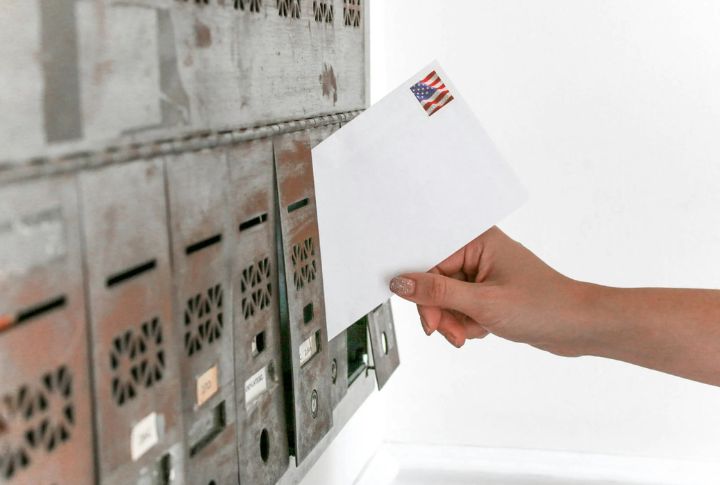
Americans may opt out of their civic duty, but in other democracies, participation is non-negotiable. Belgium introduced compulsory voting in 1893, and skipping an election can bring fines or professional consequences. In Luxembourg, registered expats must vote, too.
Using Bail Bond Services To Secure Release
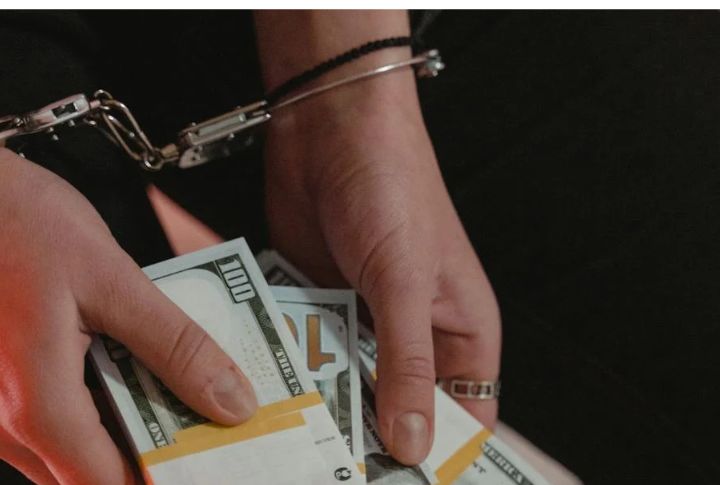
In the U.S., private bail agents and bounty hunters are part of a $2 billion industry. Globally, that system stands out as the exception, not the rule. For example, New Zealand eliminated commercial bail decades ago, and France relies on judicial oversight instead.