Education
Most People Don’t Know The Real Use Of These 10 Ordinary Items



Not everything is as simple as it looks. Several common items around us come with hidden functions most people never notice. These features were a part of the design, meant to solve a problem or make life easier. Let’s take a closer look at ten everyday things that do more than meet the eye.
The Tiny Pocket On Your Jeans
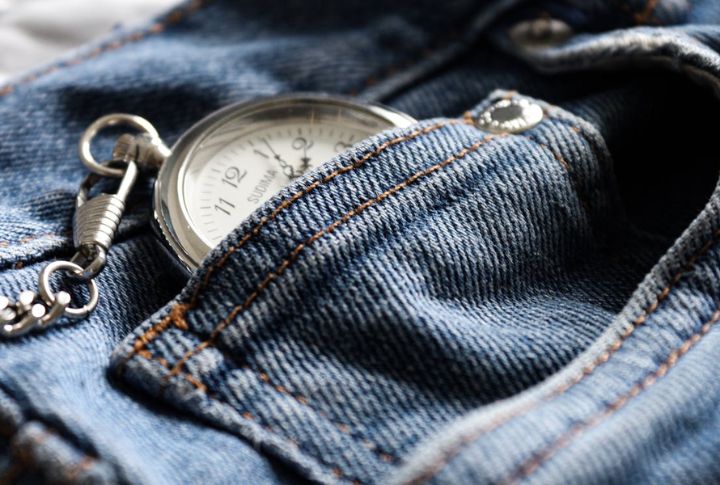
It’s small, easy to overlook, and still stitched into almost every pair of jeans. Originally, this pocket was made to hold a pocket watch during the 1800s. Although most people now assume it’s decorative or for storing coins, it was once an essential feature for workers and cowboys who needed to keep track of time.
The Hole In A Padlock’s Bottom
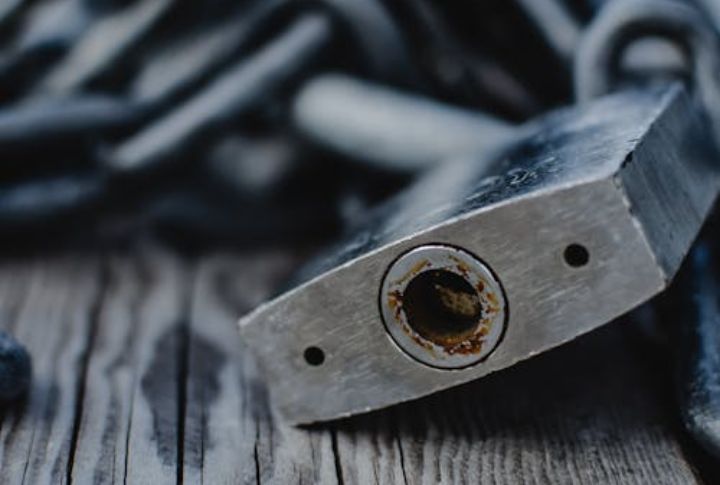
This is not a defect or a weak spot. That small hole at the bottom of a padlock allows water to drain out, protecting the inner mechanism from rust. It also serves as an access point for lubricating oil, helping the lock function smoothly even after years of outdoor use
The Blue Side Of An Eraser
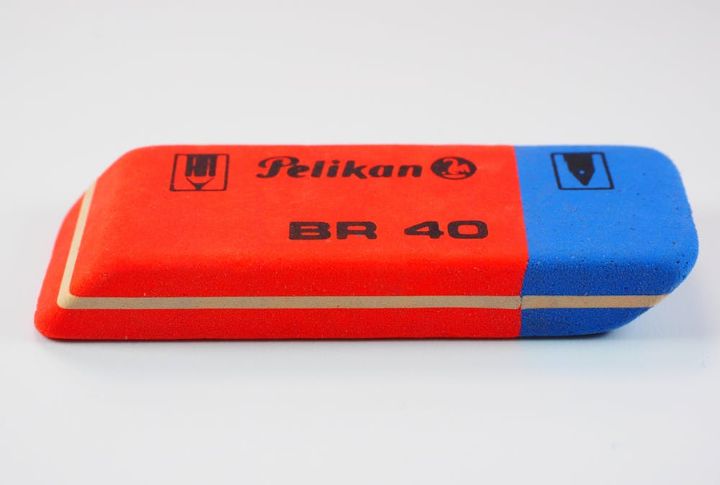
The blue half of a two-tone eraser isn’t just for decoration. While the pink side handles pencil marks, the blue was marketed for removing ink or tougher marks on heavy paper. In practice, it often tears paper, but it served a purpose before ink correction tools became common.
The Ridge On The Edge Of Coins

Those ridged edges on coins weren’t always for style. They were introduced to prevent coin shaving, a form of fraud where people used to scrape off small amounts of precious metal. The grooves made tampering obvious. Even today, ridges help machines detect and sort coins more accurately.
The Black Grating On A Microwave Door
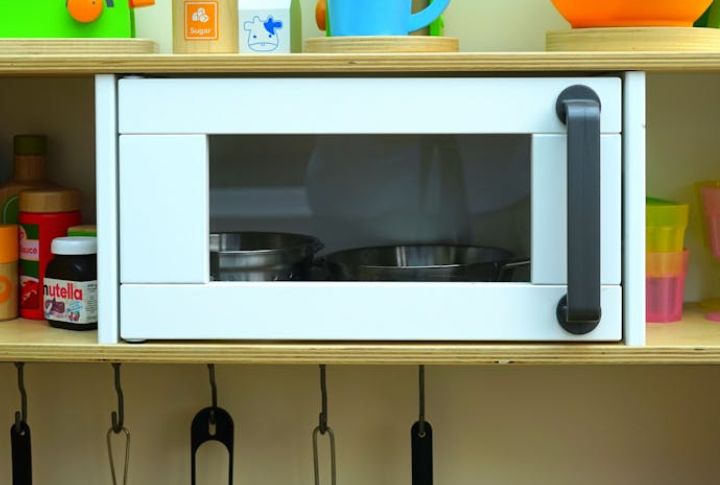
That dark mesh screen on a microwave door isn’t just for visibility. It’s a Faraday shield designed to keep electromagnetic waves from escaping. Each hole is precisely sized: smaller than the microwave’s wavelength (about 12 centimeters), so the energy can’t pass through, but your eyes still can.
The Hole In A Spaghetti Spoon
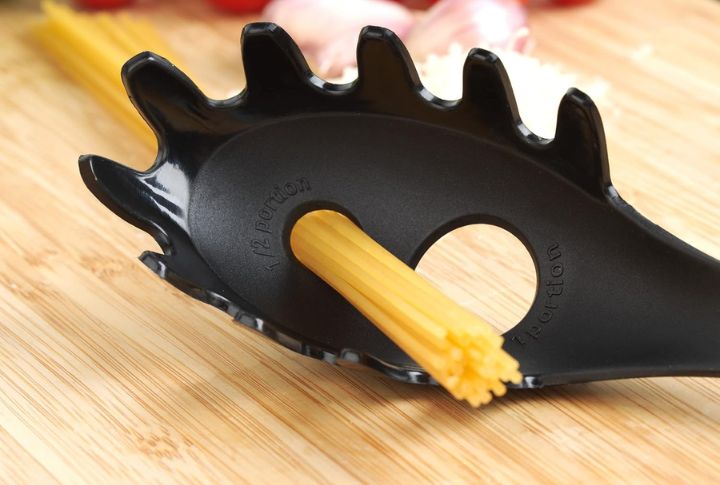
You might assume it’s for draining water, and it can be. But that central hole in a spaghetti spoon actually measures out one serving of dry pasta. Thread uncooked spaghetti through it until the bunch fills the space, and you’ll have the right amount for a single portion.
The Indent In A Wine Bottle’s Bottom
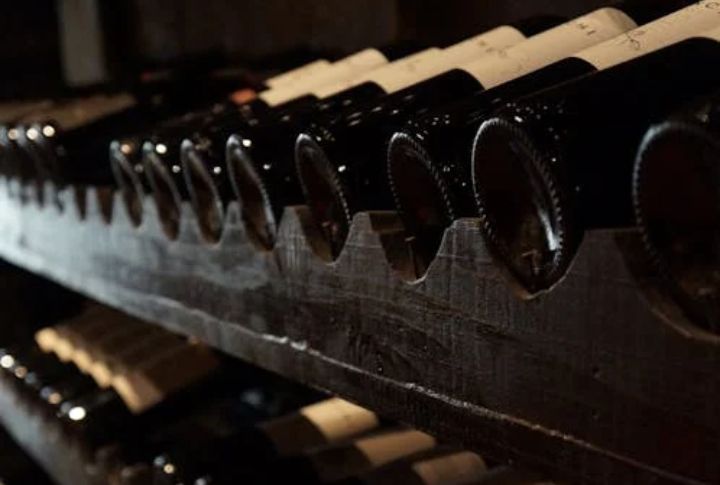
That inward dome at the base of a wine bottle is called a punt. It strengthens the glass and helps catch sediment, especially in aged wines. It also improves grip during pouring. While not strictly necessary today, the punt still serves both functional and traditional roles in wine packaging.
F And J Key Bumps

Ever notice the small bumps on those two keyboard keys? They serve as reference points for touch typists. Without looking, your index fingers land on F and J to anchor proper hand placement. It’s a subtle feature designed entirely for accuracy and muscle memory.
The Little Stud On A Backpack Strap

That diamond-shaped patch on some backpacks isn’t just a brand detail. It’s referred to as a lash tab or pig snout, and it’s designed for threading cords or attaching gear, such as carabiners. Hikers and campers use it to secure small items when space inside the bag is limited or messy.
The Arrow Next To Your Car’s Fuel Icon

That small arrow beside the fuel pump symbol on your dashboard has a simple purpose. It tells you which side of the car your gas cap is on. Especially useful in rental cars or newer vehicles, this quiet little feature saves you from pulling up to the wrong side.