Travel
This Museum In D.C. Brings Black History To Life


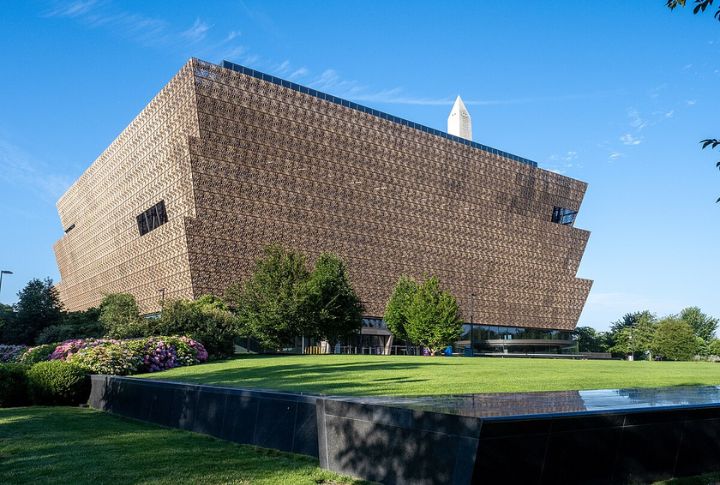
The National Museum of African American History and Culture rises in bronze and memory. It’s part gallery, part time machine. You’re walking through Black history here, one moment at a time. Each slide reveals a piece of something bigger. Let’s begin.
The Museum’s Design
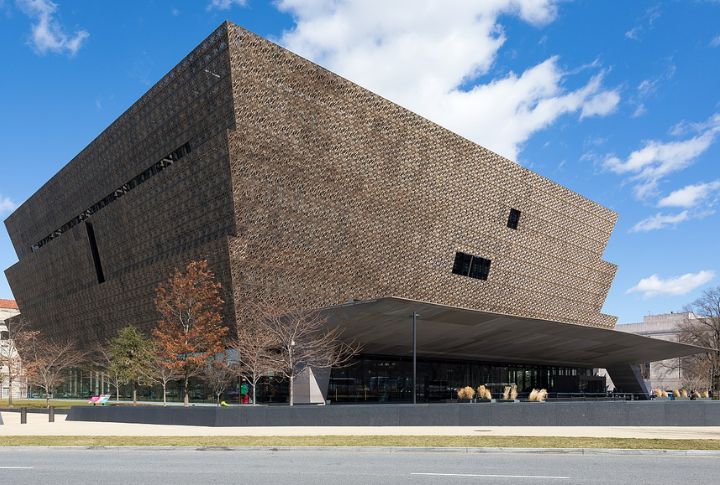
The building draws from a Yoruban crown, used by African kings, connecting African American heritage to ancestral royalty. Moreover, the bronze mesh exterior pays tribute to Black craftspeople who mastered ironwork across the South, particularly in Charleston and New Orleans.
Building The Collection
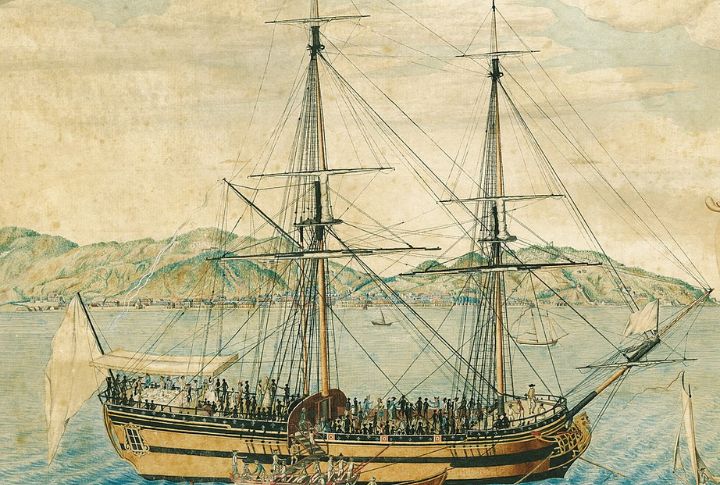
It began with a call, not a blueprint. Instead of acquiring pieces from institutions, the curators asked everyday people to contribute what they had. The first major donation was a logbook from a slave ship. Over time, the collection grew through oral histories and personal stories.
Slavery And Resistance
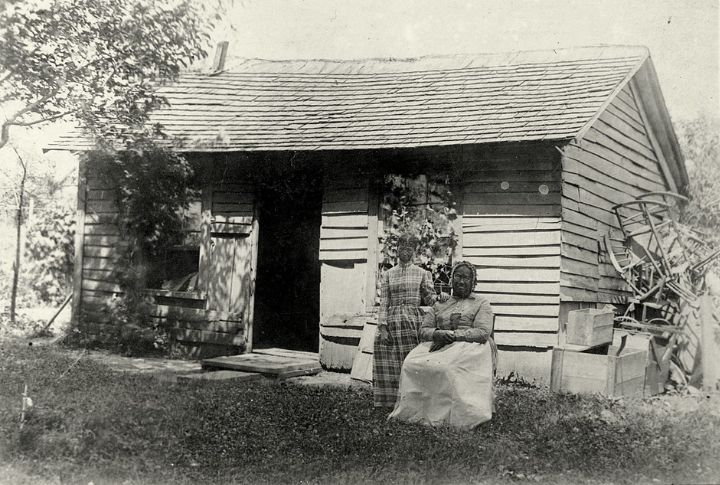
Visitors start in the museum’s lower level, which features early artifacts such as an original 19th-century slave cabin from Edisto Island, South Carolina, rebuilt using its original planks. The exhibit also includes a 1777 petition for freedom signed by enslaved individuals in Massachusetts.
Civil Rights Movement
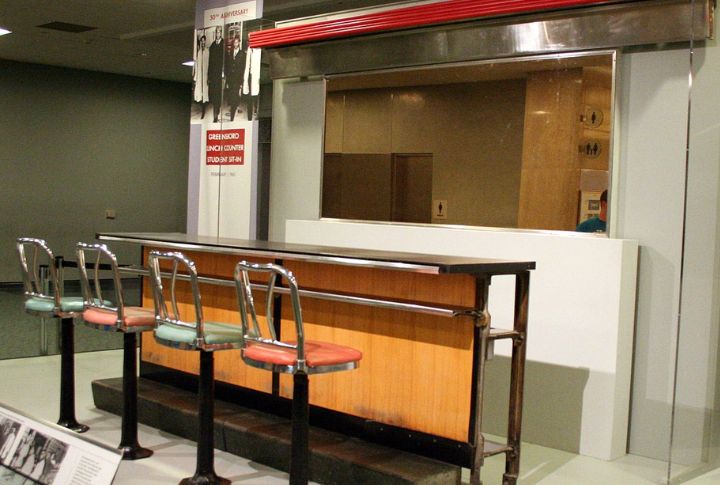
This section includes original items used during key events of the Civil Rights Movement. A torn pair of shoes worn by a marcher in Selma is displayed under glass. The exhibit also features the original counter stool used during the Greensboro sit-ins by student protestors in North Carolina.
Black Military History
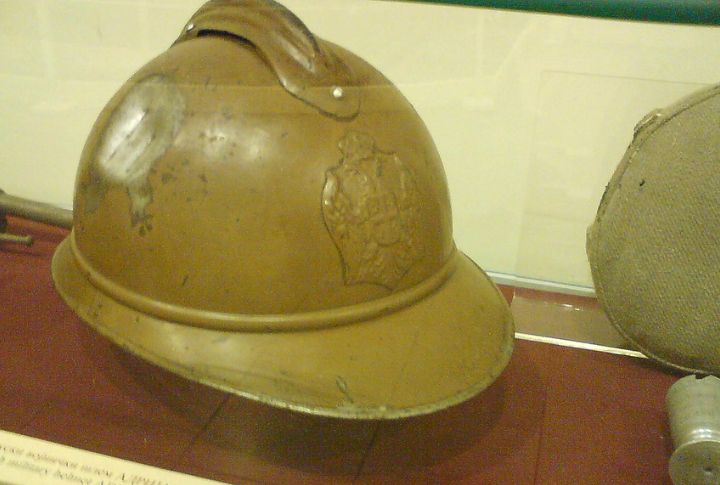
Not all wars were fought overseas. Inside this are segregated World War I helmets and battlefield letters that never made the news. The museum shines a light on units like the 369th Infantry Regiment as well as the Harlem Hellfighters, who spent more time in the war zone than any other U.S. unit in WWI.
Cultural Icons
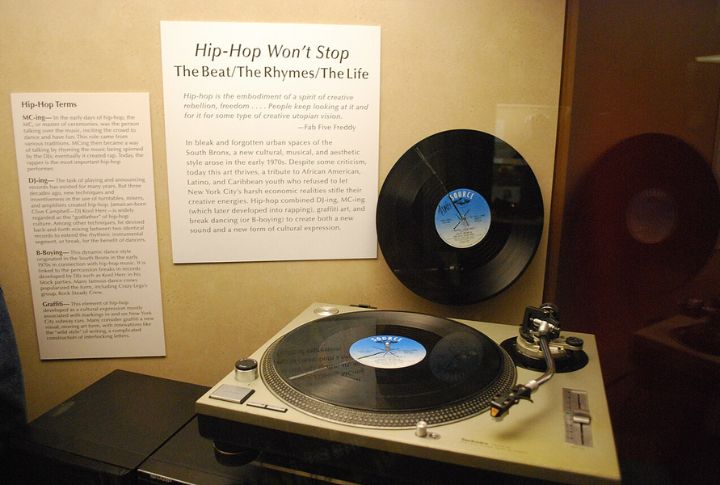
One display includes a page from Maya Angelou’s “I Know Why the Caged Bird Sings” alongside an outfit worn by musician Nina Simone. Nearby, a turntable used by Grandmaster Flash is also on view. These items highlight contributions to literature and cultural history.
Everyday Black Life
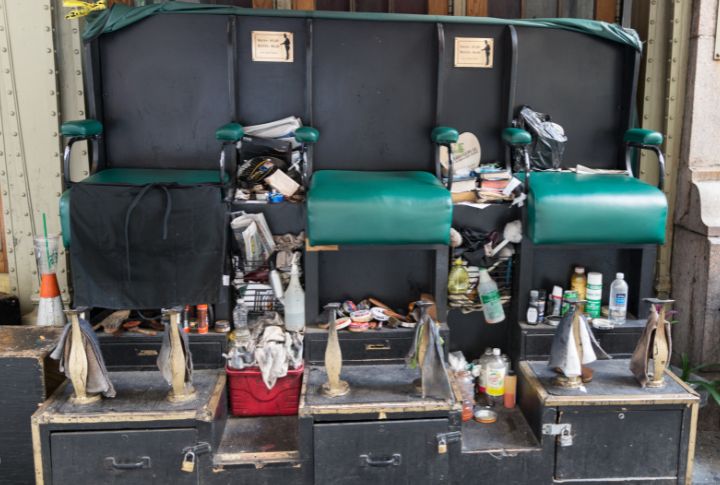
A shoeshine stand from Harlem anchors this gallery. It belonged to Ezra Shipp, whose small corner business served generations. Alongside it are tools from a Black-owned beauty salon and handwritten church bulletins that illustrate traditions of work, care, and community gatherings across generations.
Sports And Achievement
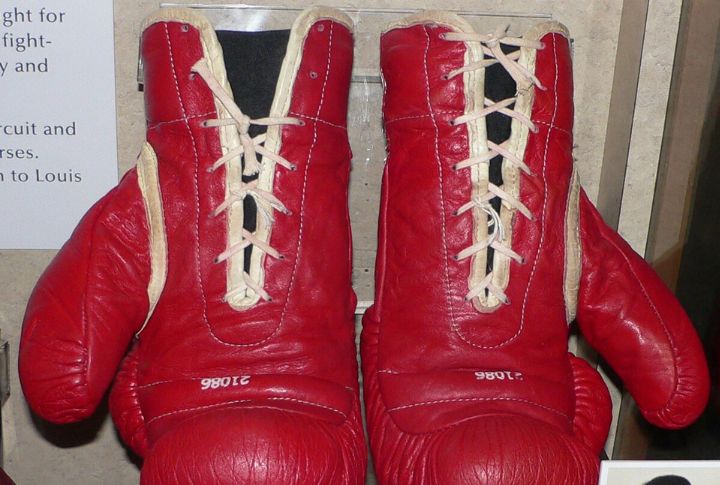
There’s more to Black athletes than records and trophies. A section devoted to achievement explores how sports became one of the few platforms where Black excellence couldn’t be ignored. Artifacts include Muhammad Ali’s training gear and footage of Tommie Smith’s 1968 Black Power salute.
Music And Performance
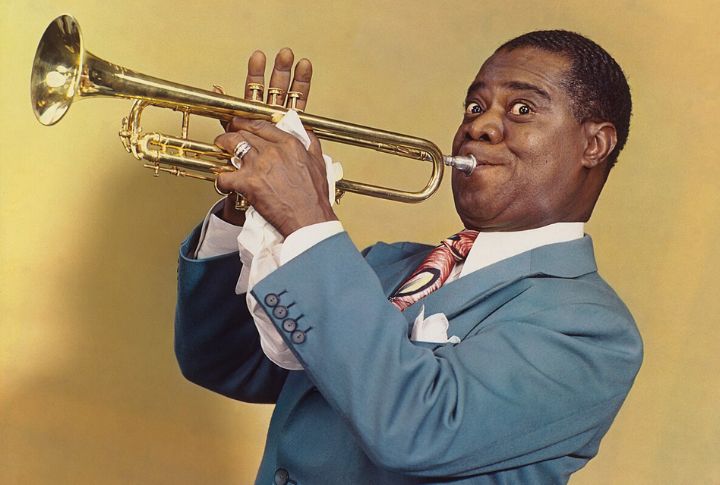
Gospel, jazz, soul, and hip-hop play softly through the gallery to frame exhibits with sound. On display are a trumpet used by Louis Armstrong and a custom stage suit worn by Prince. Moreover, the background music complements the artifacts.
Modern Black America
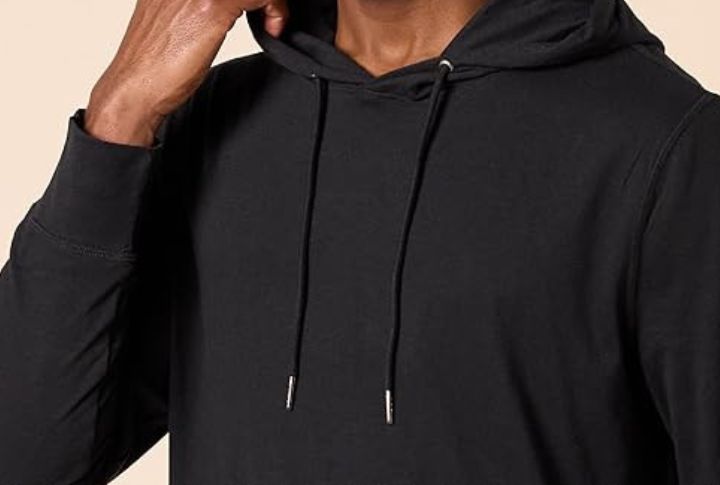
History doesn’t end at the last gallery. The final space speaks to the now. It holds protest signs from Ferguson and artwork created during the COVID-19 pandemic. There’s a hoodie like the one Trayvon Martin wore. And digital screens update with current events.