States
What The Horse Scene Looks Like In 20 U.S. States


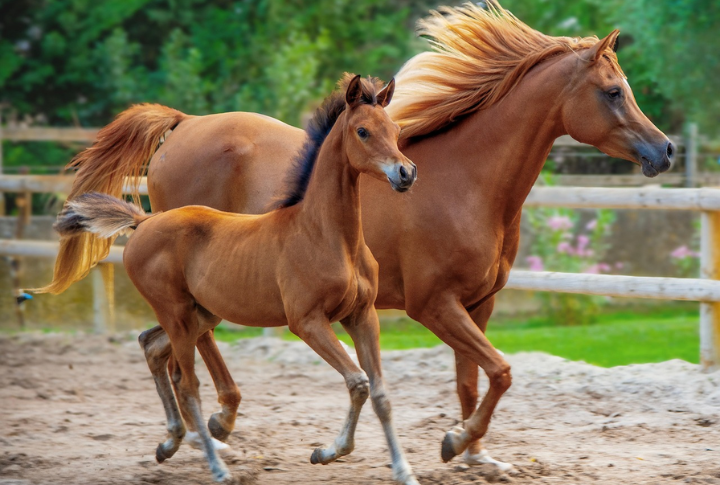
Millions of horses roam the U.S., but their distribution is anything but random. Some states support them with breeding centers and Olympic venues; others rely on them for work or sport. The numbers might challenge your assumptions—so let’s break them down, one state at a time.
Texas
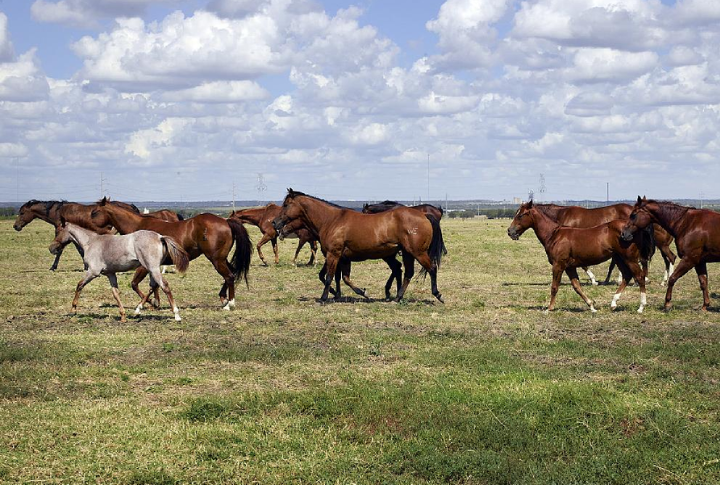
No other state beats Texas when it comes to sheer horse numbers. With more than 767,000 equines, it’s a powerhouse of working ranches and suburban riders. Even Harris County, better known for highways than hayfields, reports growth. The horse isn’t just a symbol here—it’s an industry.
California
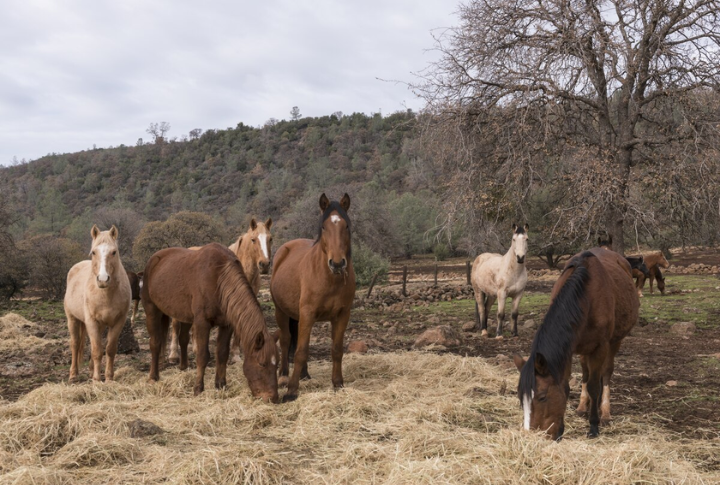
Forget the Hollywood stereotype—California’s horses do far more than appear on screen. Over 534,000 horses inhabit this diverse state, with roles stretching from vineyard work in Paso Robles to rodeos in the Central Valley. While San Diego County lacks an official horse count, the equine presence is still unmistakably strong.
Florida
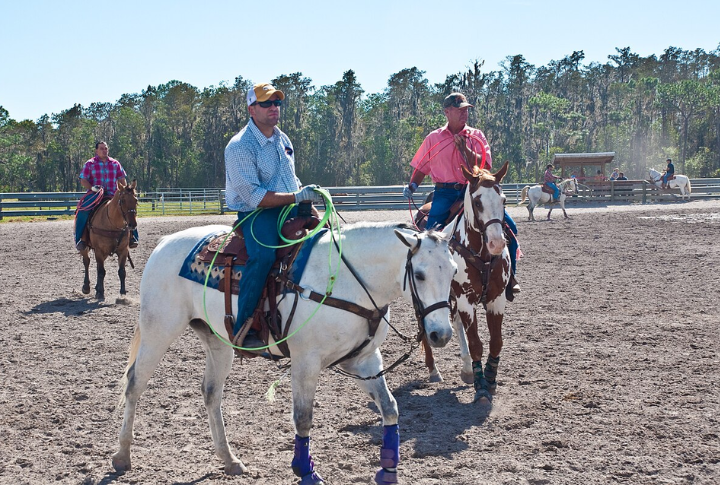
Few equestrian hubs rival Ocala when it comes to influencing the global thoroughbred industry. Its sandy soils and mild winters provide prime conditions for breeding, training, and recovery. Florida’s total horse count reaches 334,900, reflecting its well-earned spot among the top states for equine operations and sport.
Oklahoma
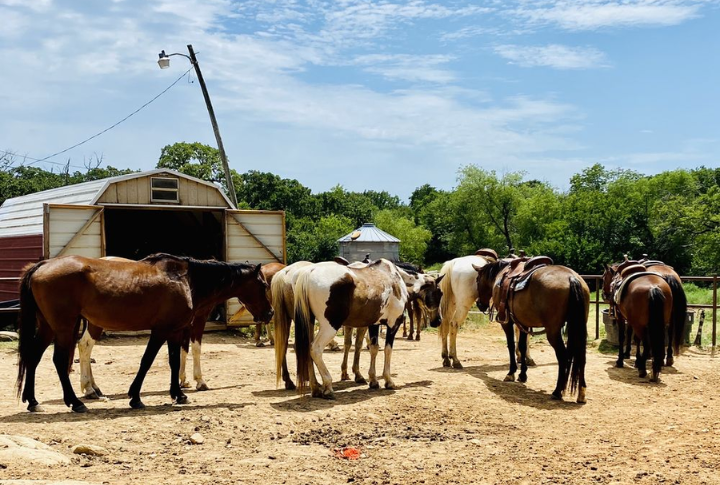
Quarter Horses, rodeos, and cowboy culture—Oklahoma delivers on all three. This state is home to more than 249,100 horses, many serving dual roles in ranch work and competition. Educational groups like 4-H and FFA help keep the tradition alive, which helps to ensure horse knowledge stays strong across generations.
Kentucky
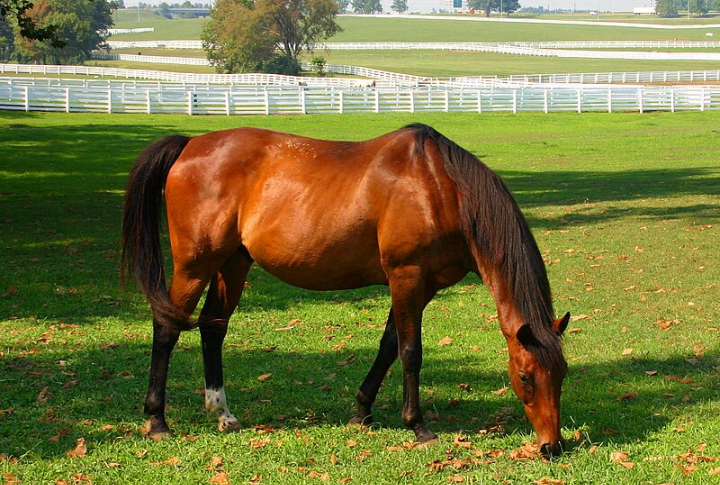
Some call it the thoroughbred capital of the world—and for good reason. Kentucky supports over 224,600 horses, with Lexington acting as a core for breeding and racing. Yet it’s not all Derby glamor; bluegrass farms, school programs, and veterinary schools keep the state’s equine economy galloping year-round.
Missouri
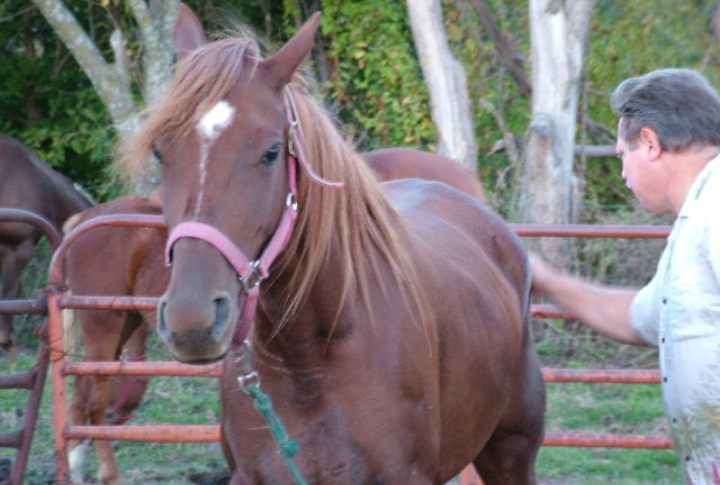
What do loggers and show riders have in common? Missouri. Home to around 200,000 horses, the state supports both hard work and showmanship. The Missouri Fox Trotter is native to this state and prized for versatility. Local competitions thrive alongside draft horse pulls. This bridges practical use and exhibition in an uncommon but enduring balance.
Ohio
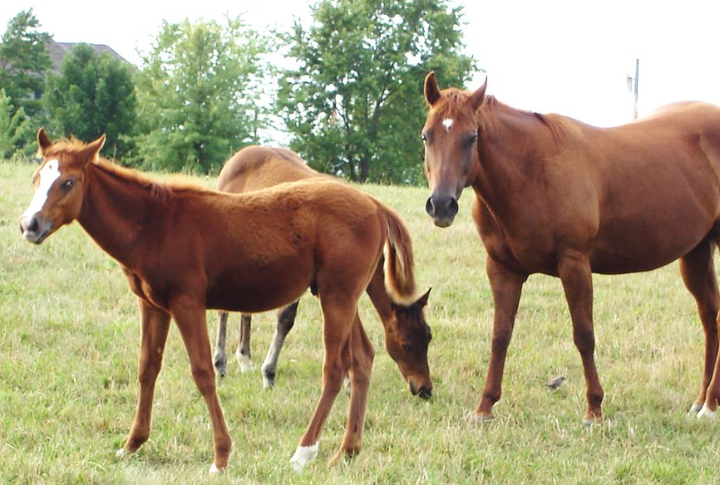
Harness racing fans already know Ohio’s legacy, but did you know that about 249,200 horses live here? It’s not just Standardbreds; weekend trail riders and working horses fill stables across the state. Rural and suburban stables keep Ohio’s horse culture surprisingly active.
Colorado
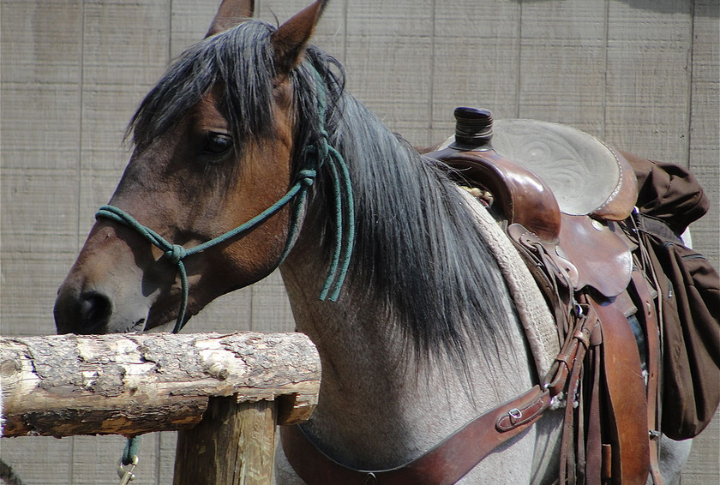
Altitude doesn’t slow Colorado’s equine scene. With approximately 180,600 horses, the state sees therapeutic riding programs and ranch operations in areas stretching from Boulder to Grand Junction. Tourism often intersects with horsemanship here, and that gives riders elevated experiences—literally and economically.
Pennsylvania
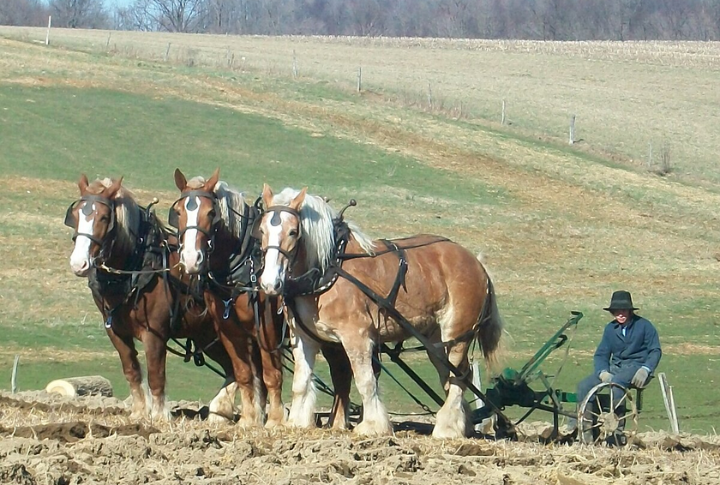
Old-world traditions give Pennsylvania a modern edge in horse counts. The state tallies over 223,628 horses, thanks largely to Amish communities using them for everyday tasks. Racing and sport horse programs also coexist with carriage teams and agricultural work here.
Washington
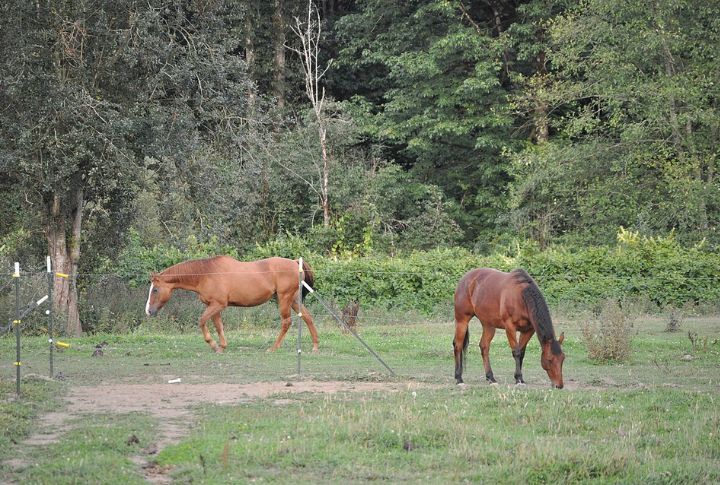
Climatic variation plays an important role in regional horse distribution. While western Washington’s wetness limits pasture use, the arid interior proves far more suitable for year-round training. The equine population currently stands at 171,500—an indicator of both demand and the state’s infrastructure for performance riding.
Tennessee
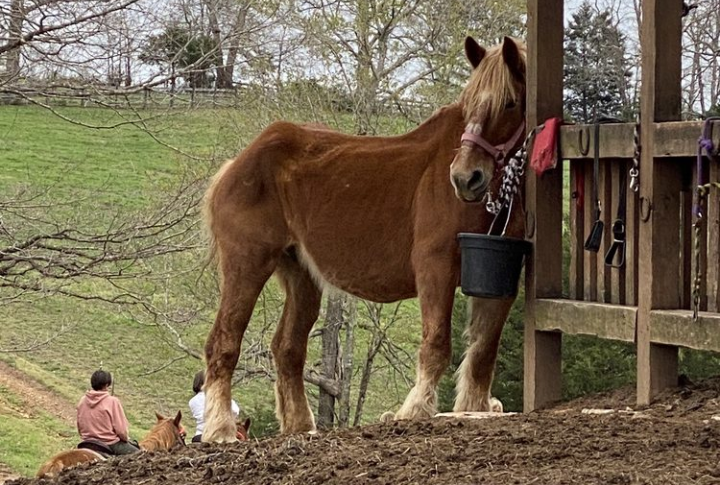
Tennessee is home to about 165,000 horses spread across farms and backyards. From Shelbyville’s show rings to quiet rural roads, these horses serve many roles—show, work, recreation, and pleasure. That variety fuels a strong, statewide love for horses that goes far beyond the spotlight.
North Carolina
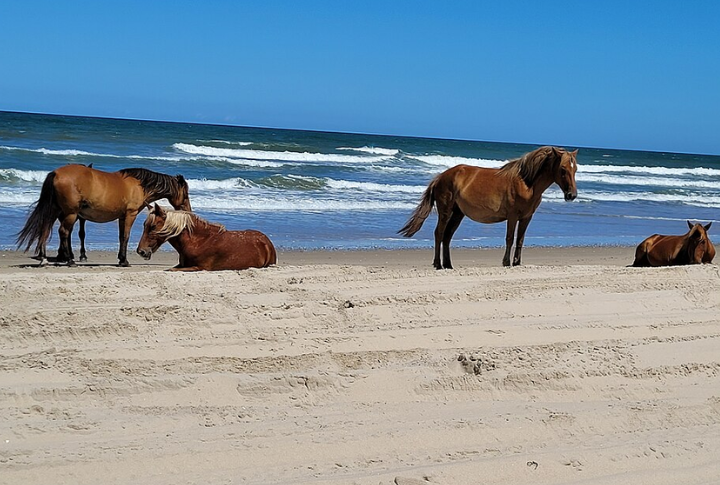
Riders can train for Olympic qualifiers or trot through centuries-old pine forests—all within the same state. North Carolina’s equine scene is as versatile as its terrain. About 256,000 horses are involved in breeding, recreation, and tourism, supported by hubs like Tryon and the wild herds of Corolla.
Michigan
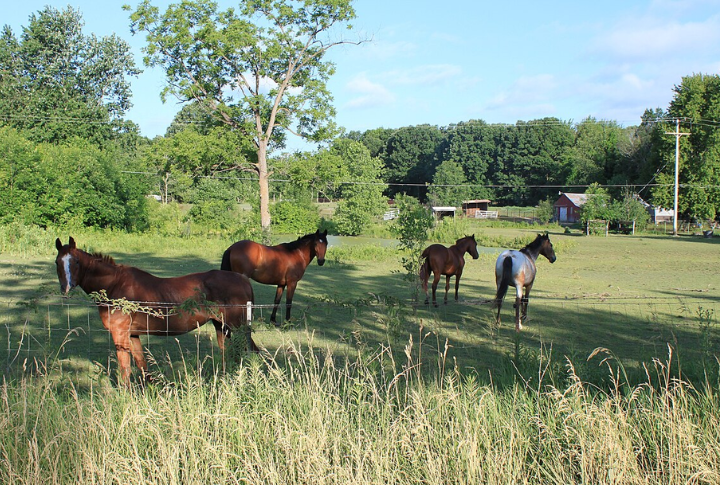
Don’t let the cold fool you. Michigan’s 183,500 horses are hard at work year-round. Young riders train in 4-H barns, and trail groups explore dense forests. With structured support and accessible land, horse culture in Michigan remains quietly yet consistently productive.
Arizona
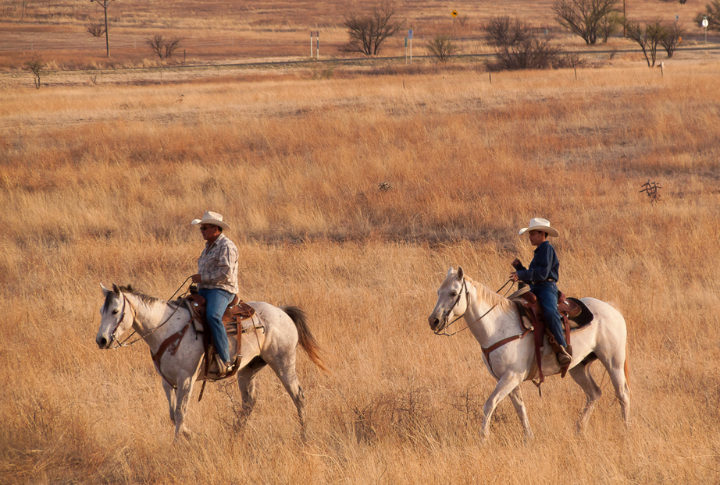
You wouldn’t think horses would enjoy desert life, but Arizona proves otherwise. Most rides happen early when the air’s still cool and the sun hasn’t fully kicked in. You’ve got everything here—tribal traditions and working ranches. Believe it or not, approximately 170,000 horses call the Grand Canyon State home.
New York
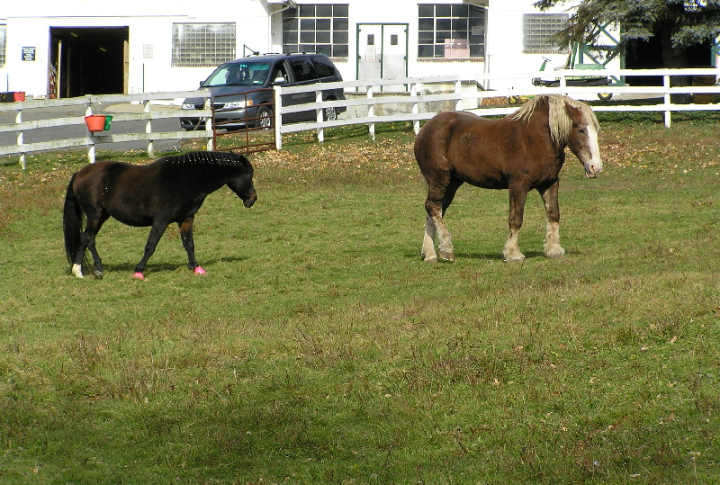
Wall Street has bulls, but Upstate has barns. New York’s 154,000 horses span the map—from racetracks to hunter-jumper fields. Public carriage operations keep them visible in Manhattan, while regional stables support an industry generating over $1.3 billion.
Virginia
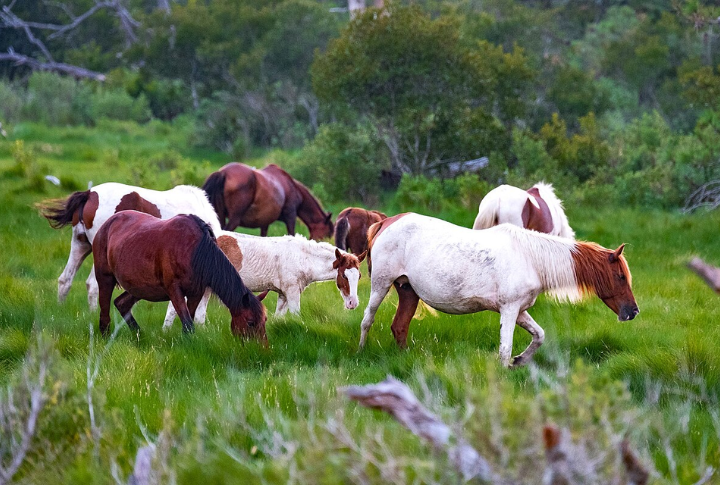
Think of a fox hunt over frost-tipped hills or a dressage show under colonial oak trees—Virginia makes both happen. With about 159,800 horses, it ranks 12th nationwide. Battlefield reenactments and scenic trail rides keep its equestrian heritage alive in competitions and countryside culture alike.
Wisconsin
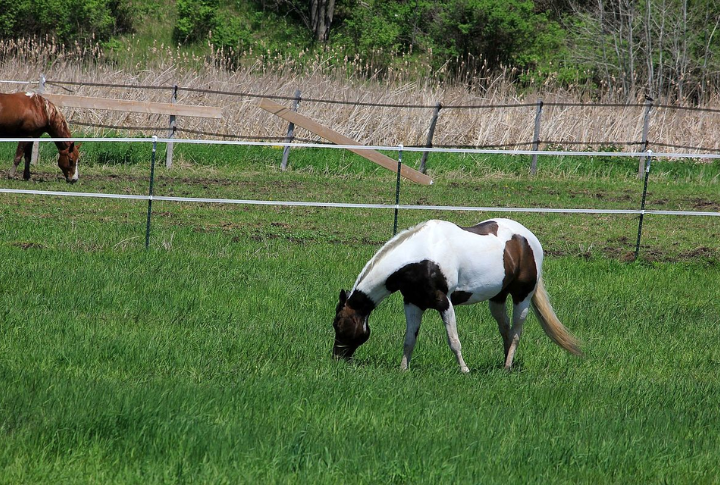
Look past the dairy farms, and you’ll spot barns full of equestrian activity. Riders across the state participate in trail rides, 4-H events, and therapeutic programs year-round. Wisconsin supports 135,700 horses, many contributing to agriculture and education while thriving on open land and public trail systems.
Indiana
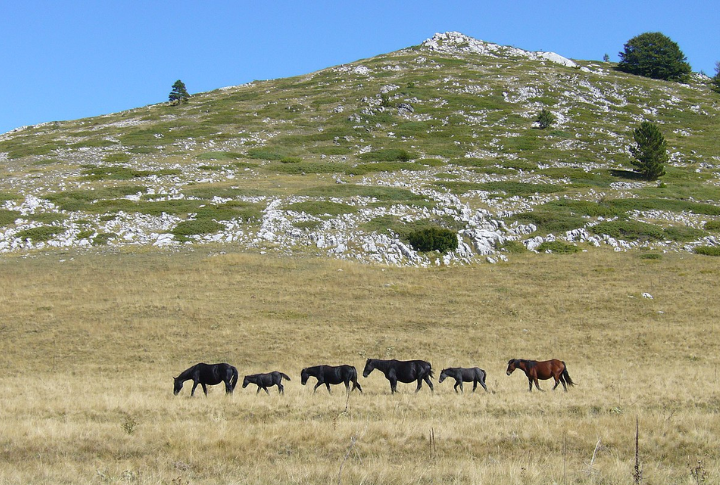
County fairs, rodeos, and flat-out racing—Indiana has it all. Roughly 160,000 horses contribute to both sport and daily work. The northern areas focus on breeding and harness racing, and the southern part rides strong with the rodeo tradition. Horses here move easily between competition and utility.
Georgia
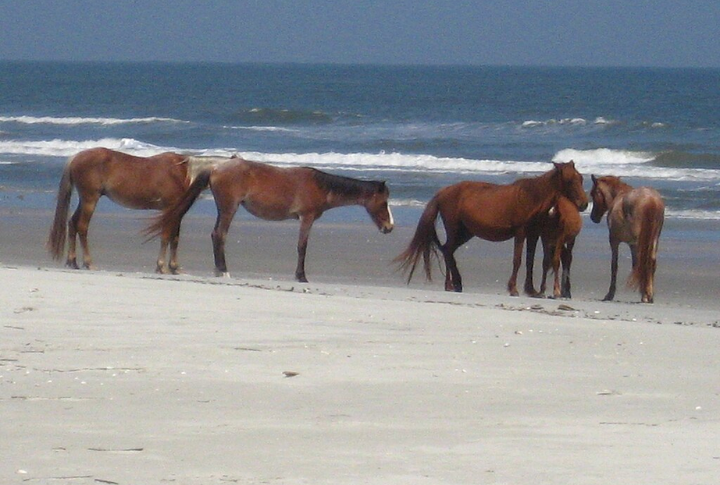
Georgia’s horse culture is alive in every corner—college arenas, kids in the saddle, and Olympic-level training grounds. Barns stay busy, and trails stay active. With over 250,000 horses across the state, the connection between people and horses remains strong and deeply rooted.
Illinois
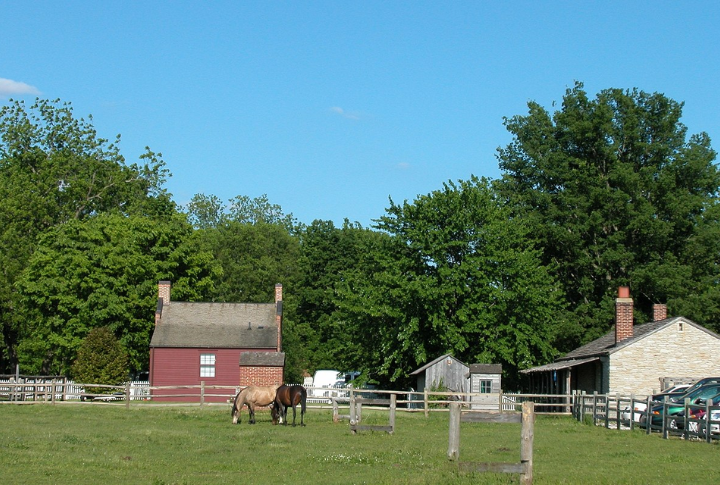
Balance defines Illinois’s 142,400-horse footprint. From Cook County’s suburban stables to the agricultural backbone of southern regions, horses live in diverse environments. Drill teams and community fairs anchor their use year-round. Even in snowy winters, this state proves it can keep pace with more horse-famous neighbors.