Lifestyle
Why Big Homes Still Matter To Many Retired Adults



Many Baby Boomers are rethinking what retirement should look like. Rather than follow the downsizing trend, they’re embracing space and familiarity. Changing economic realities and evolving roles in family life add even more weight to that choice. To understand the shift, here are 10 reasons why some older adults say “no thanks” to smaller homes.
Emotional Attachment To Their Homes

Some Boomers have lived in the same house since disco was popular. Over time, that place became more than just walls—it became birthday parties, scraped knees, and quiet coffee mornings. As a result, moving feels like leaving part of themselves behind.
Financial Considerations

For those who’ve paid off their homes, downsizing means bigger bills, not fewer. On top of that, HOA fees and fancy retirement buildings don’t come cheap. So, instead of saving, they could end up spending more. The numbers don’t lie; downsizing can be more spendy than savvy.
Space For Family Gatherings

Their house is where cousins crash, pies bake, and everyone yells “surprise” at birthday dinners with contagious laughter echoing through hallways. Boomers want space for sleepovers and noisy holidays filled with joy and shared memories. Downsizing would mean shrinking those cherished traditions, too.
The Rise Of Multi-Generational Living

Kids move back. Parents need care. Because of this, one house with three generations under one roof is becoming more common. Seniors are not downsizing because their homes now double as family headquarters. This modern twist feels more like a return to how families used to live.
Hobby And Leisure Space

Retirement isn’t about rocking chairs—it’s about projects. In fact, Boomers turn garages into art rooms or build home gyms where guest beds used to be. Downsizing would force them to give that up, and for many, that’s a hard no.
The Challenge Of Finding Suitable Alternatives
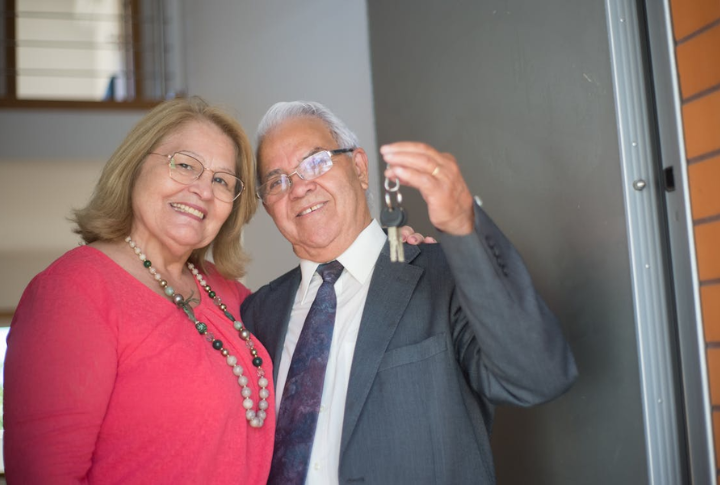
Finding a smaller home that checks all the right boxes is tougher than it sounds. Some places lack elevators, others have odd layouts, and the neighborhood still matters. Therefore, Baby Boomers aren’t ready to trade comfort for compromise.
Boomers Are Still Active And Independent

Independence is not measured by age but by a mindset planned to keep. Many Boomers are running businesses, traveling, and leading clubs. In other words, they’re not slowing down but just getting started. Downsizing feels off when life’s still in full swing.
Capital Gains Taxes On Home Sales

Selling a house they’ve owned for decades could mean owing a chunk to the IRS. Instead of cashing out, they’re choosing to stay and let their home’s value work for them. Consequently, homes sold above the IRS exemption threshold can trigger capital gains tax liabilities.
Rejection Of The “Old Person” Stereotype

Moving into a smaller home can feel like giving in to old age. However, some Boomers would rather upgrade with smart tech and bold design. They’re evolving and rewriting what “getting older” looks like—and it’s far from downsized.
Home As A Retirement Asset

In today’s economy, a home isn’t just shelter but a strategy. Rather than sell, many Boomers are turning their homes into money-makers. Whether it’s a rental or a loan, their house is now part of their financial plan.