Connect with us

Food & Drink

20 Delicious St. Patrick’s Day Desserts To Satisfy Your Sweet Tooth

Published

on

Katrin Morenz/Wikimedia Commons

St. Patrick’s Day is the perfect time to indulge in some sweet treats that are as festive as they are delicious. The flavors of mint, chocolate, and Irish cream fill the air, making every bite a celebration. Looking for some inspiration to make your holiday extra special? Keep reading and treat yourself to 20 irresistible desserts that will sweeten your St. Patrick’s Day celebrations.

Peppermint Shake
Daniel Torobekov/Pexels

This shake has a thick, creamy texture and a refreshing burst of peppermint, making it a seasonal favorite. Made with vanilla ice cream and milk, it’s the peppermint extract that gives it that signature flavor. Whipped cream and cherries make it delicious on their own, but for an added crunch, try crushed mint candies or chocolate shavings.

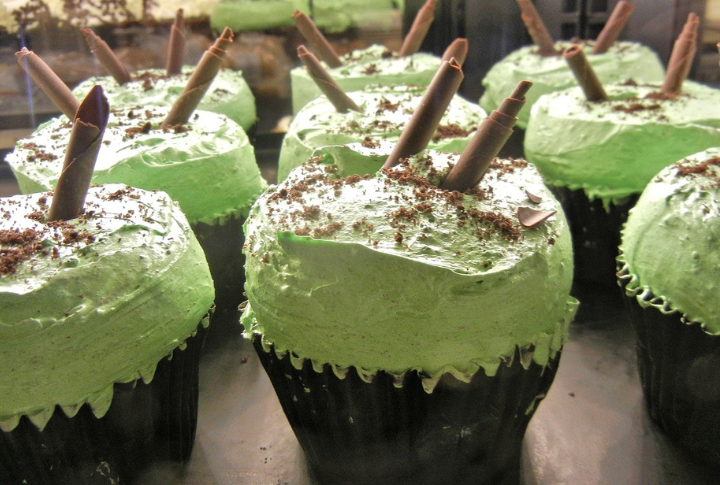
Shamrock Cupcakes
pixel1/Pixabay

Shaping cupcakes into shamrocks takes a little creativity. Heart-shaped muffin tins or marbles placed in liners help achieve the look. The cake itself is a classic vanilla or chocolate base, dyed green for the occasion. A nice swirl of buttercream frosting on top and festive sprinkles make them feel as lucky as they look.

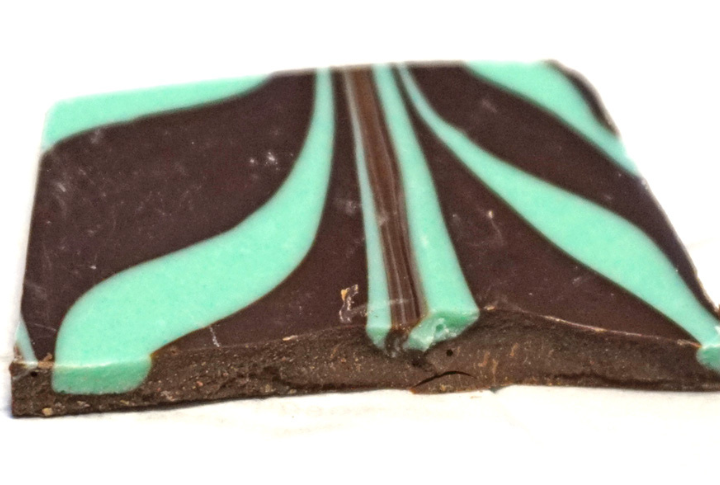
Grasshopper Bars
Tiia Monto/Wikimedia Commons

Mint and chocolate create a combination that’s bold yet balanced. These bars feature a fudgy brownie base. The addition of a cool mint cream layer and a glossy ganache topping make all the difference. Chill the bars before slicing for clean layers, making each piece just as beautiful as it is delicious. They always stand out on a dessert table.

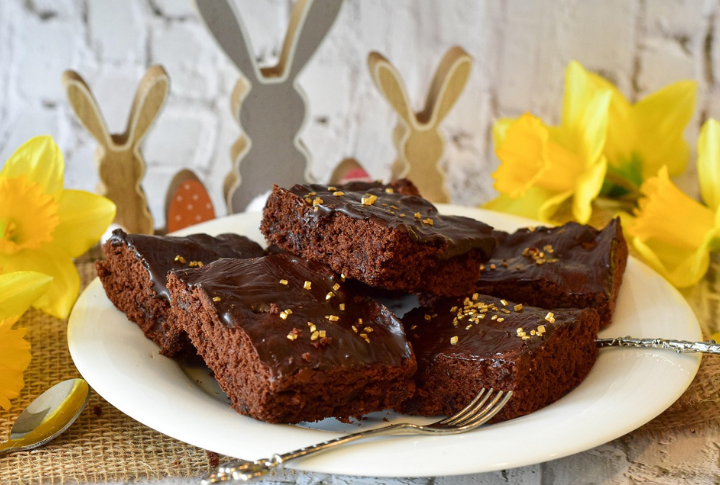
Guinness Brownies
RitaE/Pixabay

Stout beer enhances the depth, giving these brownies a rich and slightly malty flavor. Coffee adds a hint of bitterness and balances the sweetness for a well-rounded bite. Some bakers finish them with Bailey’s frosting, while others enjoy them plain. Either way, they deliver a deep cocoa experience perfect for the celebrations.

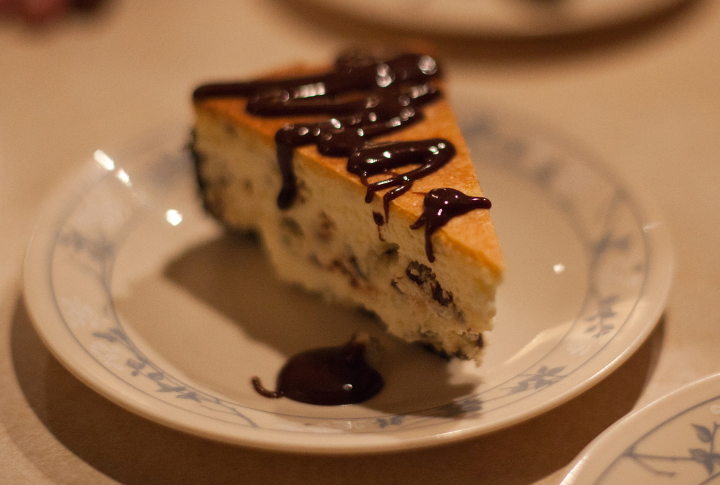
Mint Chocolate Chip Cake
Neil Conway/Wikimedia Commons

Fresh and rich flavors come together in this layered cake. Mint extract infuses the batter to create a cool and aromatic base. Chocolate chips add texture, while the light mint buttercream keeps things airy. Frosted to perfection, the cake brings just the right amount of sweetness to the table of any St. Patrick’s Day gathering.

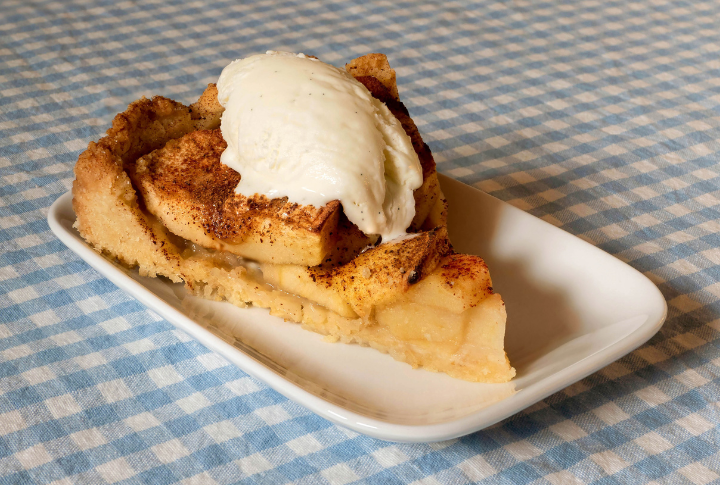
Irish Apple Cake
W.carter/Wikimedia Commons

A rustic dessert packed with spiced apple chunks and a tender crumb, this cake has been a favorite in Irish kitchens for generations. The hint of cinnamon brings warmth to the batter, while a drizzle of custard sauce over the top softens the texture and adds creaminess. Some versions are simply dusted with powdered sugar, so the flavors are classic and unfussy.

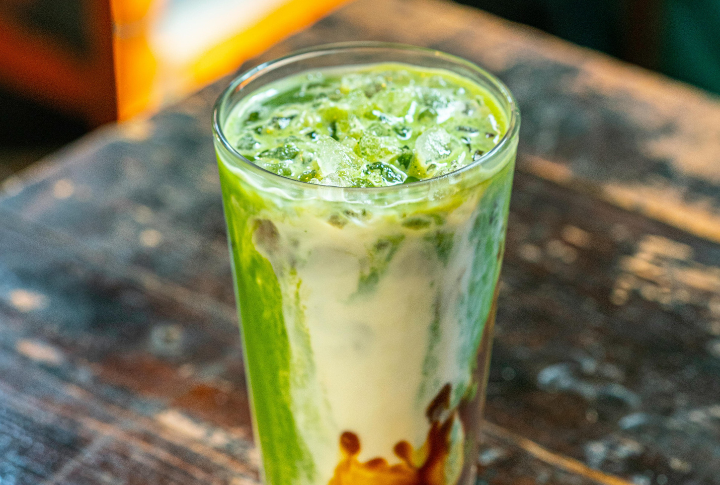
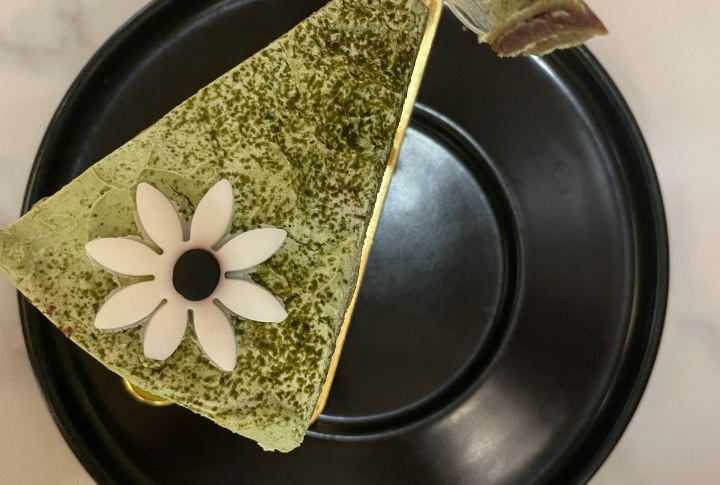
Matcha Green Tea Cake
Imdiha/Pexels

This light and airy cake is infused with matcha’s signature tea flavor, making it a perfect choice for St. Patrick’s Day with its natural green hue. The subtle bitterness of the matcha beautifully balances the cake’s sweetness, while a dusting of sifted powdered sugar adds a simple, elegant touch to the presentation.

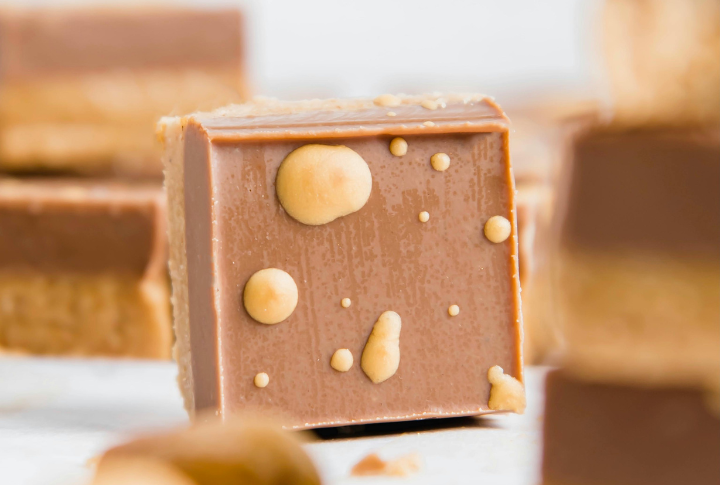
Baileys Irish Cream Fudge
Razane Adra/Pexels

This one is a creamy, melt-in-your-mouth treat that’s packed with rich chocolate and a smooth hint of Baileys. The secret to perfect fudge is a slow, gentle melt to achieve a velvety texture without graininess. Once firm, each square holds just the right amount of boozy sweetness, an irresistible addition to any dessert spread.

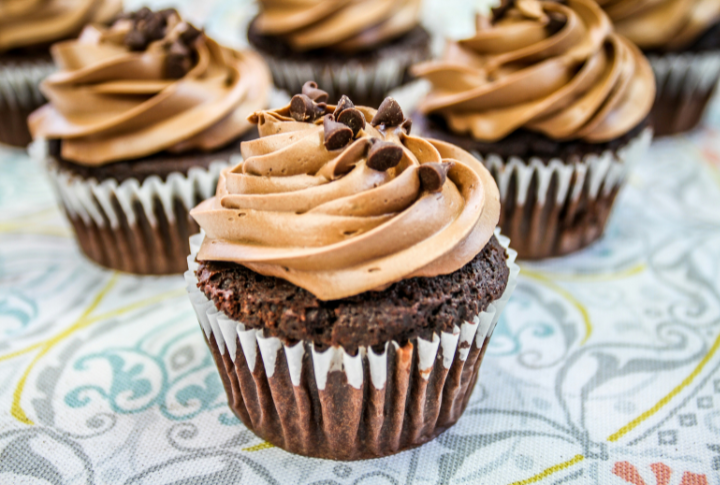
Irish Coffee Cupcakes
Mike Meeks/Unsplash

Inspired by the famous Irish coffee, these cupcakes bring together the deep flavors of coffee and whiskey in a bite-sized dessert. The espresso-infused cake offers a strong yet balanced bitterness, perfectly complemented by the warmth of a whiskey-spiked buttercream. A sprinkle of cocoa powder on top completes it.

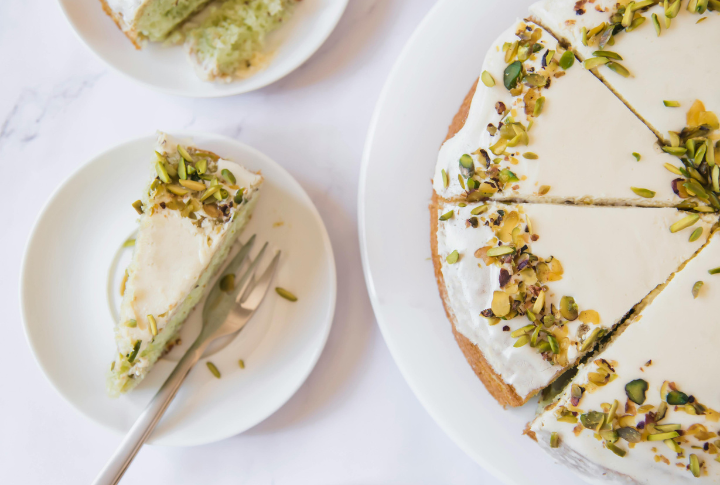
Pistachio Pudding Cake
Razane Adra/Pexels

A dessert that’s as soft as it is flavorful, this cake gets its moisture and distinct green color from the pistachio pudding mix. While pistachios are not traditionally Irish, the color makes them a popular choice for St. Patrick’s Day. The nutty, subtly sweet taste pairs well with a light vanilla frosting or some crushed pistachios for extra texture.

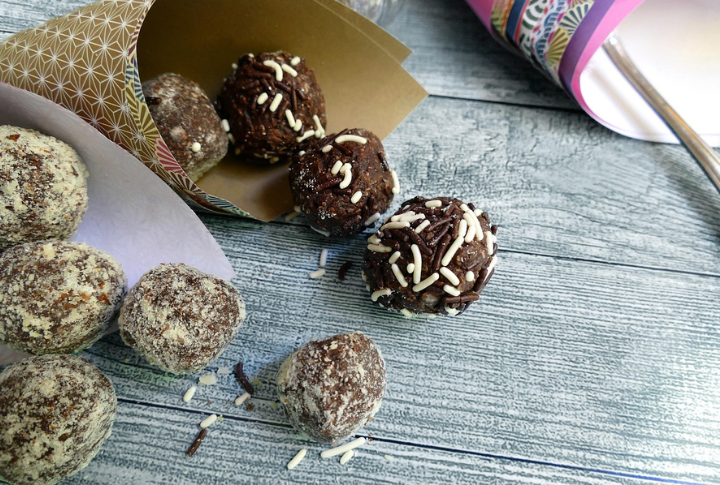
Mint Oreo Truffles
MissSuki/Pixabay

Chocolate and mint flavors mix well in these bite-sized truffles that require no baking. Crushed mint Oreos mix with cream cheese to form a smooth, creamy center, then get coated in a crisp chocolate shell. Add a drizzle of green-colored white chocolate or a sprinkle of crushed cookies to give them an extra festive touch.

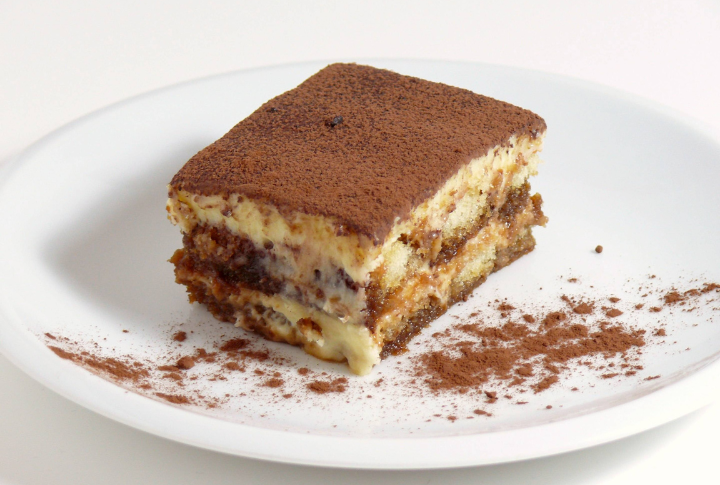
Baileys Tiramisu
Raffaele Diomede/Wikimedia Commons

This tiramisu swaps out traditional liqueurs for Baileys Irish Cream. While tiramisu originates from Italy, the addition of Bailey’s gives it a smooth Irish touch. Espresso-soaked ladyfingers provide a strong, slightly bitter contrast to the rich mascarpone filling. Each layer absorbs the flavors as it chills.

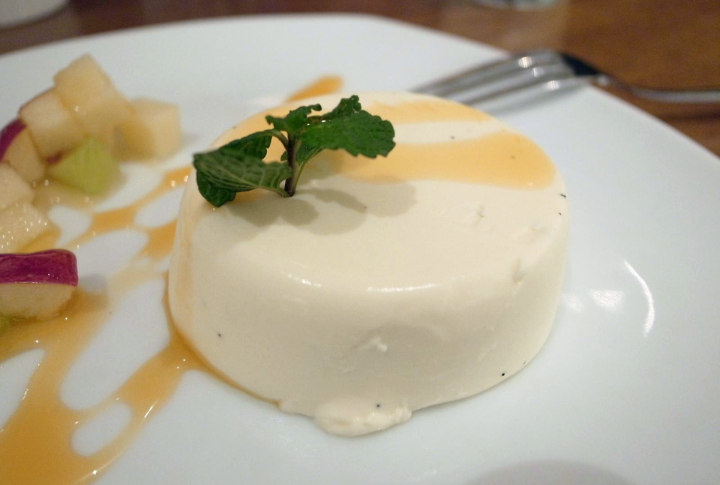
Irish Cream Panna Cotta
hiro/Wikimedia Commons

A silky, custard-like dessert that feels fancy but is surprisingly easy to make. The smooth base is lightly flavored with Irish cream, adding a subtle boozy depth to its delicate texture. Served chilled and topped with powdered cocoa or shaved chocolate, it’s an effortless yet elegant way to end a festive meal.

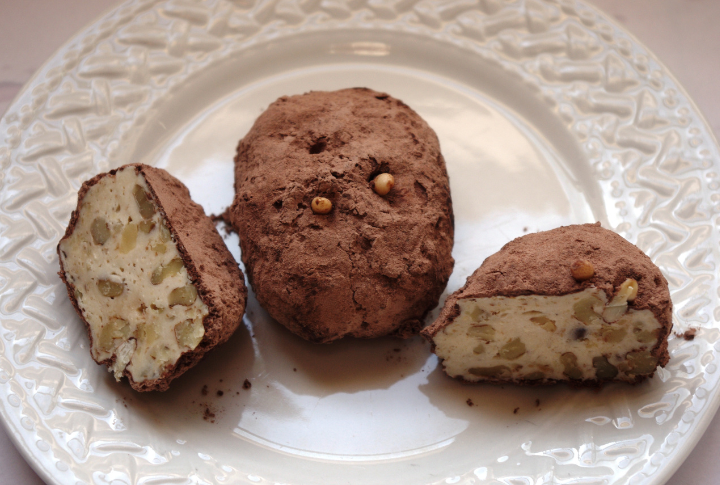
Potato Candy
Glane23/Wikimedia Commons

Old-fashioned treats often have the best surprises; potato candy is no exception. Mashed potatoes create a smooth texture with powdered sugar for a dough that rolls like fondant. Peanut butter is the classic filling, but modern variations with chocolate or Nutella add a fun twist. It’s simple and a guaranteed conversation starter.

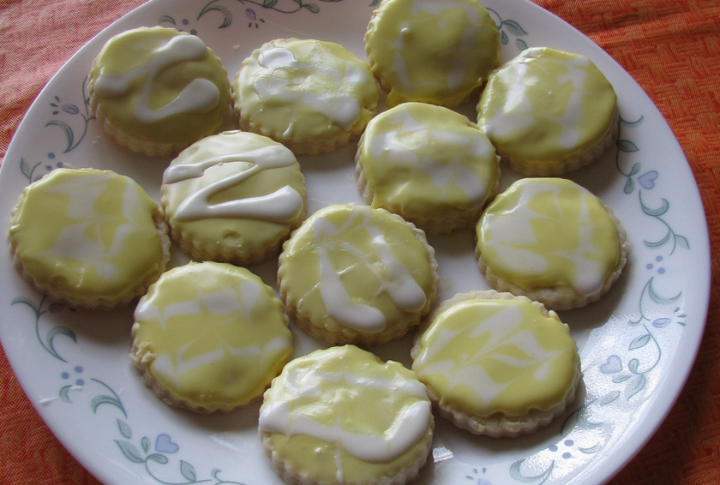
Lemon Shortbread Cookies
S. Mitchell/Wikimedia Commons

Bright citrus flavors lift the shortbread’s buttery richness and create a balance of crisp and melt-in-your-mouth textures. High-quality butter and a touch of cornstarch make all the difference. A sprinkle of lemon zest-infused sugar before baking brings out the natural zing, making them fresh and decadent.

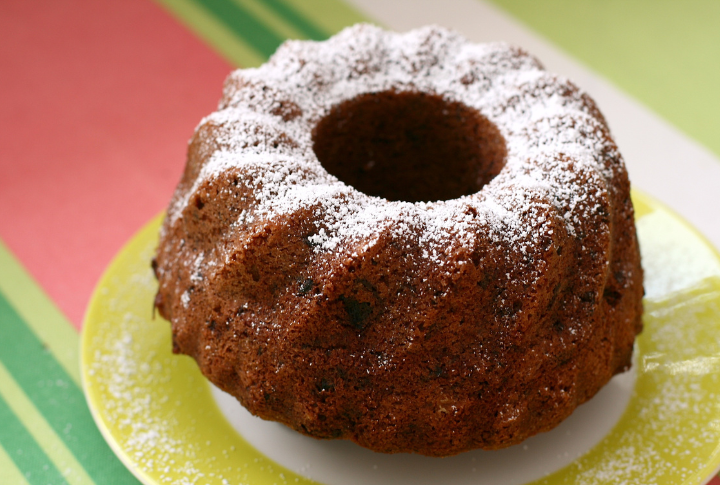
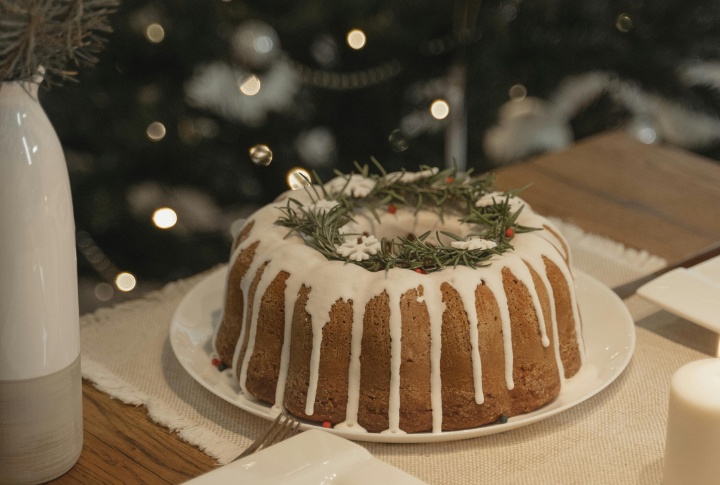
Mini Bundt Cakes With Maple Whiskey Glaze
Tima Miroshnichenko/Pexels

Elegant and personal-sized, these mini bundt cakes soak up the deep, caramelized flavors of maple whiskey glaze. The cake itself stays moist while the glaze seeps into the crevices to add warmth to every bite. Whether made with a vanilla or spice cake base, the flavors meld beautifully, making an irresistible dessert.

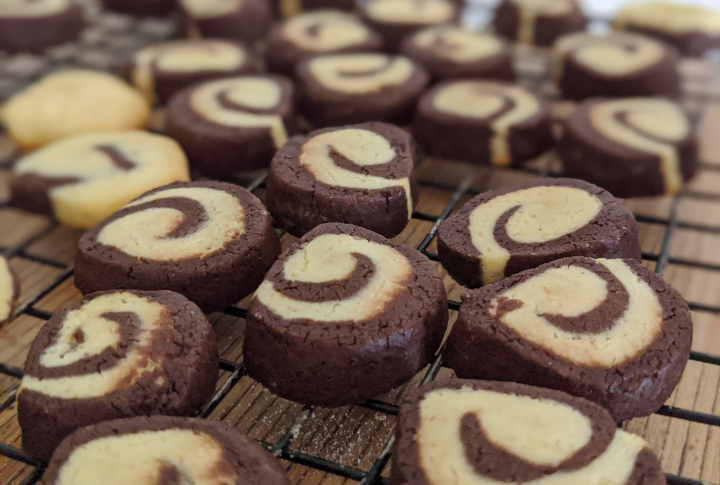
Pinwheel Cookies
Shisma/Wikimedia Commons

Rolling two layers of dough into a swirl creates a visually pretty and delicious cookie. Almond and vanilla extracts add depth to the buttery base. Chill the rolled dough before slicing to keep the pinwheels crisp and defined. Whether dyed green or kept natural, these cookies add a playful touch to any spread.

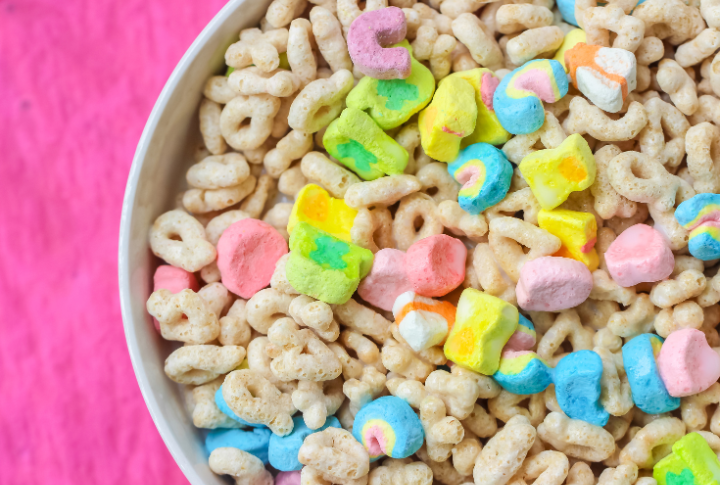
Leprechaun Bait
Sarah Mahala Photography & Makeup Artistry/Wikimedia Commons

While it has no traditional Irish roots, it has become a fun addition to St. Patrick’s Day celebrations in the U.S. A combination of popcorn, pretzels, and cereal gets coated in white chocolate and then tossed with green candies. The mix stays crunchy while offering sweet and salty flavors in every handful.

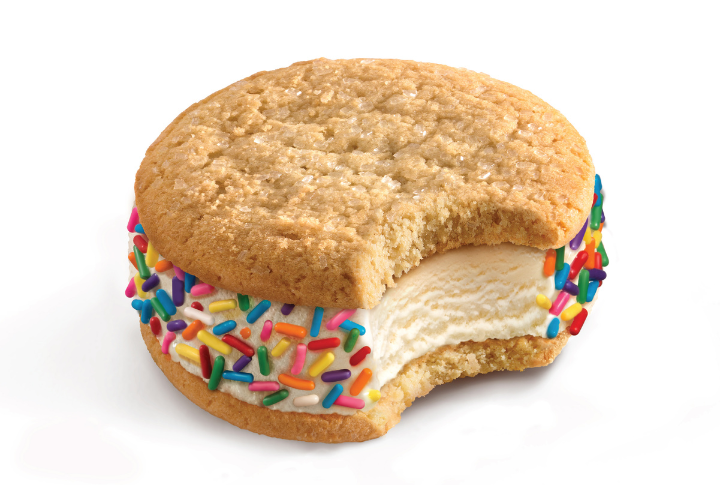
Lucky Charms Ice Cream Sandwiches
Crave Better Foods, LLC/WIkimedia Commons

Cereal milk ice cream captures childhood nostalgia. It is great to pair it with soft sugar cookies to take it to another level. The ice cream gets mixed with Lucky Charms marshmallows for a sweet, creamy texture. Roll the edges in extra marshmallow bits to add crunch, making each bite a mix of creamy and crisp.

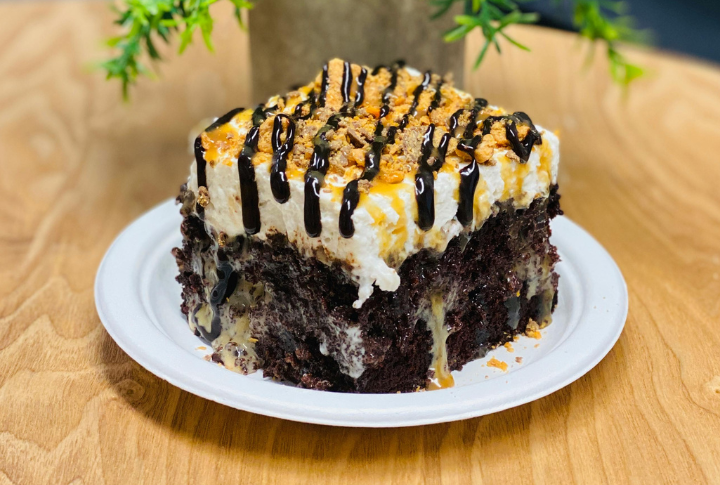
Baileys Poke Cake
Jared Kaeb/Pexels

Soaking cake with Baileys really is a game-changer. Poke cakes are a modern American dessert, but Baileys Irish Cream makes them perfect for St. Patrick’s Day. Once baked, small holes are poked into the cake for the rich Baileys-spiked filling to seep in. The result is an ultra-moist texture with deep flavor.

Continue Reading
Click to comment

Leave a Reply

Your email address will not be published. Required fields are marked *

Food & Drink

10 Food Items With Artificial Red Color

Published

on

Ivan Samkov/Pexels

Have you ever wondered why some foods have such eye-popping colors? The vibrant red in your favorite snack or dessert isn’t always from nature. Hidden in many everyday foods is Red 40, also known as Allura Red AC or E129, a synthetic dye that’s everywhere—and you might not even realize it. Let’s take a closer look.

Strawberry Yogurt

BrokenSphere/ Wikimedia Commons

Yogurt’s creamy pink hue mostly comes from Red 40 rather than strawberries. Many brands combine the dye with natural additives like carmine or beet juice to achieve this look. A typical portion contains 2–4 milligrams, creating a color more vibrant than nature alone provides.

Fruit Punch

Politikaner/ Wikipedia

Each glass of fruit punch may have up to 17.6 milligrams of E129. The electric red of this drink isn’t from a tropical fruit medley. While it makes the drink look festive, science says that heat and light can break down the dye and subtly alter its vividness over time.

Cherry Pie Filling

Benny Mazur/Wikipedia

Cherry pie filling is more artificial and less orchard magic. Since real cherry pigments degrade during high-heat processing, manufacturers turn to Allura Red AC—about 5–8 milligrams per serving—to ensure a bright, consistent red that stays picture-perfect on your dessert table.

Candy-Coated Chocolates

Amazon

Red 40 again does the heavy lifting on those glossy red shells on candy-coated chocolates. Around 3.2 milligrams per piece gives them their vibrant hue, with the dye bonding to sugary coatings through a precise layering process. It is as much art as it is chemistry.

Breakfast Cereals

Evan-Amos/Wikipedia

The colorful crunch of some breakfast cereals also owes its charm to this widely used additive. Fruit-flavored cereals bring joy to the breakfast table with those dazzling colors. Sprayed onto cereal pieces during production, the Red 40 can account for up to 14 milligrams per bowl. 

Red Velvet Cake

Hennem08/Wikipedia

A single serving of modern red velvet cakes can contain about 22.5 microunits of that dye. Historically, its color came as a result of a natural reaction between cocoa powder and buttermilk, but today, artificial coloring takes center stage.

Hot Cheetos

Scott Ehardt/Wikipedia

The fiery red coating on Hot Cheetos has around 12.7 milligrams of Red 40 per pack, which creates the snack’s dramatic appearance. This dye clings to the surface using an oil-based application, which ensures an unmistakable—and slightly messy—signature look.

BBQ Sauce

Number55/Wikimedia Commons

Many BBQ sauces achieve their rich red color with artificial dyes instead of relying solely on natural ingredients like tomatoes or paprika. A standard two-tablespoon serving typically contains 1 to 3 milligrams of dye. After cooking, these dyes intensify the color of the sauce. 

Pickled Foods

Amazon

Some pickled products, like maraschino cherries, also rely on Allura Red AC to achieve their saturated colors. During preservation, 4–6 milligrams of Red 40 infuse the food, creating a deep, lasting red that holds up against acidic brines and extended storage.

Popsicles

Lablascovegmenu/Wikipedia

Red popsicles owe their vibrant brightness to 13.4 milligrams of Red 40. Since the dye is designed to maintain its color in freezing conditions, it ensures every frozen popsicle remains visually appealing and bold, no matter how long it stays in the freezer.

Continue Reading

Food & Drink

10 Things You Didn’t Know About Hawaiian Coffee

Published

on

Christopher Michel/Wikimedia Commons

Hawaiian coffee has earned a reputation as some of the finest in the world, but there’s much more to this beloved brew than meets the eye. The history, unique growing conditions, and local farming practices all play a role in shaping the distinctive flavors that make Hawaiian coffee so special. Keep reading to discover why Hawaiian coffee continues to be a standout in the world of coffee.

The Origin Of Coffee Cultivation In Hawaii

Hawaiian Mission Children’s Society/Wikimedia Commons

In 1817, Don Francisco de Paula Marín introduced coffee plants to Hawaii, but his efforts didn’t yield success. It wasn’t until 1828, when Samuel Ruggles planted coffee in Kona’s fertile volcanic soil, that the seeds of Hawaii’s coffee legacy truly took root and flourished.

How Kona Coffee Earned Its Global Reputation

Michael Frankenstein/Wikimedia Commons

Kona coffee dazzled judges at the Vienna World’s Fair in 1873, earning a global spotlight. Known for its velvety body and vibrant acidity, this coffee stood out thanks to its ideal growing conditions. Even today, Kona’s reputation as “liquid gold” remains untarnished.

Unique Bean Varieties Exclusive To Hawaiian Farms

Ekrem Canli/Wikimedia Commons

Hawaii is home to the Kona Typica bean, a local twist on Arabica. This variety thrives in the islands’ volcanic soils and produces a flavor that’s uniquely Hawaiian—bright, nutty, and floral. Experimentation with new hybrid beans ensures this exclusivity stays fresh and exciting.

The Role Of Volcanic Ash In Soil Fertility

G.E. Ulrich, USGS/Wikipedia

Volcanic ash is the secret sauce for Hawaii’s coffee. Filled with essential nutrients like potassium and magnesium, it nourishes the soil and creates ideal growing conditions. It’s nature’s version of a gourmet seasoning, crafting coffee flavors you won’t find elsewhere.

How Microclimates Differ Across The Islands

Jacques Descloitres/Wikimedia Commons

Hawaiian coffee isn’t a one-flavor wonder. Each island offers its own microclimate—Kona’s sunny mornings and rainy afternoons contrast with Maui’s drier, breezy conditions. Even Molokai, with its semi-arid climate, produces beans with bold, earthy tones. No two cups are the same.

Traditional Vs. Modern Farming Techniques In Hawaii

Christopher Michel/Wikimedia Commons

Hand-picking ripe cherries is an age-old Hawaiian tradition that ensures quality, but modern drip irrigation systems now boost efficiency. For example, systems like Netafim conserve water while delivering nutrients directly to the roots. This harmony of tradition and technology elevates Hawaii’s coffee game.

The Impact Of Hawaii’s Small-Scale Farms On Quality

Christopher Michel/Wikimedia Commons

In Hawaii, coffee farms are boutique operations. Greenwell Farms, established in 1850, remains family-owned and renowned for its premium beans. Their hands-on approach means every bean is nurtured with care. The result? Coffee that’s rich, personal, and utterly unforgettable.

How Hawaii’s Geography Creates Pest Control Challenges

Earth Science and Remote Sensing Unit, Lyndon B. Johnson Space Center/Wikimedia Commons

Hawaii’s isolation doesn’t shield it from pests like the coffee berry borer. These invasive beetles wreak havoc on crops and force farmers to innovate with biological controls and meticulous farm management. It’s a battle that keeps Hawaiian coffee farmers on their toes.

Why Kona Coffee Is One Of The Most Expensive In The World

Christopher Michel/Wikimedia Commons

Kona coffee commands a premium price because it’s labor-intensive and exclusive. Farmers harvest by hand, and only beans grown in the Kona Coffee Belt qualify. With less than 1% of global coffee production, it’s no wonder a pound can cost over $50.

The Cultural Significance Of Coffee Farming

Gerardolagunes/Wikimedia Commons

The annual Kona Coffee Cultural Festival celebrates Hawaii’s coffee heritage with tastings, parades, and farm tours. Established in 1970, it draws thousands of visitors every year. This vibrant event honors farmers while showcasing Hawaii’s rich coffee culture to the world.

Continue Reading

Food & Drink

20 Restaurants That Served America’s Presidents

Published

on

Steven T./Yelp

Presidents don’t always dine in grand establishments—many have shared meals at humble, beloved spots across the nation. These restaurants offer a unique glimpse into presidential tastes and the casual side of American politics. Here are 20 modest eateries that served U.S. presidents.

Gadsby’s Tavern, Alexandria, Virginia

Beyond My Ken/Wikipedia

A dinner here wasn’t just a meal—it was a political event. Washington, Jefferson, and Madison once filled these candlelit rooms, their voices shaping a new nation. Today, preserved artifacts and colonial-era recipes remind guests that revolutions were planned over steaming plates of roast duck and ale.

The Log Inn, Warrenton, Indiana

Mary B./Yelp

Lincoln’s boots once tapped against these wooden floors as he grabbed a meal on his travels. Founded in 1825, this roadside stop served pioneers long before highways existed. Its unpretentious meals, including pork chops and thick cornbread, nourished men who built the country, one mile at a time.

Arthur Bryant’s, Kansas City, Missouri

Gregg N./Yelp

Barbecue in Kansas City has always been a serious business. Truman knew that, which is why he kept coming back. Arthur Bryant’s famous burnt ends were tradition. He stood in line like everyone else, eager for a taste of slow-smoked meat soaked in tangy sauce.

Antoine’s, New Orleans, Louisiana

Tiff T./Yelp

For Roosevelt, this restaurant was the heart of Creole cuisine. Secret doors led to hidden dining rooms where politicians held quiet discussions over plates of buttery oysters. The restaurant’s 19th-century origins made it more than a place to eat; it was a New Orleans institution.

Delmonico’s, New York City, New York

Tiffany T./Yelp

When Theodore Roosevelt dined here, he was eating at America’s first true fine-dining establishment. This was where the elite gathered, where waiters in crisp uniforms served Lobster Newberg, and where every meal felt like a statement.

Fraunces Tavern, New York City, New York

Jeff H./Yelp

Revolutions need meeting places, and this was one of them. Washington chose this very spot to bid farewell to his officers, surrounded by battle-weary men who had just won America’s independence. Today, its walls still carry the weight of those final words spoken over tankards of ale.

El Adobe De Capistrano, San Juan Capistrano, California

Beyond My Ken/Wikipedia

Before it became a restaurant, this adobe housed a courthouse, a penitentiary, and even a general store. Nixon did not care about its past—he came for the tamales and mole. Each visit, he sat in a quiet corner and savored flavors that echoed California’s deep Mexican roots.

Mader’s, Milwaukee, Wisconsin

Alyssa F./Yelp

When Kennedy visited Milwaukee, he didn’t leave without tasting its German roots. Mader’s was a stop that gave him a taste of the city’s immigrant history. He dined beneath medieval-style chandeliers surrounded by wood carvings, proof that America’s melting pot always had room for a little Bavaria.

Old Ebbitt Grill, Washington DC

Rob C./Yelp

Power and politics have always been on the menu here. Grant, Cleveland, and even modern leaders have found themselves at this oyster bar, just steps from the White House. Long before political dinners became performative, this was where deals were struck over fresh seafood and stiff drinks.

The Hubbell House, Mantorville, Minnesota

Nobu S./Yelp

Rutherford B. Hayes walked through these doors in the 19th century, back when Minnesota still felt like the frontier. The building itself—stone, sturdy, built to last—mirrors the no-nonsense dishes served inside. Steaks, thick and juicy, and crispy fried chicken made this a stop worth remembering.

Nathan’s Famous, New York City, New York

James M./Yelp

Coney Island’s most famous hot dog stand had a presidential fan. Franklin D. Roosevelt thought so highly of Nathan’s that he had its franks served at White House gatherings. A working man’s meal at a working man’s price, yet somehow, it found its way into the highest office in the land.

Buckhorn Exchange, Denver, Colorado

Joe M./Yelp

Roosevelt wasn’t one for dainty meals. At Buckhorn Exchange, he found a dining room where taxidermy stared back at him, and the menu featured items such as rattlesnake, elk, and buffalo. If a meal could take on the rough-and-tumble spirit of the West, this was it.

Dixon’s Famous Chili, Independence, Missouri

Tom K./Yelp

Chili was one of many things Truman had strong opinions about. He believed it should be simple, with no beans, no frills, just rich beef, some spice, and a handful of crackers. At Dixon’s, he ate it exactly that way, proving that sometimes, the simplest dishes leave the biggest impressions.

Princess Restaurant, Frostburg, Maryland

Bill T./Yelp

President Harry Truman and his wife, Bess, once dined at this historic establishment in the 1950s. Guests can relive that nostalgic era by enjoying diner-style fare in the ‘Truman’ booth, surrounded by vintage jukeboxes and historical images that show the essence of years past.

Martin’s Tavern, Georgetown, Washington DC

Pam D./Yelp

A booth at Martin’s is a piece of history. Legends say Kennedy proposed to Jackie here, but the restaurant won’t confirm it. What’s certain is that this was a place where Washington’s elite gathered, where conversations turned into legacies, and where crab cakes always arrived hot.

Mabel’s Lobster Claw, Kennebunkport, Maine

Marianne S./Yelp

Some restaurants are destinations. This one was just down the road from the Bush family summer home, making it a regular stop. Fresh lobster rolls, a dockside view, and a casual, no-fuss atmosphere made it clear—this wasn’t just a meal; it was a summer ritual.

The Firehouse, Sacramento, California

Samantha Z./Yelp

Once a working fire station, now a dining institution, this historic landmark has seen its share of celebrations. Reagan, a longtime patron, toasted milestones here, surrounded by bare brick and vintage chandeliers. Aged steaks and deep California wines with long conversations have long filled its dimly lit rooms.

Union Oyster House, Boston, Massachusetts

Lynn M./Yelp

John F. Kennedy had a favorite booth here, and it hasn’t changed. Established in 1826, this oyster house is the oldest continuously operating restaurant in America. Even today, it serves the same New England classics—clam chowder and fresh oysters—offering a taste of history with every bite.

Versailles, Miami, Florida

Tina X./Yelp

Politics and Cuban food go hand in hand here. Reagan, Carter, and Clinton all stopped by, but the real power players were the Miami exiles, debating the future of Cuba over strong cafecitos. Versailles was never just about the food; it was about the voices that filled the room.

Mary Mahoney’s Old French House, Biloxi, Mississippi

Jane G./Yelp

Before Lyndon B. Johnson dined here, this home had already stood for centuries. French colonial charm seeps into its thick brick walls while the scent of buttery crab claws and Creole gumbo drifts through the air. Some places don’t just serve meals—they serve history.

Continue Reading

Trending

Copyright © 2025 CityStateZipCode.com