Animals
10 Predators That Were A Match For The Mighty T-Rex

The T-Rex wasn’t the only dominant predator of its era. Some creatures, armed with strategy, speed, and power, were just as capable of taking on the mighty beast—and might have even outmatched it in certain ways. Let’s take a closer look at ten such examples.
Spinosaurus Aegypticus
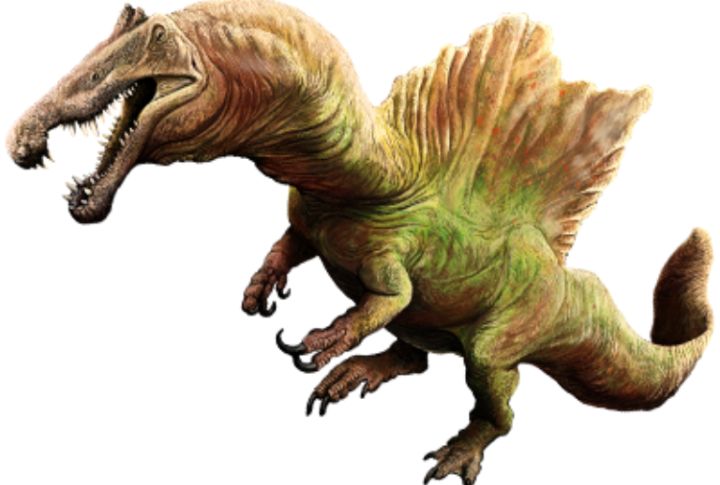
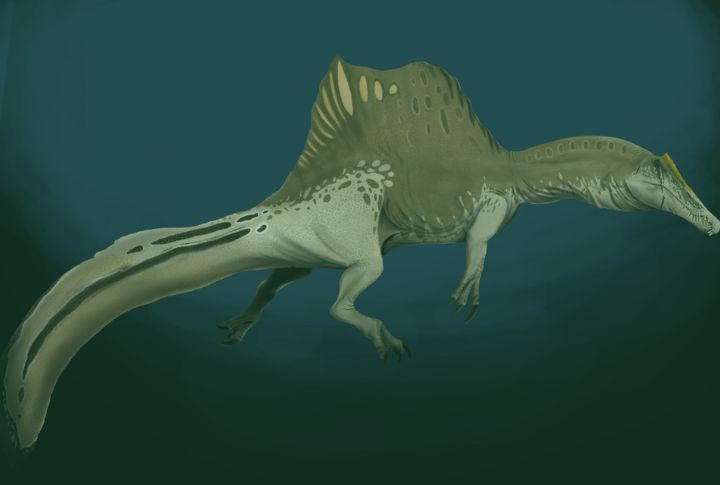
Could a creature with an aquatic edge and massive size outmatch the T-Rex? The Spinosaurus, with its crocodile-like snout, powerful swimming skills, and long, muscular arms, was a formidable predator. Its abilities as an amphibian, along with a large sail on its back, may give it an edge over the T-Rex.
Giganotosaurus Carolinii
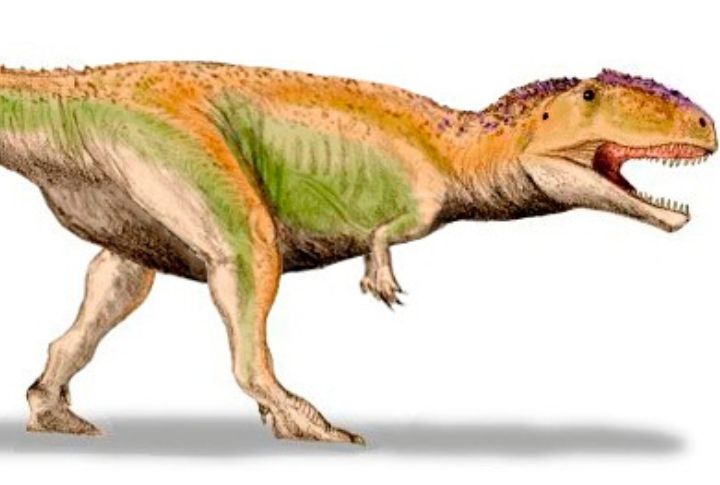
Giganotosaurus’s muscular build and speed made it an efficient predator. Its lean frame allowed for quick, precise attacks, and it was ideal for chasing down prey. In a direct confrontation with the T-Rex, Giganotosaurus’s agility and endurance could outmaneuver the slower, heavier dinosaur.
Carcharodontosaurus Saharicus
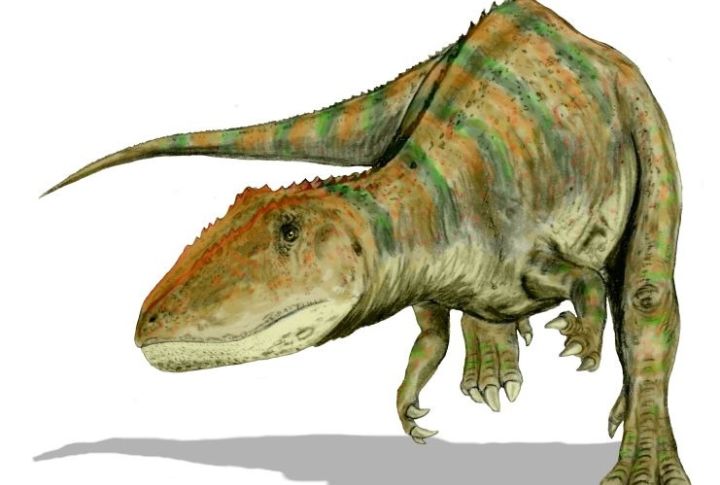
To defeat the T-Rex, Carcharodontosaurus relied on its speed, darting in and out of reach to land a fatal blow. The creature’s muscular build gave it the strength to overpower large prey while its shark-like teeth tore through flesh. That’s what made it an efficient predator.
Allosaurus Fragilis
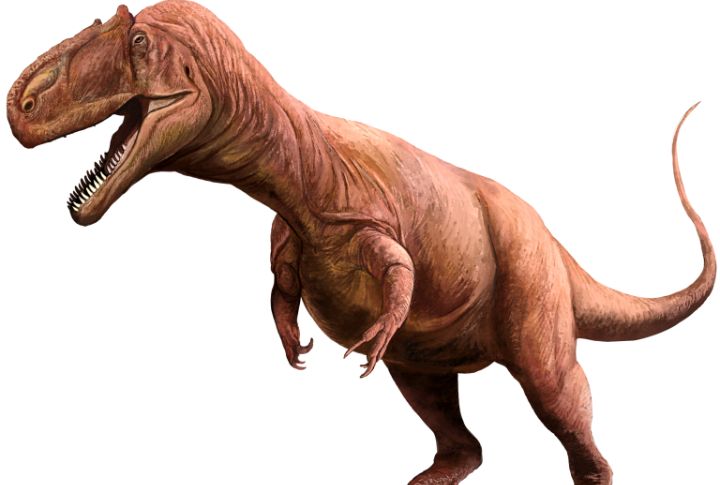
Faster, sharper, and more agile, Allosaurus may have been able to dodge the brute strength of a T-Rex. It employed a strategy of quick, lethal strikes to overwhelm its prey. With sharp claws and powerful jaws, Allosaurus was a threat in its own right—what would a showdown look like?
Megalosaurus Buckland
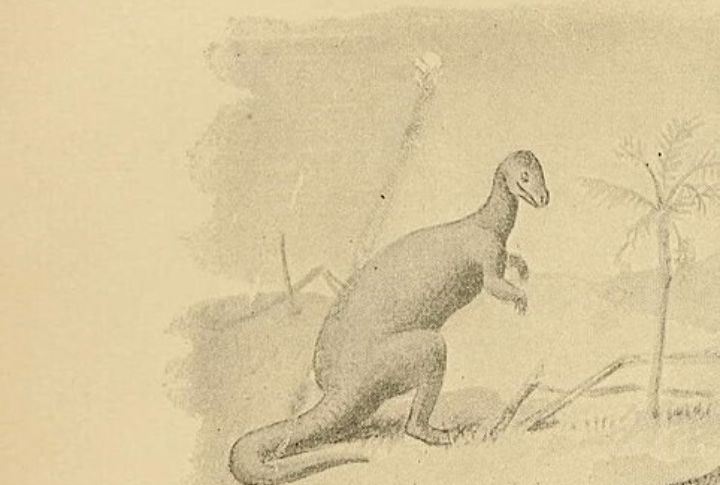
A heavyweight contender of its time, Megalosaurus could hold its own against smaller dinosaurs. Although it didn’t match the sheer size of a T-Rex, it was one of the first large predators to dominate that environment. Many assume its cleverness may have given it the upper hand in a fight.
Therizinosaurus Cheloniformis
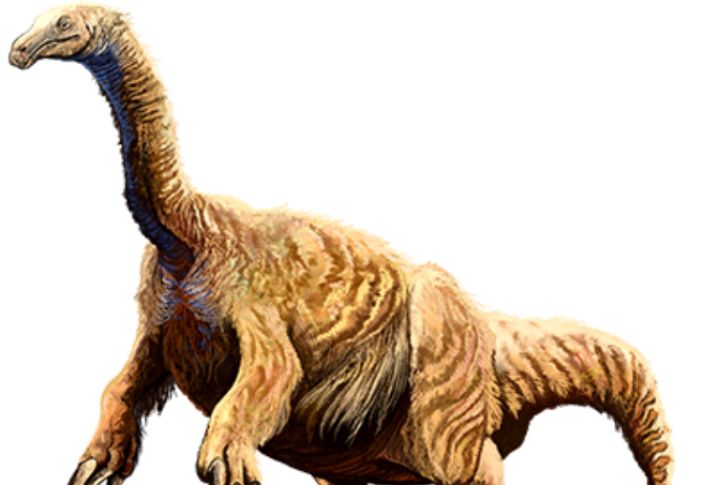
Though Therizinosaurus seemed more like a peaceful plant-eater, its sheer size and long claws were its hidden weapons. In a clash with the T-Rex, those claws may potentially have acted as an effective shield, and its unpredictable nature might have made it hard for the T-Rex to anticipate its next move.
Baryonyx Walkeri
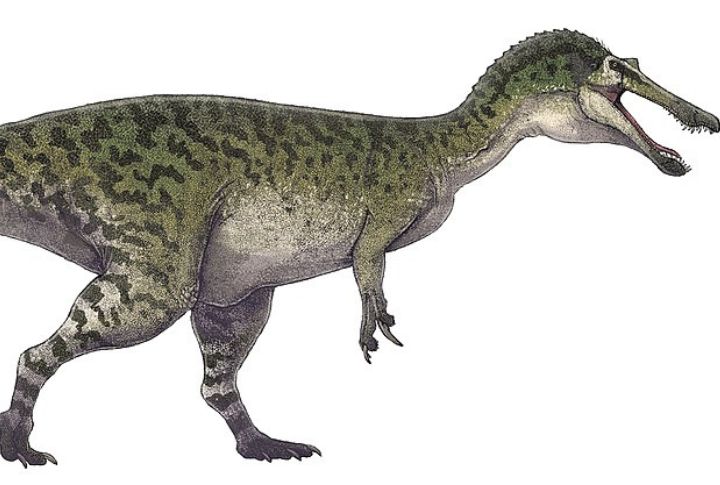
Baryonyx was a specialized predator known for hunting fish and large prey. Its long, crocodile-like snout was a deadly weapon. What if it faced off against the T-Rex? With its speed and sharp instincts, Baryonyx could surprise even the most dominant carnivores of its time.
Dakotaraptor Steini
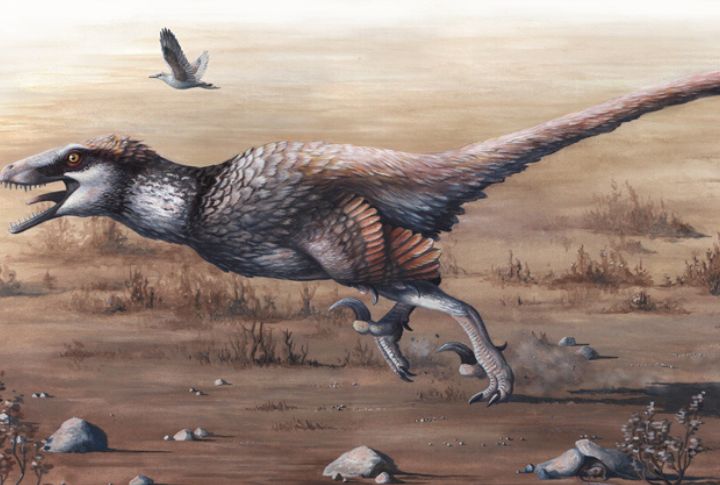
While the T-Rex dominated with its size, Dakotaraptor’s true strength lay in its speed and precision. Smaller but faster, it could use its agility to outmaneuver the T-Rex, striking fast and retreating before the larger predator could react, which would make it a difficult opponent to pin down.
Argentinosaurus Huinculensis
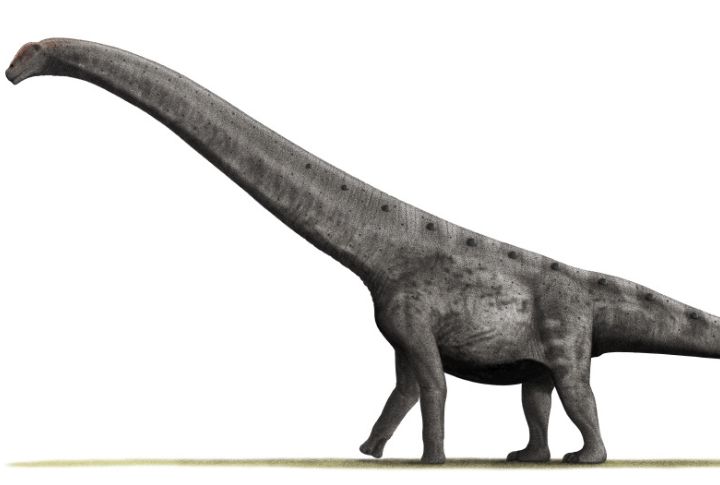
Argentinosaurus’s sheer size, reaching over 65 tons, would have made it nearly impossible for any predator, including the T-Rex, to overpower. Though it grazed on plants, its weight and mass may have been enough to fend off attacks simply by standing its ground.
Saurophaganax Maximus
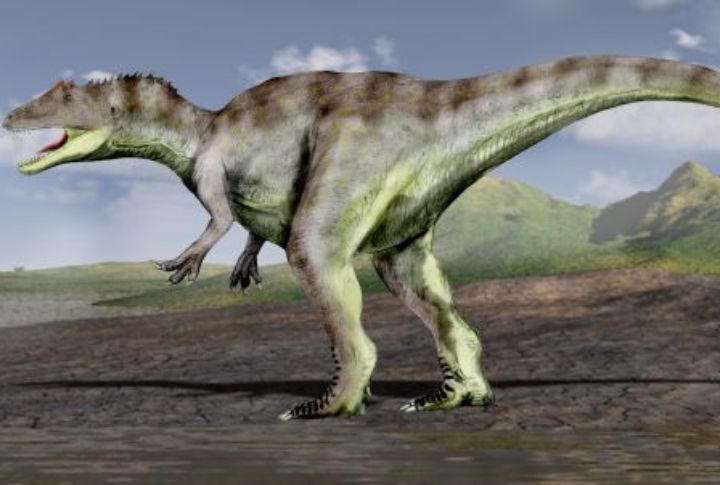
With teeth and claws designed for dispatching massive prey, Saurophaganax dominated the late Jurassic period. Its build prioritized power and speed. While it never faced the T-Rex, its physicality would have posed a serious challenge to any apex predator.

Animals
How Wolves Changed The Ecosystem Of Yellowstone National Park

You’d think adding a pack of wolves to Yellowstone would just mean more howling at the moon, right? Turns out, these predators didn’t just make noise—they completely turned the park around. So, let’s explore ten incredible ways wolves brought Yellowstone back to life and left paw prints on the park forever.
Wolves Put Elk On The Move

Predators keep prey alert, and Yellowstone’s wolves did just that. Elk, once grazing leisurely, began moving frequently to avoid becoming dinner. This shift reduced overgrazing in valleys and along rivers. By 1995, when wolves returned, the park was already struggling. Now, you can see healthier meadows and thriving aspen stands thanks to this natural chase.
Streams Began Flowing Freely Again

With fewer elk munching away, riverbanks regained their strength. Willows and cottonwoods sprang back to life, stabilizing soil and reducing erosion. In the late 1990s, riparian zones bounced back, which attracted beavers and songbirds. Rivers like the Lamar are perfect examples of how bringing wolves back gave Yellowstone’s waterways a much-needed breather.
Scavengers Got A Boost

Every wolf kill turned into a feast for Yellowstone’s scavengers. Animals like ravens and eagles thrived on the leftovers. These carcasses provided much-needed nutrition, especially during tough winters. In fact, scientists noticed an increase in scavenger populations around wolf territories. This way, wolves were feeding more than just themselves.
Beavers Made A Grand Return

Beavers were nearly gone from Yellowstone by the 1920s. Wolves brought them back indirectly by reducing elk grazing. With willows and aspens recovering, beavers found the building materials they needed. Soon, their dams started popping up again, which created ponds that supported fish, amphibians, and waterfowl.
Coyotes Lost Their Reign

Coyotes had been at the top of the food chain after wolves were eradicated in the 1920s, and their population exploded. But the return of wolves changed that. Within a few years, coyote numbers were cut in half. This allowed small mammals like rabbits and voles to rebound, further benefiting hawks, foxes, and other predators.
Grizzly Bears Found More Food

Yellowstone’s grizzlies were some of the biggest beneficiaries of the wolves’ return. Carcasses left behind by wolf packs provided a vital food source, especially during early spring when food is scarce. The regrowth of plants like berry bushes added another boost to their diets. Bears and wolves may not be friends, but they’re part of the same success story.
Insects Joined The Party

It wasn’t just big animals that benefited—tiny ones did, too. Wolf kills created nutrient-rich patches of soil as carcasses decomposed. Insects, like beetles and flies, thrived in these areas, drawing in birds and other insect-eaters. By 2000, researchers observed a notable increase in insect activity near wolf kill sites, strengthening the park’s food web from the ground up.
Tourism Thrived Thanks To Wolves

Wolves became a major draw for tourists. Visitors eager to see these iconic predators in the wild boosted Yellowstone’s tourism industry significantly. Around the early 2000s, wolf-related tourism added an estimated $35 million annually to local economies, further supporting businesses and jobs while showcasing the park’s revitalized wildlife.
Research And Education Flourished

Yellowstone’s wolf reintroduction became a global case study in ecosystem restoration. Scientists flocked to study the wolves’ cascading effects to uncover lessons in predator-prey dynamics. Over 150 studies have been published on the topic, influencing conservation strategies worldwide. This remarkable success story continues to inspire rewilding projects everywhere.
The Controversies Surrounding Yellowstone’s Wolves

Not everyone cheered the wolves’ return. Ranchers near Yellowstone worried about livestock losses, claiming wolves posed a threat to their livelihood. Some even pushed for culling programs. Hunters argued that wolves reduced elk herds too much, which impacted sport hunting. Despite these concerns, studies showed that wolves actually balanced wildlife populations.
Animals
10 Landmark Wildlife Conservation Efforts In North America

North America is home to diverse ecosystems and wildlife, but many species face significant threats. Over the years, dedicated conservation efforts have played a key role in protecting wildlife and their habitats. Here are 10 landmark conservation efforts that have helped safeguard the region’s natural heritage.
The Endangered Species Act Became A Lifeline For Wildlife

The Endangered Species Act (ESA) was a turning point for conservation after being signed into law in 1973. It granted lawful protection to species on the brink of elimination and restored populations like the bald eagle and gray wolf. Without it, many iconic species might have vanished forever.
North America’s Unique Conservation Model

What if wildlife belonged to the people instead of private landowners? That idea shaped the North American Model of Wildlife Conservation and ensured that animals like elk and waterfowl thrive under public trust. This model, built on science and sustainable use, revolutionized conservation policies.
Migratory Birds Gained International Protection

A century ago, unchecked hunting nearly wiped out species like the snowy egret. The 1918 Migratory Bird Treaty Act changed that and banned the unregulated elimination of birds across North America. Today, millions of birds follow their ancient migration routes safely, thanks to this cross-border agreement.
Marine Mammals Gained Protection From Exploitation

Imagine a world without whales, seals, or sea otters. That was a real issue before the Marine Mammal Protection Act of 1972, which banned their hunting and harassment. Since then, populations like the gray whale have rebounded and shown that strong legislation can reverse the decline.
National Wildlife Refuges Became Safe Havens For Species

It started with a single bird sanctuary in 1903, but today, the National Wildlife Refuge System spans over 150 million acres. These protected areas provide homes for everything from monarch butterflies to grizzly bears, which ensures critical habitats remain untouched.
The Lacey Act Took Aim At Unlawful Wildlife Trade

Smugglers and poachers once traded wildlife with few consequences. The 1900 Lacey Act changed that by criminalizing the transport of unlawfully taken plants and animals. This remains one of the toughest laws against wildlife trafficking, safeguarding species from exploitation.
Wetlands Conservation Became A Priority For Migratory Birds

Why do North America’s ducks still have healthy breeding grounds? The 1989 North American Wetlands Conservation Act provided funding to restore and protect wetland habitats. These efforts support countless bird species while improving water quality and flood control.
A Conservation Corridor Stretched From Yellowstone To Yukon

Spanning from Wyoming to the Arctic, the Yellowstone to Yukon Conservation Initiative is among the most ambitious wildlife connectivity projects in North America. Since 1993, it has restored migration pathways for large mammals like grizzlies and caribou to move freely across vast mountainous landscapes.
Amphibians and Reptiles Received Long-Overdue Attention

Frogs, turtles, and salamanders often get overlooked in conservation. That’s why the 1999 Partners in Amphibian and Reptile Conservation initiative changed that by focusing on habitat restoration and pollution control. These small creatures play a big role in healthy ecosystems.
A Bold Plan Aims To Protect 30% Of U.S. Land And Waters

By 2030, the U.S. plans to conserve nearly a third of its natural landscapes through the America the Beautiful Initiative. Grounded in community involvement and ecological restoration, the effort strengthens environmental resilience while securing vital habitats for future generations.
Animals
20 Wild Animals That Are Banned As Pets In Most States

Wild animal ownership comes with challenges, and many species are banned in various states as pets. While some may appear tame, their instincts and needs make them unsuitable for domestic life. Here are 20 wild animals you can’t legally own in some U.S states.
Lions

Owning a lion isn’t just unlawful in many states—it’s a disaster waiting to happen. These massive carnivores require up to 15 pounds of meat daily and roam over 100 square miles in the wild. No enclosure in a backyard can replicate the space they need.
Wolves

Wolves don’t behave like oversized dogs; their wild instincts remain intact regardless of their upbringing. Many owners underestimate their need for dominance. Notably, states like Georgia, Michigan, and New York have outlawed ownership, with bans often targeting hybrids.
Primates (Chimpanzees, Monkeys, etc.)

While incredibly intelligent, their unpredictability and aggressive tendencies make them unsuitable as pets. Adult chimpanzees, for instance, are 1.5 times stronger than humans and have ambushed owners in gruesome cases.
Alligators

Raising an alligator is like trying to tame a dinosaur—futile and reckless. These reptiles grow up to 15 feet long and strike with lightning-fast precision. States such as Oregon, Hawaii, and Vermont prohibit private ownership to prevent dangerous encounters.
Raccoons

Many think raccoons can be playful and affectionate pets until they start tearing through drywall and biting their owners. Their sharp teeth and high rabies risk make them a public health hazard, while their potential to carry rabies and parasites adds health risks.
Squirrels

Some animals simply aren’t meant for cages, and squirrels are one of them. These hyperactive rodents need constant space to climb and explore. Confined environments cause stress and cause erratic and destructive behavior.
Tigers

Weighing up to 600 pounds, tigers remain among the deadliest land predators. Even in captivity, they retain their instinct to ambush prey and require territories spanning several miles. Numerous incidents involving attacks and escapes have led to bans.
Bears

A bear’s sheer strength is impossible to control. It can break through reinforced enclosures, outrun humans and maul with devastating force. Even well-fed captive bears remain unpredictable, and when they attack, the results are almost always fatal.
Kangaroos

Built for speed and combat, they are more than exotic-looking creatures. The males use powerful hind legs to deliver bone-shattering kicks, especially during dominance battles. Notably, while most states ban them as pets, some states, like Texas, allow them with legal permits.
Leopards

Stealthy, silent, and impossibly fast, leopards strike before their prey even knows they’re there. Unlike lions or tigers, they prefer solitude and don’t adapt to human interaction. No amount of training or bonding can remove their natural instinct.
Iguanas

Often purchased as small pets, they grow over six feet long and require large enclosures and specific diets. Their sharp claws and powerful tails can injure handlers, and aggressive behavior emerges when territorial.
Eagles

An eagle is dangerous and not allowed as a pet by law in most states. With talons strong enough to crush bones, these birds of prey are built for soaring, hunting, and ruling the skies. Keeping one in captivity denies it the ability to fly freely.
African Clawed Frogs

Despite their small size, these amphibians introduce major ecological risks when released into non-native environments. Highly adaptable and prolific breeders, they disrupt local ecosystems and spread fungal infections that harm native frog populations.
Deer

A calm-looking deer can turn aggressive, especially during mating season when males charge with sharp antlers. While most states don’t allow it, keeping deer as pets is legal with permits in states like Idaho, Florida, and Wisconsin, with varying regulations.
Lynxes

Designed for stealth and survival, lynxes excel at ambush hunting. Their retractable claws and powerful hind legs allow them to pounce with extreme force. Unlike domestic cats, they do not form social bonds with humans.
Bobcats

Bobcats may be smaller than leopards, but they are just as fierce. They are ambush hunters, taking down prey much larger than themselves with raw power and agility. When in captivity, their territorial aggression makes them completely unmanageable.
Wild Turkeys

Typically non-aggressive, they can exhibit assertive behaviors during mating season, especially males establishing dominance. They may become more territorial and display increased aggression. Some states, like Maine, prohibit keeping wild turkeys as pets.
Foxes

Keeping a fox as a pet is a lesson in frustration. They mark everything with an overwhelming musky scent and resist training. Even when raised in captivity, they still have their wild nature with many states banning them.
Zebras

Despite their resemblance to horses, zebras resist domestication. Their unpredictable temperament and strong herding instincts make handling dangerous. Kicks from a zebra can break bones, and their need for wide-open plains cannot be met in captivity.
Venomous Reptiles

Even experienced handlers risk fatal bites when dealing with venomous reptiles. Cobras, vipers, and Gila monsters deliver toxins that cause paralysis or tissue destruction. In addition, accidental escapes put communities in danger.
-
Travel6 days ago10 Remote Hideaways Scattered Across The Great Basin
-
Cities2 months ago15 US Cities Where You Can Live Car-Free with Ease
-
News6 months ago10 Stunning Abandoned Rail Lines Across America You Have To See
-
Education1 year ago15 Surprising Items You Can Borrow from the Library
-
History6 months ago20 Phrases From The Vietnam War That Still Resonate Today
-
States2 months ago15 Secret Underground Tunnels Across the U.S.
-
Lifestyle8 months ago10 Ways To Release Guilt From Former Relationships
-
Cities1 month agoMust-See Places on Your Boston to Bar Harbor Road Trip