Health
10 Surprising Causes of Hair Loss You Might Be Overlooking

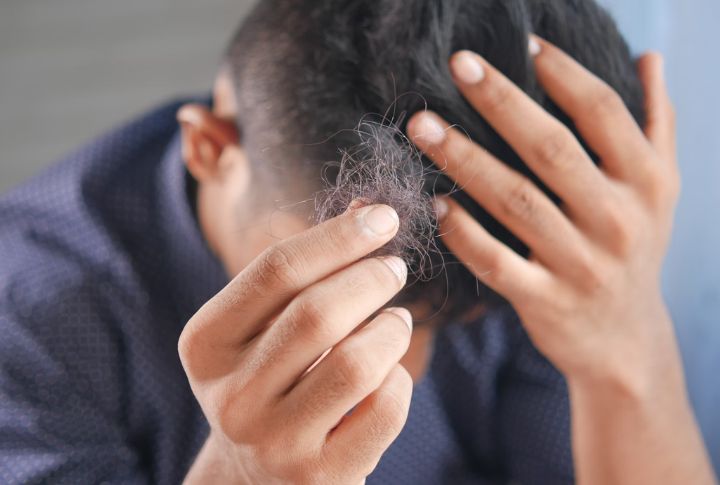
Hair loss often lurks in unexpected corners of our health beyond the usual suspects of genetics and aging. While we’re quick to blame stress levels, the real culprits might be hiding in plain sight. Recent medical research has uncovered surprising links between everyday health factors and that concerning piles of hair in your shower drain. Here’s what modern science tells us about the lesser-known triggers behind hair loss.
Telogen Effluvium

Physical trauma or emotional distress can abruptly disrupt your hair’s natural growth cycle, forcing follicles into premature dormancy. Significant events like surgery, childbirth, or extreme weight loss often trigger widespread shedding. While it is reversible, the recovery depends on identifying and addressing the underlying stressor.
Nutritional Deficiencies

Your hair craves specific nutrients to maintain strength and vitality. Critical shortages in iron, zinc, or protein can trigger progressive thinning and shedding. Crash diets and restrictive eating patterns frequently deplete these essential building blocks. Strategic nutrition through whole foods offers the most sustainable path to recovery.
Thyroid Disorders

Both hypothyroidism and hyperthyroidism wreak havoc on hair growth by disrupting intrinsic metabolic processes. Whether your thyroid is underperforming or overactive, the impact manifests as widespread thinning or pronounced shedding. Blood tests can confirm suspicions, while proper medication typically restores normal growth patterns within a few months.
Hormonal Imbalances
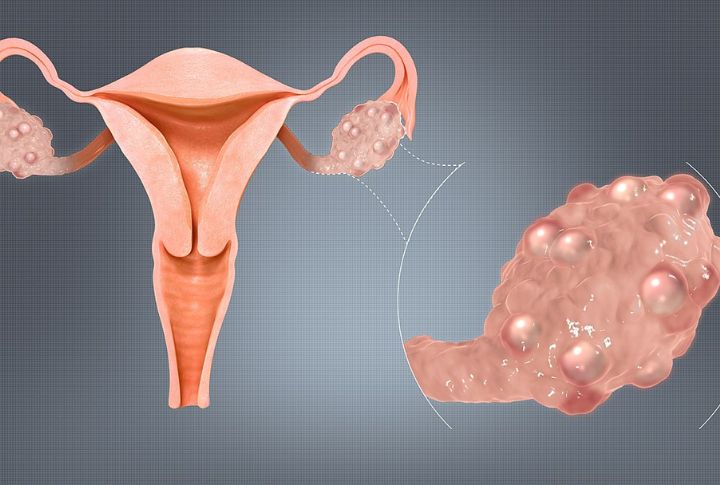
Hormonal shifts from PCOS, menopause, or contraceptive changes can trigger noticeable hair loss by altering fundamental growth cycles. These disruptions often manifest as progressive thinning across the scalp. Targeted hormone therapy combined with lifestyle modifications can help restore balance and promote regrowth.
Scalp Infections

Fungal and bacterial invaders can compromise follicular health, leading to inflammation and patchy hair loss. Conditions like tinea capitis create distinctly circular bald patches, while folliculitis presents as scattered thinning. Prompt treatment with appropriate antimicrobial therapies prevents permanent follicular damage.
Autoimmune Disorders (Alopecia Areata)

The immune system’s misdirected attack on hair follicles results in Alopecia Areata, marked by distinct bald patches. While the condition can be unpredictable, treatments like immunotherapy and steroids work to calm the immune response, which gives hair a chance to grow back in those affected spots.
Medications and Treatments

Common medications secretly sabotage hair growth. Blood thinners, antidepressants, and chemotherapy meds list hair loss as a side effect. If shedding begins after starting a new prescription, consult your doctor about alternatives or supportive treatments to minimize the impact.
Traction Alopecia

Tight hairstyles wage a silent war against your hairline, creating irreversible damage over time. Constant tension from ponytails, braids, and extensions gradually destroys follicles and weakens hair roots. Liberation from restrictive styles, combined with targeted scalp recovery treatments, preserves your hair’s future health.
Stress-Induced Hair Loss
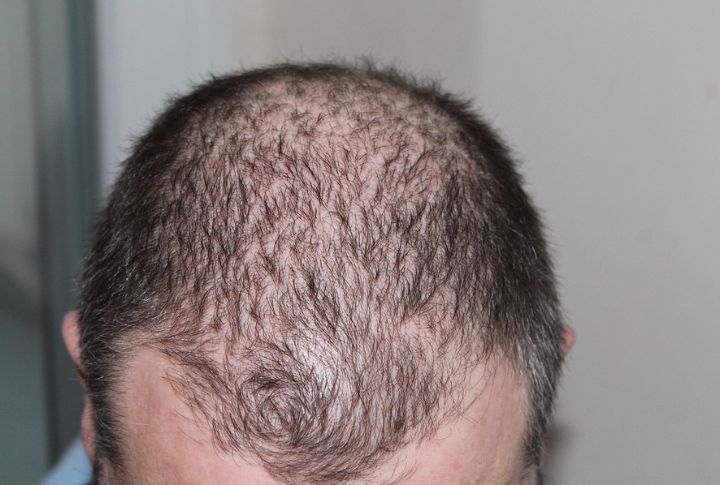
Chronic stress forces healthy hair into premature hibernation and disrupts natural growth patterns. This temporary shutdown creates visible thinning across your scalp, particularly at the crown and temples. Strategic stress management through meditation, therapy, and lifestyle modifications reactivates natural growth.
Skin Conditions on the Scalp

Inflammatory scalp conditions like psoriasis and seborrheic dermatitis can stress the follicles, causing hair to fall out or break. Targeted medical treatments, including specialized shampoos and topical medications, restore scalp harmony and protect vulnerable follicles.

Health
10 Signs of Lewy Body Dementia Everyone Should Know

Lewy Body Dementia (LBD) affects millions of people around the world and is often misunderstood. It’s the second most common form of progressive dementia after Alzheimer’s and is characterized by symptoms that touch both the mind and body. Understanding its signs is important for early diagnosis. Here are 10 key symptoms of LBD that you should know.
Autonomic Nervous System Issues

LBD affects the autonomic nervous system, which controls involuntary bodily functions. This can cause blood pressure to drop suddenly, leading to fainting or digestive issues like chronic constipation. Bladder dysfunction is also common, causing incontinence and infections. These symptoms, though less visible, significantly affect the patient’s quality of life.
Cognitive Decline With Fluctuations

Patients often experience dramatic changes in mental clarity and memory from one moment to the next. These fluctuations can be triggered by fatigue, stress, or even as a reaction to certain medications. A person may seem fully aware and capable one day but struggle to remember basic details the next.
Vivid Visual Hallucinations

Hallucinations in LBD often involve seeing detailed and lifelike images, such as animals, people, or objects. For example, a patient may claim to see a dog sitting on the couch or a stranger in the room. These episodes can lead to fear and confusion. In rare cases, people also experience smell and touch.
Sleep Disorders and Acting Out Dreams

REM sleep disorder is an early sign of LBD. The dreams are often vivid and violent, correlating with aggressive actions. Sleep-related issues like insomnia and excessive daytime sleepiness also frequently occur, exacerbating cognitive symptoms. Proper sleep management, including creating a safe sleeping environment, is critical to minimizing risks.
Tremors and Uncontrolled Movements

It is common for Lewy Body Dementia patients to experience tremors, much like those experienced by people with Parkinson’s disease. These involuntary shaking movements typically affect the hands, but they can also occur in other parts of the body, such as the legs or head. Tremors in LBD tend to worsen during stress or fatigue.
Severe Sensitivity to Medications

One of the most challenging aspects of treating LBD is its patients’ extreme sensitivity to medications, particularly antipsychotics. Common meds used for hallucinations can cause severe side effects, such as increased confusion. Even medications for unrelated conditions can trigger adverse reactions.
Insomnia and Sleep Disruptions

It is a frequent and distressing symptom of Lewy Body Dementia (LBD), significantly impacting both patients and their caregivers. Sleep difficulty can exacerbate other symptoms like confusion, mood swings, and fatigue. Patients often find themselves awake for hours during the night.
Depression and Apathy

LBD’s impact on mental health often manifests as depression and apathy, with patients losing interest in relationships and daily activities. This isn’t a reaction to their diagnosis—it’s a neurological symptom caused by changes in brain chemistry. If left untreated, these mood changes can worsen other symptoms, like cognitive decline and sleep disturbances.
Visual-Spatial Problems

Tasks that require spatial awareness, like parking a car, using stairs, or navigating a crowded room, become increasingly challenging for LBD patients. They may misjudge distances, bump into objects, or feel disoriented in familiar spaces. As a result, there is a higher chance of falls or accidents. Occupational therapy can be beneficial here.
Delusions and Paranoia

Affected people often develop persistent delusions, such as believing their spouse is an impostor or thinking their home is not their own. These paranoid thoughts can strain relationships and increase caregiver burnout. Unlike visual hallucinations, these are more emotionally charged and harder to manage.
Health
10 Ways US Maternity Leaves Compare With The Rest of the World

Understanding maternity leave policies matters for working parents. The US stands apart from other nations in how it approaches parental support—not in a good way. Let’s see how the world is dealing with parental leave and practical alternatives that could benefit American families’ experience of the transition to parenthood.
The Impact on Family Well-being

Research documents clear benefits of paid leave: reduced postpartum depression rates, enhanced infant development, and stronger family bonds. Parents report lower stress levels and better long-term career outcomes. Extended leave creates stable foundations for both children and careers.
Understanding the US Maternity Leave Policy

The FMLA provides 12 weeks of unpaid leave, covering 60% of eligible workers. Without federal paid leave, many parents return to work prematurely, facing financial strain. State-level programs in places like California and New Jersey offer partial wage replacement (around 60%), but these are not part of FMLA and remain limited.
The Best Global Maternity Leave Standards

Swedish parents receive 480 days of leave with 80% wage coverage, while Norway provides extensive paid time off with strong job protection. These policies show a straightforward understanding: supporting new parents benefits society through improved health outcomes and workforce stability.
Leading US States in Maternity Leave

At the state level, California and New Jersey lead the way with comprehensive programs. California’s Paid Family Leave initiative provides up to eight weeks of partial wage replacement, giving families critical financial support during early parenthood. Such efforts give people hope that even within the US, improvements are possible.
Global Leaders in Maternity Leave Benefits

Estonia offers 85 weeks of paid leave, combining maternity and parental leave. This extensive support allows parents to prioritize child development without financial strain, demonstrating that comprehensive paid leave can thrive in a modern economy while balancing family and workforce needs.
How US Policies Compare Globally

German law ensures 14 weeks of fully paid maternity leave, and Canada offers 18 months of protected leave with partial pay. These policies provide clear, employee-first frameworks for parental support, while US workers often cobble together vacation time and unpaid leave.
Government Support

Countries with government-funded leave programs report consistent improvements in public health metrics and economic indicators. A systematic approach gives everyone equal access across income levels. Data shows these schemes pay dividends through reduced healthcare costs and increased productivity.
Canada’s Comprehensive Approach

Canada’s 18-month leave policy combines workplace protection with income support. Parents can choose between standard and extended leave options, adapting the system to their needs. This flexibility helps families transition smoothly into parenthood while maintaining career continuity.
Lessons for US States from Global Leaders

Finland’s year-long paid leave schools world the impact of comprehensive support. Their system prioritizes child development and parent well-being through practical policy. US states can adapt these proven approaches to fit local economic conditions and workforce needs.
Future Directions for US Maternity Leave

Expanding paid leave access requires systematic change in policy and workplace culture. Evidence from countries like Sweden and Germany shows viable paths forward. Implementing comprehensive parental leave would strengthen American families while enhancing economic stability.
Health
10 Factors Driving the Spread of Lyme Disease in the U.S.

The threat of Lyme disease is growing, with ticks now spreading across regions once considered safe. As deer populations grow, so does the risk of exposure to Lyme-carrying ticks. Whether you’re out for a hike or simply enjoying time in nature, it’s important to stay informed about where Lyme disease hotspots are emerging.
Deer Populations Fueling Rising Lyme Cases

In areas where deer populations are thriving, tick populations are also booming. The Northeast, including states like Maine and New Hampshire, is seeing a sharp increase in Lyme disease cases, driven by abundant wildlife. With peak tick season coinciding with summer outdoor activities, taking precautions in these regions is more important than ever.
Woodlands and Suburbs Create Ideal Conditions

Ticks are making their way through more parts of the Midwest, particularly in Michigan, Illinois, and Wisconsin. The blend of rural forests and growing suburban neighborhoods in these states creates an ideal habitat for ticks to thrive. If you’re exploring nature trails or hiking, remember to check for ticks afterward to minimize your risk.
Warm Climate Sparks Growth of Lyme-Carrying Ticks

California’s diverse scenery, from forests to parks, harbor ticks that can carry Lyme disease, though the risk is lower than in Northeastern and Midwestern states like Connecticut or Wisconsin. Coastal climates are less ideal for ticks, but precautions remain important for outdoor adventurers.
Tick-Caused Illness Spreads Across the Heartland

Once considered rare in the Midwest, Lyme disease now makes its presence felt in Ohio and Indiana. Changing climate patterns and the movement of deer have contributed to an uptick in ticks across rural and suburban areas. As the warmer months approach, residents are urged to take extra care, especially during peak tick season.
Urban Sprawl Brings Ticks Into Suburban Backyards

Lyme disease cases are increasing in Texas, which is driven by both rural and urban areas. The state’s varied climate and diverse wildlife—such as deer and small mammals—create the perfect conditions for ticks to thrive. Residents living near wooded areas or parks should be especially vigilant with tick prevention measures to avoid bites.
Coastal Areas and Parks Show Increase in Lyme Cases

Florida’s warm, subtropical climate has become increasingly conducive to Lyme-carrying ticks. With abundant wildlife, including deer, ticks are spreading across the state’s forests and coastal areas. Visitors to parks, beaches, and forests should remain cautious, as ticks are active year-round in Florida’s unique environment.
Mountainous Terrain Provides Ideal Tick Habitats

The Smoky Mountains in Tennessee, known for their scenic beauty and outdoor activities, have become an emerging hotspot for Lyme disease. Dense forests and thriving wildlife in the region allow ticks to flourish. If you’re hiking or exploring these areas, taking additional measures to safeguard yourself against tick bites is necessary.
Climate Change Drives Tick Movement

Rising temperatures and a changing climate in North Carolina are contributing to the spread of Lyme disease. The state’s combination of coastal plains, forests, and mild winters is increasingly favorable for ticks. Health experts advise residents to take preventive measures, particularly during peak tick season, to reduce exposure.
Rural and Suburban Areas See Growing Tick Populations

Lyme disease is becoming more prevalent in Maryland due to a growing mix of suburban development and dense forests. As deer populations increase, ticks follow suit. Residents are encouraged to include regular tick checks in their routine, especially after spending time outdoors in grassy or wooded areas.
Increased Tick Activity Puts Virginians at Risk

The number of cases in Virginia is rising, particularly in rural and suburban areas. The state’s forests and abundant wildlife create a perfect habitat for ticks. Taking part in outdoor activities such as hiking and camping can increase the likelihood of being exposed to ticks, so it’s important to take preventive steps.
-
Travel6 days ago10 Remote Hideaways Scattered Across The Great Basin
-
Cities2 months ago15 US Cities Where You Can Live Car-Free with Ease
-
States6 months ago10 U.S. States Facing Groundwater Depletion
-
Lifestyle9 months ago15 Things You Should Never Say on a First Date
-
States12 months ago10 Treasured Parks You Should See Before It’s Too Late
-
Travel2 weeks ago10 Evolved Military Sites Of Pre-Independence America
-
Health8 months ago10 Phrases That Make Sensory Overload Worse
-
Lifestyle6 months ago10 Lines That Pop An Ego Without Starting A Fight