Cities
20 U.S. Cities with the Highest Fatal Incidents Involving Law Enforcement

In some American cities, interactions with law enforcement frequently result in tragic outcomes. These patterns highlight deeper societal struggles, community dynamics, and gaps in response strategies. By identifying the most affected cities, pathways to safer and more effective practices become clearer.
Phoenix, Arizona
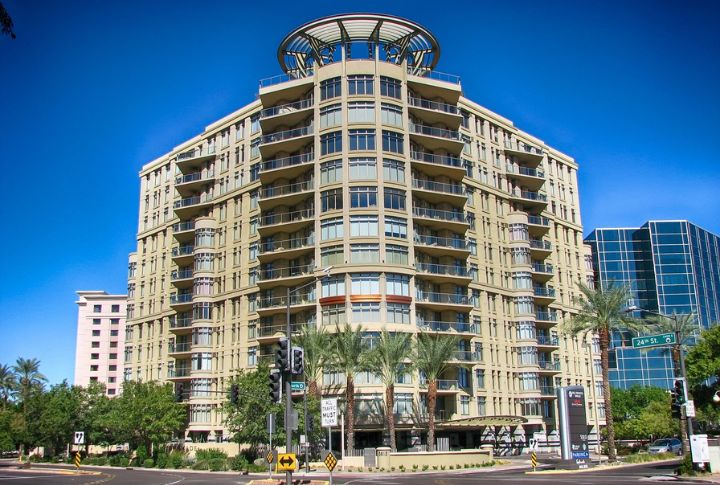
This city ranks highest for incidents involving deadly outcomes during interactions. Rapid urban growth, overcrowding, and confrontations have fueled this trend. Community leaders are increasingly focused on urgent reforms, emphasizing conflict resolution techniques to bring these numbers down.
St Louis, Missouri
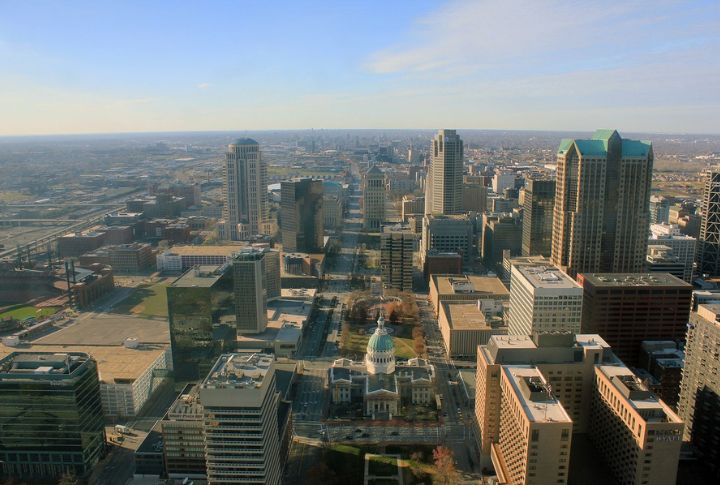
Among smaller cities, St. Louis stands out with the highest rates relative to its population. Historical divides and strained relations have heightened tensions. Ongoing calls for balanced and effective measures remain a central focus for advocates seeking lasting improvements.
Albuquerque, New Mexico
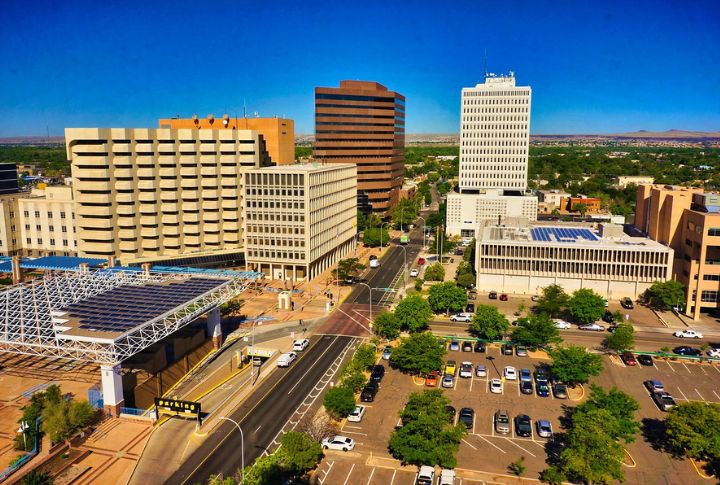
Federal oversight hasn’t erased Albuquerque’s struggles with deadly force. Many encounters involve individuals experiencing mental health crises. The city’s ongoing efforts to integrate crisis intervention teams remain critical to addressing this persistent issue.
Tulsa, Oklahoma
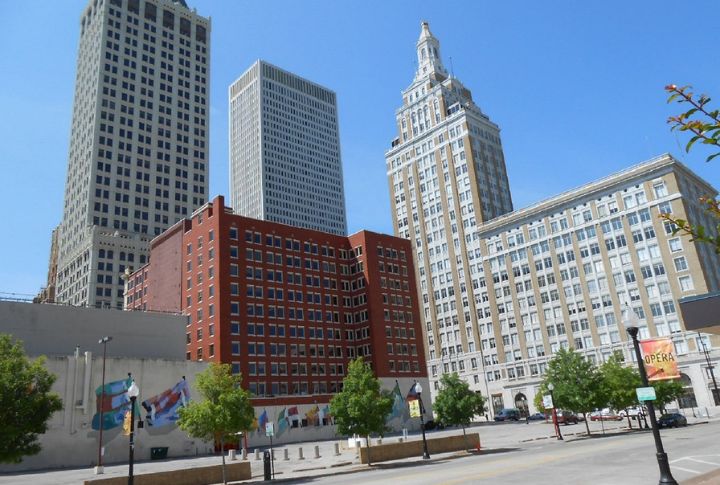
Disproportionately high police fatality rates in Tulsa highlight gaps in training, particularly during traffic stops and non-violent arrests. Inconsistent de-escalation training has been cited as a contributing factor. Advocacy groups emphasize specialized education for officers, especially in interactions where immediate risk is not apparent.
Bakersfield, California
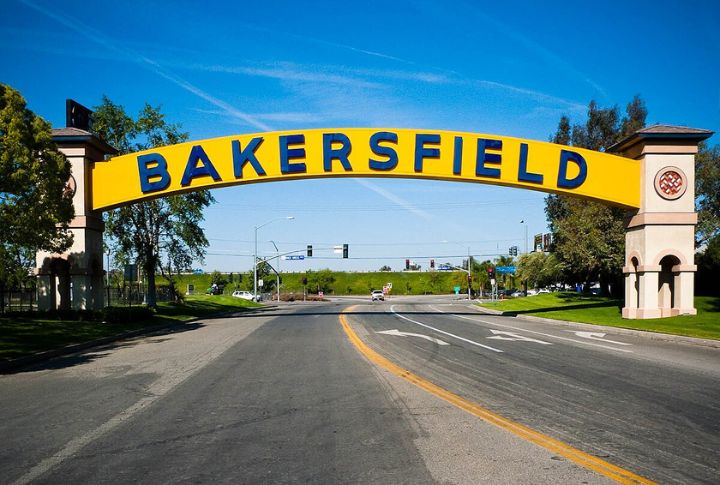
Patterns of fatal incidents in Bakersfield persist, particularly in communities facing economic struggles. Independent reviews highlight long-standing issues in current response practices. Increased accountability, paired with targeted reforms, remains a pressing demand from local voices.
Oklahoma City, Oklahoma
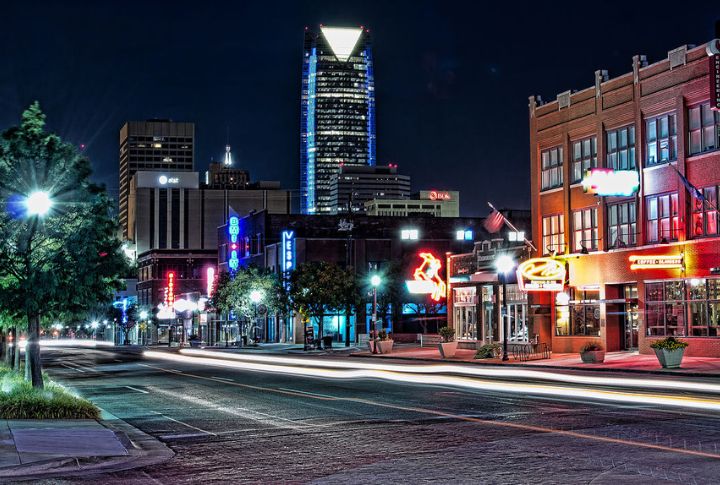
Law enforcement in Oklahoma City often navigates intense, high-stakes scenarios, many involving munition. The frequency of deadly outcomes has sparked efforts to prioritize alternative tools and approaches. Balancing operational safety with less harmful interventions is a growing priority.
Haunt Tucson, Arizona
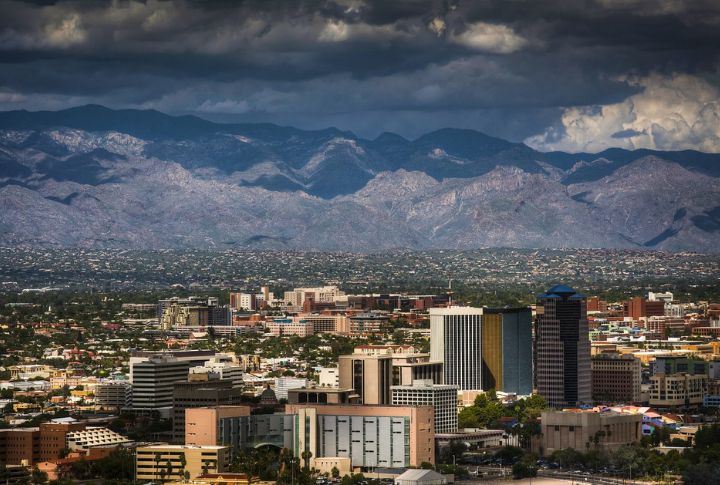
In Tucson, many incidents result from escalations during behavioral health emergencies. Collaborative crisis intervention programs aim to address these situations safely. However, progress remains gradual, prompting advocates to push for broader implementation and resource allocation.
Mesa, Arizona
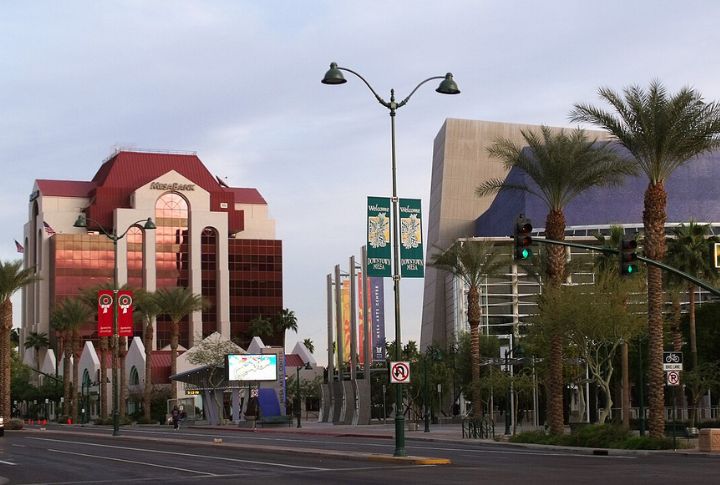
As Mesa expands rapidly, the strain on local departments grows. Fatal encounters often occur during non-urgent calls, which leads experts to recommend alternative response units. Shifting lower-risk duties to specialists could reduce unnecessary escalations and improve overall safety.
Orlando, Florida
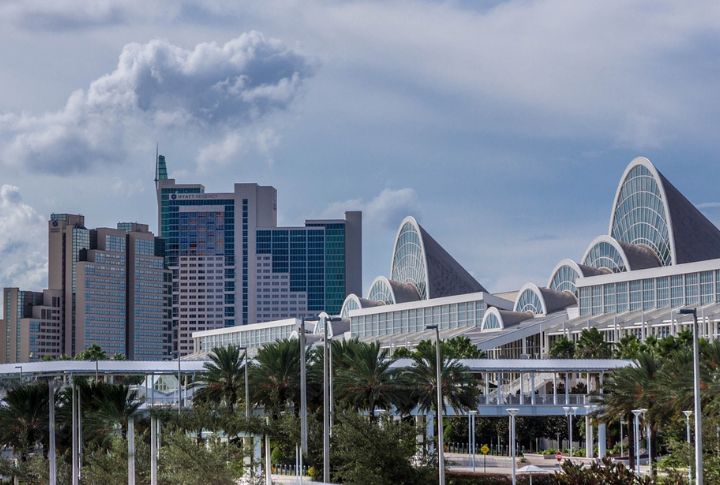
While Orlando’s tourist areas receive significant attention, local neighborhoods experience elevated fatal incidents. Many cases stem from confrontations during firearm-related operations. Efforts to introduce safer conflict management strategies are at the forefront of local discussions.
Kansas City, Missouri
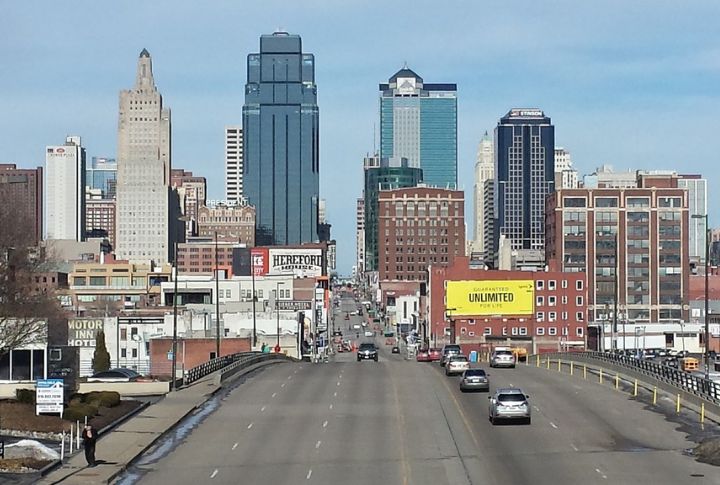
Specific neighborhoods in Kansas City report disproportionately higher fatal incidents involving law enforcement. Addressing underlying factors such as economic struggles and limited resources remains essential. Experts stress that stronger preventive strategies could create safer engagements.
Glendale, Arizona
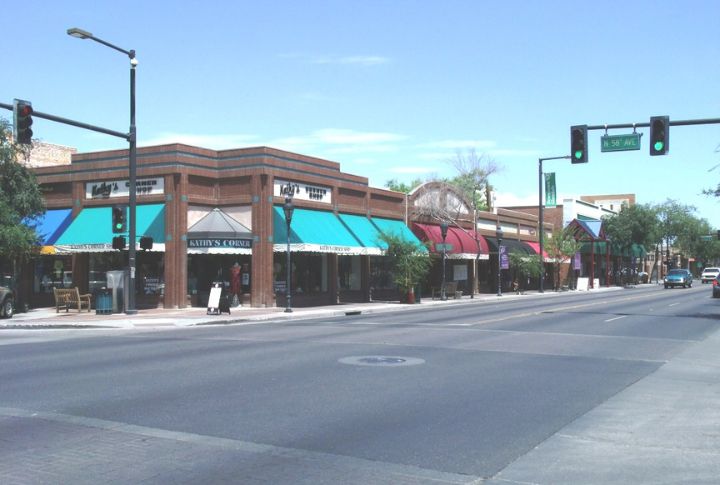
Fatal incidents in Glendale frequently occur during responses to domestic situations, where tensions often escalate unpredictably. Specialized response teams trained for volatile environments have emerged as a promising approach to managing these risks safely.
Spokane, Washington
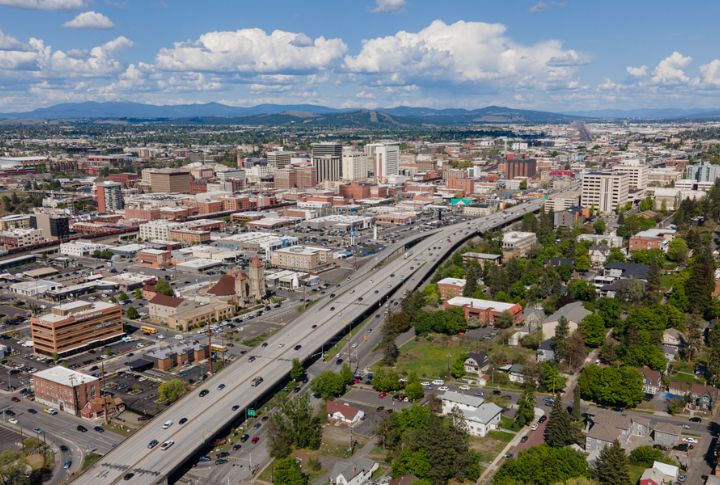
In Spokane, elevated incidents raise concerns about transparency in investigations. Advocacy groups are pushing for accessible reporting and independent reviews of decisions leading to fatalities. Greater openness could help rebuild community trust in enforcement practices.
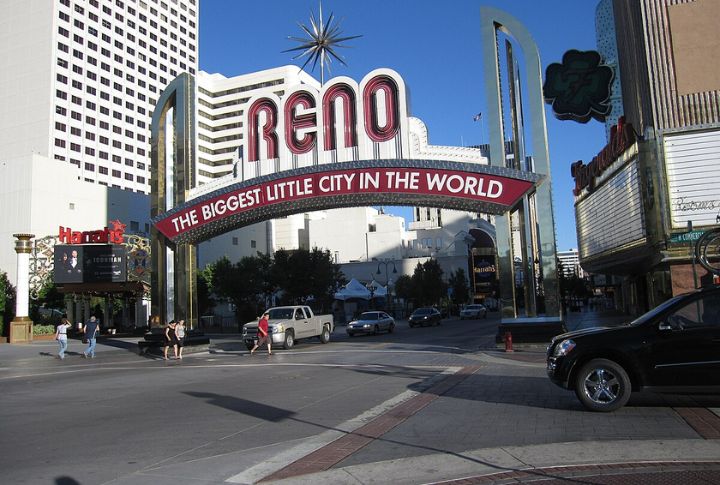
Reno, Nevada
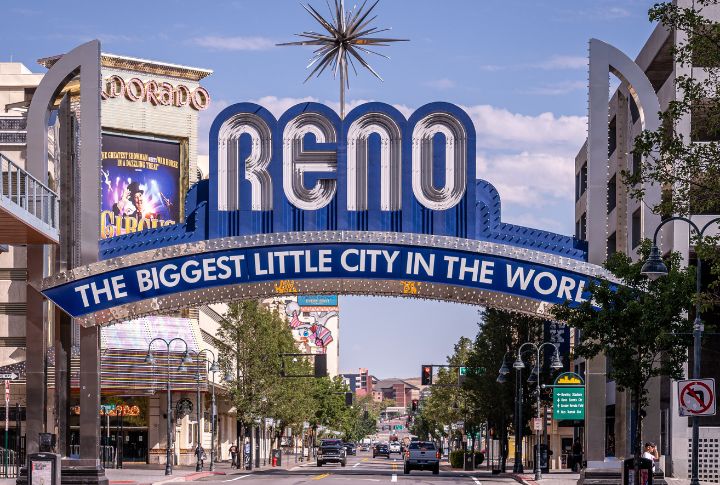
Neighborhoods in Reno struggling with poverty and substance dependency report more frequent deadly incidents. Local leaders advocate for increased social investments to address these root causes. Reducing reliance on enforcement for non-urgent issues remains a key focus.
Aurora, Colorado
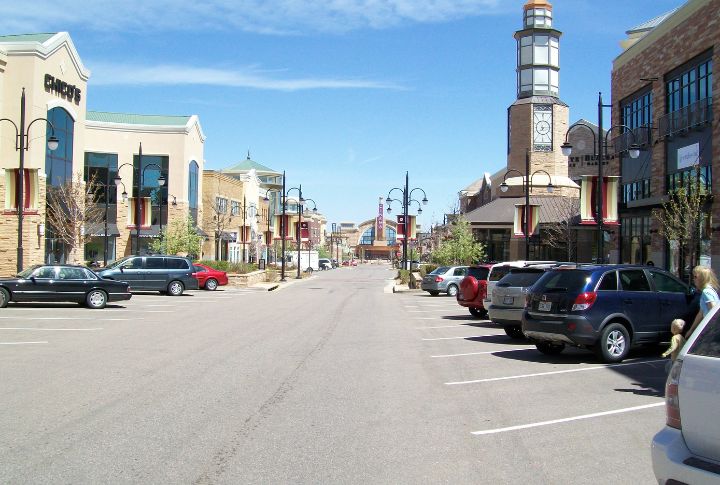
Statewide reforms mandate improvements in accountability across departments, yet Aurora continues to experience challenges. Calls for more consistent oversight highlight ongoing disparities in enforcement approaches, and local communities continue to push for equitable safety measures.
Corpus Christi, Texas Trends
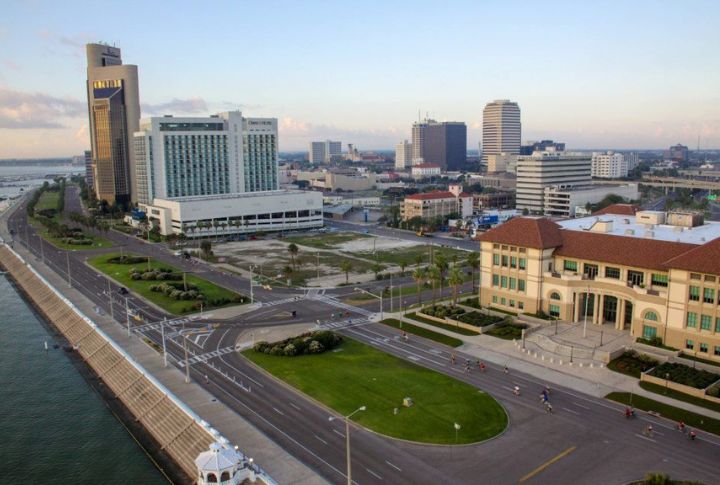
High-risk operations in Corpus Christi often involve confrontations with significant consequences. Experts recommend shifting attention toward community support programs to avoid escalations. Rehabilitation-focused strategies could help minimize unnecessary risks in future operations.
Baton Rouge, Louisiana
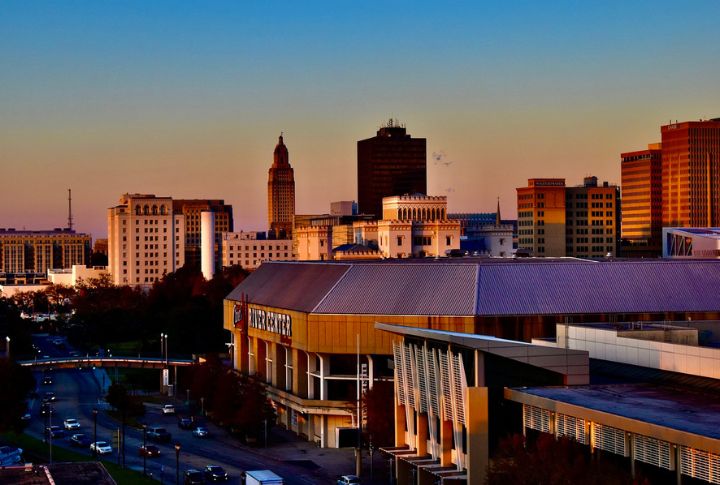
Long-standing distrust between residents and departments complicates efforts to reduce fatal encounters in Baton Rouge. Transparency initiatives, including body camera mandates, aim to rebuild trust. However, sustained consistency in enforcement and accountability remains a critical priority.
Stockton, California
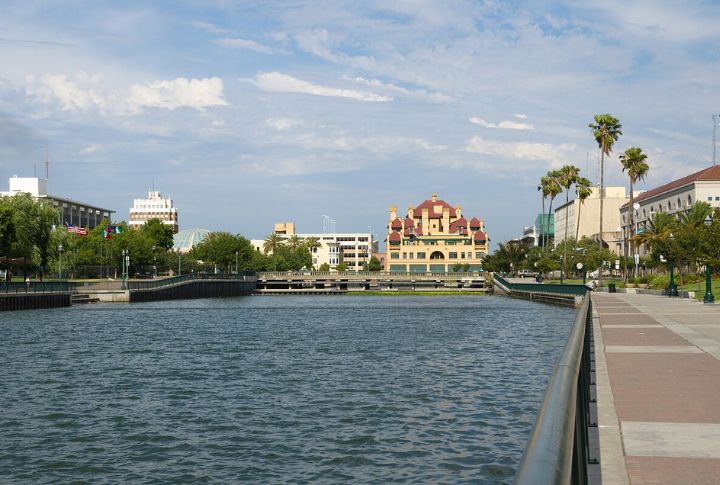
Stockton reports fatal incidents, most often in underserved neighborhoods. Collaborative policing programs, which emphasize proactive engagement and relationship-building, are showing promise. These strategies aim to prevent situations that escalate unnecessarily, improving outcomes for all involved.
Cleveland, Ohio
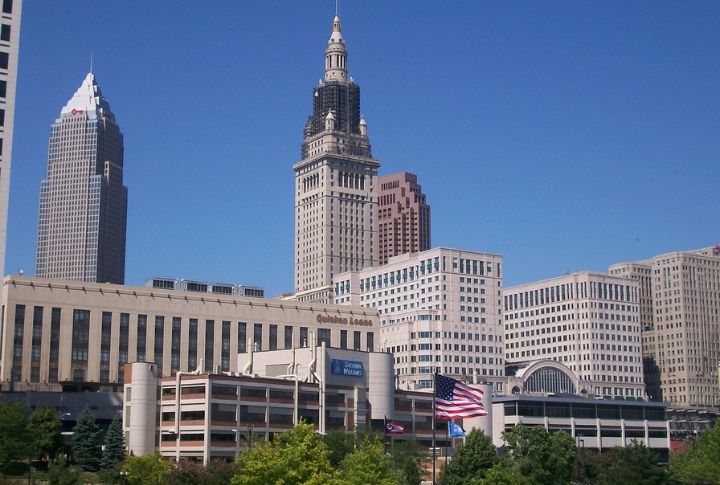
Patterns of excessive force in Cleveland sparked federal investigations demanding reforms. While consent decrees mandate improvements, slow implementation frustrates community members. Stronger enforcement of accountability remains the next critical step toward change.
Miami, Florida
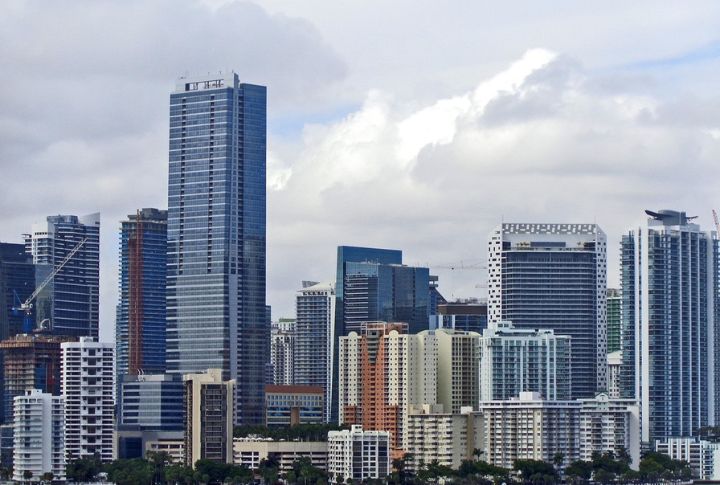
Miami’s diversity poses unique challenges during law enforcement responses. Language barriers and cultural misunderstandings sometimes escalate to unnecessary force. Multilingual de-escalation initiatives are emerging as essential tools for bridging these divides.
Detroit, Michigan
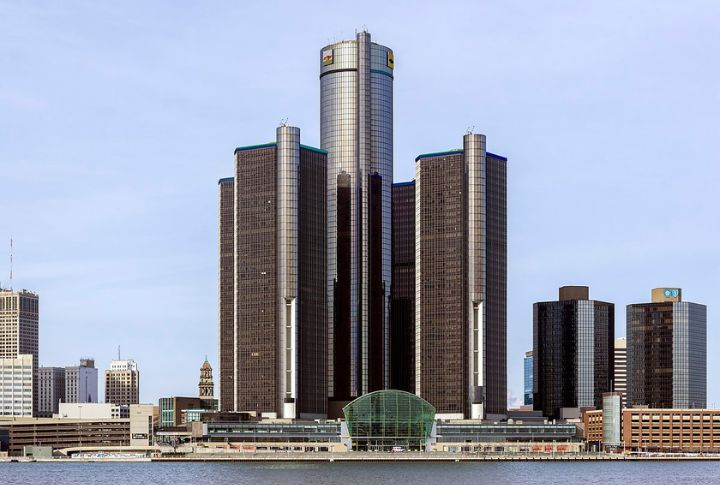
Decades of economic decline have left Detroit’s neighborhoods with limited resources and recurring fatal encounters during enforcement. Increased investments in social programs and community-led initiatives are seen as key steps toward reducing reliance on reactive measures.

Cities
10 Emerging Cities To Buy Your First Home

Buying your first home is a big milestone, but finding the right city can make all the difference. Some places shine with affordable prices, booming job markets, and vibrant communities. These emerging cities offer a perfect mix of opportunity and charm, making homeownership more accessible than ever. Here are ten top picks.
Harrisburg, Pennsylvania

For first-time buyers, Harrisburg stands out with median home prices under $159,000 as of December 2024. Beyond affordability, the city’s stable government job market ensures economic security, while its lively arts scene brings a unique cultural appeal. Plus, with Philadelphia just a short drive away, residents enjoy big-city convenience without the high price tag.
Villas, Florida

Home prices in this city are approximately $229,000, significantly lower than the national median of $416,880. It is also close to the Gulf Coast’s beautiful beaches without the high price tags of larger Florida cities. Besides, the area’s relaxed lifestyle and expanding amenities make it a good choice for investment and living.
North Little Rock, Arkansas

Realtor.com reported that homes are well under $160,000 in North Little Rock. This is a budget-friendly option for first-time buyers. Plus, the downtown revitalization has brought new jobs and modern amenities, while the city’s abundance of green spaces and a reputation for safety make it especially appealing to young families.
Lansing, Michigan

Lansing combines affordable housing with big-city opportunities. Here, median home prices hover under $150,000, per Newbam—far lower than in nearby Ann Arbor. As home to Michigan State University, the city offers educational resources, cultural events, and a growing tech job market, adding to its appeal.
Rochester, New York

Owing to its median home prices around $129,900, Rochester remains an affordable option, according to Realtor.com. The city has also seen a 50% decline in firearm-related violence since the pandemic, improving overall safety. Coupled with a thriving tech and healthcare sector, Rochester offers a better quality of life.
Wilmington, Delaware

Affordable housing paired with easy access to Philadelphia and Baltimore makes Wilmington ideal for new homeowners. In this city, homes average around $250,000, and the city’s tax-friendly policies reduce overall costs. The revitalized riverfront area, meanwhile, adds to the city’s appeal with its entertainment options and scenic views, creating a balanced urban lifestyle.
Sioux Falls, South Dakota

Sioux Falls offers first-time buyers homes priced around $321,169 and a booming job market in finance and healthcare. The city’s low unemployment rate keeps the economy strong. It’s also home to top-rated schools like Lincoln High School, ranked the best public high school in South Dakota.
Buffalo, New York

Buffalo’s strong job market and affordability have made it the hottest U.S. housing market for 2025, as reported by NBC New York. Homes here average $223,812, a price well under the national median. The city’s manufacturing sector continues to provide long-term economic security.
Knoxville, Tennessee

Knoxville’s vibrant downtown scene, filled with festivals and cultural events, creates a dynamic lifestyle for first-time buyers. With a strong economy driven by manufacturing and tech, the city also features affordable housing, with median prices around $420,000. Plus, its proximity to the Smoky Mountains makes outdoor adventures easily accessible.
Des Moines, Iowa

According to OCNJ Daily, this city has a low cost of living, approximately 12% below the national average. Des Moines features a strong job market in finance and insurance, paired with median home prices around $249,000. Overall, its low cost of living and high quality of life make it a standout for new buyers.
Los Angeles
10 Secrets Behind L.A.’s Most Prestigious Properties

Los Angeles is home to some of the world’s most luxurious properties, each with its own fascinating history. Behind the gates of these stunning estates lies a world of untold stories, some glamorous, others chilling. So, here are ten mysteries and hidden truths lurking behind the gates of L.A.’s most prestigious addresses.
Los Feliz Murder Mansion

In 1959, Dr. Harold Perelson shocked the quiet Los Feliz neighborhood with a tragic family murder incident. The house, located at 2475 Glendower Place, remained largely untouched for decades, preserving its eerie atmosphere. Now owned by Ephi Zlotnitsky, efforts have been made to renovate the property.
The Manor’s Excessive Legacy

The Manor has seen its share of eerie whispers. The 56,500-square-foot mansion, built by Aaron and Candy Spelling, has been rumored to house secret rooms and hidden passages. Also, some former staff and visitors have shared unsettling stories of shadowy figures in its empty corridors.
Holmby Hills’ Secretive Deals

The luxurious properties in Holmby Hills often change hands quietly, with deals made behind closed doors. Buyers and sellers prefer privacy, keeping details under wraps. These multimillion-dollar estates guard more than their inhabitants’ identities—the secrets of the elite are just as well-protected.
Hotel Bel-Air’s Hollywood Scandals

The drama unfolds where the stars stay. The Hotel Bel-Air has been a private retreat for Hollywood’s elite since the 1940s. Marilyn Monroe’s final photoshoot happened here, alongside countless celebrity escapades. Beneath the serene beauty of its grounds, tales of private rendezvous and dramas have played out.
Brentwood’s Infamous Crime Scene

Brentwood made headlines worldwide in 1994 when Nicole Brown Simpson and Ron Goldman were murdered. O.J. Simpson’s trial gripped the nation, turning this affluent neighborhood into a crime scene. To this day, tourists still stop by the once-unassuming property, drawn by its dark history.
Greystone Mansion’s Double Mystery

Secrets lie within the lavish halls of Greystone Mansion, where Ned Doheny and Hugh Plunkett were found dead in 1929. The official story said murder-suicide, but conspiracy theories suggest something darker. Hollywood used the estate for movies, but its eerie past always lingers.
The Sunken City’s Hidden Ruins

In 1929, a section of San Pedro slid into the ocean after a landslide, leaving behind eerie remnants of a once-thriving neighborhood. Today, graffiti-covered ruins, cracked streets, and empty foundations scatter the cliffside, attracting adventurers and history enthusiasts alike.
Spadena House’s Strange Charm

Built in 1921, the “Witch’s House” in Beverly Hills looks like it belongs in a fairytale. Originally a movie set, this oddball property still draws visitors who marvel at its quirky design. Beneath its whimsical exterior, it’s a rare piece of Hollywood’s early creative magic.
Greystone Mansion’s Forgotten Tunnel

Few know Greystone Mansion hides a secret underground tunnel used for Prohibition-era smuggling. Stretching between buildings, this passageway once connected L.A.’s elite to illegal parties. Now sealed, the tunnel’s existence hints at the lengths the wealthy went to evade law enforcement.
The Cecil Hotel’s Shadowed History

The Cecil Hotel in downtown L.A. was intended as a luxury destination but soon gained a reputation for unsettling events and mysterious occurrences. Its corridors have been linked to inexplicable incidents. Despite renovations and rebranding efforts, its shadowed history continues to intrigue and mystify.
Los Angeles
10 Insights Into The Water Controversy That Shaped Los Angeles

Los Angeles didn’t become a sprawling metropolis overnight—it came with challenges and compromises. Water lies at the heart of this story, fueling the city’s rise and sparking debates that echo even today. Behind the glittering skyline lies a history of bold decisions, heated battles, and lasting consequences. Let’s uncover the insights behind this water-driven transformation.
Los Angeles Aqueduct Sparked A Revolution

Imagine a dry, barren desert suddenly coming to life. In 1913, the Los Angeles Aqueduct started delivering water from Owens Valley, traveling an impressive 233 miles. Spearheaded by William Mulholland, this engineering marvel laid the foundation for the ambitious growth of a metropolis.
The Lies That Bought Owens Valley

“Trust me,” whispered city agents posing as ranchers in Owens Valley. Under this guise, they bought up land and water rights and fooled locals into thinking it was business as usual. What unfolded next was a betrayal that drained their valley and changed it into a desert ghost town.
Owens Lake Paid The Price

Once a bustling hub of life, Owens Lake sparkled under the California sun, teeming with birds and activity. By 1926, it was gone—drained dry to satisfy Los Angeles’s insatiable demand for water. The result? Toxic dust storms and an unsettling silence, a stark reminder of the cost of unchecked ambition.
Farmers Fought With Dynamite

When protests and legal battles proved futile, Owens Valley farmers took matters into their own hands. In the 1920s, they launched a campaign of sabotage against the Los Angeles Aqueduct, using dynamite to blow up pipelines and gates. For them, it was a fight for survival and the right to protect their way of life.
Mulholland’s Vision And His Famous Words

“There it is. Take it.” With those words, William Mulholland introduced Los Angeles to its first flow of water from the Owens Valley. A self-taught engineer and visionary, Mulholland’s ambition reshaped a fledgling city into a sprawling metropolis. Yet, his legacy is a double-edged sword.
Fred Eaton Played The Long Game

Fred Eaton, a former mayor of Los Angeles, was the mastermind behind the plan to tap into Owens Valley’s water to solve the city’s growing crisis. His brilliance lay in his strategic vision—identifying the valley’s abundant water supply as the key to Los Angeles’s expansion.
Owens Valley’s Economy Crumbled

Owens Valley was once a haven for farmers, with its fertile soil and steady water supply supporting thriving cattle ranches and family farms. But when Los Angeles diverted the water, the lifeblood of the valley vanished. What was once a flourishing community became a shadow of its former self.
The Courts Couldn’t Stop The Flow

The theft of Owens Valley’s water didn’t go uncontested. Legal battles erupted as residents fought to reclaim their water. However, despite their relentless efforts, Los Angeles’s grip only tightened. With deep pockets and political influence, the city outmaneuvered the rural community at every turn.
Chinatown Immortalized The Scandal

The 1974 classic movie “Chinatown” drew directly from Los Angeles’s infamous water theft. The story’s villain, a symbol of unchecked greed, mirrors the ruthless tactics used to drain Owens Valley dry. Through its shadowy characters and web of deception, “Chinatown” captures the sinister forces behind LA’s rise.
Nature Is Still Paying The Price

Owens Valley’s troubles didn’t end with its dry fields. Los Angeles’s water diversion caused widespread ecological damage that lingers to this day. The once-thriving habitats collapsed, leaving wildlife displaced and ecosystems irreparably altered. Plus, dust storms from the exposed lakebed now sweep across the region, creating health hazards.
-
Travel6 days ago10 Remote Hideaways Scattered Across The Great Basin
-
Cities2 months ago15 US Cities Where You Can Live Car-Free with Ease
-
States6 months ago10 U.S. States Facing Groundwater Depletion
-
Lifestyle9 months ago15 Things You Should Never Say on a First Date
-
States12 months ago10 Treasured Parks You Should See Before It’s Too Late
-
Travel2 weeks ago10 Evolved Military Sites Of Pre-Independence America
-
Health8 months ago10 Phrases That Make Sensory Overload Worse
-
Lifestyle6 months ago10 Lines That Pop An Ego Without Starting A Fight