Connect with us

News

20 US Military Bases Completely Isolated From Civilization

Published

on

Jarek Tuszyński/Wikimedia Commons

Some military bases feel more like small cities, buzzing with activity and convenience. Others? Let’s just say they redefine solitude. This list isn’t about the easy-to-reach or the bustling. It’s about the ones way off the grid—where civilization feels like a rumor and silence isn’t golden; it’s a standard issue.

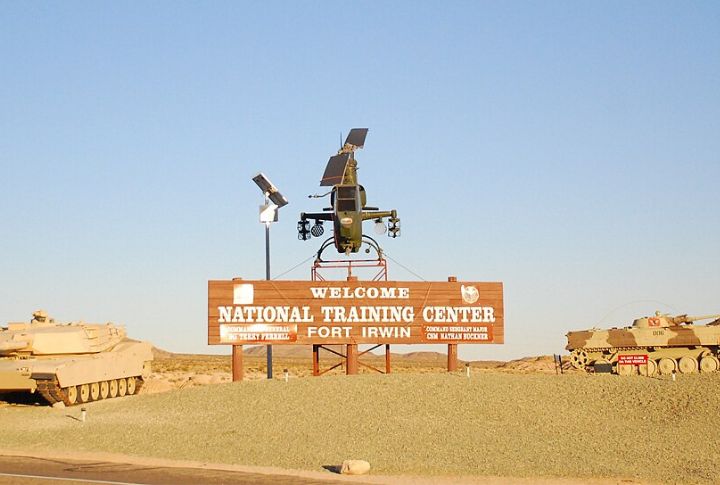
Fort Irwin, California
Bobak Ha’Eri/Wikimedia Commons

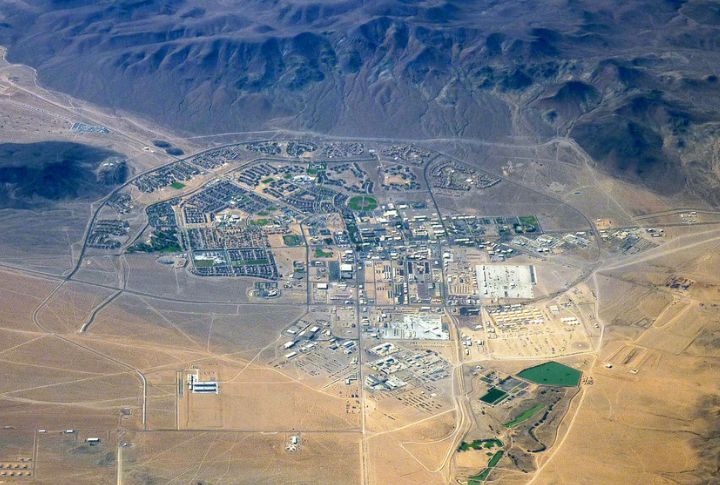
Perched in the Mojave Desert, Fort Irwin is surrounded by miles of arid nothingness. This training center specializes in simulating real-world combat scenarios, complete with faux villages. The blazing summer heat and desolate location make it a prime spot for honing survival skills.

Dugway Proving Ground, Utah
Swilsonmc/Wikimedia Commons

Somewhere deep within Utah’s west desert, Dugway Proving Ground is where the U.S. tests chemical and biological defenses. The surrounding emptiness ensures safety—or so they say. With vast stretches of barren terrain, it’s not just isolated; it’s the kind of place where you question whether the world still exists beyond the horizon.

Eielson Air Force Base, Alaska
USAF/Wikimedia Commons

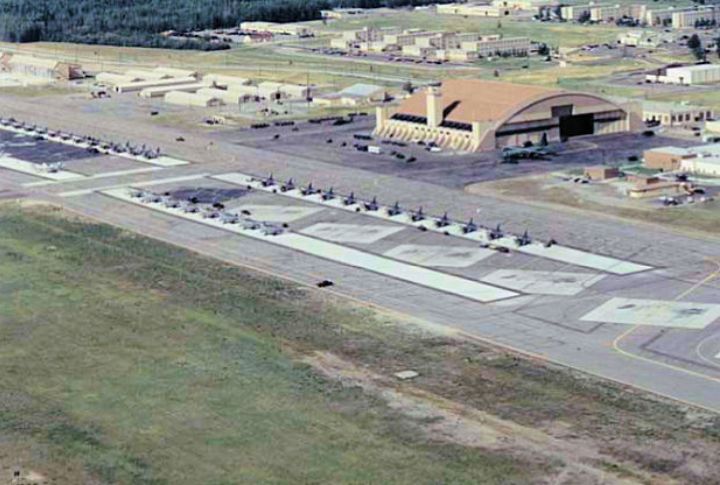
Located 26 miles southeast of Fairbanks, Eielson is all about extremes: subarctic winters, near-total summer daylight, and isolation, the last of which isn’t accidental. Its remote location supports Arctic training operations, and if you’ve ever wondered what it’s like to be on the edge of nowhere, ask the personnel deployed here.

Fort Greely, Alaska
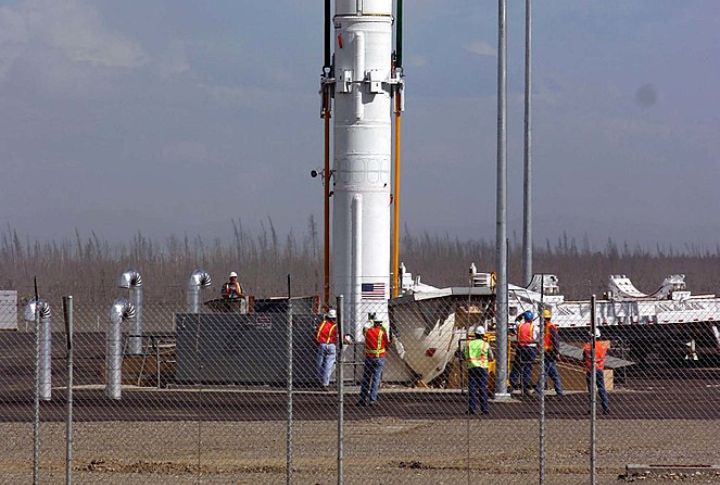
United States Army/Wikimedia Commons

Even by Alaskan standards, Fort Greely is remote. Situated near Delta Junction, it’s home to the Ground-Based Midcourse Defense system, as this frigid and sparsely populated place is ideal for missile testing. Life here revolves around duty and layers of thermal gear, with only moose being witness to the constant evolution of America’s long-range arsenal instead of civilians.

White Sands Missile Range, New Mexico
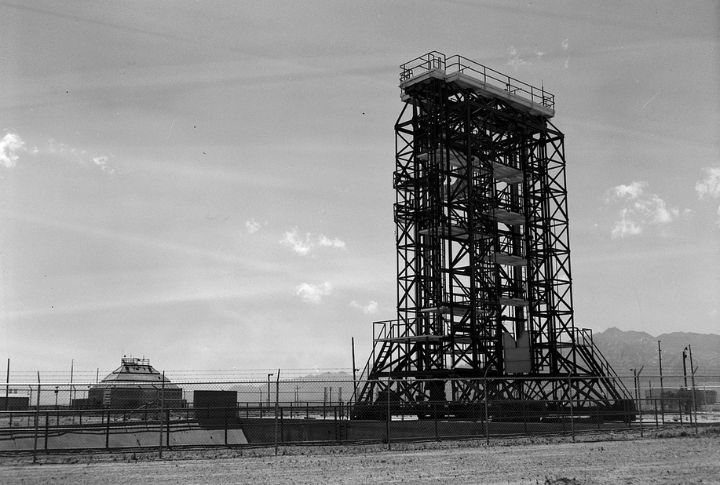
Thomas Moore/Wikimedia Commons

In the heart of the Chihuahuan Desert lies White Sands Missile Range, the largest armed forces installation in the U.S.—an expansive, empty, canvas of glaring white gypsum sands. White Sands provides the perfect backdrop for testing missiles and other weaponry, as a stunning and stark reminder to recruits that they’re in the middle of nowhere.

Cannon Air Force Base, New Mexico
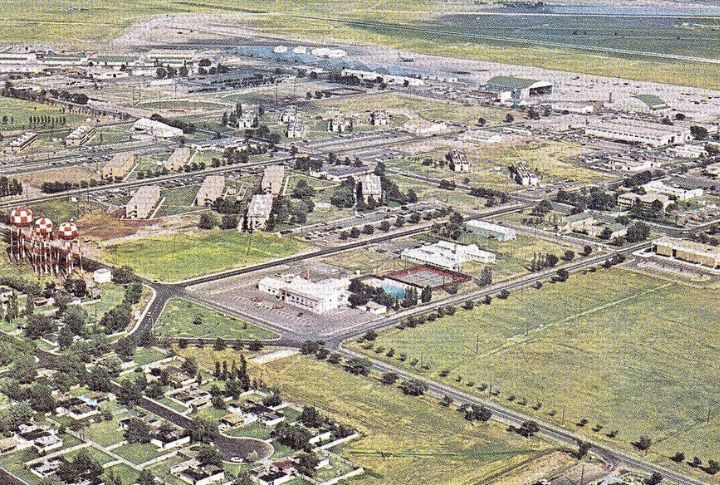
United States Air Force/Wikimedia Commons

Cannon AFB sits near Clovis, a small town that feels like the last outpost before open plains take over. Special Operations Command units train here, benefiting from the vast, uninhabited terrain. While the sunsets are spectacular, the sparse surroundings leave little to distract from the job.

Mountain Home Air Force Base, Idaho
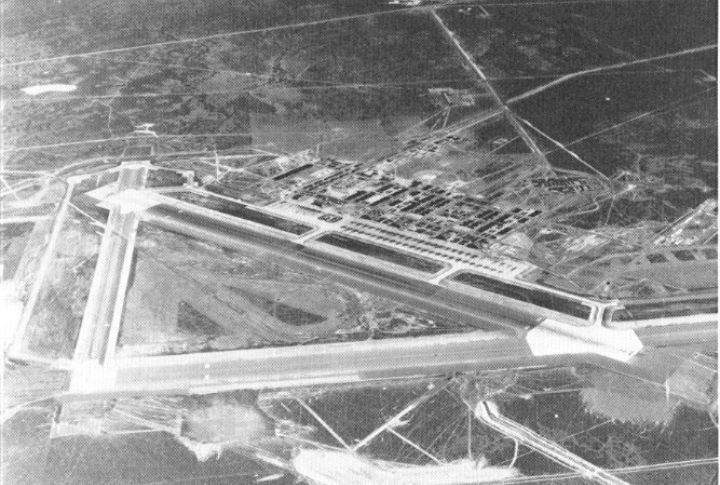
Wikimedia Commons

In southwestern Idaho, Mountain Home AFB is surrounded by sagebrush and rolling hills, which is the perfect kind of isolation for intense air combat training—without the risk of disturbing civilian areas with sonic booms and screaming jets. Nevertheless, while the name suggests grandeur, it’s less “mountain” and more “humble wilderness.”

Fort Bliss, Texas
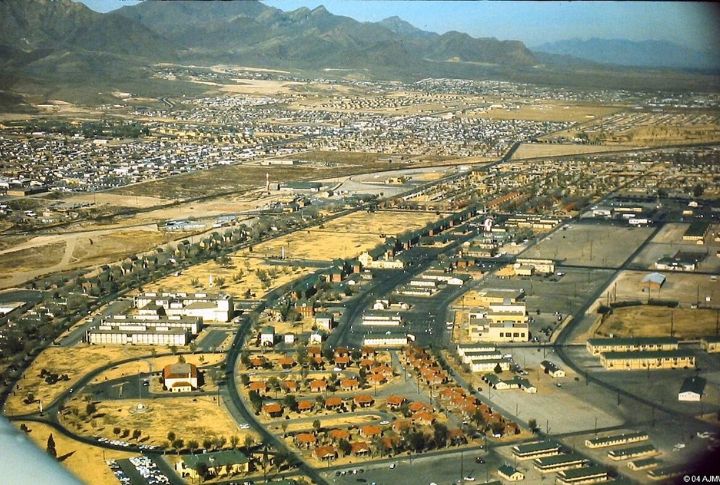
Butch/Wikimedia Commons

Spanning parts of Texas and New Mexico, Fort Bliss, with its sprawling desert environment, is one of the largest Army bases by land area. The base’s vastness is perfect for artillery training, although El Paso’s proximity adds a dash of civilization. However, much of the base remains surrounded by vast, empty land, so there is no risk of collateral damage.

Edwards Air Force Base, California
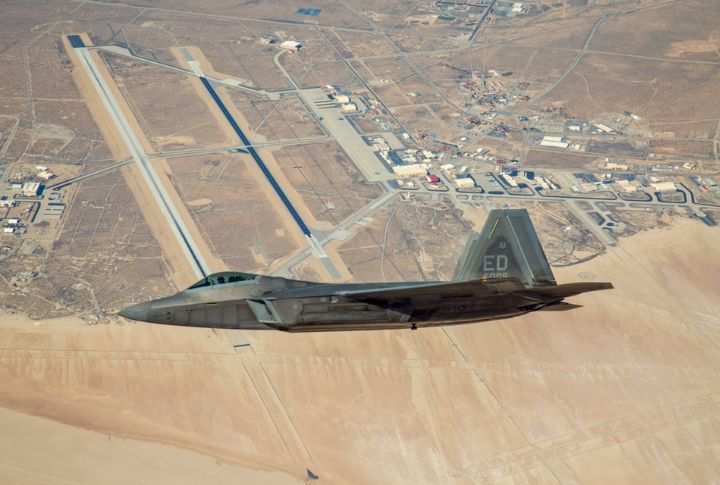
Christopher Higgins, Lockheed Martin/Wikimedia Commons

Tucked in the High Desert, Edwards AFB is synonymous with aviation innovation. Its dry lakebeds serve as natural runways and are ideal for testing experimental aircraft. But outside the base, there’s little but sand and scrub. So, the only thing breaking the silence of this barren expanse is the roar of jet engines.

Minot Air Force Base, North Dakota
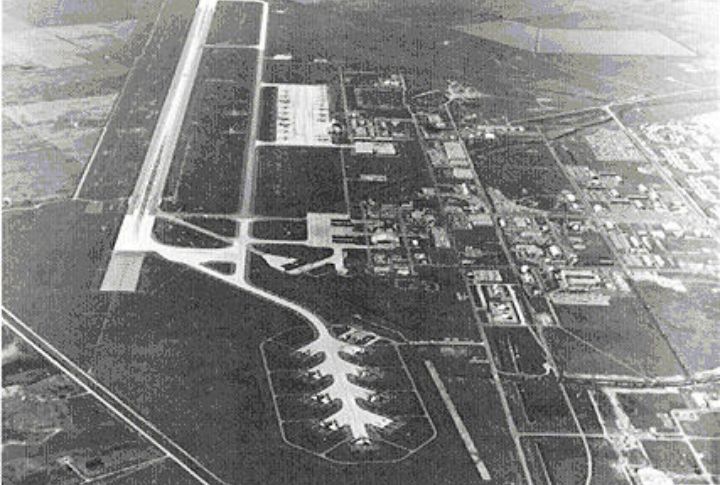
United States Air Force/Wikimedia Commons

“Why not Minot?” goes the saying. The answers to that question are—winters so cold they’re legendary and isolation that’s almost palpable. The Minot Air Force base, which is home to B-52 bombers and nuclear missile fields, thrives on solitude, which is a strategic necessity for its sensitive operations.

Fort Polk, Louisiana
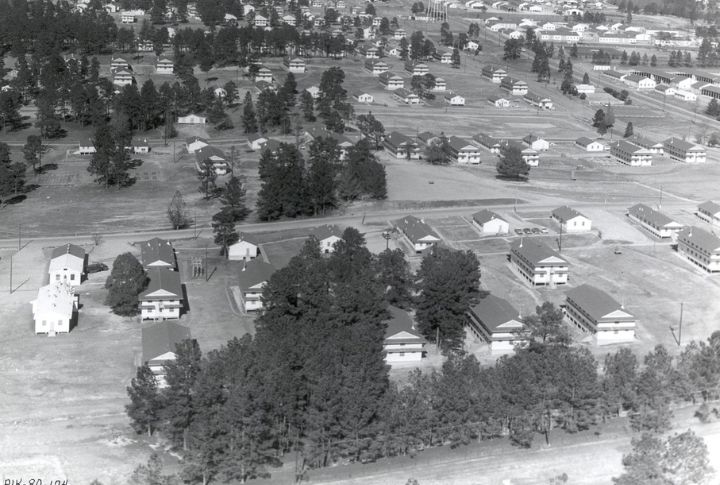
Wikimedia Commons

Hidden in the piney woods of west-central Louisiana, Fort Polk hosts rigorous combat training exercises, which recruits can focus on thanks to its remoteness. Additionally, the humidity and surrounding swamps make it the kind of challenging environment in which special forces thrive. Civilization feels far away, and so does the air conditioning.

Camp Roberts, California
Eliza J./Yelp

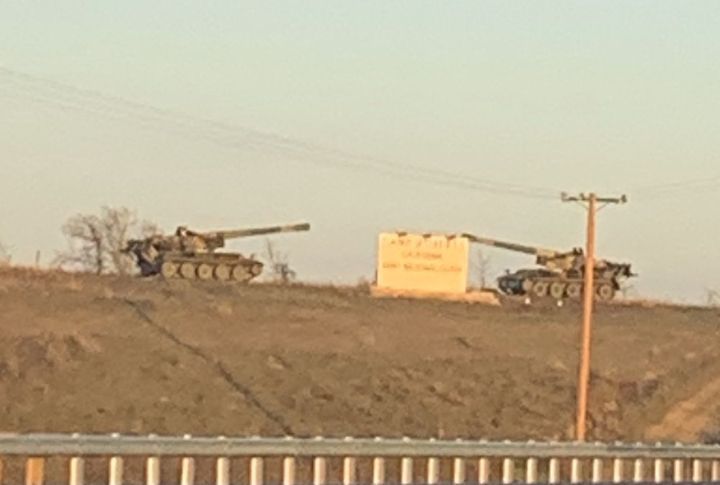
Straddling the line between San Luis Obispo and Monterey counties is Camp Roberts which is vast and sparsely populated. This National Guard training base offers wide-open spaces for drills, and its remote location ensures minimal distractions. However, the attempt to negate all distractions has resulted in rustic accommodations that might make you nostalgic for the smallest towns.

Joint Base Elmendorf-Richardson, Alaska
Airman 1st Class Andrew Britten/Wikimedia Commons

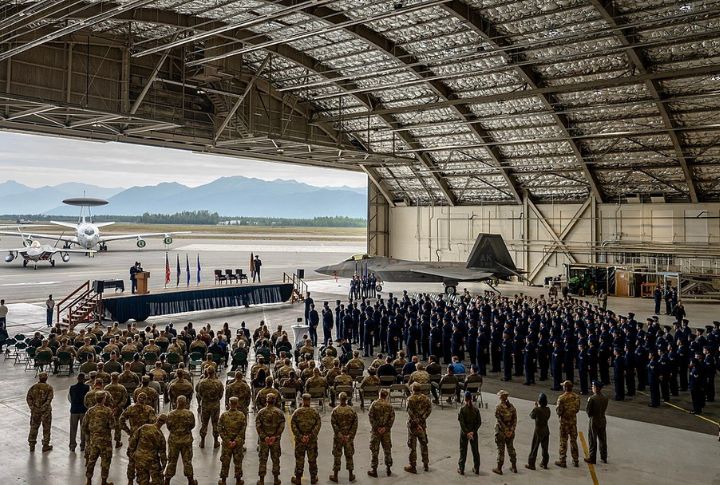
Anchorage may be nearby, but JBER’s vast wilderness setting feels isolated enough, with a surrounding terrain that is as rugged as it gets. The harshness of the terrain makes it ideal for Arctic and mountain warfare training. Wildlife sightings are frequent, but so is the sense that the rest of the world is just a little too far away.

Yuma Proving Ground, Arizona
USASOC News Service/Wikimedia Commons

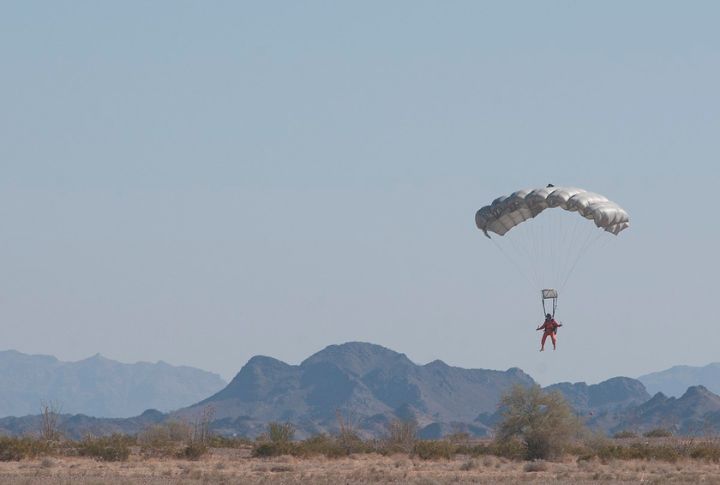
Yuma Proving Ground is spread across the Sonoran Desert tests armed forces equipment under the extreme conditions of relentless heat and barren surroundings to make it feel otherworldly. Armed forces equipment isn’t the only thing that gets tested either, as the people operating those equipment also get a crash course in keeping their gear operational in inhospitable climates.

Naval Air Weapons Station China Lake, California
U.S. Navy photo by Cmdr. Ian C. Anderson/Wikimedia Commons

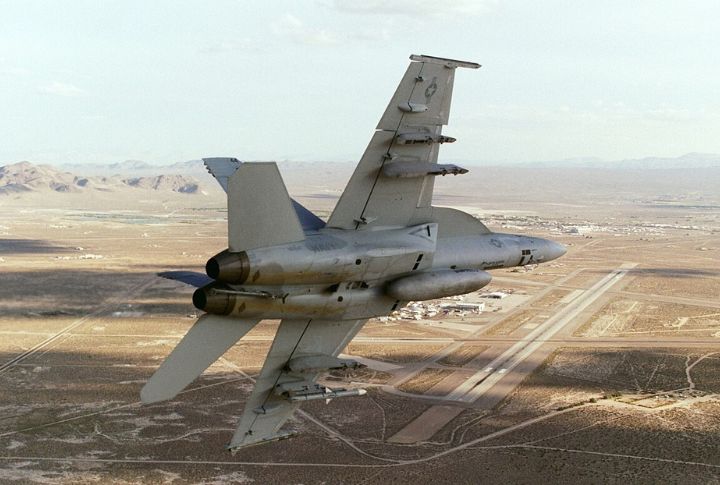
This base sprawls across the Mojave Desert, where Uncle Sam’s Wunderwaffe is developed and tested. It is because the location’s seclusion ensures safety and secrecy; however, it also means the nearest grocery store is a serious drive away, and the only ones to give you company are jackrabbits and tumbleweeds.

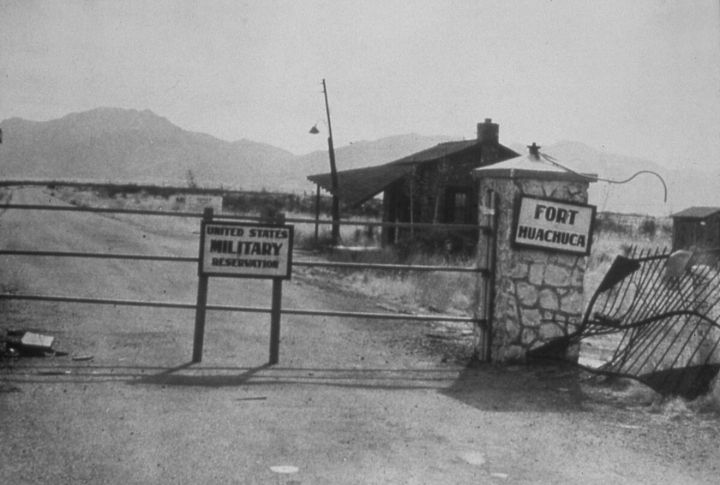
Fort Huachuca, Arizona
Wikimedia Commons

Situated in southern Arizona, arid mountains and deserts, which turn out to be excellent backdrops for armed forces intelligence training and testing unmanned aircraft systems surround Fort Huachuca. The remoteness of the location ensures focus but also makes it clear that entertainment isn’t on the itinerary.

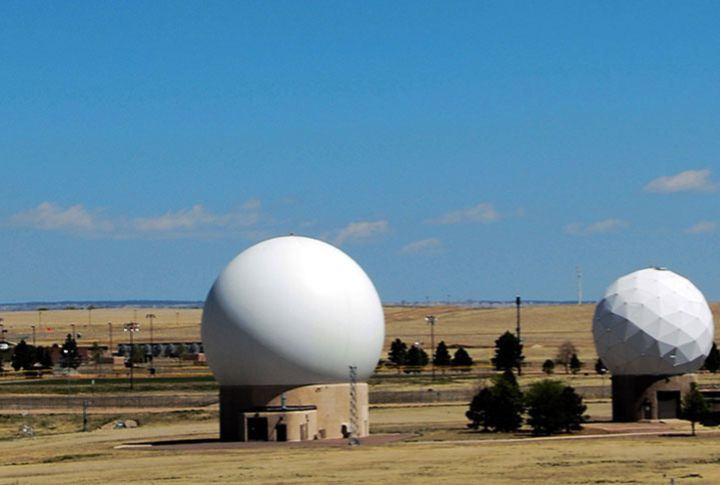
Schriever Space Force Base, Colorado
SSgt Don Branum/Wikimedia Commons

Just outside Colorado Springs, Schriever SFB controls military satellites. Despite its critical role, the base feels worlds away from urban life, where its remote prairie surroundings ensure minimal interference. This makes the Schriever Space Force Base perfect for cosmic-level operations—and equally cosmic levels of solitude.

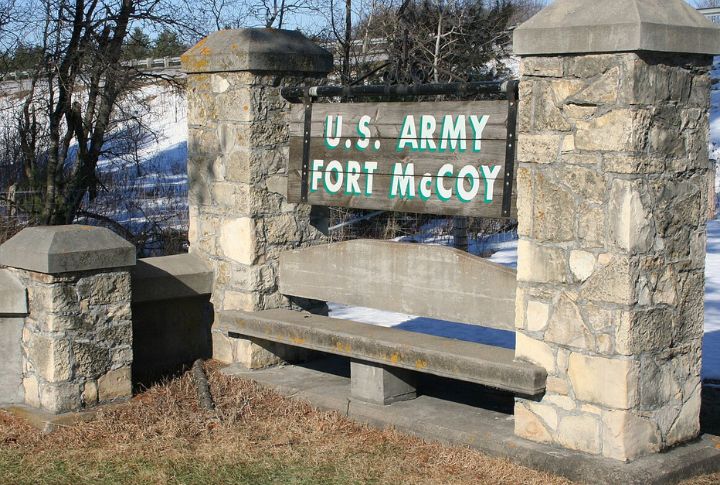
Fort McCoy, Wisconsin
Jonathunder/Wikimedia Commons

Fort McCoy is tucked between the small towns of Sparta and Tomah. A training hub, surrounded by rural charm—and not much else. The isolation of its location ensures that training exercises can be conducted without much worry about prying eyes. While it’s beautiful in its own way, the nearest Starbucks feels like a distant dream.

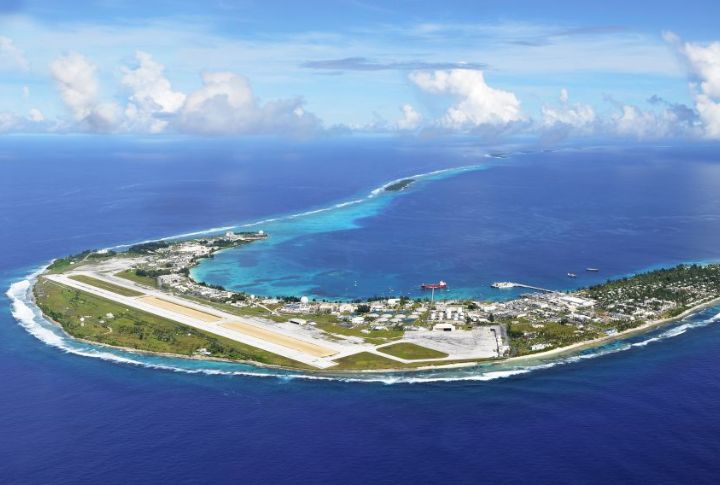
Kwajalein Atoll, Marshall Islands
United States Army/Wikimedia Commons

Technically outside the U.S., Kwajalein Atoll serves as a missile testing site due to its remote Pacific location. This far-out location ensures nothing’s in the way of the vengeful mock warheads except water. The irony of living an island life while training to end the world in a nuclear firestorm is not lost on its occupants.

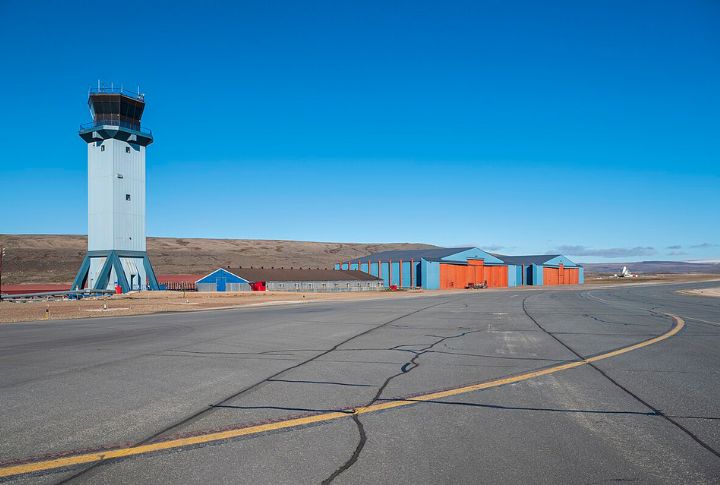
Thule Air Base, Greenland
Paul Honnick/Wikimedia Commons

Thule is the U.S. armed forces’s northernmost base, located in Greenland and surrounded by icy tundra. The low air density and low levels of pollution help support its missile warning and space surveillance missions. Its stark Arctic beauty can be humbling—and a constant reminder of just how far away “anywhere else” really is.

Continue Reading
Click to comment

Leave a Reply

Your email address will not be published. Required fields are marked *

News

10 Interesting Facts About The Zanclean Megaflood

Published

on

Paubahi/Wikipedia

A massive flood, lasting just over a decade, completely transformed the Mediterranean. This astonishing event has baffled scientists for years. What exactly happened when the Atlantic poured into the dry basin? The Zanclean Megaflood left clues in the form of unusual landforms, and its impact stretches far beyond the waters themselves—into history, climate, and ecosystems. Swipe to uncover ten fascinating facts about the Zanclean Megaflood.

Mediterranean Refilled In Just 2 To 16 Years

Christian Ferrer/Wikimedia Commons

The Zanclean Megaflood wasn’t a gradual event—it occurred over a span of just 2 to 16 years. Previous theories suggested a 10,000-year refilling process, but this discovery turned that idea upside down. Geological evidence, including rapid erosion channels and sediment deposition, confirms the flood’s fast pace.

Flood Waters Rushed At 72 Miles Per Hour

Paubahi/Wikipedia

At its peak, the Zanclean Megaflood’s water speed was a staggering 72 miles per hour (32 meters per second). That’s faster than a car on the freeway! The torrent carved through the seabed with such force that it reshaped entire coastlines and left behind permanent geological evidence.

Larger Than Any Known Flood In History

NOAA/Wikimedia Commons

No natural or man-made flood has ever released water at such an incredible rate, reaching up to 100 million cubic meters per second. This immense flow was enough to reshape the Mediterranean’s seafloor and reconfigure the region’s underwater channels.

Carved Deep Geological Features

Mrs V Bryant/Wikimedia Commons

Ever wondered how some features look like they’ve been reshaped overnight? The Zanclean Megaflood left behind asymmetric ridges and deep channels carved into the marine bed. These features were formed by the forceful surge of water that rapidly eroded and sculpted the seabed over a few years.

Changed A Salt Desert Into A Sea

Sharanbhurke/Wikimedia Commons

Before the flood, the Mediterranean was a dry, salty wasteland, evaporated by the Messinian Salinity Crisis. The flood brought it back to life in a matter of years and changed it from a barren salt flat into the thriving, biodiversity-rich sea we know today.

Flood Came From The Atlantic Ocean

Andreas Meck/Wikimedia Commons

Just picture the Atlantic Ocean suddenly pouring into the Mediterranean at unprecedented rates. A breach in the Gibraltar Strait unleashed a massive surge of water and refilled the basin. The immense flow carved new underwater channels and almost overnight reshaped the Mediterranean’s geography.

The Mediterranean Was Isolated For 200,000 Years

Vyacheslav Argenberg/Wikimedia Commons

Before the flood, the Mediterranean had been cut off from the Atlantic for more than 200,000 years. This isolation caused the sea to dry up, leaving behind thick salt deposits. When the flood arrived, it was like nature pressing “reset” on a millennia-long drought.

Evidence Hidden Beneath The Sea

BacLuong/Wikimedia Commons

Much of the flood’s evidence was hidden deep under the Mediterranean’s waters. Scientists used technology, like seismic reflection, to “see” through the sea bottom and uncover hidden channels, ridges, and sedimentary layers. Such discoveries revealed the flood’s immense scale and provided insights into the region’s ancient past.

Scientists Discovered The Megaflood Through Submarine Canyons

Tpedersen/Pixabay

Researchers identified the scale of the Zanclean Megaflood by studying deep underwater canyons, like the Noto Canyon, that were formed by the floodwaters. These canyons act as natural records of the flood’s path and provide key evidence about the flow’s power.

The Megaflood Contributed To Global Climate Shifts

Mount Rainier NPS/Wikimedia Commons

The rapid refilling of the Mediterranean had significant impacts on global climate patterns. The influx of freshwater into the Atlantic likely disrupted ocean currents, which could have triggered shifts in weather patterns and potentially influenced the global climate during the early Pliocene.

Continue Reading

News

10 Devastating Fires That Scarred The U.S.

Published

on

CAL FIRE_Official/Wikimedia Commons

Fire has the power to destroy lives, reshape cities, and leave scars on history itself. Across the United States, some blazes have grown into infamy, remembered for their devastating impact and the resilience they inspired. Here are ten deadly fires in America that shaped its history forever.

Los Angeles Fire Of 2025

Grigory Heaton/Wikipedia

The Palisades and Eaton Fires in Los Angeles have burned over 37,800 acres, destroyed more than 12,000 structures, and claimed at least 25 lives. With more than 200,000 residents evacuated, firefighters continue battling relentless flames. According to Cal Fire, it is one of the most destructive wildfires in the history of southern California.

Lahaina Fire Of 2023

State Farm/Wikimedia Commons

On August 8, 2023, the Lahaina Fire tore through the town of Lahaina, Hawaii, and became the deadliest wildfire in the U.S. in over a century. The destructive blaze claimed 102 lives, with many more still unaccounted for. It obliterated the town, even claiming the iconic banyan tree, despite efforts to protect it.

Camp Fire Of 2018

NASA, Joshua Stevens/Wikipedia

Fueled by high winds and drought, a catastrophic wildfire leveled the town of Paradise in California on November 8, 2018, destroying 18,000 structures. Tragically, eighty-five lives were lost, and 50,000 people were displaced. In the aftermath, Pacific Gas & Electric was found liable for sparking the fire.

Rhododendrites/Wikimedia Commons

Pyrotechnics sparked this Rhode Island blaze on February 20, 2003, and led to the fatal loss of 100 concertgoers’ lives in less than five minutes. Fumes and the overcrowded exits turned the venue into a dangerous snare. Survivors testified about the confusion and chaos of the panicked crowd.

Oakland Firestorm Of 1991

Wikimedia Commons

Over the span of two days, a reignited grass fire in Oakland Hills, California, destroyed 2,900 buildings, killed 25, and injured 150. This firestorm spread across 1,520 acres and caused $1.5 billion in damages. For many, the rapid spread of the blaze left them with little more than moments to escape.

Texas City Disaster Of 1947

U.S. Chemical Safety Board/Wikimedia Commons

In Texas City, a ship filled with ammonium nitrate exploded on April 16, 1947, igniting fires that led to the loss of nearly 600 people’s lives. The blast’s force was so strong that it shattered windows 40 miles away. To this day, it remains one of the largest non-nuclear explosions in history.

Cloquet Fire Of 1918

Wikipedia

Sparks from a rail line started a firestorm on October 12, 1918. As a result, the fire killed 453 people, destroyed 38 towns, and left thousands homeless. The flames consumed 250,000 acres, and with heat so fierce, the fire reportedly melted rail tracks in its path.

Great Fire Of 1910

National Photo Company/Wikipedia

Burning across northeastern Washington, northern Idaho, and parts of Montana, this wildfire consumed 3 million acres in just two days. Known as the “Big Blowup,” it claimed 87 lives. Because of the intense nature of the flames, their weather system was created, including fire tornadoes.

San Francisco Fire Of 1906

Arnold Genthe/Wikipedia

After the infamous earthquake on April 18, 1906, fires engulfed San Francisco, California, and consumed 500 city blocks. Gas leaks and toppled lanterns turned ruins into infernos. Over 3,000 lives were lost, and fire crews were forced to dynamite buildings to prevent further spread.

Peshtigo Fire Of 1871

T.M. Fowler & Co.; Charles Shober & Co.; Chicago Lithographing Co./Wikimedia Commons

On October 8, 1871, the Peshtigo Fire devastated Peshtigo, Wisconsin, and became “the most devastating forest fire in American history,” according to the National Weather Service. The inferno consumed 1.2 million acres and claimed over 1,500 lives. Its unimaginable heat turned sand into glass and even incinerated animals mid-flight.

Continue Reading

News

10 Red Flags That Someone Is Faking Competence

Published

on

RDNE Stock project/Pexels

Ever met someone who’s just too confident for their own good? They act like they’ve figured it all out, except something’s off. You’re not imagining things. Here are 10 signs that someone’s secretly incompetent and doing their best to cover it up.

Overly Defensive

Fauxels/Pexels

Getting defensive when receiving feedback can reveal uncertainty about their abilities. They may reject criticism and resist acknowledging that with some guidance or effort, they could improve and gain more confidence in their skills.

Blames Others

Yan Krukau/Pexels

We’ve all had our fair share of “bad luck,” but when someone constantly shifts the blame to others, it might be a sign they’re avoiding ownership of mistakes. It’s easier to point fingers than admit they don’t have all the answers themselves.

Overpromises And Underdelivers

VinzentWeinbeer/Pixabay

They’re enthusiastic about taking on every project, and when it comes time to deliver, the results don’t match the promise. Overcommitting—something we all do now and then, often hides an underlying fear of falling short or not meeting expectations.

Avoids Accountability

Monstera Production/Pexels

Nobody’s perfect, but avoiding responsibility for mistakes by making excuses can be a red flag. While it’s tempting to dodge embarrassment, meaningful development happens when we confront our errors and turn them into learning experiences.

Avoids Detailed Questions

Christina Morillo/Pexels

When asked for specifics, they deflect or give vague responses. This isn’t due to a lack of willingness to share but stems from their own uncertainty about the details. Their unclear answers reveal gaps in understanding, even while trying to maintain an appearance of control.

Avoids Collaboration

Rodeo Software/Pexels

Teamwork has the potential to highlight gaps in ability, so they go to great lengths to avoid it. Preferring to work alone or dodging collaborative environments allows them to hide their shortcomings. This approach is often rooted in insecurity and a fear of being overshadowed.

Overexplains Simple Concepts

Khwanchai Phanthong/Pexels

When someone consistently over-explains even the simplest tasks, it might be because their understanding is lacking. Instead of giving a concise answer, they add unnecessary details to mask their lack of confidence in the subject.

Leans On Jargon

Yan Krukau/Pexels

Sometimes, a well-placed technical term can make you sound knowledgeable, but relying too much on jargon can signal that they’re hiding a lack of deeper understanding. It’s a clever way to sound smart. Nevertheless, real expertise comes from simplicity and clarity.

Relies On Others To Validate Their Skills

RF._.studio/Pexels

They depend on others to endorse their competence rather than proving it themselves. Frequent name-dropping or highlighting others’ praise can be an attempt to mask insecurity or a lack of actual ability, shifting focus away from their own shortcomings.

Fixates On Small Details

ANTONI SHKRABA production/Pexels

Some people fixate on minor details, which might seem like perfectionism, yet it can be a way to steer clear of larger problems. They may get caught up in the little things to avoid confronting bigger, more intimidating challenges.

Continue Reading

Trending

Copyright © 2025 CityStateZipCode.com