Animals
20 Aquarium Fish That Aren’t as Friendly as They Look

Hidden beneath vibrant colors and graceful movements, some aquarium fish have personalities that can wreak havoc in your tank. These feisty swimmers may nip fins, defend territories fiercely, or turn peaceful tanks into battlegrounds. Let’s explore these underwater troublemakers.
Tiger Barb
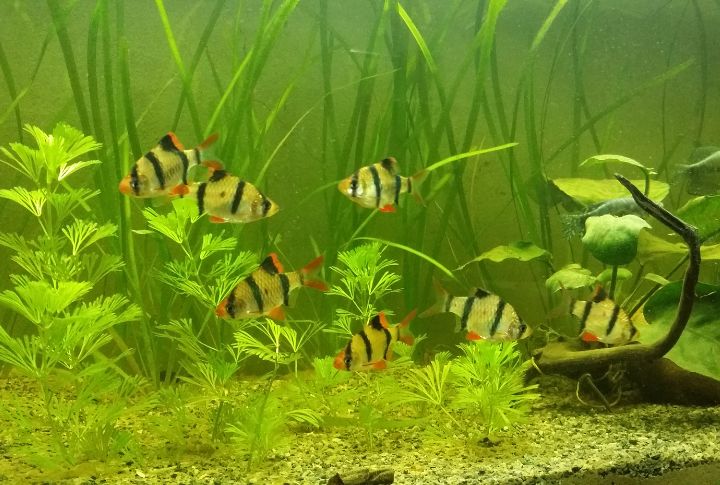
Energy radiates from Tiger Barbs, yet their lively nature often turns sour. The fin-nipping daredevils target slow-moving fish like Angelfish and leave them stressed and injured. Their striking stripes may impress you, but housing them in schools of six or more minimizes aggression and chaos.
Jack Dempsey
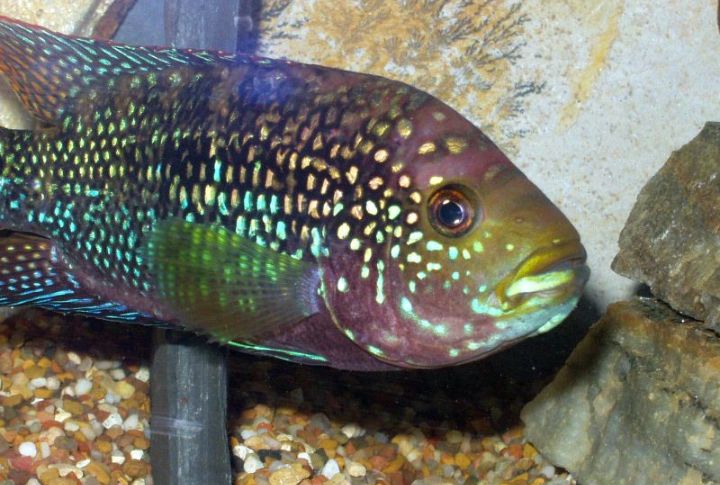
Named after a famous boxer, Jack Dempseys bring their fighting spirit to aquariums. Their aggression peaks during breeding, and defending the fry becomes their top priority. Adding sturdy companions like Plecos may reduce confrontations, but never underestimate their knack for dominating tanks.
Green Terror
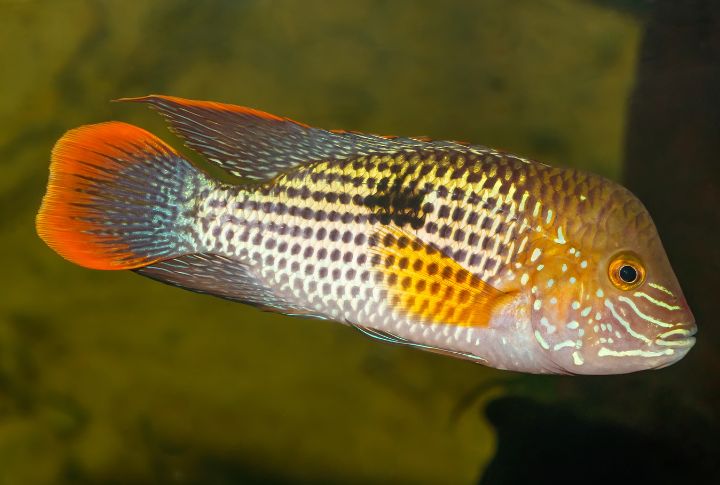
To keep a Green Terror in your tank, you’ll need a spacious setup with plenty of caves, though don’t expect a peaceful environment, especially with smaller fish. Males are particularly aggressive, flaunting bright colors and becoming more combative during breeding. They often clash with tank mates.
Convict Cichlid
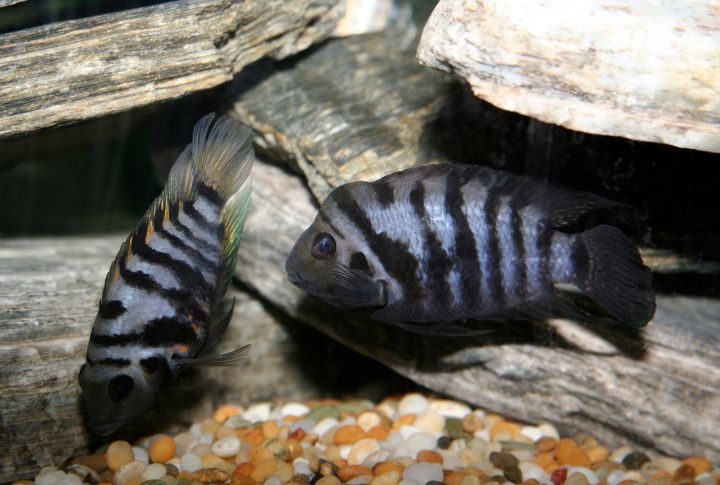
Convict Cichlids, with their bold black-and-white stripes, are aggressive fish that fiercely guard their breeding areas. They thrive in tanks with clearly defined territories, though they tend to clash with tank mates, particularly with other aggressive species like Jewel Cichlids. Expect territorial battles, as these fish are known for their combative nature.
Red-Tailed Black Shark
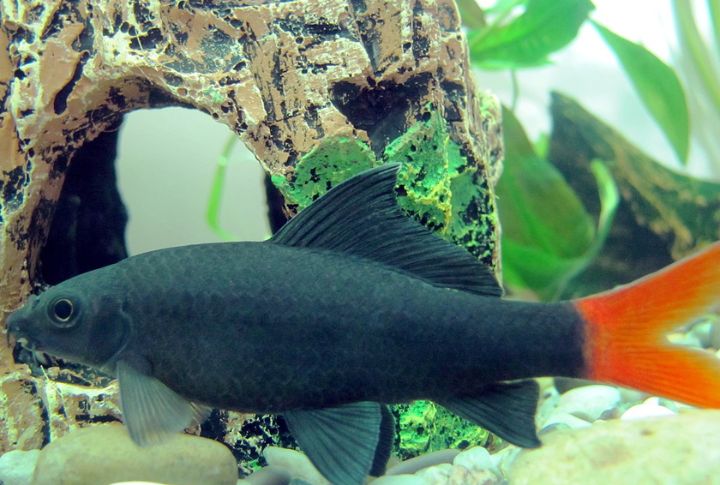
Grace meets aggression with Red-Tailed Black Sharks. They defend their territory fiercely and chase intruders without hesitation. If your tank lacks hiding spots or companions like fast-moving Danios, conflicts arise. Their territorial disputes often make them better suited for species-specific tanks rather than peaceful communities.
Wolf Cichlid
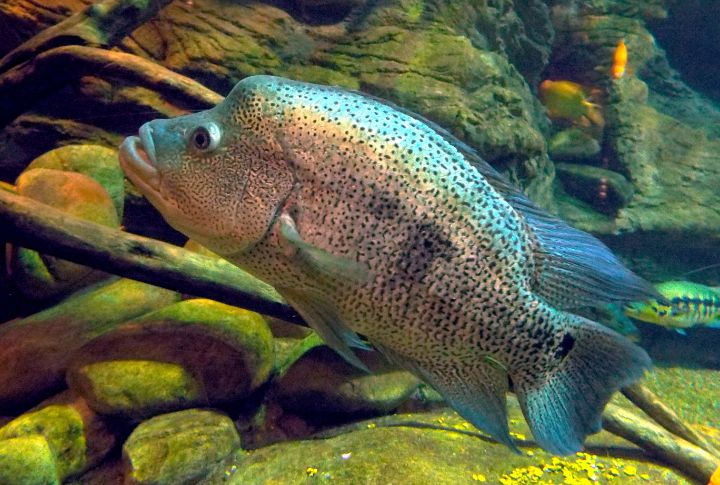
Wolf Cichlids thrive on control, dominating territories with precision. A predatory instinct makes them a poor choice for community tanks. These tough cichlids thrive solo or with other aggressive species in expansive tanks. The reputation they hold isn’t for show—it’s earned through sheer power.
Jewel Cichlid
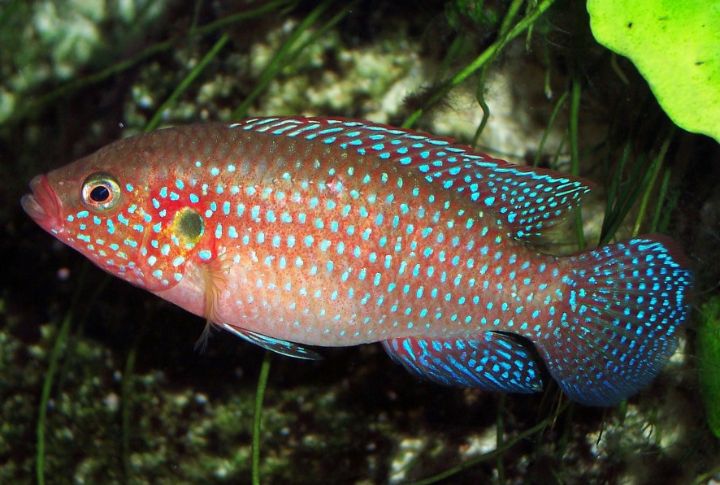
Their behavior demands extra care, as even experienced aquarists find Jewel Cichlids challenging. Though their vivid hues make them a showstopper, their aggression can turn a peaceful tank upside down. Giving plenty of hiding spots and ample space minimizes conflicts, which ensures they thrive without chaos.
Betta Fish
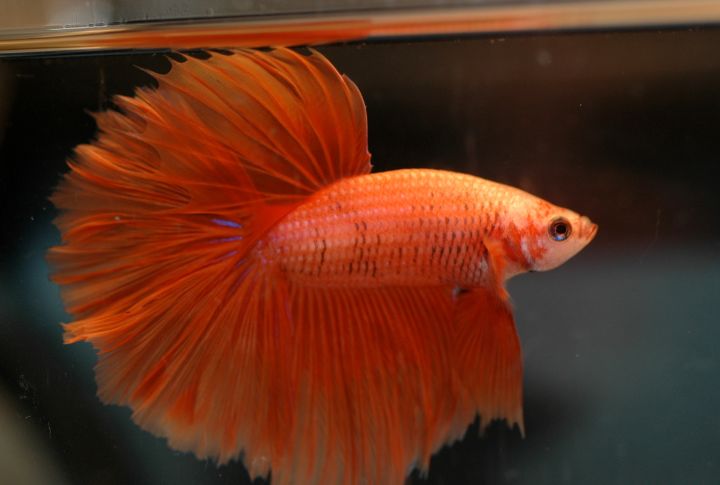
Betta fish’s fierce nature hides behind their flowing fins. They may mistake species with flashy tails for rivals, leading to fights, especially among males. To prevent unnecessary confrontations, avoid mirrors or brightly colored neighbors and make sure their fiery personalities remain contained within a peaceful tank environment.
Chinese Algae Eater
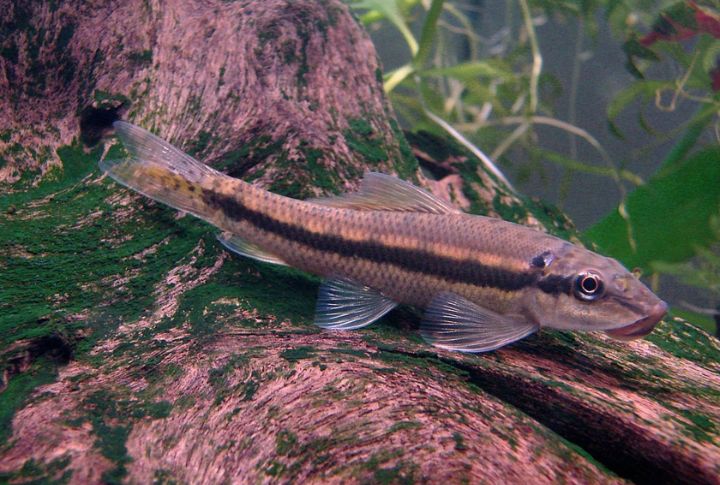
What starts as an algae-cleaning savior often morphs into a tank trickster. As they mature, Chinese Algae Eaters develop a taste for fish slime coats and leave others vulnerable. They thrive better in larger setups with non-aggressive tank mates such as Loaches or Tetras.
Oscar Fish
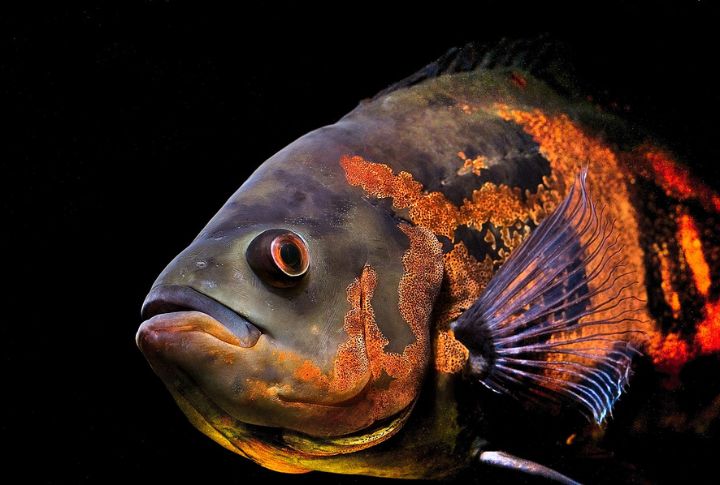
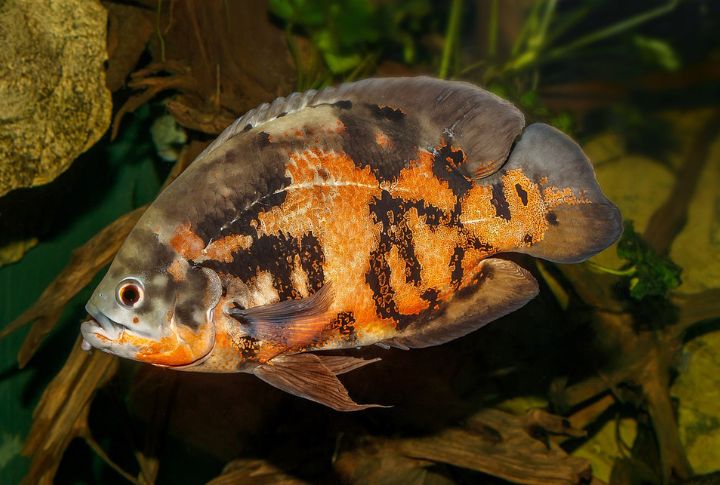
Oscars combine high intelligence with territorial dominance and challenge even seasoned aquarists. They recognize their owners yet aggressively guard their space. Expect them to outgrow small tanks quickly, demanding setups exceeding 75 gallons. Smaller fish? Consider them snacks rather than companions.
Flowerhorn Cichlid
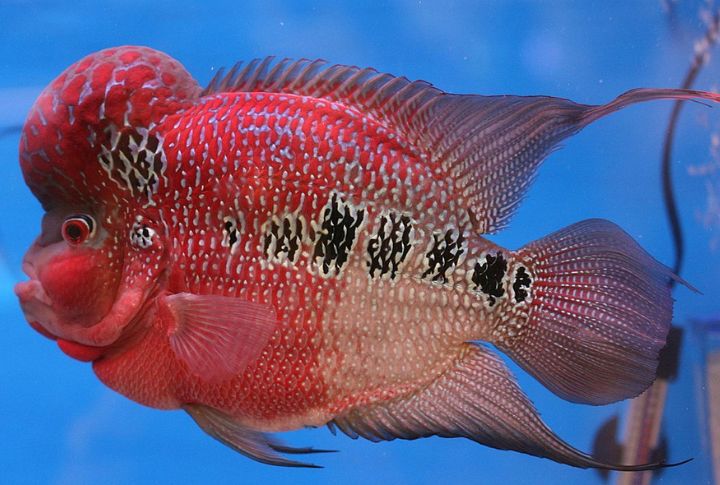
Bright colors and a unique forehead hump define the Flowerhorn Cichlid. Despite their beauty, their territorial nature sparks frequent aggression, especially in confined tanks. If you keep the hybrid species alone or pair them with similarly hardy fish in a spacious setup, it prevents relentless conflicts.
Green Spotted Puffer
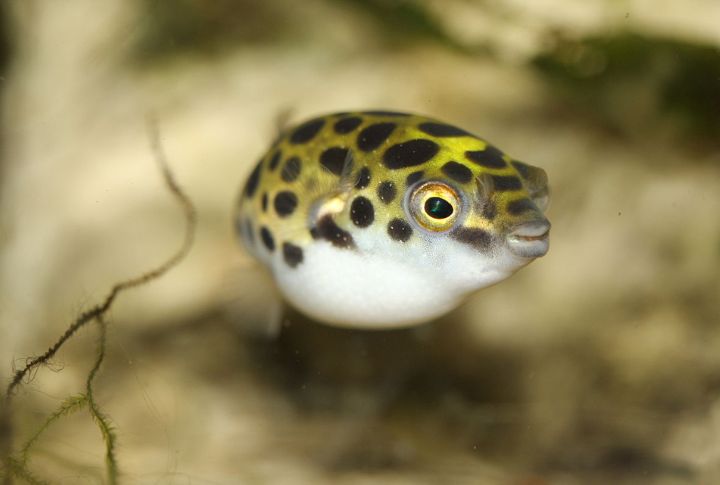
Don’t underestimate their sharp teeth—they mean business in tight spaces. Green Spotted Puffers deceive with their curious, playful demeanor but surprise tank mates with aggressive nips. These territorial fish require brackish water and a solitary environment. Thus, keeping them with slow-moving species invites trouble.
Mbuna Cichlids
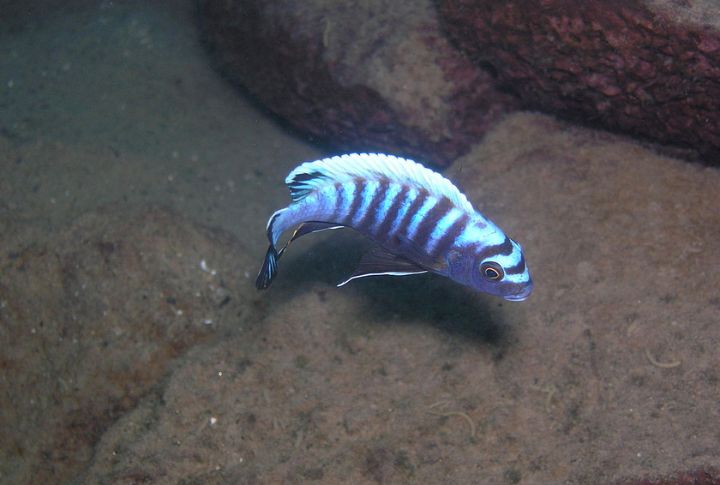
Mbunas from Lake Malawi defend rocky territories with gusto and challenge any intruder. Their colorful appearance lures hobbyists, but their feisty nature often overwhelms peaceful fish. To manage aggression, mimic their natural habitat with plenty of hiding spaces and house them in large groups.
Auratus Cichlid
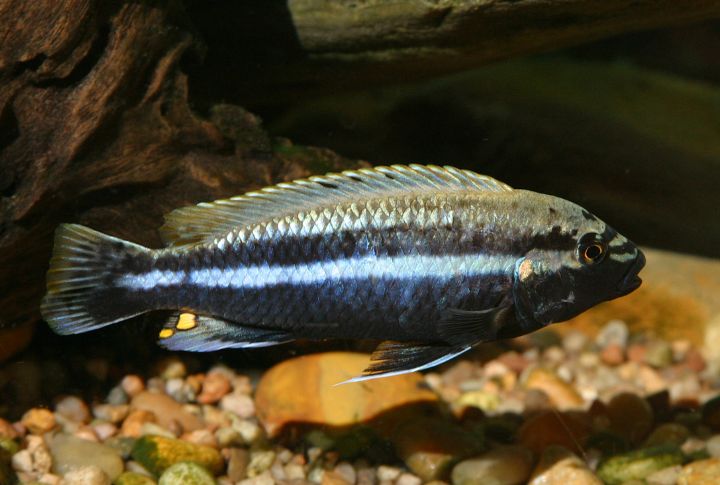
Small yet fearless, Auratus Cichlids harass even larger tank mates. Males, especially, showcase relentless dominance, making them unsuitable for peaceful aquariums. These golden fish thrive in species-only setups where their behavior won’t disturb community harmony.
Pike Cichlid
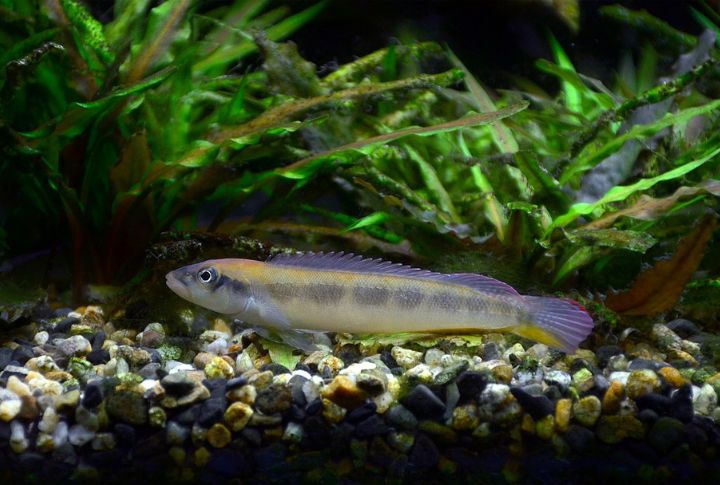
Pike Cichlids are swift, stealthy predators that dominate their tanks. Known for their hunter instincts, they thrive with sturdy tank mates and quickly eliminate smaller fish. These elongated fish are apex predators, which makes them a challenging choice for hobbyists who need to carefully manage their environment.
Fahaka Puffer
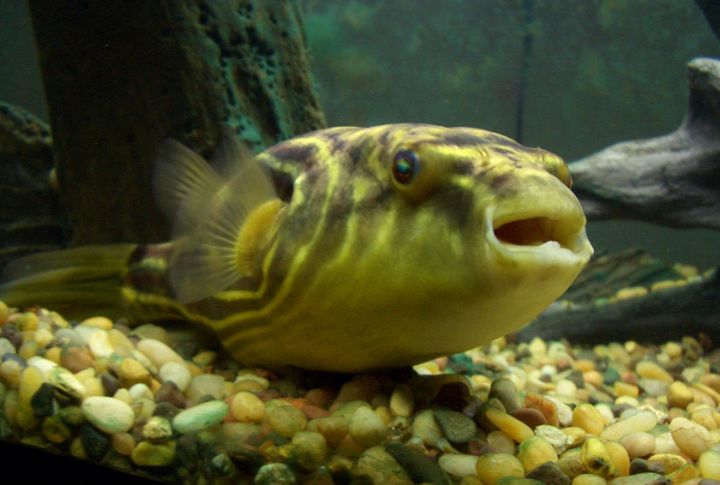
A species-specific tank with plenty of space keeps these puffers happy and stress-free. Fahaka Puffers are large, territorial fish with powerful beaks that crush snails and crabs. Introducing them into community tanks often leads to carnage, as they claim territories aggressively.
Tiger Shovelnose Catfish
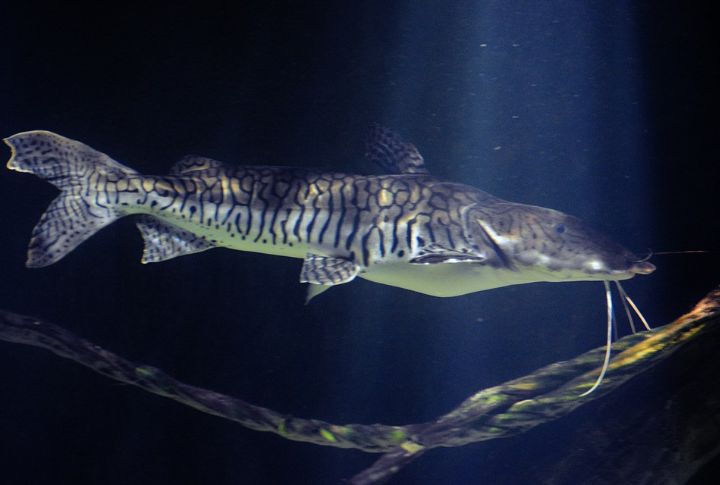
Tiger Shovelnose Catfish, with their patterned bodies, are voracious eaters. Their size and predatory nature make them unsuitable for tanks with small fish. They thrive in setups exceeding 100 gallons and with equally strong mates. While they have a lot of beauty, they hide their appetite for chaos.
Electric Blue Hap
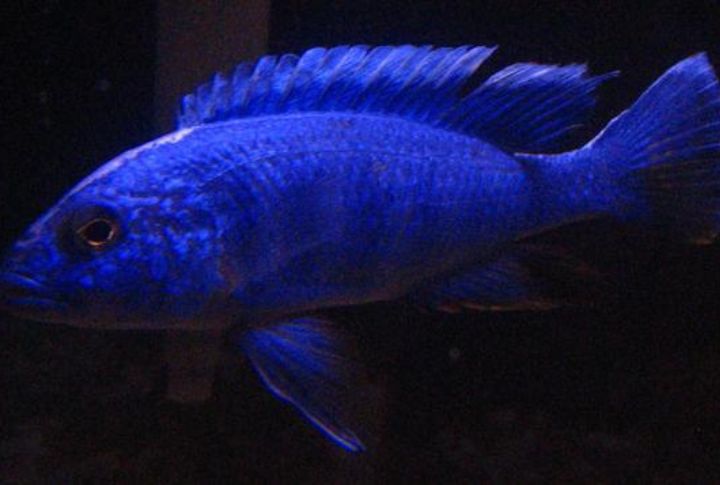
Dazzling with vibrant blue scales, Electric Blue Haps grab attention but challenge tank mates with dominance displays. Best suited for male-only or single-species tanks, these African cichlids need careful planning to prevent aggression. With a striking beauty, they often come at the cost of tank harmony without adequate space.
Parrotfish
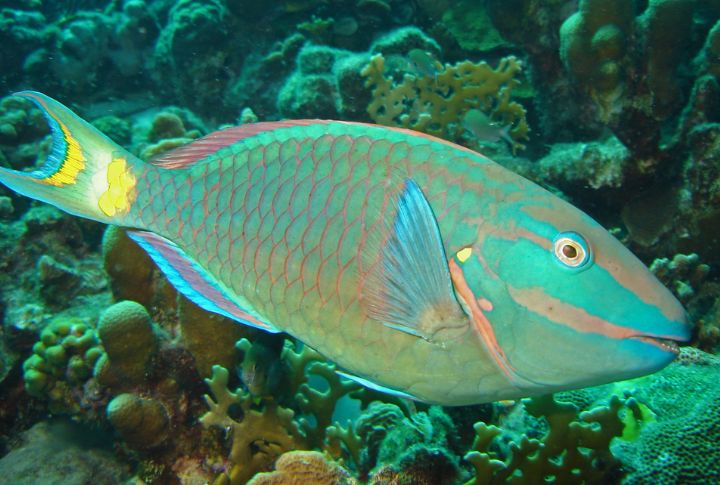
Beneath their adorable exterior, Parrotfish hybrids hide a fiercely territorial side that can upset calm tanks. Their small size belies their combative behavior that often unnerves tank mates. However, with proper space, care, and careful tank planning, coexistence is possible, though it remains far from simple.
Mbu Pufferfish
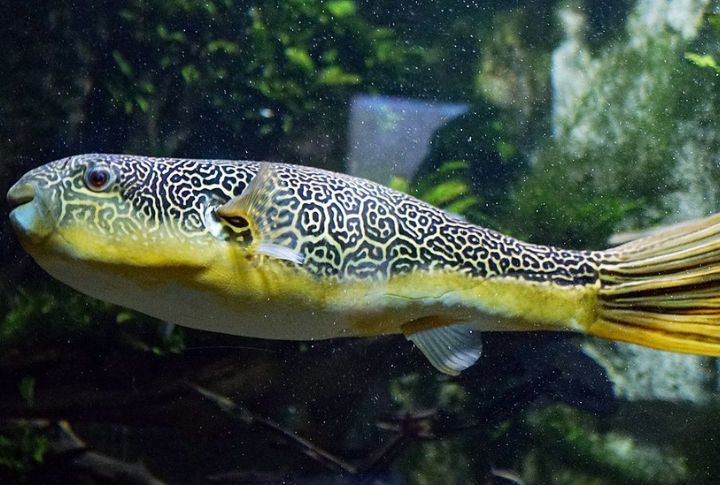
Despite their beauty, their temperament demands significant experience. Mbu Puffers, among the largest freshwater puffers, require massive tanks to accommodate their size and aggressive streak. These fish frequently attack tank mates, which forces aquarists to keep them alone in their tanks.

Animals
10 Predators That Were A Match For The Mighty T-Rex

The T-Rex wasn’t the only dominant predator of its era. Some creatures, armed with strategy, speed, and power, were just as capable of taking on the mighty beast—and might have even outmatched it in certain ways. Let’s take a closer look at ten such examples.
Spinosaurus Aegypticus

Could a creature with an aquatic edge and massive size outmatch the T-Rex? The Spinosaurus, with its crocodile-like snout, powerful swimming skills, and long, muscular arms, was a formidable predator. Its abilities as an amphibian, along with a large sail on its back, may give it an edge over the T-Rex.
Giganotosaurus Carolinii

Giganotosaurus’s muscular build and speed made it an efficient predator. Its lean frame allowed for quick, precise attacks, and it was ideal for chasing down prey. In a direct confrontation with the T-Rex, Giganotosaurus’s agility and endurance could outmaneuver the slower, heavier dinosaur.
Carcharodontosaurus Saharicus

To defeat the T-Rex, Carcharodontosaurus relied on its speed, darting in and out of reach to land a fatal blow. The creature’s muscular build gave it the strength to overpower large prey while its shark-like teeth tore through flesh. That’s what made it an efficient predator.
Allosaurus Fragilis

Faster, sharper, and more agile, Allosaurus may have been able to dodge the brute strength of a T-Rex. It employed a strategy of quick, lethal strikes to overwhelm its prey. With sharp claws and powerful jaws, Allosaurus was a threat in its own right—what would a showdown look like?
Megalosaurus Buckland

A heavyweight contender of its time, Megalosaurus could hold its own against smaller dinosaurs. Although it didn’t match the sheer size of a T-Rex, it was one of the first large predators to dominate that environment. Many assume its cleverness may have given it the upper hand in a fight.
Therizinosaurus Cheloniformis

Though Therizinosaurus seemed more like a peaceful plant-eater, its sheer size and long claws were its hidden weapons. In a clash with the T-Rex, those claws may potentially have acted as an effective shield, and its unpredictable nature might have made it hard for the T-Rex to anticipate its next move.
Baryonyx Walkeri

Baryonyx was a specialized predator known for hunting fish and large prey. Its long, crocodile-like snout was a deadly weapon. What if it faced off against the T-Rex? With its speed and sharp instincts, Baryonyx could surprise even the most dominant carnivores of its time.
Dakotaraptor Steini

While the T-Rex dominated with its size, Dakotaraptor’s true strength lay in its speed and precision. Smaller but faster, it could use its agility to outmaneuver the T-Rex, striking fast and retreating before the larger predator could react, which would make it a difficult opponent to pin down.
Argentinosaurus Huinculensis

Argentinosaurus’s sheer size, reaching over 65 tons, would have made it nearly impossible for any predator, including the T-Rex, to overpower. Though it grazed on plants, its weight and mass may have been enough to fend off attacks simply by standing its ground.
Saurophaganax Maximus

With teeth and claws designed for dispatching massive prey, Saurophaganax dominated the late Jurassic period. Its build prioritized power and speed. While it never faced the T-Rex, its physicality would have posed a serious challenge to any apex predator.
Animals
How Wolves Changed The Ecosystem Of Yellowstone National Park

You’d think adding a pack of wolves to Yellowstone would just mean more howling at the moon, right? Turns out, these predators didn’t just make noise—they completely turned the park around. So, let’s explore ten incredible ways wolves brought Yellowstone back to life and left paw prints on the park forever.
Wolves Put Elk On The Move

Predators keep prey alert, and Yellowstone’s wolves did just that. Elk, once grazing leisurely, began moving frequently to avoid becoming dinner. This shift reduced overgrazing in valleys and along rivers. By 1995, when wolves returned, the park was already struggling. Now, you can see healthier meadows and thriving aspen stands thanks to this natural chase.
Streams Began Flowing Freely Again

With fewer elk munching away, riverbanks regained their strength. Willows and cottonwoods sprang back to life, stabilizing soil and reducing erosion. In the late 1990s, riparian zones bounced back, which attracted beavers and songbirds. Rivers like the Lamar are perfect examples of how bringing wolves back gave Yellowstone’s waterways a much-needed breather.
Scavengers Got A Boost

Every wolf kill turned into a feast for Yellowstone’s scavengers. Animals like ravens and eagles thrived on the leftovers. These carcasses provided much-needed nutrition, especially during tough winters. In fact, scientists noticed an increase in scavenger populations around wolf territories. This way, wolves were feeding more than just themselves.
Beavers Made A Grand Return

Beavers were nearly gone from Yellowstone by the 1920s. Wolves brought them back indirectly by reducing elk grazing. With willows and aspens recovering, beavers found the building materials they needed. Soon, their dams started popping up again, which created ponds that supported fish, amphibians, and waterfowl.
Coyotes Lost Their Reign

Coyotes had been at the top of the food chain after wolves were eradicated in the 1920s, and their population exploded. But the return of wolves changed that. Within a few years, coyote numbers were cut in half. This allowed small mammals like rabbits and voles to rebound, further benefiting hawks, foxes, and other predators.
Grizzly Bears Found More Food

Yellowstone’s grizzlies were some of the biggest beneficiaries of the wolves’ return. Carcasses left behind by wolf packs provided a vital food source, especially during early spring when food is scarce. The regrowth of plants like berry bushes added another boost to their diets. Bears and wolves may not be friends, but they’re part of the same success story.
Insects Joined The Party

It wasn’t just big animals that benefited—tiny ones did, too. Wolf kills created nutrient-rich patches of soil as carcasses decomposed. Insects, like beetles and flies, thrived in these areas, drawing in birds and other insect-eaters. By 2000, researchers observed a notable increase in insect activity near wolf kill sites, strengthening the park’s food web from the ground up.
Tourism Thrived Thanks To Wolves

Wolves became a major draw for tourists. Visitors eager to see these iconic predators in the wild boosted Yellowstone’s tourism industry significantly. Around the early 2000s, wolf-related tourism added an estimated $35 million annually to local economies, further supporting businesses and jobs while showcasing the park’s revitalized wildlife.
Research And Education Flourished

Yellowstone’s wolf reintroduction became a global case study in ecosystem restoration. Scientists flocked to study the wolves’ cascading effects to uncover lessons in predator-prey dynamics. Over 150 studies have been published on the topic, influencing conservation strategies worldwide. This remarkable success story continues to inspire rewilding projects everywhere.
The Controversies Surrounding Yellowstone’s Wolves

Not everyone cheered the wolves’ return. Ranchers near Yellowstone worried about livestock losses, claiming wolves posed a threat to their livelihood. Some even pushed for culling programs. Hunters argued that wolves reduced elk herds too much, which impacted sport hunting. Despite these concerns, studies showed that wolves actually balanced wildlife populations.
Animals
10 Landmark Wildlife Conservation Efforts In North America

North America is home to diverse ecosystems and wildlife, but many species face significant threats. Over the years, dedicated conservation efforts have played a key role in protecting wildlife and their habitats. Here are 10 landmark conservation efforts that have helped safeguard the region’s natural heritage.
The Endangered Species Act Became A Lifeline For Wildlife

The Endangered Species Act (ESA) was a turning point for conservation after being signed into law in 1973. It granted lawful protection to species on the brink of elimination and restored populations like the bald eagle and gray wolf. Without it, many iconic species might have vanished forever.
North America’s Unique Conservation Model

What if wildlife belonged to the people instead of private landowners? That idea shaped the North American Model of Wildlife Conservation and ensured that animals like elk and waterfowl thrive under public trust. This model, built on science and sustainable use, revolutionized conservation policies.
Migratory Birds Gained International Protection

A century ago, unchecked hunting nearly wiped out species like the snowy egret. The 1918 Migratory Bird Treaty Act changed that and banned the unregulated elimination of birds across North America. Today, millions of birds follow their ancient migration routes safely, thanks to this cross-border agreement.
Marine Mammals Gained Protection From Exploitation

Imagine a world without whales, seals, or sea otters. That was a real issue before the Marine Mammal Protection Act of 1972, which banned their hunting and harassment. Since then, populations like the gray whale have rebounded and shown that strong legislation can reverse the decline.
National Wildlife Refuges Became Safe Havens For Species

It started with a single bird sanctuary in 1903, but today, the National Wildlife Refuge System spans over 150 million acres. These protected areas provide homes for everything from monarch butterflies to grizzly bears, which ensures critical habitats remain untouched.
The Lacey Act Took Aim At Unlawful Wildlife Trade

Smugglers and poachers once traded wildlife with few consequences. The 1900 Lacey Act changed that by criminalizing the transport of unlawfully taken plants and animals. This remains one of the toughest laws against wildlife trafficking, safeguarding species from exploitation.
Wetlands Conservation Became A Priority For Migratory Birds

Why do North America’s ducks still have healthy breeding grounds? The 1989 North American Wetlands Conservation Act provided funding to restore and protect wetland habitats. These efforts support countless bird species while improving water quality and flood control.
A Conservation Corridor Stretched From Yellowstone To Yukon

Spanning from Wyoming to the Arctic, the Yellowstone to Yukon Conservation Initiative is among the most ambitious wildlife connectivity projects in North America. Since 1993, it has restored migration pathways for large mammals like grizzlies and caribou to move freely across vast mountainous landscapes.
Amphibians and Reptiles Received Long-Overdue Attention

Frogs, turtles, and salamanders often get overlooked in conservation. That’s why the 1999 Partners in Amphibian and Reptile Conservation initiative changed that by focusing on habitat restoration and pollution control. These small creatures play a big role in healthy ecosystems.
A Bold Plan Aims To Protect 30% Of U.S. Land And Waters

By 2030, the U.S. plans to conserve nearly a third of its natural landscapes through the America the Beautiful Initiative. Grounded in community involvement and ecological restoration, the effort strengthens environmental resilience while securing vital habitats for future generations.
-
Travel6 days ago10 Remote Hideaways Scattered Across The Great Basin
-
Cities2 months ago15 US Cities Where You Can Live Car-Free with Ease
-
States6 months ago10 U.S. States Facing Groundwater Depletion
-
Lifestyle9 months ago15 Things You Should Never Say on a First Date
-
States12 months ago10 Treasured Parks You Should See Before It’s Too Late
-
Travel2 weeks ago10 Evolved Military Sites Of Pre-Independence America
-
Health8 months ago10 Phrases That Make Sensory Overload Worse
-
Lifestyle6 months ago10 Lines That Pop An Ego Without Starting A Fight