Louisiana
10 Key Louisiana Cities Preparing For The Next Big Storm

Louisiana knows storms by name. Each year, familiar anxieties rise with the heat as cities recheck flood maps and backup generators. Some towns get hit harder, and they know it. So, who’s already bracing for impact in 2025? These ten spots top the worry list.
New Orleans

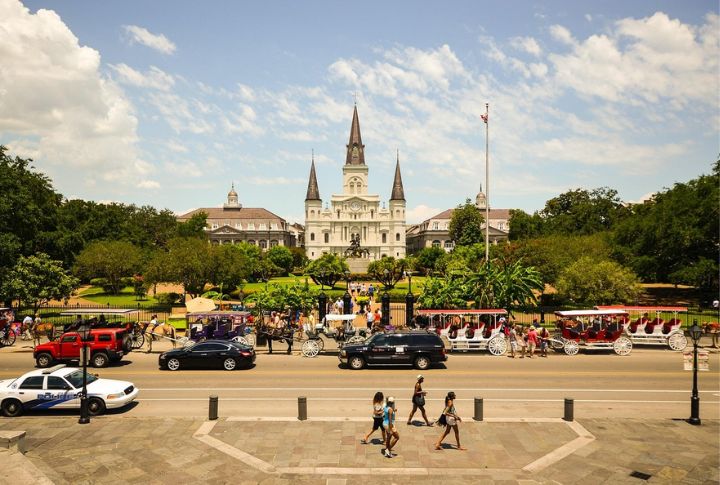
New Orleans is highly vulnerable to hurricanes because it sits below sea level and is near the Gulf Coast. Storm surges, like those during Hurricane Katrina, can easily breach protective barriers. To reduce future risks, the city is continuously improving its levees and emergency systems to protect its population.
Baton Rouge
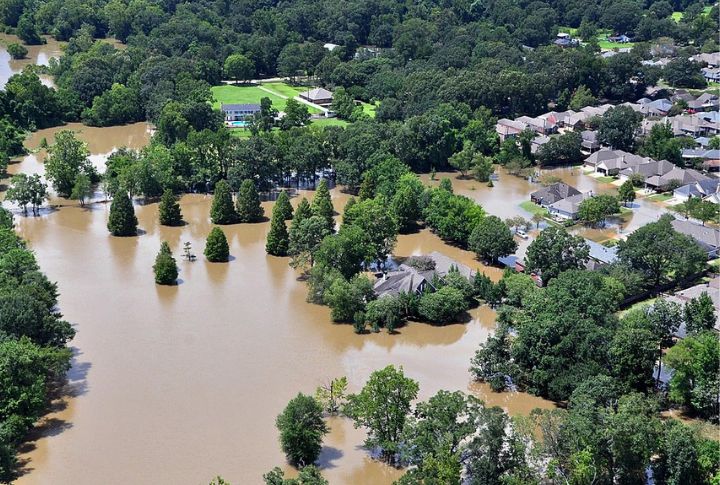
Although not on the coast, Baton Rouge is still at risk from hurricanes that move inland from the Gulf. These storms can bring strong winds and power outages. Hurricane Gustav, for example, showed how vulnerable the city is, highlighting the need for serious preparation each hurricane season.
Lake Charles
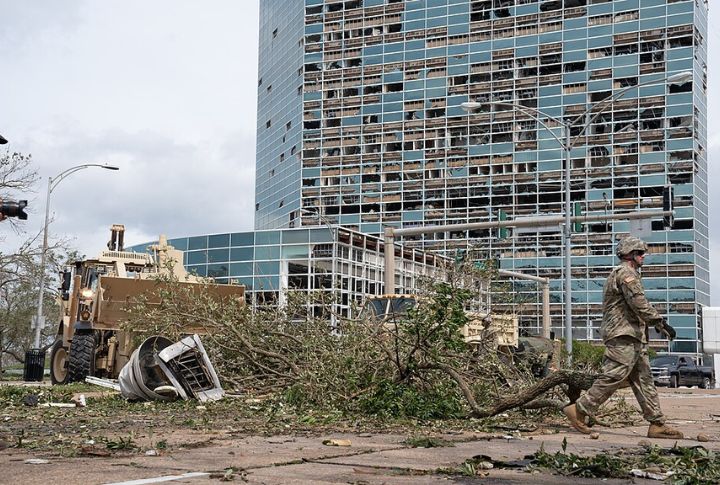
Lake Charles faces direct threats from major hurricanes, particularly those classified as Category 3 or higher. In 2020, Hurricane Laura struck as a Category 4 storm, bringing catastrophic wind damage. The city’s coastal location leaves it exposed each season to powerful landfalls that can overwhelm infrastructure and put lives and property at serious risk.
Lafayette
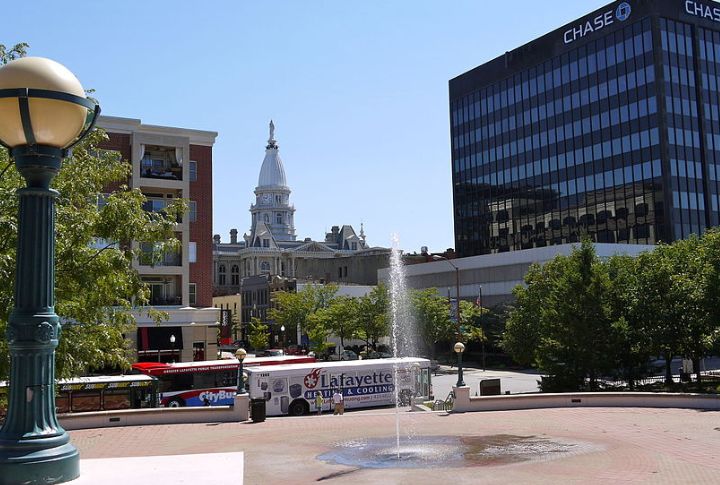
Few inland cities experience hurricane-force force as frequently as Lafayette. Storms retain enough power to batter rooftops, snap trees, and pressure emergency systems. Hurricane Delta proved just how intense those inland surges can be. With each season, there’s renewed concern about how much force the next landfalling system might carry into the region.
Slidell
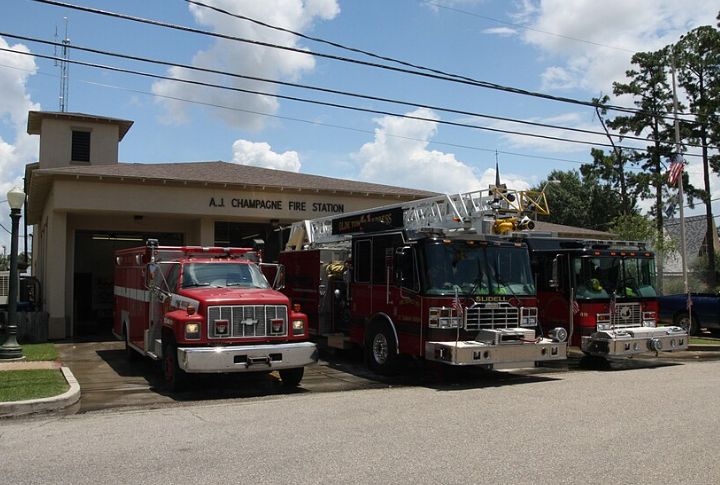
Surrounded by water on multiple sides, Slidell sits between Lake Pontchartrain and the Gulf’s hurricane paths. That location increases its exposure to storm surge and wind damage, especially during strong landfalls nearby. Katrina in 2005 overwhelmed the area, and every active season renewed the risk for this low-lying, flood-prone corner of southeastern Louisiana.
Houma
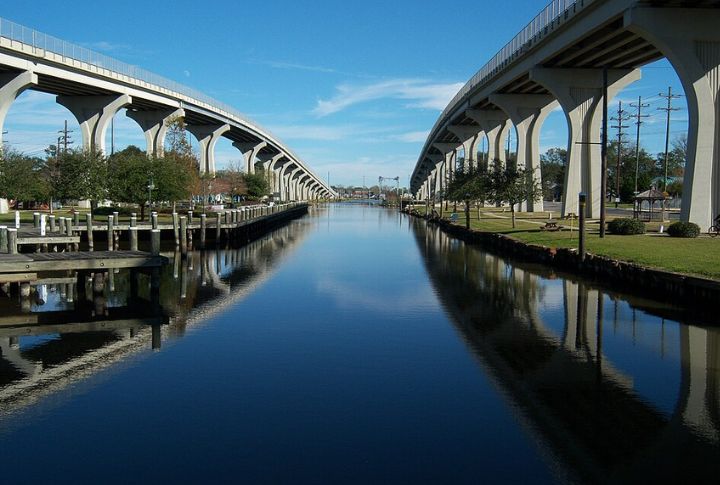
Hurricane Gustav in 2008 and Hurricane Ida in 2021 brought widespread destruction to Houma, a low-lying city situated near the Gulf. Its coastal setting also places it in the direct path of many landfalling hurricanes. With limited elevation and few natural barriers, Houma remains highly susceptible to both wind damage and storm surges.
Thibodaux
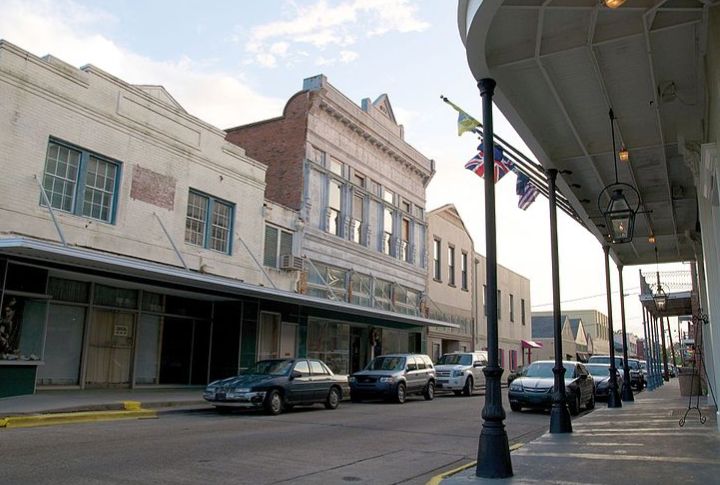
Located near key Gulf access points, Thibodaux lies in the path of hurricanes that maintain strength well inland. Winds from storms like Hurricane Ida have caused serious structural damage in recent years. Each hurricane season brings renewed concern to the area, where open terrain and proximity to lakes leave the city vulnerable to wind and surge impacts.
Mandeville
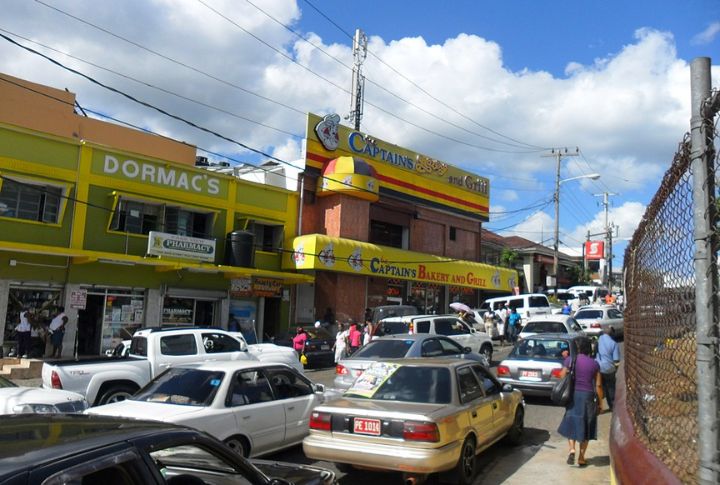
Proximity to Lake Pontchartrain places Mandeville at high risk during hurricanes, especially when strong winds drive storm surges inland. Wind pressure across the lake can funnel water into the city’s southern edge, amplifying the impact even without a direct landfall. Hurricane-force winds also pose a threat to homes, infrastructure, and emergency access routes in the area.
Alexandria
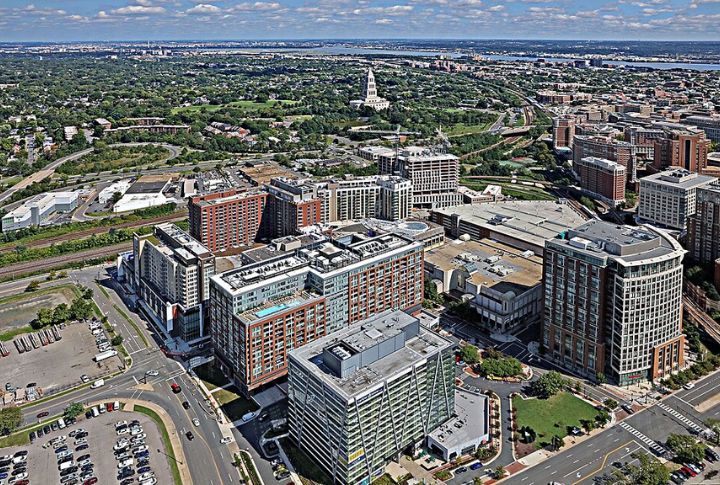
Though located inland, Alexandria faces hurricane threats as powerful systems often push into central Louisiana before weakening. Its position along common storm paths brings destructive winds and flying debris. The force seen during Hurricane Laura demonstrated that major hurricanes can retain their damaging intensity far beyond the coastline, reaching cities well north of the landfall zones.
Covington
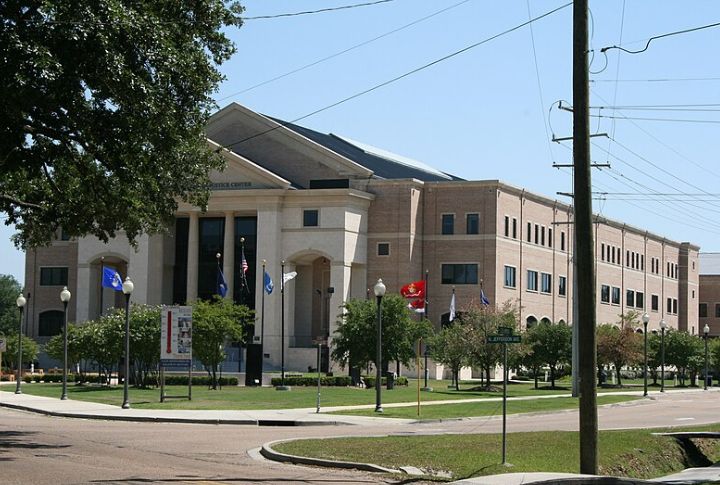
Covington’s proximity to Lake Pontchartrain makes it highly vulnerable during hurricane season. When storms pass through the Gulf, the lake acts like a funnel, directing a surge toward the city. Low elevation and limited natural barriers mean even distant hurricanes can push water inland, which leads to widespread flooding and infrastructure strain.

Louisiana
10 Haunted Places Where Louisiana’s Past Comes Alive

Shadows drift through Louisiana’s Creole plantations, where history meets unexplained sounds and ghostly sightings. These homes let the past breathe, whispering eerie tales that send chills down your spine. For those who love haunting stories and are curious, here are 10 plantations where legends refuse to stay silent.
The Myrtles Plantation

At Myrtles Plantation, people report strange sights and sounds like moving shadows, quiet voices, and doors that open on their own. Many believe the ghost of Chloe, a former enslaved woman, still haunts the grounds. Her face appears in mirrors, and the feeling of being watched never goes away.
Laura Plantation

Laura Plantation, a famous Creole site from the 1800s, is known for its preserved architecture and haunted reputation. Visitors report unexplained footsteps and whispers. The spirits of enslaved people and Creole families are said to linger, which reflects its complex history and adds to the plantation’s eerie, mysterious atmosphere.
Oak Alley Plantation

Famous for its stunning oak canopy, Oak Alley Plantation is legendary for the Lady in Black, believed to be Chloe, a former enslaved woman mourning her lost children. Sudden cold spots and an eerie presence are frequently felt when she appears and disappears. This brings a chilling layer of sorrow and history to the plantation’s ambiance.
Magnolia Plantation

Magnolia Plantation is linked to a voodoo curse said to have been cast by the enslaved people who lived and worked there, seeking justice. Since then, strange events like flickering lights, slamming doors, and cold drafts have been reported. The plantation’s dark past and eerie atmosphere continue to fuel chilling stories of restless spirits and lingering mystery.
Houmas House

Once called the “Sugar Palace” for its wealth, Houmas House is known for ghostly piano music echoing through empty rooms. This sound is believed to come from a grand piano played during lavish gatherings. Some link it to a former resident who loved music, suggesting her spirit still lingers in quiet, melodic moments.
Belle Grove Plantation

Vanishing apparitions at Belle Grove Plantation unsettle guests—figures fade as someone nears, and cold drafts move through quiet halls. Linked to Civil War history and past tragedies, the estate carries stories of former residents and soldiers. Flickering candles and shifting shadows hint that something unseen may still linger within its walls.
Destrehan Plantation

Destrehan Plantation, founded in the late 1700s near New Orleans, is among Louisiana’s oldest sugarcane plantations. Famous for its French Colonial and Creole architecture, it preserves the legacy of the Weeks family and enslaved people. Notably, it was involved in the 1811 German Coast Uprising, one of the largest slave revolts in U.S. history.
Loyd Hall Plantation

At Loyd Hall Plantation, the restless spirit of a Confederate spy reportedly haunts the halls. Visitors experience eerie chills, unexplained movements, and doors locking on their own. This lingering energy relates to the spy’s tragic fate and prompts many to wonder if his story still unfolds within the plantation’s walls.
Shadows-On-The-Teche

Shadows-on-the-Teche is a historic plantation home in New Iberia, Louisiana, with a rich history involving the Weeks family and enslaved people. Local legends mention whispering voices and ghostly tales, even though they may not be documented in history. The site also showcases Creole architecture and cultural heritage.
Greenwood Plantation

At Greenwood Plantation, visitors report ghostly sightings, which include a lady in white and a young boy believed to be former inhabitants. Sudden chills and glimpses of shadowy figures add to the eerie atmosphere. These spectral experiences are linked to the plantation’s history and create a mysterious and intriguing aura.
Louisiana
Louisiana’s Mardi Gras: A Journey Through Beads, Masks, and Mayhem

The streets come alive with music, laughter, and a dazzling array of colors as Louisiana celebrates Mardi Gras each year. This grand festival, steeped in history and tradition, offers a spectacle like no other. From the moment you join the festivities, the energy is palpable. Let’s explore the iconic traditions that make Mardi Gras in Louisiana a truly unique experience.
Parades and Floats
Parades are the focal point of Mardi Gras, a grand spectacle that never fails to mesmerize. Each float, a masterpiece in its own right, is meticulously designed and decorated, often reflecting themes from mythology, pop culture, or historical events. The parade routes fill with enthusiastic crowds eager to catch beads, coins, and other trinkets thrown from the floats. Every year, local Krewes, the social organizations behind these parades, strive to outdo themselves, ensuring a spectacular display for all.
King Cake
This colorful, ring-shaped cake, adorned with purple, green, and gold sugar, hides a small plastic baby inside. In tradition, the person who finds the baby in their slice will host the next King Cake party or provide the next cake. This sweet treat brings friends and families together, adding a delightful flavor to the festivities.
Costumes and Masks
The streets of Louisiana during Mardi Gras are a riot of colors, thanks to the elaborate costumes and masks worn by participants. Costuming is not limited to parade participants; everyone is encouraged to dress up. From the extravagant to the whimsical, these costumes embody the spirit of Mardi Gras, allowing people to express their creativity and partake in the collective celebration.
Throws
No Mardi Gras celebration is complete without throws. Beads, doubloons, stuffed animals, and other goodies are tossed to the eager crowd below from parade floats. The practice of catching these throws is not just a tradition; it’s a thrill that adds an interactive and exciting dimension to the parade experience. Some rare items even become collectors’ treasures, adding to the excitement of the event.
Krewes and Balls
Behind the parades are the Krewes, social clubs that organize the events. Each Krewe has its own unique traditions and history, often hosting lavish balls that are the highlight of the Mardi Gras season. These formal affairs feature music, dancing, and the coronation of Kings and Queens, showcasing the grandeur and pageantry that define Mardi Gras.
Flambeaux
Flambeaux carriers, in a tradition dating back to the 19th century, light up the night parades with their torches. Originally used to illuminate the parades, these torchbearers now perform captivating dances, adding a fiery spectacle to the celebrations. The flambeaux tradition honors the past while providing an enchanting experience for modern audiences.
The unique traditions of Mardi Gras in Louisiana blend history, culture, and communal joy, creating a truly magical celebration. Whether you’re marveling at the parades, savoring a slice of King Cake, or catching beads from a float, Mardi Gras in Louisiana is an experience like no other—the festival offers an experience filled with wonder and excitement that is sure to leave you in awe.
-
Travel6 days ago10 Remote Hideaways Scattered Across The Great Basin
-
Cities2 months ago15 US Cities Where You Can Live Car-Free with Ease
-
States2 months ago15 Secret Underground Tunnels Across the U.S.
-
States6 months ago10 U.S. States Facing Groundwater Depletion
-
Lifestyle7 months ago10 Things That Strengthen A Marriage Over Time
-
Travel8 months ago10 Surprising Underground Wonders Found Beneath Kentucky
-
Lifestyle9 months ago15 Things You Should Never Say on a First Date
-
States12 months ago10 Treasured Parks You Should See Before It’s Too Late