Connect with us

Wyoming

15 Stunning Attractions in Grand Teton National Park

Published

on

Jkinsocal/Wikipedia

Crafting an itinerary that balances adventure with serenity is a delightful challenge for a place as captivating as Grand Teton National Park. Once you’ve settled into one of the cozy lodges or campgrounds within the park, consider enhancing your journey with these 15 stunning attractions that every nature lover should experience.

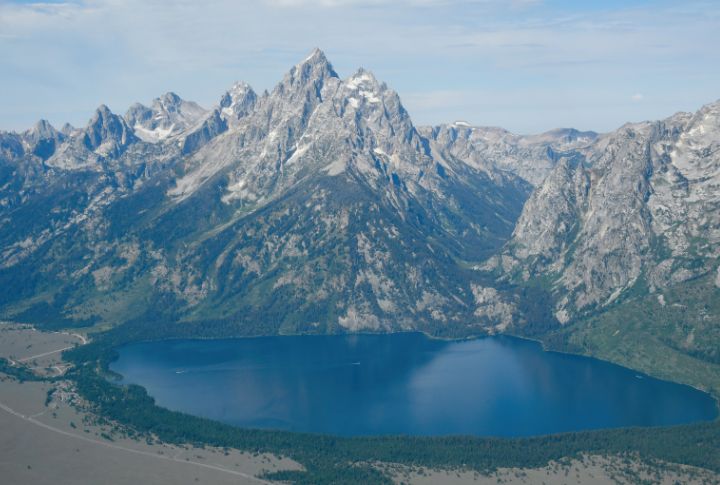
Jenny Lake Trail
Carsten Steger/Wikipedia

This 7.1-mile loop around the lake provides panoramic views of the surrounding mountains. To shorten the hike, you can take a boat shuttle across. Notably, it is a starting point for popular destinations like Hidden Falls and Inspiration Point. It’s a well-known area for abundant wildlife sightings, such as moose and black bears.

Snake River Overlook

Ansel Adams/Wikipedia

The overlook gained fame due to a famous photograph by Ansel Adams, and it continues to offer visitors iconic scenes of the Snake River winding beneath the Teton Range. Easily accessible from Highway 191, it is spectacular during sunrise and sunset. Wildlife enthusiasts might even catch glimpses of bald eagles roaming.

Oxbow Bend

Oliver Kurmis/Wikipedia

Located near Highway 89, Oxbow Bend is a peaceful spot for early-morning wildlife viewing, with frequent sightings of moose, beavers, and migratory birds like ospreys. The river’s stillness creates a mirror-like effect. Accessible parking and nearby walking paths make this an easy stop.

Schwabacher’s Landing

Mferbfriske/Wikimedia Commons

Schwabacher’s Landing is hard to beat for those seeking a tranquil spot for reflection. Known for calm waters and reflections of the Tetons, this spot along the Snake River is perfect for photographers and nature enthusiasts. The soft morning light at dawn enhances the environment.

Taggart Lake

National Park Service/Wikipedia

Hikers looking for a scenic yet moderate challenge will find Taggart Lake an excellent option. The 3-mile roundtrip trail leads through meadows and aspen groves before reaching the lake, where the reflection of the Tetons creates a postcard-perfect scene. It’s a great hike for families.

Craig Thomas Discovery and Visitor Center

Acroterion/Wikipedia

At the Craig Thomas Center, visitors can learn about Grand Teton National Park’s history, geology, and wildlife. Located in Moose, Wyoming, the center features interactive exhibits and ranger-led programs. The large observation window provides panoramic views of the Teton Range. 

Grand Teton Drive

Acroterion/Wikipedia

A drive along Grand Teton Drive, or Teton Park Road, offers one of the most scenic routes in the park. Spanning 42 miles, the road takes visitors past key attractions like Jenny Lake, Signal Mountain, and Snake River. With multiple pullouts along the way, there are plenty of opportunities to stop and take in the terrain.

Cascade Canyon

Epsota24/Wikipedia

Cascade Canyon offers hikers a challenging yet rewarding journey through one of the park’s most beautiful lands. You can start by crossing Jenny Lake; the hike takes visitors past waterfalls, cliffs, and alpine meadows. It’s a popular trail for wildlife sightings, with marmots, pikas, and even the occasional moose or bear spotted along the way.

Mormon Row Historic District

Jon Sullivan/Wikipedia

History buffs will enjoy exploring the Mormon Row Historic District, home to early settler homesteads. The Moulton Barn, one of the district’s most iconic structures, sits against the great backdrop of the Tetons. Located near Antelope Flats, the area is easily accessible.

Hidden Falls 

G. Edward Johnson/Wikipedia

Tucked near Jenny Lake, Hidden Falls rewards hikers with a stunning 100-foot waterfall. These falls are easily reached by a short hike from the boat dock or by following the longer Jenny Lake Trail. For hikers, the waterfall’s mist offers a welcome oasis from the trail’s heat, especially during the summer.

Jackson Lake

EnLorax G. Edward Johnson/Wikimedia Commons

Spanning over 25,000 acres, the lake is the park’s largest and a hub for water-based recreation. Boating, kayaking, and fishing are popular, with marinas offering rentals. Its shoreline provides unobstructed views of Mount Moran, and bald eagles and elk frequent the area. 

Laurance S. Rockefeller Preserve

Eoghanacht/Wikipedia

Laurance S. Rockefeller Preserve offers a quieter experience. It is located on the park’s southern end and provides several miles of trails through wetlands, forests, and meadows. The visitor center focuses on conservation and the Rockefeller family’s efforts to protect the park.

Leigh Lake

S. Zenner/Wikipedia

This is one of the park’s most peaceful spots for visitors seeking solitude. The trail is straightforward and level, making it accessible for all ages. Visitors can enjoy kayaking, canoeing, or simply relaxing by the shore. It’s a quieter alternative to more crowded lakes in the park, perfect for those looking to escape the crowds.

Lakeshore Trail

Amickl1/Wikimedia Commons

Starting at Colter Bay, the Lakeshore Trail provides an easy 2.2-mile roundtrip hike with stunning views of Jackson Lake and the Tetons. This flat trail hugs the shoreline, offering scenic spots to rest or picnic—a relaxing way to enjoy the park’s view leisurely.

Moose Wilson Road

National Park Service inventory/Wikipedia

Moose Wilson Road cuts through dense forests and wetlands. Visitors driving during early mornings or late evenings often spot moose, black bears, and beavers. Due to the snow, it’s usually closed in the winter, but it’s a favorite route for summer and fall visitors. The National Park Service reports part closure due to construction.

Continue Reading
Click to comment

Leave a Reply

Your email address will not be published. Required fields are marked *

Wyoming

10 Things You Might Not Know About Visiting Wyoming

Published

on

Anna-Katharina Stocklin/Wikimedia Commons

Wyoming offers some surprises you might not expect when you visit. With open skies and wild animals roaming near towns, this state has a character and quirks that shape your trip. Here are ten facts to give you a clear picture before you go.

Wyoming Has The Smallest Population In The U.S.

Wyoming Has The Smallest Population In The U.S.
Bureau of Land Management/Wikimedia Commons

With just about six people per square mile, Wyoming feels vast and open. You can enjoy peaceful drives without traffic jams and discover quiet spots that allow you to soak in nature uninterrupted. The space alone creates a unique kind of freedom.

The State Experiences Extreme Weather Swings

The State Experiences Extreme Weather Swings
NPS/Jim Peaco/Wikimedia Commons

Weather changes quickly in Wyoming. You might start your day with clear skies and end it with a surprise snow shower, even in late spring. Packing layers and keeping an eye on the forecast will help you stay comfortable, regardless of the weather.

Many Areas Have Limited Cell Phone Coverage

Many Areas Have Limited Cell Phone Coverage
Netherzone/Wikimedia Commons

Not every corner of Wyoming has reliable service. Especially in mountainous areas and rural stretches, your phone may lose signal or experience slow connectivity. This presents an excellent opportunity to disconnect and enjoy the moment but plan accordingly if you need to stay connected.

Wildlife Encounters Are Common Even Near Towns

Wildlife Encounters Are Common Even Near Towns
Neal Herbert/Wikimedia Commons

Elk and occasionally bears wander close to populated places like Jackson Hole. These encounters add a touch of wilderness to your visit. Just be sure to maintain a secure distance and follow local safety advice to enjoy watching these animals responsibly.

Yellowstone National Park Draws Millions Every Year

Yellowstone National Park Draws Millions Every Year
Clement Bardot/Wikimedia Commons

Most visitors come to Wyoming for Yellowstone’s geysers and scenery. The park welcomes huge crowds during peak seasons, so early planning and arriving early in the day will help you explore without feeling rushed or overwhelmed.

Strong Winds Shape The Environment And Experience

Strong Winds Shape The Environment And Experience
James St. John/Wikimedia Commons

Wyoming’s persistent winds ripple through its plains and mountains, adding a challenge to hiking and camping while cooling summer days. These breezes shape outdoor experiences, which makes preparation for windy conditions an important part of planning any adventure.

The Night Sky Offers Stunning Views For Stargazers

The Night Sky Offers Stunning Views For Stargazers
Tony Webster/Wikimedia Commons

Wyoming’s dark skies make stargazing an incredible experience. Far from city lights, the Milky Way and countless stars shine brightly. If you enjoy night adventures, bring a blanket and take in the cosmic show above for a peaceful end to your day.

Mountain Passes Close During Winter Months

Mountain Passes Close During Winter Months
Shiraspr/Wikipedia

Checking road conditions before heading out is essential to avoid surprises. Some scenic routes in Wyoming close during winter months when snow piles up, usually from November through spring. This means certain mountain passes won’t be accessible.

Cheyenne Frontier Days Are The World’s Largest Outdoor Rodeo

Cheyenne Frontier Days Are The World’s Largest Outdoor Rodeo
Tony Webster/Wikimedia Commons

Every July, Cheyenne hosts a massive rodeo with cowboys and parades. This lively event brings energy and tradition to the state. If your visit matches the dates, attending adds a genuine taste of Wyoming’s Western spirit.

Historic Ghost Towns Offer A Unique Step Back In Time

Historic Ghost Towns Offer A Unique Step Back In Time
Anna-Katharina Stocklin/Wikimedia Commons

Exploring abandoned mining towns, such as South Pass City, reveals a different side of Wyoming. They make great stops for history lovers and curious explorers. These preserved sites tell stories of the past and offer quiet spots away from popular tourist trails.

Continue Reading

Wyoming

20 Clues From 5,900 Years Ago Found In Wyoming’s Beartooth Plateau

Published

on

James St. John/Wikimedia Commons

A melting ice patch in Wyoming’s Beartooth Plateau revealed an ancient forest frozen in time. This discovery has unveiled a wealth of ancient clues about past weather fluctuations, treeline shifts, and environmental conditions. Each preserved detail helps researchers reconstruct the Rocky Mountain terrain as it existed thousands of years ago. Let’s take a closer look at key findings that reveal how nature once thrived in a different climate.

The Accidental Discovery That Reshaped Climate History

Jarek Tuszynski/Wikimedia Commons

A research expedition in Wyoming’s Beartooth Plateau led to an astonishing find—whitebark pine trees buried under ancient ice. Among these trees, some have been preserved for up to 5,900 years and provide evidence of atmospheric shifts and ecosystem transitions, offering a unique record of past environmental conditions and forest distribution.

A Geological Snapshot Of The Holocene Epoch

NOAA image/Wikimedia Commons

Geological layers surrounding the discovery show significant sediment shifts from the mid-Holocene. This period, marked by warmer temperatures, enabled tree growth at elevations now too cold for sustained vegetation. The preserved wood offers a rare geological timestamp that aligns with global climatic patterns from that era.

Surprising Signs Of Rapid Encapsulation

Vyacheslav Argenberg/Wikimedia Commons

Unlike typical fossilization, these trees were quickly sealed in ice, preventing decomposition. Ice core analysis suggests a sudden and drastic weather event, possibly a rapid cooling phase, buried the forest in snow and ice. This supports theories of abrupt climate change that shaped ancient topography.

A Shift In The Rocky Mountain Treeline

USGS/Wikimedia Commons

The trees once flourished at altitudes higher than where modern whitebark pines survive. Their presence indicates historically warmer weather and supports evidence that past treelines extended further upward before receding due to later cooling periods that altered regional biodiversity and vegetation zones.

Radiocarbon Dating Confirms The Trees’ Age

Kestrel/Wikimedia Commons

Scientists used radiocarbon dating to determine that these trees are between 5,440 and 5,950 years old. This timeline coincides with early civilizations such as Mesopotamian advancements. It shows how natural climate variations shaped environments across continents simultaneously.

Rare Organic Remains With Minimal Decomposition

Kennethgass/Wikimedia Commns

Preserved in near-original form, these trees retain cellular structures typically lost over time. Unlike petrified wood, these remains still contain organic material that makes them an invaluable resource for the study of prehistoric plant biology and provides rare insight into ancient forest growth and resilience.

Pollen Traces Indicate An Unexpected Ecosystem

Dartmouth Electron Microscope Facility, Dartmouth College/Wikimedia Commons

Pollen samples extracted from ice and soil in the area suggest that the region once supported a more diverse ecosystem. The presence of plant species that no longer thrive at these elevations confirms that the area experienced different climatic conditions thousands of years ago.

A Connection Between Tree Rings And Solar Activity

Arnoldius/Wikimedia Commons

Tree-ring patterns reveal potential correlations with solar radiation cycles. Studies indicate periods of slowed growth that align with documented solar minima, which suggests that changes in solar output may have influenced weather patterns in the region that abetted tree development.

The Absence Of Fire Evidence In A Changing Topography

Bcasterline/Wikimedia Commons

No charred remains or burn scars have been found on these preserved trees. That suggests wildfires were not a frequent occurrence during their lifespan. This absence challenges existing models of fire frequency in prehistoric high-altitude forests and raises questions about past atmospheric conditions.

Mineral Analysis Reveals Unseen Environmental Stressors

User:Moondigger/Wikimedia Commons

Chemical composition tests of the trees’ preserved wood highlight fluctuations in mineral uptake. High concentrations of certain elements suggest that periodic droughts or soil nutrient shifts influenced tree growth. It has provided new data on long-term environmental stressors that affected ancient plant life.

Genetic Insights Into An Extinct Tree Population

Walter Siegmund (talk)/Wikimedia Commons

Preliminary studies indicate the potential for extracting DNA from these trees, which could help compare their genetic structure to modern whitebark pines. Such insights might reveal how tree populations adapted to past climate conditions over thousands of years to become what they are now.

The Role Of Ice Patches In Long-Term Preservation

Sharon Mollerus/Wikimedia commons

Unlike glaciers, which grind and erode organic material, stationary ice patches provide a stable environment for preservation. The trees found here were shielded from wind erosion and microbial decay. A plausible explanation as to why their structure remains largely intact despite millennia of subzero temperatures.

A Missing Link In Holocene Climate Data

Wikimedia commons

Atmospheric pattern reconstructions rely on multiple sources, yet tree remains this well-preserved are rare. The trees fill a pivotal gap in Holocene climate records and offer an unbroken environmental timeline that enhances existing models of temperature fluctuations and atmospheric composition changes.

Potential For Ancient Disease Evidence In Preserved Wood

Lamiot/Wikimedia commons

No direct fungal spores or pathogens have been identified in these trees. However, studies on other preserved ancient plant material suggest that such evidence may exist. Continued analysis may reveal microbial remnants that are expected to provide insight into prehistoric plant diseases and environmental stressors.

A Link Between Ancient Forests And Modern Conservation Efforts

Richard Sniezko/Wikimedia commons

By comparing these trees to today’s whitebark pine populations, scientists can develop strategies to enhance resilience against modern threats, such as climate change and invasive species. The discovery offers a practical model for how trees once adapted to major environmental shifts.

An Unprecedented Opportunity For Dendrochronology Studies

Antony-22/Wikimedia Commons

Tree-ring analysis from these specimens extends current dendrochronological records by thousands of years. The unprecedented data helps refine dating techniques used in archaeology, climatology, and geosciences. It reinforces the value of tree-ring studies in understanding long-term environmental changes.

Ice Layers Indicate Sudden Freezing Events

Juliancolton/Wikimedia Commons

Analysis of surrounding ice layers suggests a distinct pattern of rapid accumulation, but no direct evidence of volcanic ash-induced cooling has been found. Further studies are expected to be conducted in order to determine the exact climatic trigger for the trees’ preservation.

The Discovery Challenges Previous Climate Models

Merikanto/Wikimedia Commons

Traditional weather condition reconstructions underestimated the extent of past warming periods. The presence of these trees at higher elevations challenges existing Holocene temperature models. The discovery prompts scientists to reassess long-standing theories about climate variations and their broader ecological impact.

Biochemical Analysis Detects Prehistoric Air Composition

NASA Earth Observatory/Wikimedia Commons

Chemical elements locked within the tree’s cellulose provide data on ancient atmospheric composition. Levels of carbon dioxide and other gases captured in these samples help reconstruct past air quality, offering momentous insights into pre-industrial greenhouse gas levels.

This Discovery May Change How We Study Ancient Ecosystems

SeaWiFS Project/Wikimedia Commons

The well-preserved state of these trees opens doors for new interdisciplinary studies. Researchers across multiple fields, from paleobotany to climate science, are using this discovery to refine ecosystem models. It can provide a more complete picture of how the terrain evolved under shifting weather conditions.

Continue Reading

Wyoming

15 Underrated Wyoming Towns Perfect for Retirement

Published

on

Tarabholmes/Wikipedia – RDNE Stock project/Pexels

The state of Wyoming is not just the least populated in the US but a place with many lovely towns and cities. In retirement, many people consider changing cities, and if you live in Wyoming, you will not need to leave the state to find a perfect place. To learn about some nice retirement spots in this beautiful state you may not know about, read on.

Thermopolis

Jonathan Green/Wikipedia

Thermopolis is in Hot Spring County. The small town promises the quiet living you seek when moving from big cities. However, it is visited by tourists who want to experience its hot springs and the dinosaur center. A sports-loving person will find the 3-on-3 basketball shootout tournament that happens here from time to time lovely.

Lander

Charles Willgren/Wikipedia

Although it is small, Lander has exciting activities for its residents. Among the events that happen here annually are a world-famous antelope hunt and the Pioneer Days Parade and Rodeo. Those who wouldn’t mind stepping out of the city can watch people at the Sinks Canyon State Park and find adventure in the Red Desert.

Buffalo

Paul Hermans/Wikipedia

The population of Buffalo is distributed in such a way that people of almost every age are well represented. Over 20% of its population is over 60 years old, which gives retirees a high chance of socializing with people like them. For those who want to stay active by hiking, Bighorn Mountains is right there.

UltraSparky/Wikipedia

Pinedale is close to the Winds River Range, where hiking, climbing, camping, and skiing are popular. Over a thousand water bodies surround Pinedale, which means uncountable opportunities to relax by the water while watching people kayak, ski, etc., or stay active by fishing.

Riverton

Vasiliymeshko/Wikipedia

The Central Wyoming Regional Airport is near Riverton. This makes traveling convenient for people who may not be down for long drives. For fun, they can visit places like the Riverton Museum, and when their children come to visit, they can take them to the CATS museum.

Kemmerer

Kenneth Hynek/Wikipedia

This is the only city in Lincoln County and the most populated place there. Kemmerer is a quiet place steeped in nature. Its greenery allows for peaceful nature walks, and at some of its sites, you can look for fossils and keep them for yourself. There are also many small towns and places near it that you can visit.

Dubois

BLM Wyoming/Wikipedia

Dubois is a town so small that you’ll probably know everyone there in your first few years—or months. However, there are several attractions here for both residents and visitors to check out. You can stay active by biking and hiking the Dubois Scenic Overlook or walking in the town park.

Saratoga

Magicpiano/Wikipedia

A small town surrounded by mountains? Yes, please. Several laidback experiences are waiting for you here. There is a golf course for those who want to play and a local weekly newspaper to keep you updated. It also has a park, which will come in handy for those who want to relax outdoors.

Evanston

EvanstonWyoming/Wikipedia

Life in Evanston can be as busy or as dull as you would want it to be. It has free land spaces that favor nature hiking and water bodies for fishing. The Bear River State Park, the Purple Sage, and the town’s many festivals will help people relax and stay active.

Worland

Sam Beebe/Wikipedia

When you live in Worland, you have several forms of entertainment available. A hot tub experience awaits you at the Worland Aquatic Centre. To hike and catch hours of solitude, the Gooseberry Badlands is there for you. Every year, a BBQ championship & music festival hits the city.

Wheatland

Jamesmartin111/Wikipedia

Lewis Park may just be the most fun place in this town. They can come here to watch younger people skate and play basketball, or they can participate in games like tennis and golf. A great opportunity to connect with people outside the town is the Platte County Fair & Rodeo, which happens here annually.

Torrington

Ammodramus/Wikipedia

You can enjoy a walk around the town, and those who wish to do more exercise than just walking can tap into any of the exercise equipment on Grassroot Trail. Several parks give people options for relaxation, and when you have reasons to fly out, Torrington Municipal Airport is close to them.

Greybull

Mysterymanblue/Wikipedia

Greybull provides a canvas of outdoor spaces for active residents to paint their own fun experiences. The town has a museum for local artifacts that’s free to enter and a waterfall. You’ll likely find many events to attend; you just need to pick the one that’s your vibe.

Powell

Montanabw/Wikipedia

Besides the county seat, Powell is the only other city in Park County. There are some differences between them, though; for example, it is more laidback than the other city. So, if you want to stay in a calmer place but not too far from some exciting activities, this is a place to consider.

Lusk

Runner1928/Wikipedia

Staying in Lusk gives you access to several parks, but visiting it is not the only relaxing thing to do there. People have beautiful things to say about the Stagecoach Museum, so it’s a place to consider visiting. Every year, you can have fun by watching or participating in the Legend of Rawhide.

Continue Reading

Trending

Copyright © 2025 CityStateZipCode.com