Connect with us

Cities

10 Cities in America Struggling with Sanitation Issues

Published

on

Icsilviu/Pixabay

Public sanitation is a topic not many want to talk about, but everyone notices when it’s not working. Trash cans overflowing, streets reeking, and potholes accessorized with puddles—these cities might just take the crown for, well, stinking. Stick around because the next slides will leave you clutching your air freshener in disbelief.

New Orleans, Louisiana
otschnbrotschn/Pixabay

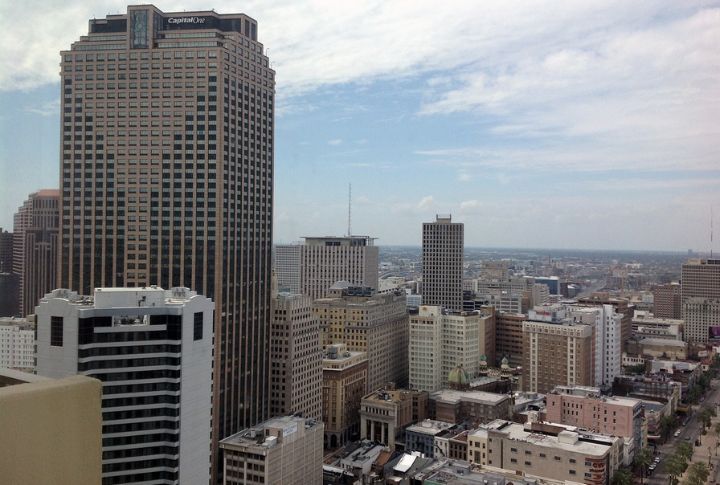
When storm drains double as trash collectors, you know there’s a problem. New Orleans struggles with a waste management system stretched too thin that leaves streets littered and gutters clogged. The city’s charm can only do so much to mask the mess, especially during festival season when the trash piles reach epic proportions.

Baltimore, Maryland
Steelplug/Wikipedia

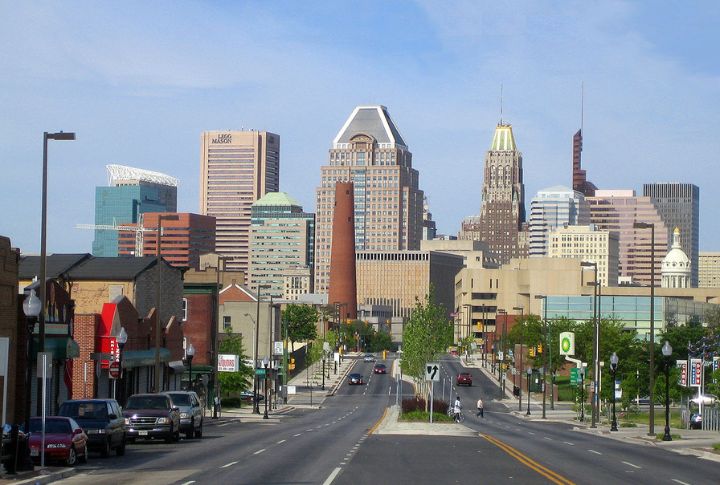
Overflowing bins and debris-strewn sidewalks paint an unfortunate picture in Baltimore. The city’s sanitation services face challenges with illegitimate dumping and an aging infrastructure. Public spaces suffer the most, where litter seems to have been declared permanent residency. Community members lament that Baltimore’s grit overflows from its personality onto its streets.

Detroit, Michigan
Arthur Siegel/Wikipedia

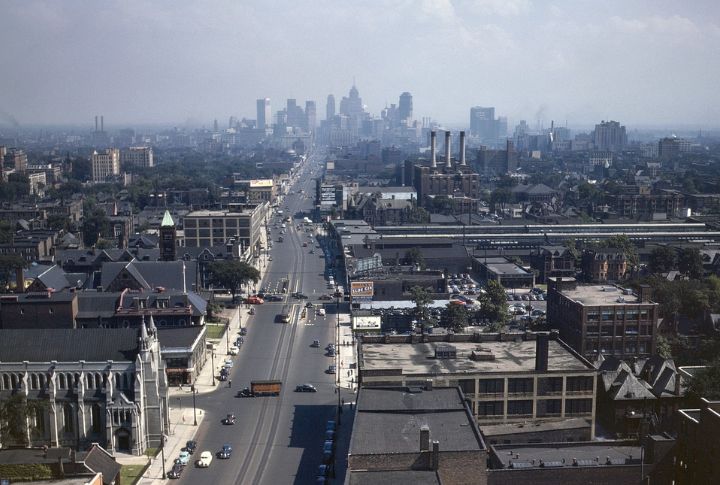
Detroit’s sanitation woes stem from financial strain and understaffed cleanup crews. Natives frequently encounter neglected alleys and inconsistent garbage pickups. The city’s revitalization efforts struggle against the sheer volume of accumulated waste. This leaves neighborhoods frustrated and sometimes fighting their own battles against the mounting trash heaps.

San Francisco, California
Pixabay

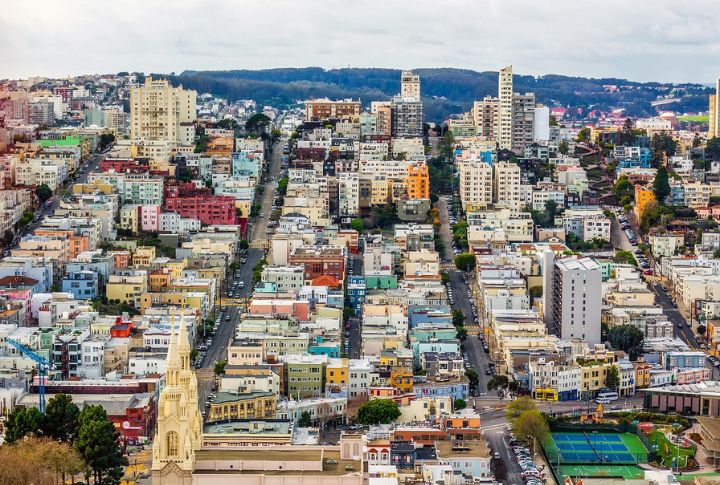
The Golden Gate city is a paradox: stunning vistas marred by questionable street hygiene. Public sanitation complaints skyrocket, with sidewalks often littered with garbage and worse. Despite being home to tech moguls, its waste management services appear to lag in efficiency, which causes locals and tourists to hold their breaths—literally.

Philadelphia, Pennsylvania
Jeffrey M. Vinocur /Wikipedia

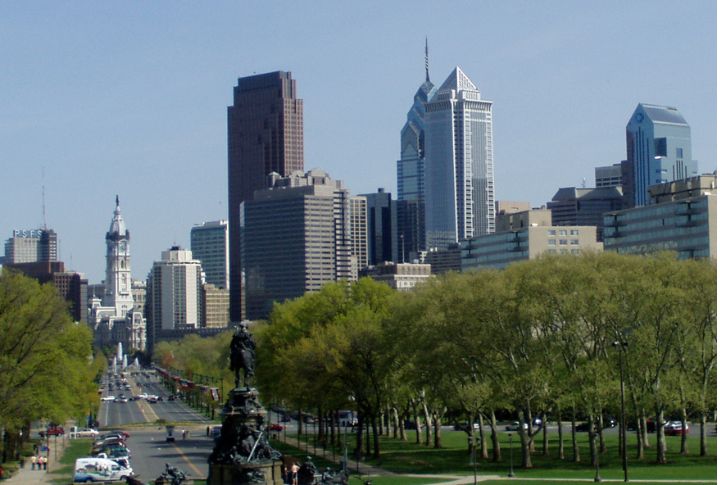
Affectionately called the “City of Brotherly Love,” Philly’s sanitation issues don’t let its residents feel the love. Overflowing trash cans and stray garbage are common sights exacerbated by underfunded public services. Locals joke that dodging litter on the streets is practically a regional pastime. However, the stench is no laughing matter.

Miami, Florida
MustangJoe/Pixabay

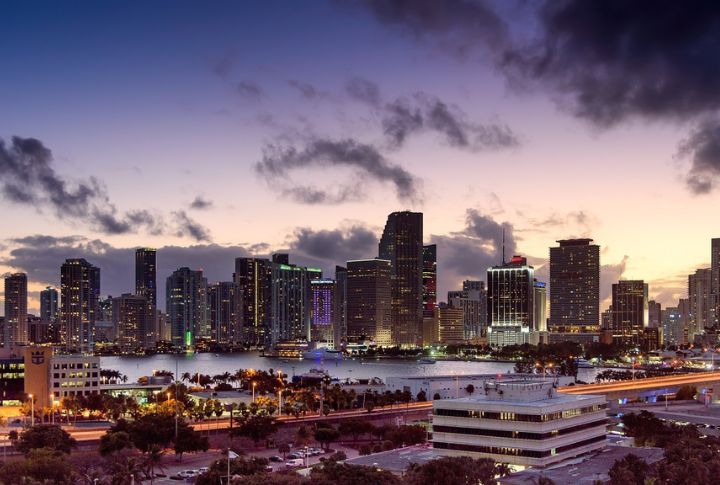
Beaches may sparkle but head inland, and Miami reveals a less glamorous side. Poor sanitation services lead to littered parks, neglected neighborhoods, and rodent sightings that aren’t part of the local wildlife tours. The contrast between its pristine tourist areas and struggling residential zones highlights a glaring disparity.

St. Louis, Missouri
Goodfreephotos/Pixabay

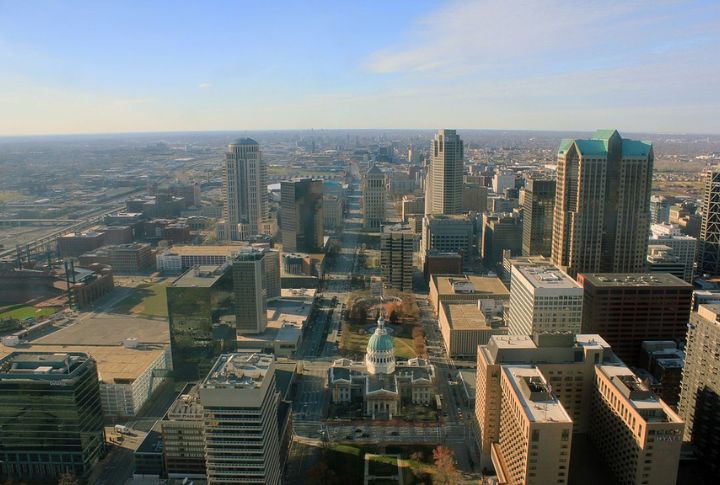
St. Louis faces an uphill battle against illegitimate dumping and insufficient trash pickups. Some neighborhoods are overrun with discarded furniture, construction debris, and everyday waste. Locals have grown so frustrated they’ve turned to DIY cleanups to prove that if city services don’t step up, residents reluctantly do.

Las Vegas, Nevada
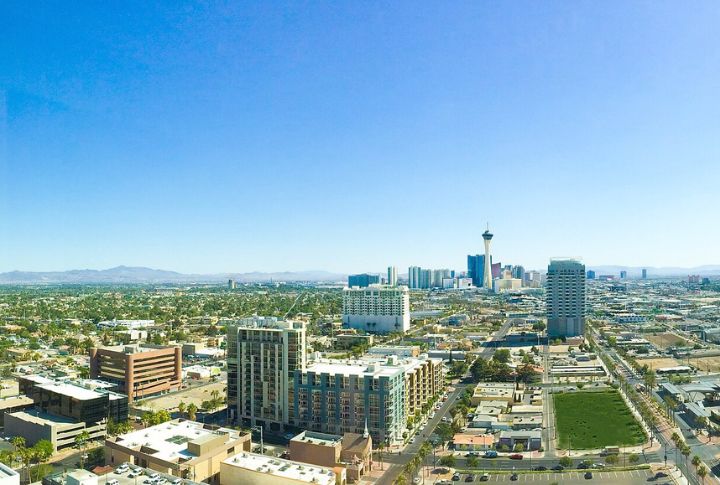
Rmvisuals/Wikipedia

Far from the allure of the casinos, Sin City reveals a grittier side. In residential areas, sanitation services lag behind the population boom, leaving trash-strewn alleys and neglected lots. Residents often complain that the city’s famed glamour hides a troubling divide in cleanliness.

Houston, Texas
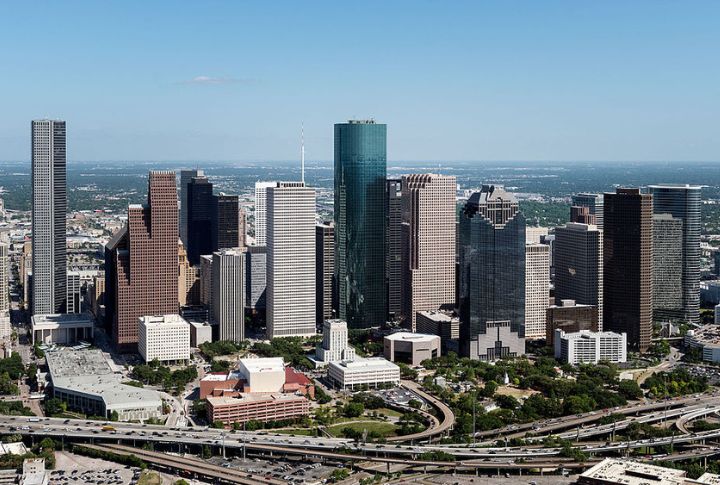
Carol M. Highsmith/Wikimedia Commons

Houston’s sprawling nature makes sanitation a logistical nightmare. Overflowing dumpsters, littered streets, and backyard waste buildup plague parts of the city. Flood-prone areas make the issue worse, with storm drains doubling as garbage chutes. Towners wish Houston’s booming economy could extend to a more efficient waste system.

Los Angeles, California
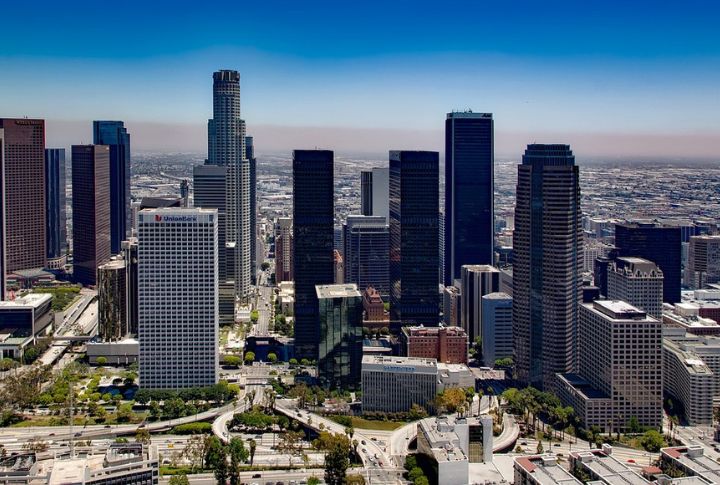
Pixabay

The glitz of Hollywood contrasts sharply with Los Angeles’ waste woes. Overflowing alleyways, litter-strewn streets, and hazardous waste issues expose a broken system. A booming population continues to strain sanitation services, leaving the sprawling city battling a growing trash problem that undermines its glamorous image.

Continue Reading
Click to comment

Leave a Reply

Your email address will not be published. Required fields are marked *

Cities

10 Emerging Cities To Buy Your First Home

Published

on

Alena Darmel/Pexels

Buying your first home is a big milestone, but finding the right city can make all the difference. Some places shine with affordable prices, booming job markets, and vibrant communities. These emerging cities offer a perfect mix of opportunity and charm, making homeownership more accessible than ever. Here are ten top picks.

Harrisburg, Pennsylvania

Governor Tom Wolf/Wikipedia

For first-time buyers, Harrisburg stands out with median home prices under $159,000 as of December 2024. Beyond affordability, the city’s stable government job market ensures economic security, while its lively arts scene brings a unique cultural appeal. Plus, with Philadelphia just a short drive away, residents enjoy big-city convenience without the high price tag.

Villas, Florida

Mx. Granger/Wikipedia

Home prices in this city are approximately $229,000, significantly lower than the national median of $416,880. It is also close to the Gulf Coast’s beautiful beaches without the high price tags of larger Florida cities. Besides, the area’s relaxed lifestyle and expanding amenities make it a good choice for investment and living.

North Little Rock, Arkansas

Belinda Hankins Miller/Wikipedia

Realtor.com reported that homes are well under $160,000 in North Little Rock. This is a budget-friendly option for first-time buyers. Plus, the downtown revitalization has brought new jobs and modern amenities, while the city’s abundance of green spaces and a reputation for safety make it especially appealing to young families.

Lansing, Michigan

Davidshane0/Wikimedia Commons

Lansing combines affordable housing with big-city opportunities. Here, median home prices hover under $150,000, per Newbam—far lower than in nearby Ann Arbor. As home to Michigan State University, the city offers educational resources, cultural events, and a growing tech job market, adding to its appeal.

Rochester, New York

Patrick Ashley/Wikipedia

Owing to its median home prices around $129,900, Rochester remains an affordable option, according to Realtor.com. The city has also seen a 50% decline in firearm-related violence since the pandemic, improving overall safety. Coupled with a thriving tech and healthcare sector, Rochester offers a better quality of life.

Wilmington, Delaware

John Phelan/Wikimedia Commons

Affordable housing paired with easy access to Philadelphia and Baltimore makes Wilmington ideal for new homeowners. In this city, homes average around $250,000, and the city’s tax-friendly policies reduce overall costs. The revitalized riverfront area, meanwhile, adds to the city’s appeal with its entertainment options and scenic views, creating a balanced urban lifestyle.

Sioux Falls, South Dakota

Maxpower2727/Wikipedia

Sioux Falls offers first-time buyers homes priced around $321,169 and a booming job market in finance and healthcare. The city’s low unemployment rate keeps the economy strong. It’s also home to top-rated schools like Lincoln High School, ranked the best public high school in South Dakota.

Buffalo, New York

Dekema/Wikipedia

Buffalo’s strong job market and affordability have made it the hottest U.S. housing market for 2025, as reported by NBC New York. Homes here average $223,812, a price well under the national median. The city’s manufacturing sector continues to provide long-term economic security.

Knoxville, Tennessee

Bohao Zhao/Wikipedia

Knoxville’s vibrant downtown scene, filled with festivals and cultural events, creates a dynamic lifestyle for first-time buyers. With a strong economy driven by manufacturing and tech, the city also features affordable housing, with median prices around $420,000. Plus, its proximity to the Smoky Mountains makes outdoor adventures easily accessible.

Des Moines, Iowa

Tim Kiser/Wikimedia Commons

According to OCNJ Daily, this city has a low cost of living, approximately 12% below the national average. Des Moines features a strong job market in finance and insurance, paired with median home prices around $249,000. Overall, its low cost of living and high quality of life make it a standout for new buyers.

Continue Reading

Los Angeles

10 Secrets Behind L.A.’s Most Prestigious Properties

Published

on

Jim Winstead/Wikipedia

Los Angeles is home to some of the world’s most luxurious properties, each with its own fascinating history. Behind the gates of these stunning estates lies a world of untold stories, some glamorous, others chilling. So, here are ten mysteries and hidden truths lurking behind the gates of L.A.’s most prestigious addresses.

Los Feliz Murder Mansion

Veronica K./Yelp

In 1959, Dr. Harold Perelson shocked the quiet Los Feliz neighborhood with a tragic family murder incident. The house, located at 2475 Glendower Place, remained largely untouched for decades, preserving its eerie atmosphere. Now owned by Ephi Zlotnitsky, efforts have been made to renovate the property.

The Manor’s Excessive Legacy

Atwater Village Newbie/Wikipedia

The Manor has seen its share of eerie whispers. The 56,500-square-foot mansion, built by Aaron and Candy Spelling, has been rumored to house secret rooms and hidden passages. Also, some former staff and visitors have shared unsettling stories of shadowy figures in its empty corridors.

Holmby Hills’ Secretive Deals

Jhbh9/Wikipedia

The luxurious properties in Holmby Hills often change hands quietly, with deals made behind closed doors. Buyers and sellers prefer privacy, keeping details under wraps. These multimillion-dollar estates guard more than their inhabitants’ identities—the secrets of the elite are just as well-protected.

Hotel Bel-Air’s Hollywood Scandals

Alan Light/Wikipedia

The drama unfolds where the stars stay. The Hotel Bel-Air has been a private retreat for Hollywood’s elite since the 1940s. Marilyn Monroe’s final photoshoot happened here, alongside countless celebrity escapades. Beneath the serene beauty of its grounds, tales of private rendezvous and dramas have played out.

Brentwood’s Infamous Crime Scene

Jengod/Wikipedia

Brentwood made headlines worldwide in 1994 when Nicole Brown Simpson and Ron Goldman were murdered. O.J. Simpson’s trial gripped the nation, turning this affluent neighborhood into a crime scene. To this day, tourists still stop by the once-unassuming property, drawn by its dark history.

Greystone Mansion’s Double Mystery

Andrew Hitchcock/Wikimedia Commons

Secrets lie within the lavish halls of Greystone Mansion, where Ned Doheny and Hugh Plunkett were found dead in 1929. The official story said murder-suicide, but conspiracy theories suggest something darker. Hollywood used the estate for movies, but its eerie past always lingers.

The Sunken City’s Hidden Ruins

rockchucksummit/Wikipedia

In 1929, a section of San Pedro slid into the ocean after a landslide, leaving behind eerie remnants of a once-thriving neighborhood. Today, graffiti-covered ruins, cracked streets, and empty foundations scatter the cliffside, attracting adventurers and history enthusiasts alike.

Spadena House’s Strange Charm

Bobak Ha’Eri/Wikipedia

Built in 1921, the “Witch’s House” in Beverly Hills looks like it belongs in a fairytale. Originally a movie set, this oddball property still draws visitors who marvel at its quirky design. Beneath its whimsical exterior, it’s a rare piece of Hollywood’s early creative magic.

Greystone Mansion’s Forgotten Tunnel

Morgan W./Yelp

Few know Greystone Mansion hides a secret underground tunnel used for Prohibition-era smuggling. Stretching between buildings, this passageway once connected L.A.’s elite to illegal parties. Now sealed, the tunnel’s existence hints at the lengths the wealthy went to evade law enforcement.

The Cecil Hotel’s Shadowed History

Zheng Zhou/Wikipedia

The Cecil Hotel in downtown L.A. was intended as a luxury destination but soon gained a reputation for unsettling events and mysterious occurrences. Its corridors have been linked to inexplicable incidents. Despite renovations and rebranding efforts, its shadowed history continues to intrigue and mystify.

Continue Reading

Los Angeles

10 Insights Into The Water Controversy That Shaped Los Angeles

Published

on

Los Angeles (talk · contribs)/Wikipedia 

Los Angeles didn’t become a sprawling metropolis overnight—it came with challenges and compromises. Water lies at the heart of this story, fueling the city’s rise and sparking debates that echo even today. Behind the glittering skyline lies a history of bold decisions, heated battles, and lasting consequences. Let’s uncover the insights behind this water-driven transformation.

Los Angeles Aqueduct Sparked A Revolution

Wikipedia 

Imagine a dry, barren desert suddenly coming to life. In 1913, the Los Angeles Aqueduct started delivering water from Owens Valley, traveling an impressive 233 miles. Spearheaded by William Mulholland, this engineering marvel laid the foundation for the ambitious growth of a metropolis.

The Lies That Bought Owens Valley

Wikimedia Commons 

“Trust me,” whispered city agents posing as ranchers in Owens Valley. Under this guise, they bought up land and water rights and fooled locals into thinking it was business as usual. What unfolded next was a betrayal that drained their valley and changed it into a desert ghost town.

Owens Lake Paid The Price

ISS Expedition 28 crew/Wikipedia 

Once a bustling hub of life, Owens Lake sparkled under the California sun, teeming with birds and activity. By 1926, it was gone—drained dry to satisfy Los Angeles’s insatiable demand for water. The result? Toxic dust storms and an unsettling silence, a stark reminder of the cost of unchecked ambition.

Farmers Fought With Dynamite

Los Angeles Times/Wikipedia 

When protests and legal battles proved futile, Owens Valley farmers took matters into their own hands. In the 1920s, they launched a campaign of sabotage against the Los Angeles Aqueduct, using dynamite to blow up pipelines and gates. For them, it was a fight for survival and the right to protect their way of life.

Mulholland’s Vision And His Famous Words

Bledsoe, James W/Wikipedia 

“There it is. Take it.” With those words, William Mulholland introduced Los Angeles to its first flow of water from the Owens Valley. A self-taught engineer and visionary, Mulholland’s ambition reshaped a fledgling city into a sprawling metropolis. Yet, his legacy is a double-edged sword.

Fred Eaton Played The Long Game

Luther A. Ingersoll/Wikipedia 

Fred Eaton, a former mayor of Los Angeles, was the mastermind behind the plan to tap into Owens Valley’s water to solve the city’s growing crisis. His brilliance lay in his strategic vision—identifying the valley’s abundant water supply as the key to Los Angeles’s expansion. 

Owens Valley’s Economy Crumbled

Eeekster/Wikipedia 

Owens Valley was once a haven for farmers, with its fertile soil and steady water supply supporting thriving cattle ranches and family farms. But when Los Angeles diverted the water, the lifeblood of the valley vanished. What was once a flourishing community became a shadow of its former self. 

The Courts Couldn’t Stop The Flow

Pavel Danilyuk/Pexels

The theft of Owens Valley’s water didn’t go uncontested. Legal battles erupted as residents fought to reclaim their water. However, despite their relentless efforts, Los Angeles’s grip only tightened. With deep pockets and political influence, the city outmaneuvered the rural community at every turn. 

Chinatown Immortalized The Scandal

Photo by Paramount Pictures/TVDBStudio

The 1974 classic movie “Chinatown” drew directly from Los Angeles’s infamous water theft. The story’s villain, a symbol of unchecked greed, mirrors the ruthless tactics used to drain Owens Valley dry. Through its shadowy characters and web of deception, “Chinatown” captures the sinister forces behind LA’s rise.

Nature Is Still Paying The Price

Mav/Wikipedia 

Owens Valley’s troubles didn’t end with its dry fields. Los Angeles’s water diversion caused widespread ecological damage that lingers to this day. The once-thriving habitats collapsed, leaving wildlife displaced and ecosystems irreparably altered. Plus, dust storms from the exposed lakebed now sweep across the region, creating health hazards.

Continue Reading

Trending

Copyright © 2025 CityStateZipCode.com