Connect with us

Education

10 U.S. Cities With The Most Disappointing Hotel Experiences

Published

on

10 U.S. Cities With The Most Disappointing Hotel Experiences
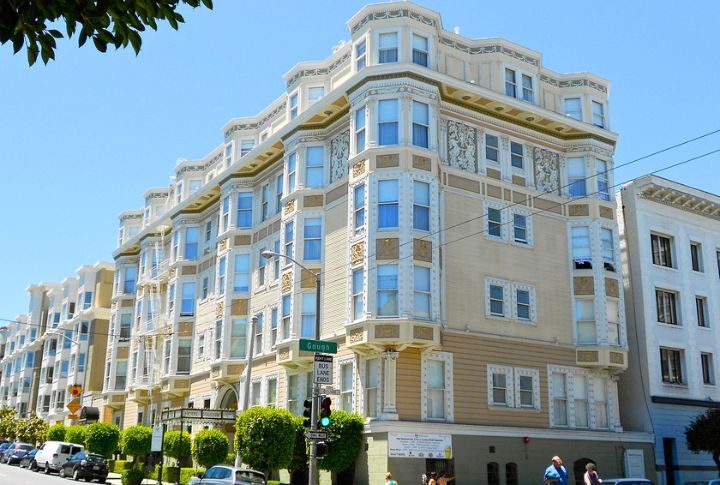
Smallbones/Wikimedia Commons 

The destination may be stunning, but if the hotel flops, the whole trip feels off. Some cities struggle to keep up with traveler standards, no matter the price tag. Between dated decor and inconsistent service, these places stand out—but not for the right reasons. Here’s where disappointment often checks in first.

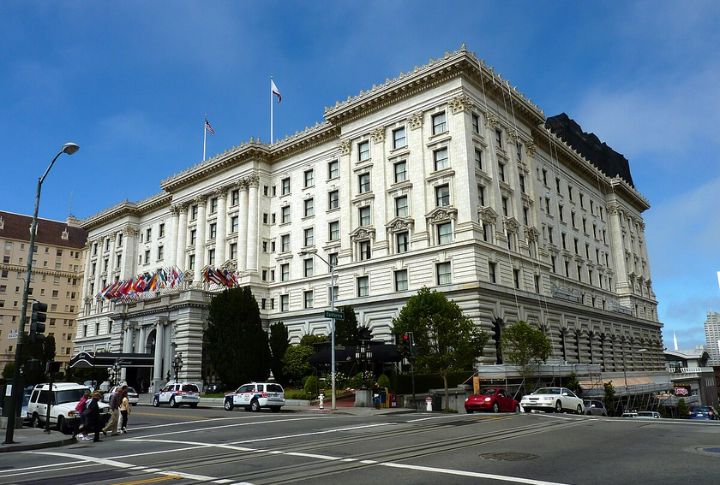
San Francisco, California
San Francisco, California
Bobak Ha’Eri/Wikimedia Commons

Rooms cost luxury rates but reveal budget-level conditions. Travelers criticize mid-tier hotels for stained linens and malfunctioning elevators. Guests mention blaring street noise and impossible parking near downtown. Despite a 3.4-star average, nightly rates regularly exceed $230, leaving many to regret their booking.

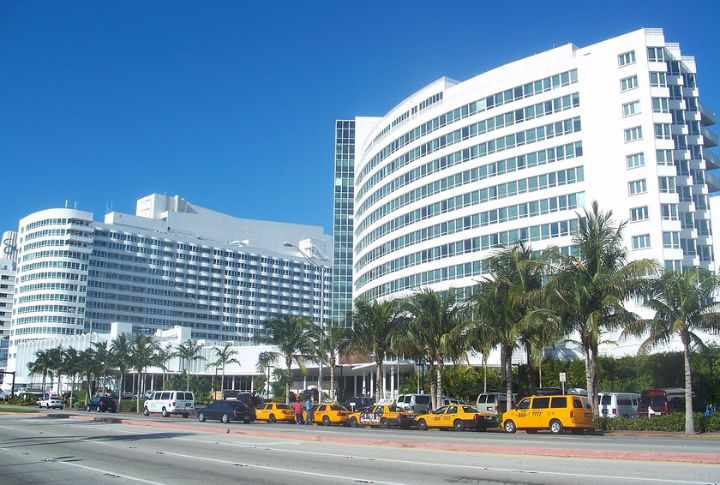
Miami Beach, Florida
Miami Beach, Florida
Ebyabe/Wikimedia Commons

Behind ocean views, frustrations pile up. Thousands of guests complain about moldy AC units and surprise resort fees. Scores fall below 7.0 on Booking.com, revealing dissatisfaction across both budget and upscale listings throughout Miami Beach’s hotel corridor.

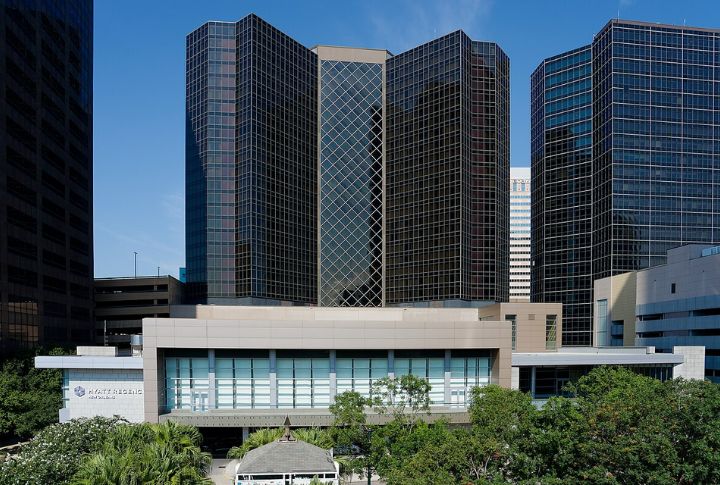
New Orleans, Louisiana
New Orleans, Louisiana
N’Awlins Contrarian/Wikimedia Commons

Expectations clash with dated interiors and lapses in service. From cracked furniture to reports of pest sightings, tourists report jarring surprises near the French Quarter. Boutique stays raise complaints about cleanliness and staff reliability, which makes New Orleans one of the nation’s riskiest bets for lodging.

Atlanta, Georgia
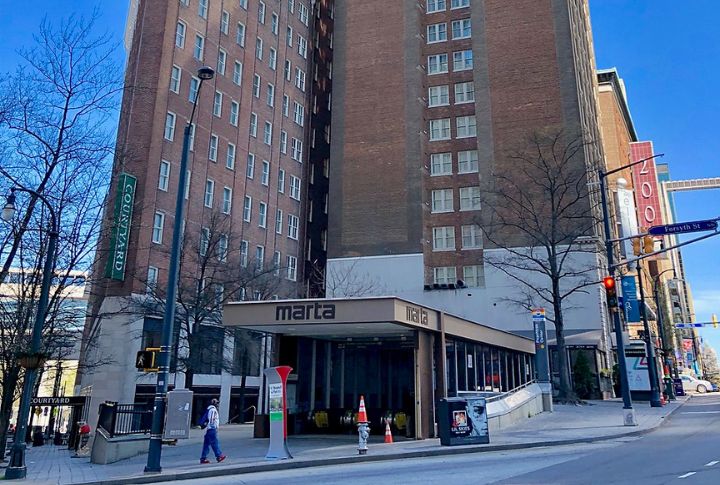
Atlanta, Georgia
Warren LeMay/Wikimedia Commons 

Long waits and poor shuttle service can wear down a guest’s patience. Travelers rank Atlanta among the South’s least satisfying hotel cities. Airport-area and budget properties frequently receive low marks for inattentive staff and underwhelming room conditions, especially considering the city’s competitive nightly pricing.

Chicago, Illinois
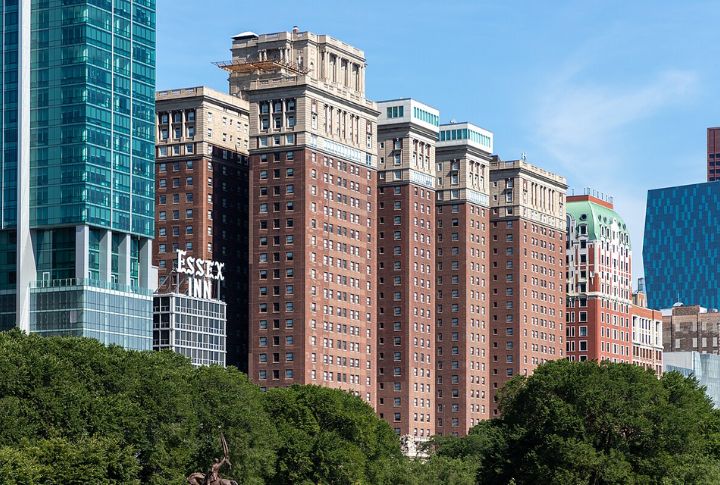
Chicago, Illinois
Paul R. Burley/Wikimedia Commons

Downtown landmarks don’t consistently deliver comfort. Visitors describe chilly rooms in winter and outdated bathrooms packed into small spaces. Some historic hotels suffer from unpleasant odors, prompting many to favor newer suburban options despite the longer commute into central Chicago.

Los Angeles, California
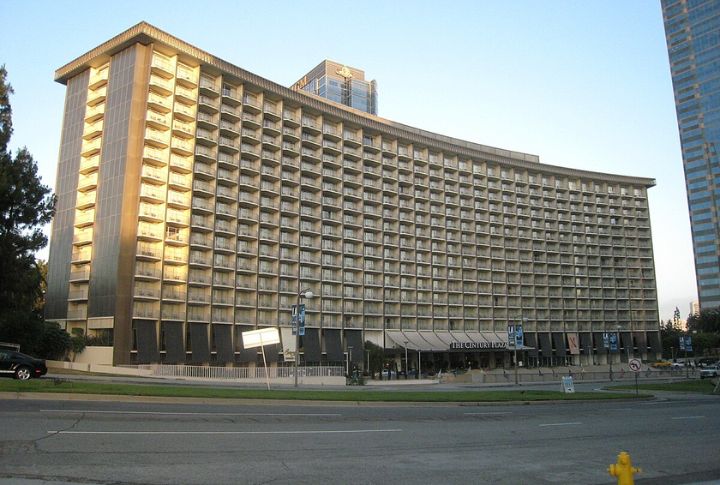
Los Angeles, California
Minnaert/Wikimedia Commons

Guest reviews highlight a concerning disparity between expectations and the actual experience. Safety concerns and valet-only parking stand out as top frustrations. Properties near popular attractions see the worst complaints, mainly regarding staff responsiveness and the perceived value of rooms in high-traffic zones.

Las Vegas, Nevada
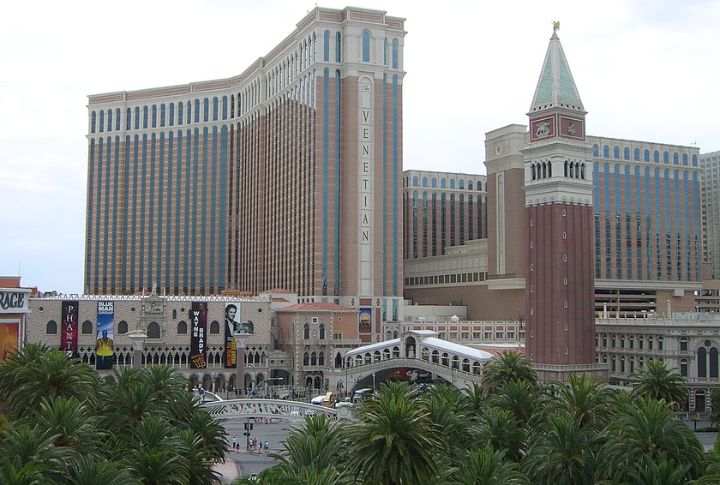
Las Vegas, Nevada
Ricky Barnard/Wikimedia Commons

Budget stays on the Strip regularly disappoints. People point to noisy casino floors that echo into rooms, slow check-in lines, and missing basics, such as in-room coffee. Despite the city’s reputation for hospitality, many low-cost hotels fall short on cleanliness and essential guest conveniences.

New York City, New York
New York City, New York
Yarl/ Wikimedia Commons

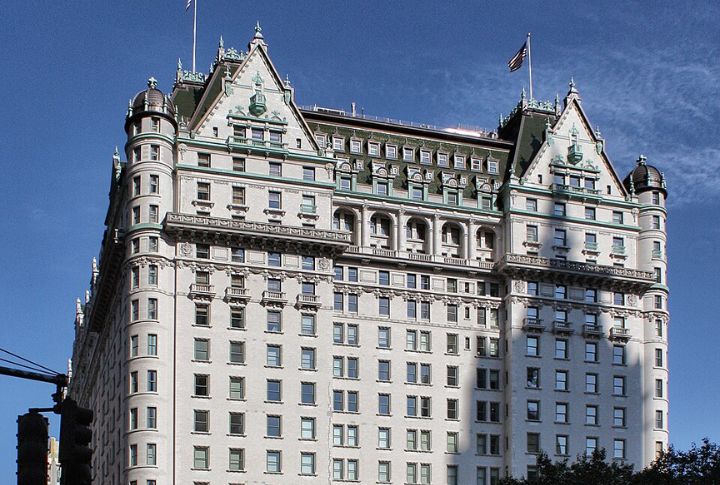
Tiny rooms, around 300 square feet, and steep prices form a formidable combination. Many guests describe unfriendly staff and walk-up buildings with no elevator. Poor ratings are often traced to budget properties spread across boroughs, where value and comfort rarely appear in the same review.

Orlando, Florida
Orlando, Florida
Leonard J. DeFrancisci/Wikimedia Commons

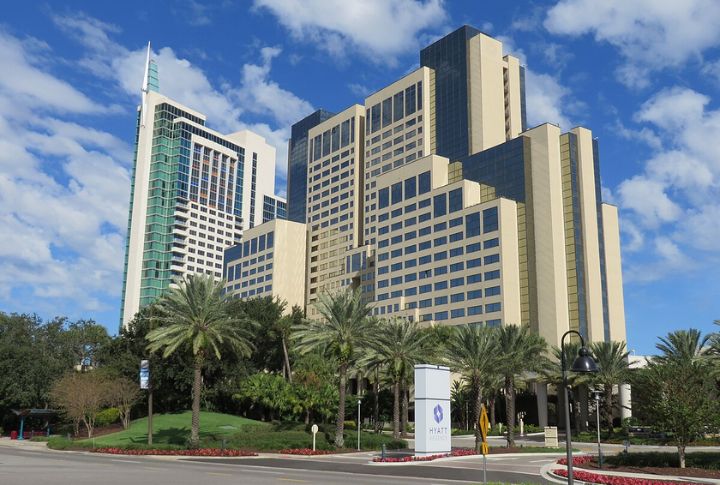
Stays near theme parks don’t always feel magical. Bedbug reports made headlines in 2023, and resort fees continue to confuse families booking multi-night visits. Unexpected pool closures, limited breakfast options, and inconsistent housekeeping diminish the overall experience in many of Orlando’s budget-friendly hotels.

Detroit, Michigan
Detroit, Michigan
Mikerussell/Wikimedia Commons

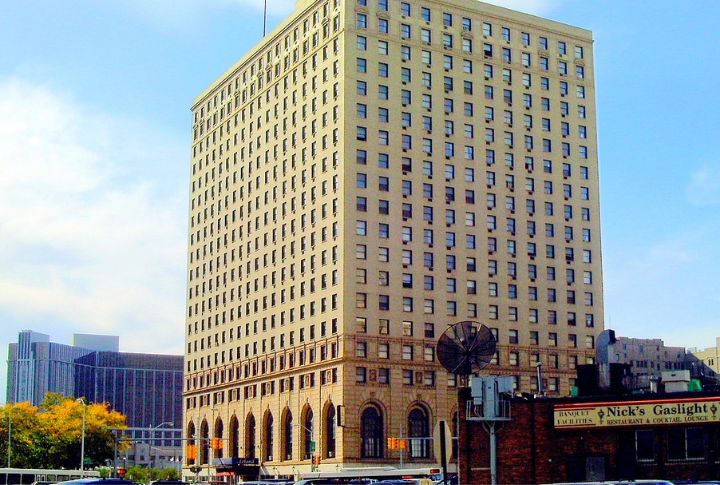
Storm surges and worn-out amenities stand out in Detroit hotel reviews. Travelers cite broken A/C units and delayed customer service. Some guests also mentioned refund requests during citywide events, underscoring a mismatch between price and performance at specific properties.

Continue Reading
Click to comment

Leave a Reply

Your email address will not be published. Required fields are marked *

Education

10 Proposed US States That Almost Became A Reality

Published

on

Wikipedia

Over the years, groups of settlers, rebels, and visionaries pushed for statehood, hoping to carve out their own place in the nation. Some movements gained traction, while others fizzled out as bold but short-lived experiments. Each attempt tells a story of ambition, conflict, and changing borders. Here are ten proposed states that came surprisingly close to becoming reality.

Franklin

Iamvered/Wikipedia

It wasn’t a lack of ambition that brought Franklin down—it was debt. In 1784, Appalachian settlers declared independence, hoping to break free from North Carolina’s neglect. However, without federal recognition and plagued by financial troubles, the experiment quickly fell apart. By 1789, Franklin’s leaders were back under North Carolina’s rule, and the dream of independence faded into history.

Deseret

National Park Service/Wikipedia

Deseret was conceived in 1849 as a vast state by Mormon settlers and hoped to span much of the American West. Congress, worried about excessive control, denied the proposal. Instead, Utah Territory was formed, drastically shrinking the dream. Still, the term Deseret persists in Utah’s culture and economy.

Absaroka

Wikimedia Commons

Absaroka was defined by its rebellious spirit. During the Great Depression, frustrated ranchers in Wyoming, Montana, and South Dakota declared themselves independent states, even minting license plates and holding beauty pageants. However, it was all more of a playful protest than a real movement, and by 1941, Absaroka faded into history.

Jefferson

Visitor7/Wikipedia

Jefferson just wouldn’t give up. From the Rockies to northern California, this proposed state has kept reappearing throughout history.  Its most famous moment came in 1941 when residents declared independence and raised flags, but World War II quickly snuffed out the movement. Despite that, the dream of Jefferson still lingers in the hearts of some.

Sequoyah

D.W. Bolich/Wikimedia Commons

What if Native Americans had their own state? In 1905, the Five Civilized Tribes proposed Sequoyah, a state designed to preserve their culture and governance. With a detailed constitution that gained local support, it seemed promising, but it ultimately failed in Congress. Today, Sequoyah stands as a powerful reminder of autonomy lost to federal expansionism.

Westsylvania

Kmusser/Wikipedia

In 1776, settlers west of the Alleghenies sought independence from Pennsylvania and Virginia, calling for Westsylvania. Congress ignored their pleas, choosing unity over fragmentation during the Revolutionary War. The name faded, but the rugged individualism of its founders lives on in regional pride.

Superior

Mr.Election/Wikimedia Commons

Michigan’s Upper Peninsula often felt like an outsider. Residents proposed the State of Superior multiple times by citing cultural and economic differences. Although the movement never gained traction, the U.P. continues to embrace its distinct identity, with “Superior” as a symbol of regional pride.

Transylvania

Infrogmation/Wikipedia

Can private investors truly create a state on land that isn’t theirs? In 1775, investors bought Cherokee land to form Transylvania, only to have Virginia and North Carolina declare the deal illegal. Transylvania vanished and served as a cautionary tale about the risks of private ventures in public land disputes.

Delmarva

Olivier Hammam/Wikipedia

The Delmarva Peninsula, shared by Delaware, Maryland, and Virginia, often sought independence as its own state. Geographic isolation and cultural unity fueled these efforts. However, disagreements among the three states derailed each attempt. That left Delmarva’s statehood simply a footnote in US history.

Scott

Brian Stansberry/Wikipedia

In 1861, Scott County, Tennessee, boldly declared itself the Free State of Scott, which clearly defied Tennessee’s support of the Confederacy. While mostly symbolic, this stance remained until 1986. The county’s long legacy of resistance continues to intrigue people today.

Continue Reading

Education

10 Secrets Mars Could Reveal If We Went Below Its Surface

Published

on

NASA/John Frassanito and Associates/Wikimedia Commons

Mars has intrigued scientists for decades, and while we’ve learned a great deal from its surface, the mysteries beneath could reveal even more. What if drilling into the Red Planet could expose ancient waters, hidden resources, or even clues to extraterrestrial life? Hold on to your curiosity as we explore ten extraordinary secrets that could change the way we think about Mars and its potential to support life—or even humanity itself.

Ancient Water Traces Beneath Mars

ESA/DLR/FU Berlin/Wikipedia

Mars might have once been a watery world. Hidden beneath its surface, scientists have found signs of ancient river channels and minerals that form only in the presence of water. There’s a chance we could uncover remnants of liquid water that reveal a time when Mars had an environment similar to Earth’s.

Unexplored Lava Tubes That May Harbor Life

NASA / Jet Propulsion Laboratory / University of Arizona/Wikipedia

Deep below Mars’ surface, lava tubes stretch for miles, created by past volcanic eruptions. These caverns could have shielded life from deadly radiation. In 2020, NASA proposed drilling into such tubes to study if microbial life could have found shelter. Could these underground worlds be home to creatures we’ve yet to discover?

Subsurface Magnetic Fields On Mars

courtesy NASA/JPL-Caltech/Wikipedia

Localized magnetic anomalies hint at something unique buried beneath the surface. Unlike Earth, Mars doesn’t have a global magnetic field, yet certain regions show magnetic signatures. The remnants of ancient magnetic shields could be uncovered during the process and can hint at how Mars once interacted with the solar wind and possibly protected ancient life.

Buried Martian Fossils And Past Ecosystems

NASA/Wikipedia

Mars might have hosted ecosystems long ago, and it’s possible that microbial fossils are buried beneath its surface. With the right technology, borehole exploration could unearth traces of these life forms, offering a direct link to Mars’ past—and maybe even proof that life existed there.

Potential Martian Ice Deposits

NASA/JPL/Malin Space Science Systems/Wikipedia

The ice beneath the Martian surface might not be as frozen as we think. Subsurface ice could be more abundant than previously imagined, and exploring these icy layers might uncover vast water reserves. These hidden glaciers could play a critical role in future Mars missions, providing not only water but also oxygen and fuel for explorers.

Hidden Martian Volcanoes Still Active

ESA/DLR/FUBerlin/AndreaLuck/Wikipedia

Did you know that Mars hosts Olympus Mons, the largest volcano in the solar system? Beneath its surface, more could be waiting to be discovered during exploration. Volcanic activity on Mars isn’t as dormant as it seems—scientists believe some of these volcanoes may still be geothermally active.

Energy Resources Hidden In Mars’ Subsurface

NASA/JPL-Caltech/MSSS/Wikipedia

Mars may contain geothermal energy beneath its surface, with heat pockets trapped in its crust. Exploring these depths could reveal energy-rich zones, presenting a potential power source for future human missions. Plus, these underground reserves could even fuel sustained exploration and make long-term habitation possible on Mars.

Potential For Microbial Life In Subsurface Water

USGS Astrogeology Science Center, Arizona State University, INAF/Wikipedia

Scientists suspect that water trapped beneath Mars’ surface may still harbor life—specifically microbial organisms. In 2021, research suggested that water deep underground could offer the right conditions for microbes to thrive. Tapping into Martian aquifers might expose long-buried microbial life and offer astrobiologists a game-changing breakthrough.

Martian Soil Composition And Mineral Riches

NASA/JPL/Wikimedia Commons

The Martian soil is more than just dusty red dirt. Mars is rich in iron and magnesium, but core sampling could reveal other valuable minerals such as sulfur and rare earth elements. These resources might be essential for future Mars colonies or scientific breakthroughs, and they’re lying dormant beneath the surface—waiting to be discovered.

Clues About Mars’ Tectonic Past

NASA / JPL-Caltech / Arizona State University/Wikipedia

Mars may not have active plate tectonics; however, that doesn’t mean it was always still. Evidence from surface features like valleys and ridges suggests tectonic activity occurred billions of years ago. By drilling, we could access hidden layers that provide insight into Mars’ tectonic history, which might offer clues about how the planet’s interior evolved over time.

Continue Reading

Education

10 Ancient Clues Found In Submerged Caves Of The Yucatán Peninsula In Mexico

Published

on

Sharon Hahn Darlin/Wikimedia Commons

Centuries-old secrets lie hidden beneath the waters of the Yucatán Peninsula. From tools crafted by ancient hands to haunting relics of Ice Age giants, the caves preserve an underworld long forgotten. Here are ten discoveries from those submerged caves that rewrite history.

Stone Tools Reveal The Ingenuity Of Ancient Settlers

ThoValo/Wikimedia Commons

Over 10,000 years old, these tools found in cenotes carry the marks of early craftsmanship. Flint blades and spearheads hint at survival tactics. Early humans used these artifacts to shape their existence in the Yucatán’s one-of-a-kind environment.

Fossilized Megafauna Reveal Human Coexistence

Mauricio Antón/Wikimedia Commons

Deep underwater in Hoyo Negro, the remains of mammoths, giant sloths, and other extinct creatures were found alongside a 13,000-year-old human skeleton. These findings bring attention to the shared existence of early humans and megafauna during the Ice Age, offering a glimpse into their dynamics.

Human Skulls Point To Ceremonial Cave Ceremonies

Rudolf Cronau/Wikimedia Commons

Delicately placed skulls, some over 9,000 years old, suggest these caves were used for rituals. Many skulls were found intact, which raises questions about their purpose. Were they offerings to water deities or markers of significant events that need further revelations?

Ocher Mines Highlight Resourceful Pigment Extraction

Marco Almbauer/Wikipedia

Vivid red ocher was mined here 12,000 years ago, long before similar discoveries were made elsewhere. This mineral, prized for rituals and art, was painstakingly extracted in pitch-black conditions. In the Yucatán cenotes, this ancient mine is the oldest known source for extracting ocher.

Preserved Pottery Reflects Early Culinary Traditions

clevelandart.org/Wikipedia

Pottery fragments hint at how food and water were stored by the Maya. Though direct evidence from submerged caves is scarce, the ceramics plausibly reflect ancient cooking practices and dietary habits. This is a glimpse into their daily lives thousands of years ago.

The Haunting Skeleton Of ‘Naia’ Rewrites History

Lee Roger Berger research team/Wikimedia Commons

Hoyo Negro’s underwater cave yielded Naia’s 13,000-year-old skeleton, one of the oldest to reveal genetic ties to modern Indigenous groups. Her DNA provided an essential link between the ancients and their descendants, giving them a rare glimpse into genetic evolution over thousands of years.

Submerged Temples Reveal Sacred Connections To Water

Zureks/Wikimedia Commons

Altars and ceremonial structures found in cenotes demonstrate the Maya’s reverence for water as a life source. Cenotes were gateways to the underworld in their mythology. The discoveries paint a picture of how spiritual beliefs and natural landscapes existed as one.

Calcified Bones Preserve Ice Age Mysteries

Johan Lindgren, Michael J. Everhart, and Michael W. Caldwell/Wikimedia Commons

Bones covered in thick calcium deposits create natural time capsules, preserving species lost to time. Found in caves like Dos Ojos, these remains reveal a window into the Ice Age’s biodiversity. Such preservation is unique to the mineral-rich waters of Yucatán.

Ancient Canoes Showcase Early Waterway Mastery

Gary Rodd/Wikimedia Commons

A wooden canoe, remarkably preserved, was found near Chichén Itzá. This vessel was used for rituals or trade and highlights the Maya’s navigation skills. The role of water in survival, trade, and culture in their society is evident in this example.

The ‘Eve Of Naharon’ Challenges Migration Theories

Cicero Moraes/Wikipedia

Unearthed near Tulum, Eve of Naharon’s remains date back 13,600 years. She is now among the earliest known inhabitants of the Americas. Her discovery challenges chronological assumptions that hint at even earlier waves of migration that shaped human history on the continent.

Continue Reading

Trending

Copyright © 2025 CityStateZipCode.com