Food & Drink
15 Foods That Didn’t Exist When You Were a Kid

Food trends have evolved so much over the years that some items we see in grocery stores today would’ve been unimaginable decades ago. From creative snack ideas to entirely new cuisines becoming mainstream, the modern food landscape is a testament to innovation and globalization. Here are 15 foods that didn’t exist when you were a kid but are now everywhere.
Avocado Toast
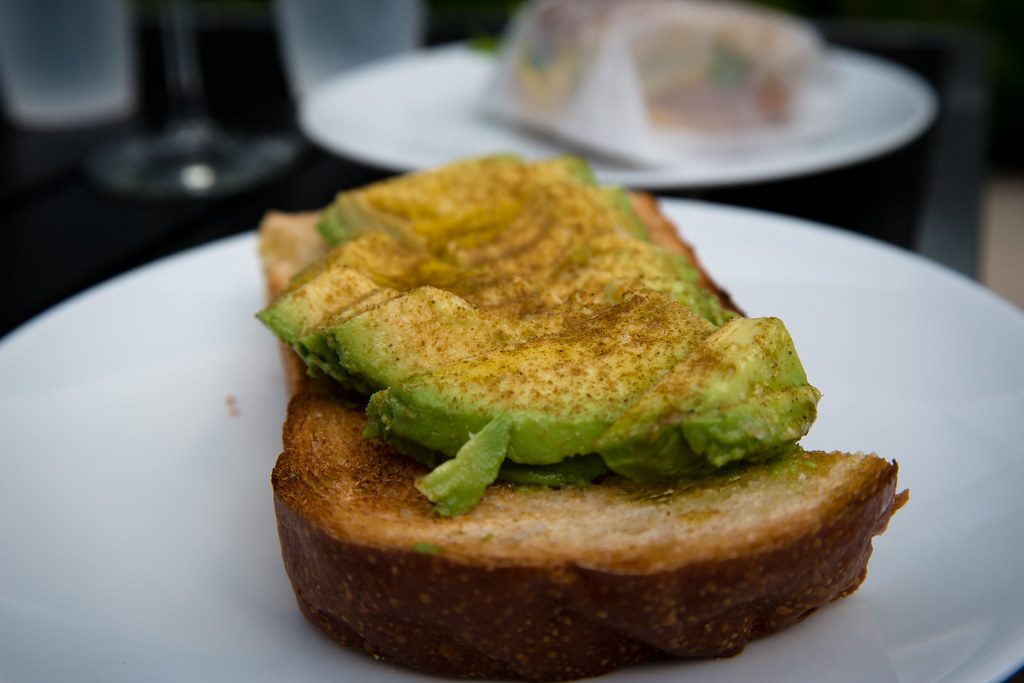
Once an exotic ingredient for guacamole, avocados are now a breakfast staple. Avocado toast has taken the food world by storm with its simple but flavorful combination of smashed avocado on toast, often topped with eggs, spices, or other trendy additions. Decades ago, this would’ve seemed like an unusual breakfast choice, but now it’s a cultural phenomenon.
Plant-Based Burgers
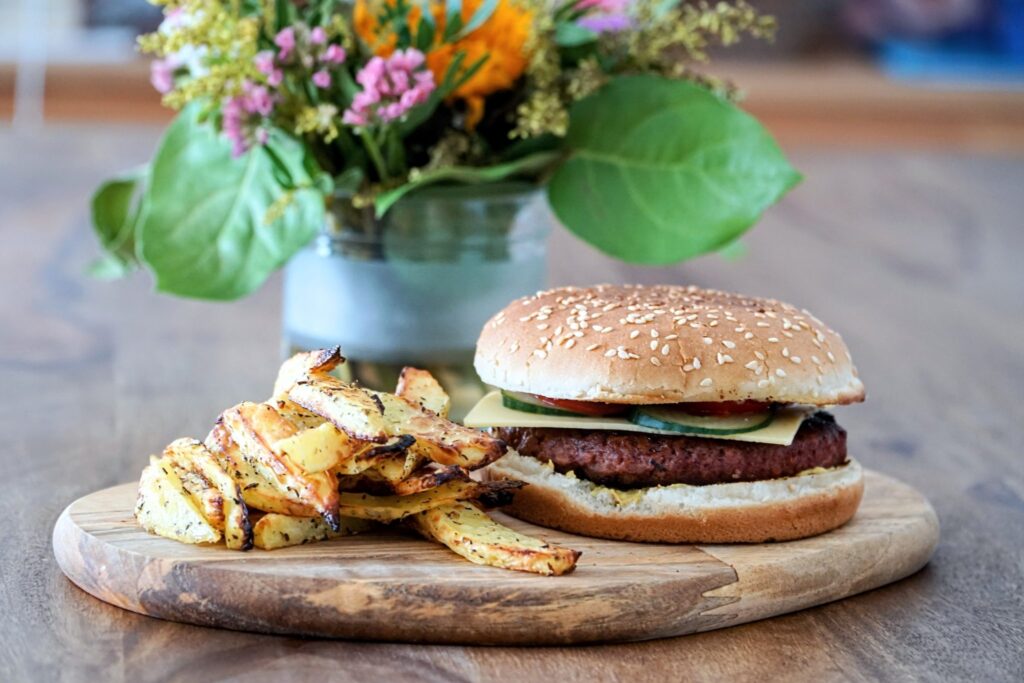
From Impossible Burgers to Beyond Meat, plant-based patties that look and taste like meat are a product of cutting-edge food technology. These meat alternatives, packed with protein and flavor, weren’t on anyone’s radar when you were young. Now, they’re a go-to option for vegetarians and flexitarians alike.
Sriracha Sauce
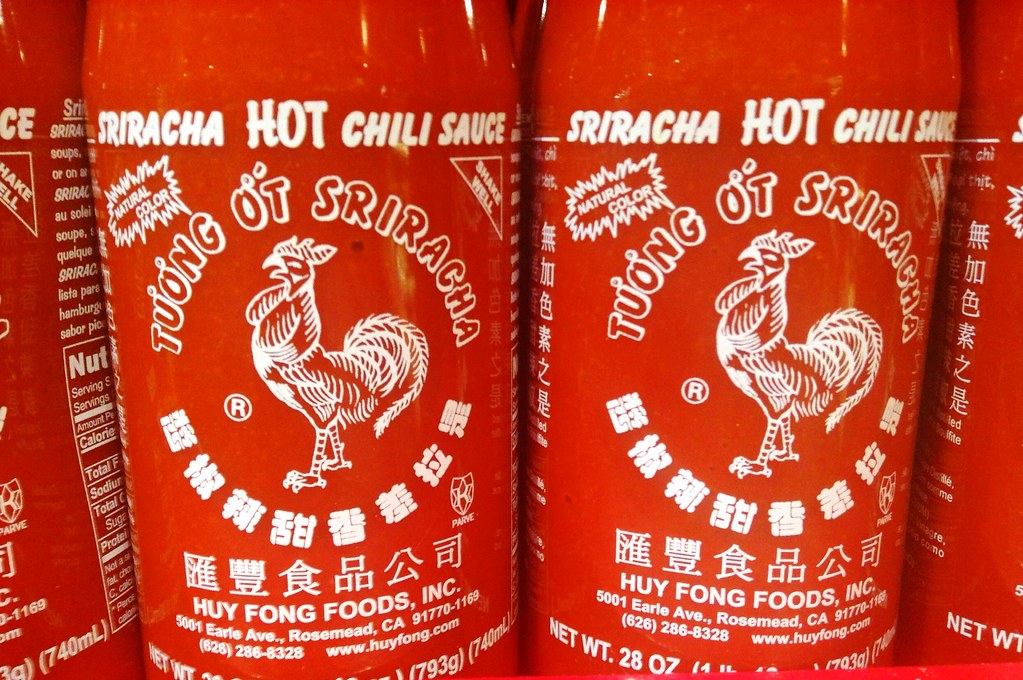
This spicy chili-garlic sauce from Thailand only hit American grocery store shelves in the 1980s but didn’t gain widespread popularity until the 2000s. Its tangy heat has turned it into a kitchen staple, showing up on everything from burgers to popcorn. Back in the day, hot sauce options were much simpler!
Greek Yogurt
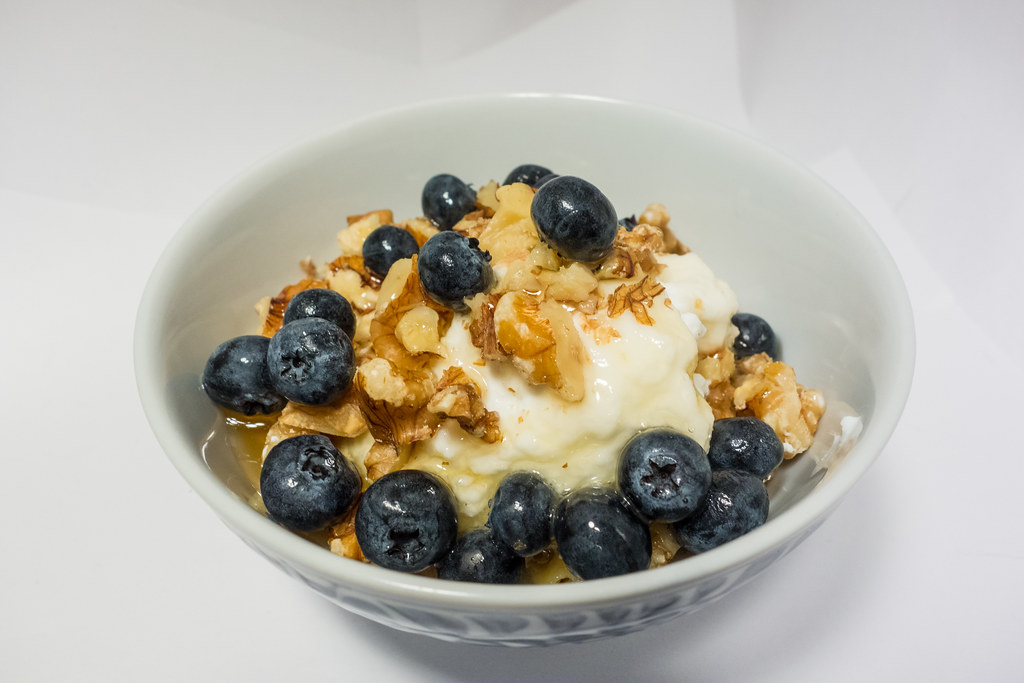
While yogurt has been around for centuries, Greek yogurt only became a household name in the U.S. in the early 2000s. With its thicker texture and higher protein content, it’s now a breakfast and snack favorite. When you were a kid, yogurt was likely thinner and came in just a handful of classic flavors.
Bubble Tea (Boba)
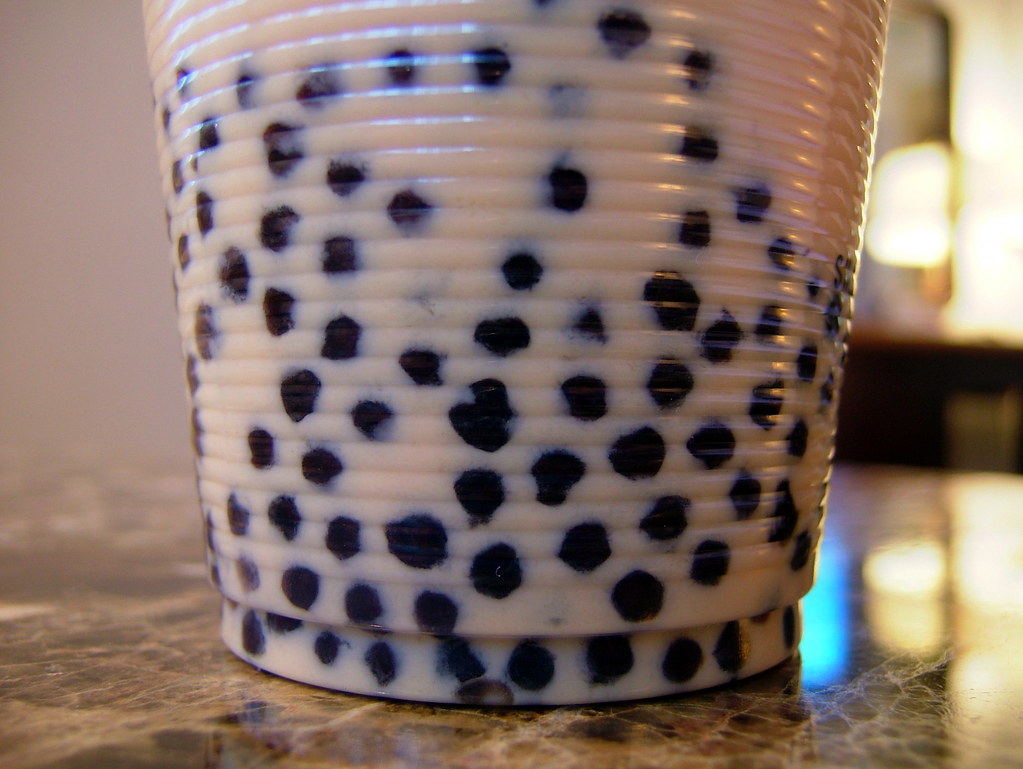
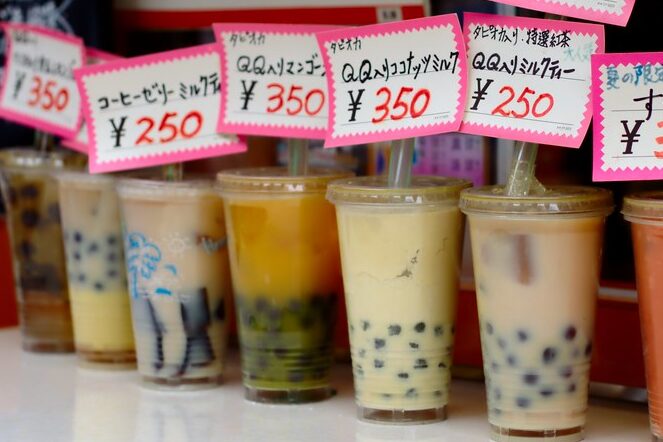
Originating in Taiwan, bubble tea with its chewy tapioca pearls is now a trendy drink around the world. These sweet, colorful beverages weren’t something you could find in local cafes growing up, but today, they’re a staple in most cities, drawing lines of eager customers.
Kale Chips
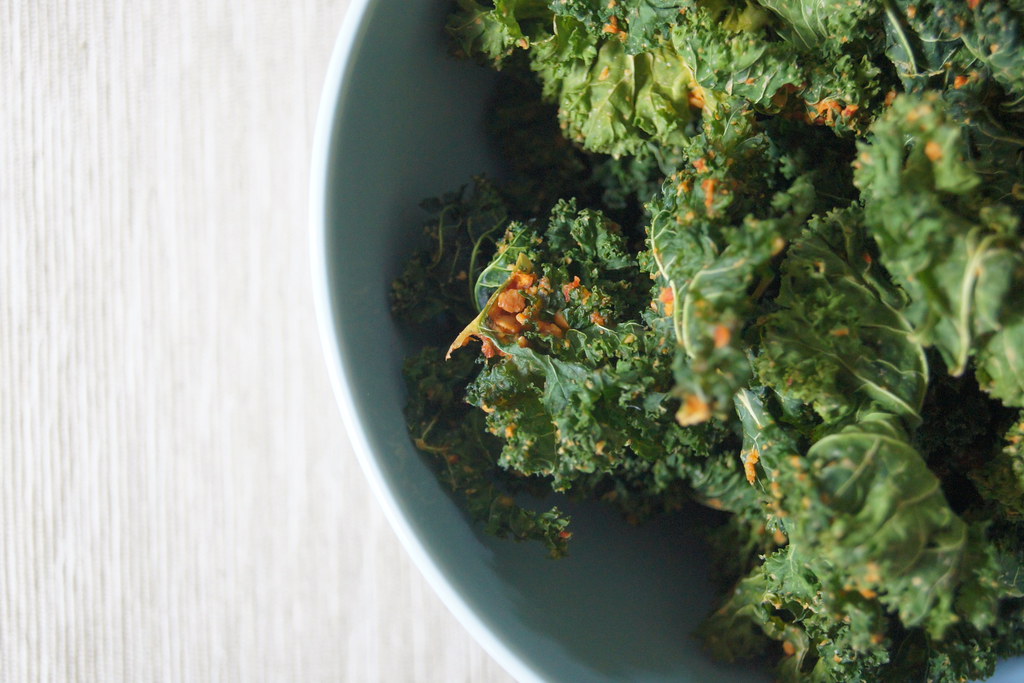
Kale, once a garnish on restaurant plates, has become a superfood star. Kale chips—baked, crunchy, and seasoned—are now a popular snack alternative to potato chips. It’s hard to imagine this leafy green being anything more than a salad base when you were a kid, let alone a snack aisle sensation.
Acai Bowls
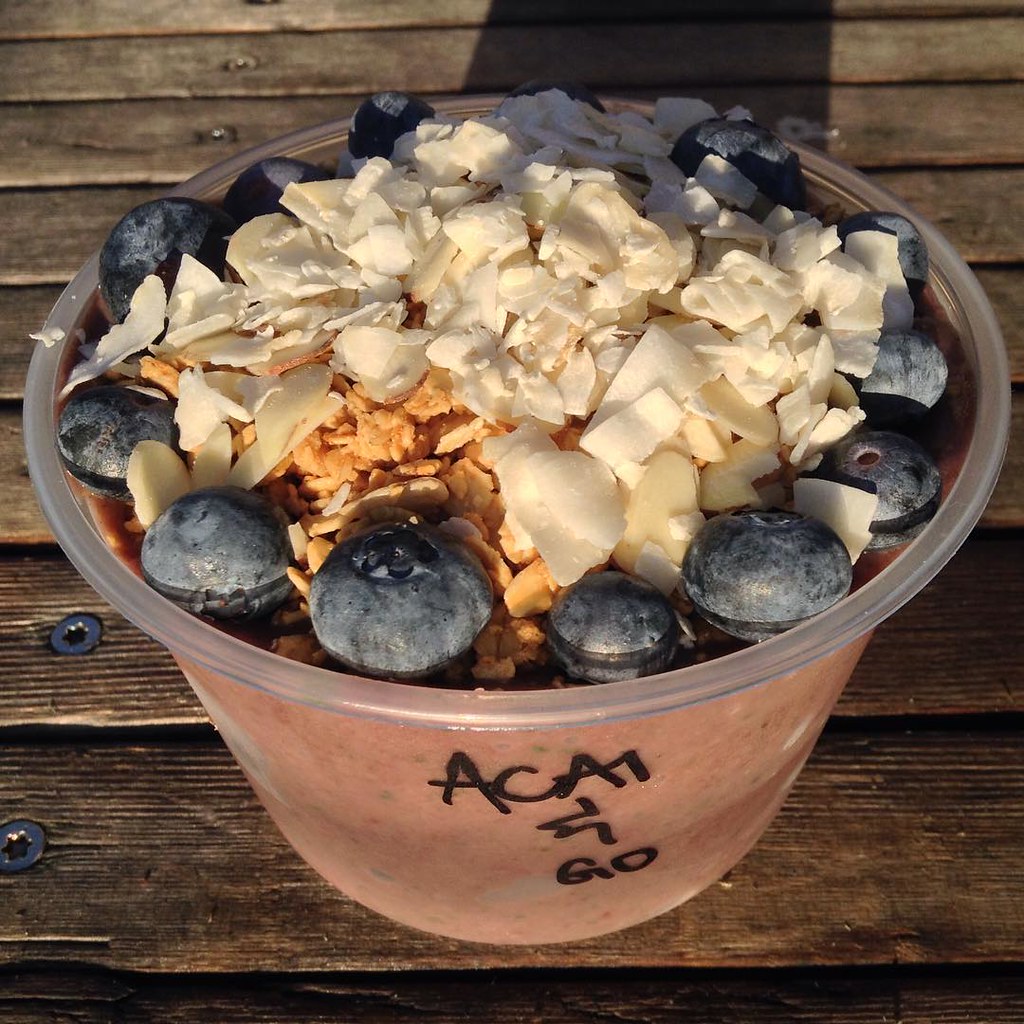
Acai berries, harvested from the Amazon rainforest, were relatively unknown outside Brazil until recently. Now, acai bowls—blended frozen berries topped with granola, fruit, and honey—are a breakfast or dessert favorite. This nutrient-packed treat has become synonymous with health-conscious eating.
Almond Milk
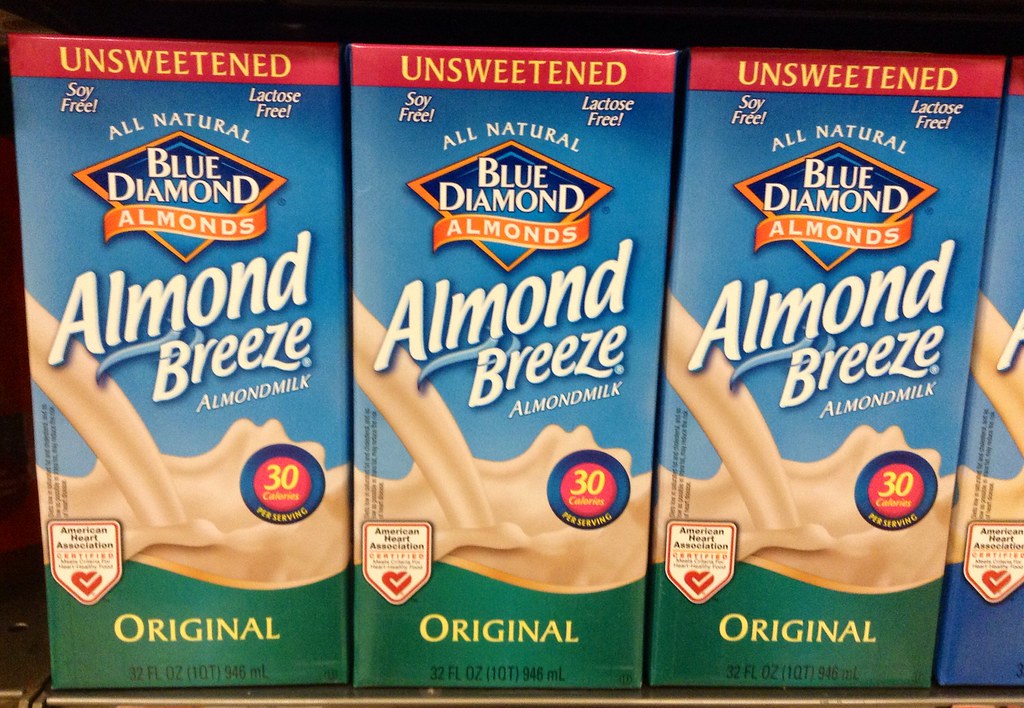
Decades ago, non-dairy milk options were scarce, with soy milk being one of the few alternatives. Today, almond milk is everywhere, praised for its mild taste and versatility. It’s used in coffee, smoothies, and even baking, making it an essential item for those avoiding dairy.
Sushi Burritos
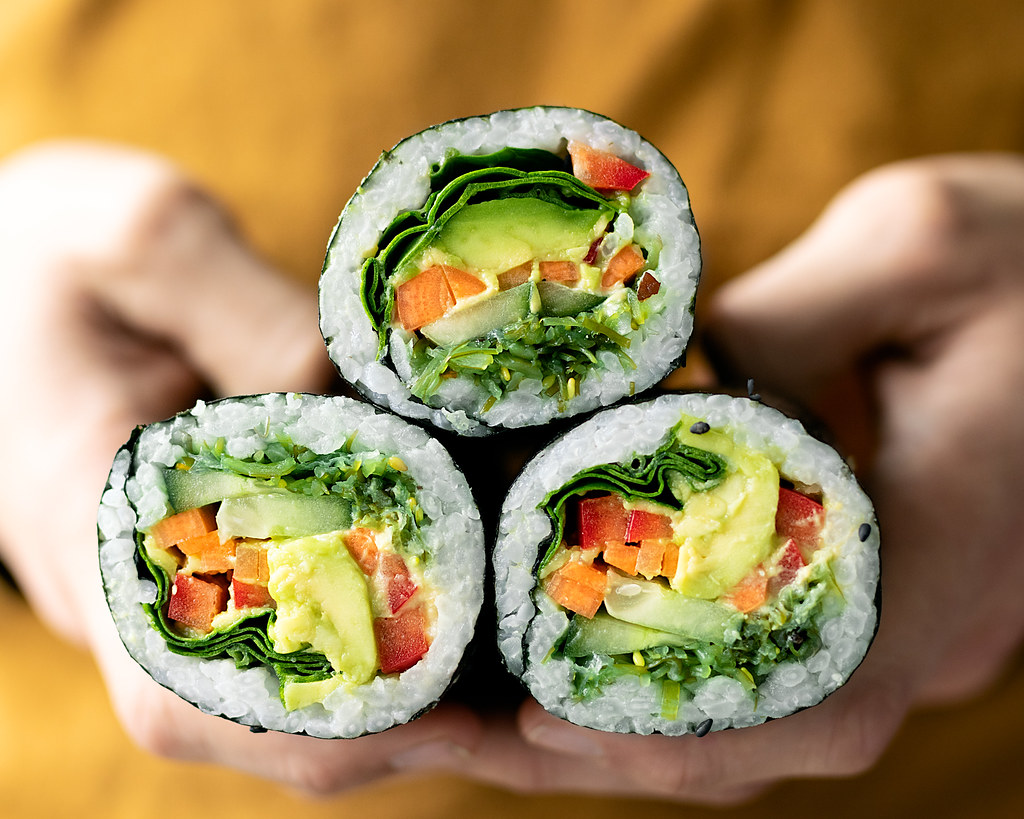
Sushi rolls existed when you were young, but the oversized sushi burrito is a modern invention. Combining the convenience of a burrito with the flavors of sushi, this handheld meal has turned Japanese cuisine into an on-the-go favorite. It’s a creative twist that likely didn’t cross anyone’s mind decades ago.
Spaghetti Squash
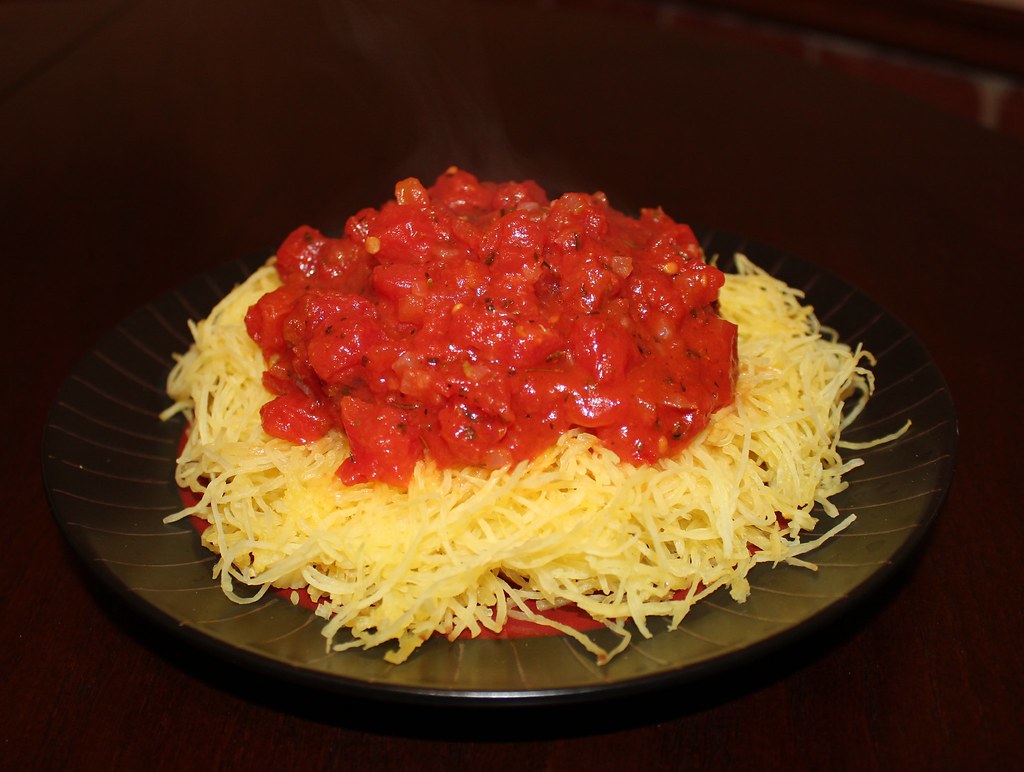
This vegetable has gained popularity as a low-carb alternative to pasta. When roasted, spaghetti squash turns into noodle-like strands, making it a favorite for health-conscious eaters. Back in the day, it would’ve been unimaginable to swap hearty pasta for a vegetable substitute.
Cold Brew Coffee
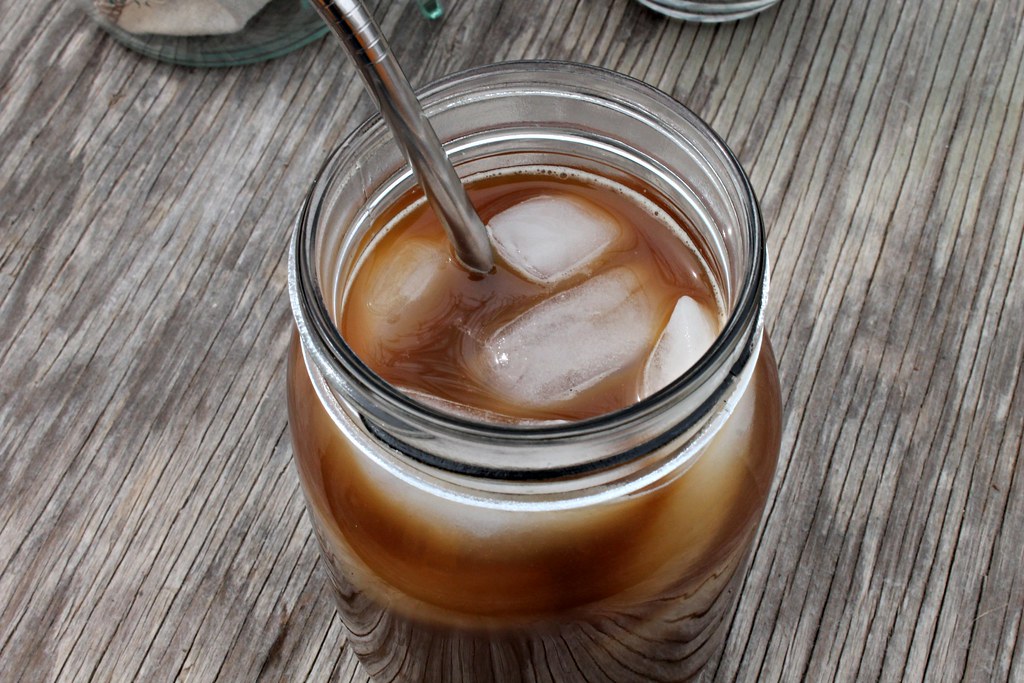
While iced coffee has been around for decades, cold brew—coffee steeped in cold water for hours—has become a sensation in recent years. Its smooth, less acidic flavor has made it a favorite in cafes everywhere. Growing up, coffee options were simpler, and cold brew wasn’t even part of the conversation.
Cauliflower Pizza Crust
Who would’ve thought cauliflower could replace pizza dough? This gluten-free alternative has taken the world by storm, offering a healthier option without sacrificing flavor. It’s a far cry from the traditional, doughy pizzas many grew up with, but it’s become a hit among modern foodies.
Kombucha
This fermented tea drink with a fizzy kick wasn’t on store shelves when you were young. Kombucha’s probiotic benefits and unique tangy flavor have made it a popular health beverage today. Back then, tea was either hot, iced, or sweetened—nothing close to this trendy drink.
Matcha Lattes
Matcha, a finely ground green tea powder from Japan, has transformed into a modern beverage trend. Matcha lattes are now a colorful and antioxidant-rich alternative to coffee. Growing up, you might have enjoyed a cup of hot tea, but the idea of mixing it with milk and serving it as a latte would’ve been unheard of.
Charcuterie Boards
Cheese and crackers existed, but modern charcuterie boards—loaded with artisan meats, cheeses, fruits, nuts, and spreads—are a visual and culinary art form. These curated platters have become a centerpiece for gatherings and are a far cry from the simple snack trays of the past.

Food & Drink
10 Food Items With Artificial Red Color

Have you ever wondered why some foods have such eye-popping colors? The vibrant red in your favorite snack or dessert isn’t always from nature. Hidden in many everyday foods is Red 40, also known as Allura Red AC or E129, a synthetic dye that’s everywhere—and you might not even realize it. Let’s take a closer look.
Strawberry Yogurt

Yogurt’s creamy pink hue mostly comes from Red 40 rather than strawberries. Many brands combine the dye with natural additives like carmine or beet juice to achieve this look. A typical portion contains 2–4 milligrams, creating a color more vibrant than nature alone provides.
Fruit Punch

Each glass of fruit punch may have up to 17.6 milligrams of E129. The electric red of this drink isn’t from a tropical fruit medley. While it makes the drink look festive, science says that heat and light can break down the dye and subtly alter its vividness over time.
Cherry Pie Filling

Cherry pie filling is more artificial and less orchard magic. Since real cherry pigments degrade during high-heat processing, manufacturers turn to Allura Red AC—about 5–8 milligrams per serving—to ensure a bright, consistent red that stays picture-perfect on your dessert table.
Candy-Coated Chocolates

Red 40 again does the heavy lifting on those glossy red shells on candy-coated chocolates. Around 3.2 milligrams per piece gives them their vibrant hue, with the dye bonding to sugary coatings through a precise layering process. It is as much art as it is chemistry.
Breakfast Cereals

The colorful crunch of some breakfast cereals also owes its charm to this widely used additive. Fruit-flavored cereals bring joy to the breakfast table with those dazzling colors. Sprayed onto cereal pieces during production, the Red 40 can account for up to 14 milligrams per bowl.
Red Velvet Cake

A single serving of modern red velvet cakes can contain about 22.5 microunits of that dye. Historically, its color came as a result of a natural reaction between cocoa powder and buttermilk, but today, artificial coloring takes center stage.
Hot Cheetos

The fiery red coating on Hot Cheetos has around 12.7 milligrams of Red 40 per pack, which creates the snack’s dramatic appearance. This dye clings to the surface using an oil-based application, which ensures an unmistakable—and slightly messy—signature look.
BBQ Sauce

Many BBQ sauces achieve their rich red color with artificial dyes instead of relying solely on natural ingredients like tomatoes or paprika. A standard two-tablespoon serving typically contains 1 to 3 milligrams of dye. After cooking, these dyes intensify the color of the sauce.
Pickled Foods

Some pickled products, like maraschino cherries, also rely on Allura Red AC to achieve their saturated colors. During preservation, 4–6 milligrams of Red 40 infuse the food, creating a deep, lasting red that holds up against acidic brines and extended storage.
Popsicles

Red popsicles owe their vibrant brightness to 13.4 milligrams of Red 40. Since the dye is designed to maintain its color in freezing conditions, it ensures every frozen popsicle remains visually appealing and bold, no matter how long it stays in the freezer.
Food & Drink
10 Things You Didn’t Know About Hawaiian Coffee

Hawaiian coffee has earned a reputation as some of the finest in the world, but there’s much more to this beloved brew than meets the eye. The history, unique growing conditions, and local farming practices all play a role in shaping the distinctive flavors that make Hawaiian coffee so special. Keep reading to discover why Hawaiian coffee continues to be a standout in the world of coffee.
The Origin Of Coffee Cultivation In Hawaii

In 1817, Don Francisco de Paula Marín introduced coffee plants to Hawaii, but his efforts didn’t yield success. It wasn’t until 1828, when Samuel Ruggles planted coffee in Kona’s fertile volcanic soil, that the seeds of Hawaii’s coffee legacy truly took root and flourished.
How Kona Coffee Earned Its Global Reputation

Kona coffee dazzled judges at the Vienna World’s Fair in 1873, earning a global spotlight. Known for its velvety body and vibrant acidity, this coffee stood out thanks to its ideal growing conditions. Even today, Kona’s reputation as “liquid gold” remains untarnished.
Unique Bean Varieties Exclusive To Hawaiian Farms

Hawaii is home to the Kona Typica bean, a local twist on Arabica. This variety thrives in the islands’ volcanic soils and produces a flavor that’s uniquely Hawaiian—bright, nutty, and floral. Experimentation with new hybrid beans ensures this exclusivity stays fresh and exciting.
The Role Of Volcanic Ash In Soil Fertility

Volcanic ash is the secret sauce for Hawaii’s coffee. Filled with essential nutrients like potassium and magnesium, it nourishes the soil and creates ideal growing conditions. It’s nature’s version of a gourmet seasoning, crafting coffee flavors you won’t find elsewhere.
How Microclimates Differ Across The Islands

Hawaiian coffee isn’t a one-flavor wonder. Each island offers its own microclimate—Kona’s sunny mornings and rainy afternoons contrast with Maui’s drier, breezy conditions. Even Molokai, with its semi-arid climate, produces beans with bold, earthy tones. No two cups are the same.
Traditional Vs. Modern Farming Techniques In Hawaii

Hand-picking ripe cherries is an age-old Hawaiian tradition that ensures quality, but modern drip irrigation systems now boost efficiency. For example, systems like Netafim conserve water while delivering nutrients directly to the roots. This harmony of tradition and technology elevates Hawaii’s coffee game.
The Impact Of Hawaii’s Small-Scale Farms On Quality

In Hawaii, coffee farms are boutique operations. Greenwell Farms, established in 1850, remains family-owned and renowned for its premium beans. Their hands-on approach means every bean is nurtured with care. The result? Coffee that’s rich, personal, and utterly unforgettable.
How Hawaii’s Geography Creates Pest Control Challenges

Hawaii’s isolation doesn’t shield it from pests like the coffee berry borer. These invasive beetles wreak havoc on crops and force farmers to innovate with biological controls and meticulous farm management. It’s a battle that keeps Hawaiian coffee farmers on their toes.
Why Kona Coffee Is One Of The Most Expensive In The World

Kona coffee commands a premium price because it’s labor-intensive and exclusive. Farmers harvest by hand, and only beans grown in the Kona Coffee Belt qualify. With less than 1% of global coffee production, it’s no wonder a pound can cost over $50.
The Cultural Significance Of Coffee Farming

The annual Kona Coffee Cultural Festival celebrates Hawaii’s coffee heritage with tastings, parades, and farm tours. Established in 1970, it draws thousands of visitors every year. This vibrant event honors farmers while showcasing Hawaii’s rich coffee culture to the world.
Food & Drink
20 Restaurants That Served America’s Presidents

Presidents don’t always dine in grand establishments—many have shared meals at humble, beloved spots across the nation. These restaurants offer a unique glimpse into presidential tastes and the casual side of American politics. Here are 20 modest eateries that served U.S. presidents.
Gadsby’s Tavern, Alexandria, Virginia

A dinner here wasn’t just a meal—it was a political event. Washington, Jefferson, and Madison once filled these candlelit rooms, their voices shaping a new nation. Today, preserved artifacts and colonial-era recipes remind guests that revolutions were planned over steaming plates of roast duck and ale.
The Log Inn, Warrenton, Indiana

Lincoln’s boots once tapped against these wooden floors as he grabbed a meal on his travels. Founded in 1825, this roadside stop served pioneers long before highways existed. Its unpretentious meals, including pork chops and thick cornbread, nourished men who built the country, one mile at a time.
Arthur Bryant’s, Kansas City, Missouri

Barbecue in Kansas City has always been a serious business. Truman knew that, which is why he kept coming back. Arthur Bryant’s famous burnt ends were tradition. He stood in line like everyone else, eager for a taste of slow-smoked meat soaked in tangy sauce.
Antoine’s, New Orleans, Louisiana

For Roosevelt, this restaurant was the heart of Creole cuisine. Secret doors led to hidden dining rooms where politicians held quiet discussions over plates of buttery oysters. The restaurant’s 19th-century origins made it more than a place to eat; it was a New Orleans institution.
Delmonico’s, New York City, New York

When Theodore Roosevelt dined here, he was eating at America’s first true fine-dining establishment. This was where the elite gathered, where waiters in crisp uniforms served Lobster Newberg, and where every meal felt like a statement.
Fraunces Tavern, New York City, New York

Revolutions need meeting places, and this was one of them. Washington chose this very spot to bid farewell to his officers, surrounded by battle-weary men who had just won America’s independence. Today, its walls still carry the weight of those final words spoken over tankards of ale.
El Adobe De Capistrano, San Juan Capistrano, California

Before it became a restaurant, this adobe housed a courthouse, a penitentiary, and even a general store. Nixon did not care about its past—he came for the tamales and mole. Each visit, he sat in a quiet corner and savored flavors that echoed California’s deep Mexican roots.
Mader’s, Milwaukee, Wisconsin

When Kennedy visited Milwaukee, he didn’t leave without tasting its German roots. Mader’s was a stop that gave him a taste of the city’s immigrant history. He dined beneath medieval-style chandeliers surrounded by wood carvings, proof that America’s melting pot always had room for a little Bavaria.
Old Ebbitt Grill, Washington DC

Power and politics have always been on the menu here. Grant, Cleveland, and even modern leaders have found themselves at this oyster bar, just steps from the White House. Long before political dinners became performative, this was where deals were struck over fresh seafood and stiff drinks.
The Hubbell House, Mantorville, Minnesota

Rutherford B. Hayes walked through these doors in the 19th century, back when Minnesota still felt like the frontier. The building itself—stone, sturdy, built to last—mirrors the no-nonsense dishes served inside. Steaks, thick and juicy, and crispy fried chicken made this a stop worth remembering.
Nathan’s Famous, New York City, New York

Coney Island’s most famous hot dog stand had a presidential fan. Franklin D. Roosevelt thought so highly of Nathan’s that he had its franks served at White House gatherings. A working man’s meal at a working man’s price, yet somehow, it found its way into the highest office in the land.
Buckhorn Exchange, Denver, Colorado

Roosevelt wasn’t one for dainty meals. At Buckhorn Exchange, he found a dining room where taxidermy stared back at him, and the menu featured items such as rattlesnake, elk, and buffalo. If a meal could take on the rough-and-tumble spirit of the West, this was it.
Dixon’s Famous Chili, Independence, Missouri

Chili was one of many things Truman had strong opinions about. He believed it should be simple, with no beans, no frills, just rich beef, some spice, and a handful of crackers. At Dixon’s, he ate it exactly that way, proving that sometimes, the simplest dishes leave the biggest impressions.
Princess Restaurant, Frostburg, Maryland

President Harry Truman and his wife, Bess, once dined at this historic establishment in the 1950s. Guests can relive that nostalgic era by enjoying diner-style fare in the ‘Truman’ booth, surrounded by vintage jukeboxes and historical images that show the essence of years past.
Martin’s Tavern, Georgetown, Washington DC

A booth at Martin’s is a piece of history. Legends say Kennedy proposed to Jackie here, but the restaurant won’t confirm it. What’s certain is that this was a place where Washington’s elite gathered, where conversations turned into legacies, and where crab cakes always arrived hot.
Mabel’s Lobster Claw, Kennebunkport, Maine

Some restaurants are destinations. This one was just down the road from the Bush family summer home, making it a regular stop. Fresh lobster rolls, a dockside view, and a casual, no-fuss atmosphere made it clear—this wasn’t just a meal; it was a summer ritual.
The Firehouse, Sacramento, California

Once a working fire station, now a dining institution, this historic landmark has seen its share of celebrations. Reagan, a longtime patron, toasted milestones here, surrounded by bare brick and vintage chandeliers. Aged steaks and deep California wines with long conversations have long filled its dimly lit rooms.
Union Oyster House, Boston, Massachusetts

John F. Kennedy had a favorite booth here, and it hasn’t changed. Established in 1826, this oyster house is the oldest continuously operating restaurant in America. Even today, it serves the same New England classics—clam chowder and fresh oysters—offering a taste of history with every bite.
Versailles, Miami, Florida

Politics and Cuban food go hand in hand here. Reagan, Carter, and Clinton all stopped by, but the real power players were the Miami exiles, debating the future of Cuba over strong cafecitos. Versailles was never just about the food; it was about the voices that filled the room.
Mary Mahoney’s Old French House, Biloxi, Mississippi

Before Lyndon B. Johnson dined here, this home had already stood for centuries. French colonial charm seeps into its thick brick walls while the scent of buttery crab claws and Creole gumbo drifts through the air. Some places don’t just serve meals—they serve history.
-
Travel6 days ago10 Remote Hideaways Scattered Across The Great Basin
-
Cities2 months ago15 US Cities Where You Can Live Car-Free with Ease
-
States6 months ago10 U.S. States Facing Groundwater Depletion
-
Lifestyle9 months ago15 Things You Should Never Say on a First Date
-
States12 months ago10 Treasured Parks You Should See Before It’s Too Late
-
Travel2 weeks ago10 Evolved Military Sites Of Pre-Independence America
-
Cities5 months ago5 Most Charming Towns Along the Appalachian Range
-
Health8 months ago10 Phrases That Make Sensory Overload Worse