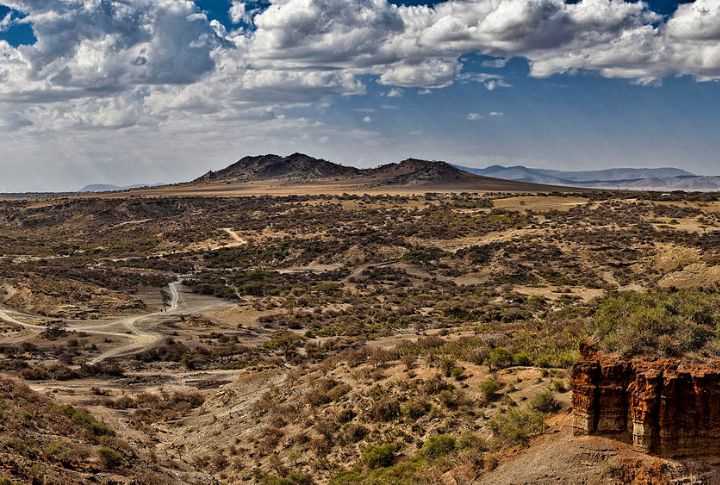
Connect with us

Education

20 Fossil Hotspots That Reveal Secrets of Ancient Ecosystems

Published

on

Noel Feans/Wikimedia Commons

Fossil-rich locations have become keys to understanding ancient ecosystems. They showcase well-preserved remains of plants and animals. The sites reveal extinct species and the environments they inhabited. Here are 20 fossil hotspots that shed light on Earth’s prehistoric past.

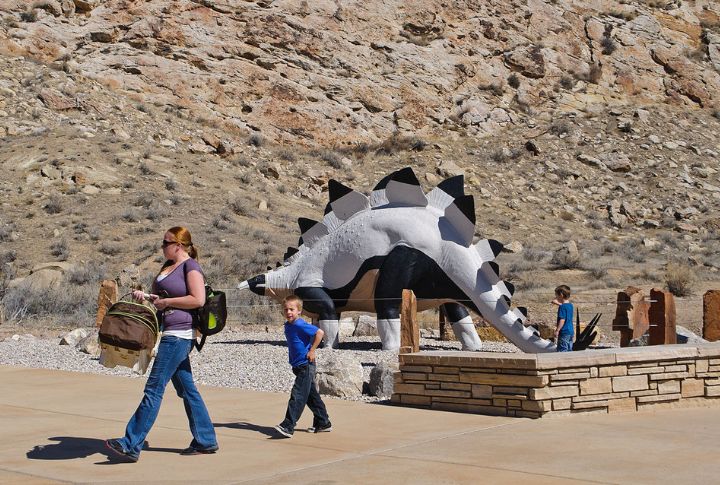
Dinosaur National Monument in the United States
InSapphoWeTrust/Wikimedia Commons

Over 1,500 dinosaur fossils are preserved in this monumental site, which spans Colorado and Utah. These fossils, trapped in the rock layers for millions of years, offer a glimpse into a world dominated by massive sauropods and theropods.  

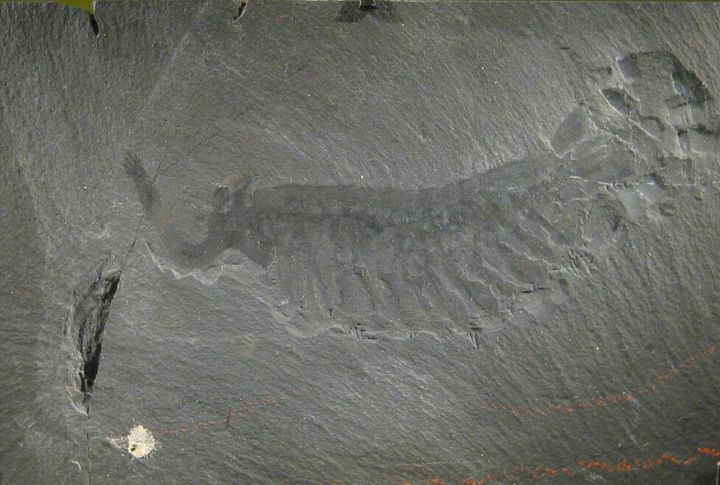
The Burgess Shale in Canada
Jstuby/Wikipedia

Famed for its incredible preservation of soft-bodied organisms, the Burgess Shale provides one of the most detailed snapshots of Cambrian life. This site, located in the Canadian Rockies, reveals a diverse range of creatures from over 500 million years ago. 

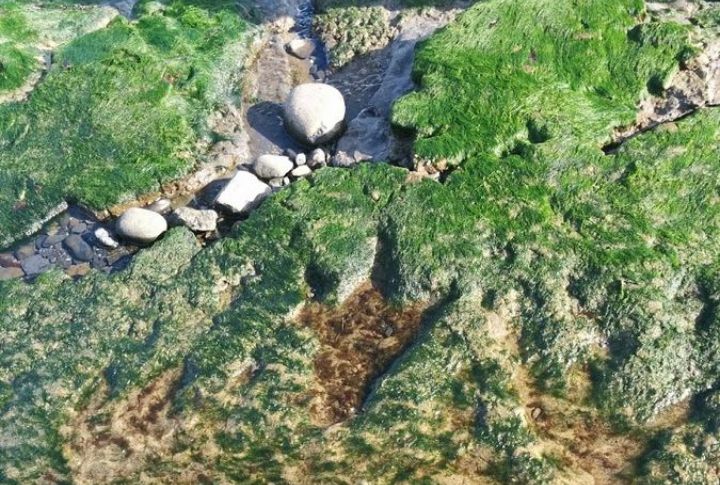
Isle of Skye in Scotland
maproom/Wikipedia

Jurassic dinosaur footprints preserved in the island’s rugged cliffs give invaluable insights into the movements of ancient creatures. The Isle of Skye holds traces of theropods and sauropods, giving paleontologists clues about how these dinosaurs behaved.

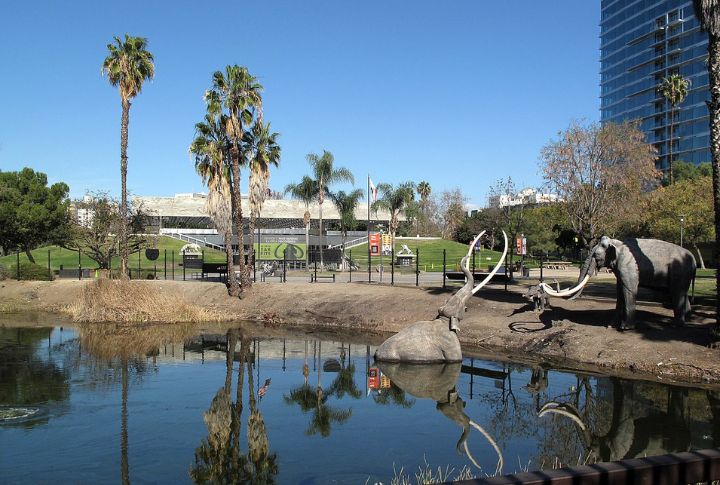
La Brea Tar Pits in Los Angeles
Downtowngal/Wikimedia Commons

Saber-toothed cats, mammoths, and dire wolves were trapped in sticky tar for over 50,000 years, leaving behind a massive collection of Ice Age fossils. Today, the La Brea Tar Pits continue to reveal the ancient fauna of the Pleistocene.

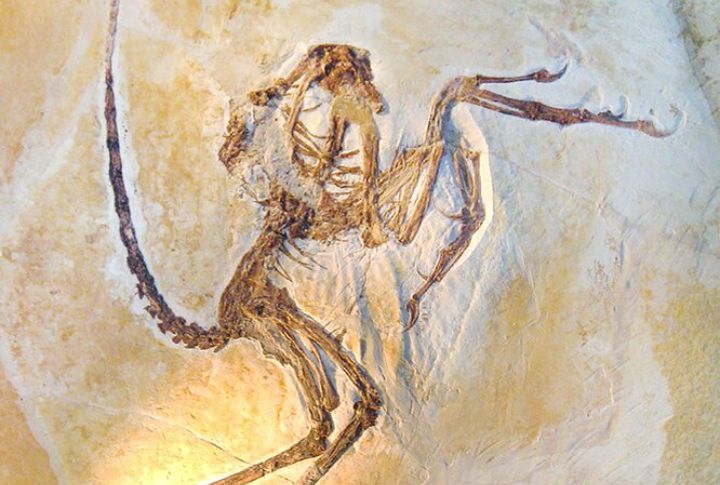
Solnhofen Limestone in Germany
H. Raab/Wikipedia

The site from the late Jurassic, preserving an extraordinary variety of fossils, including the famous Archaeopteryx, offers rare insight into the origins of flight. The fine-grained limestone captures incredible details of dinosaurs, early birds, and flying reptiles.

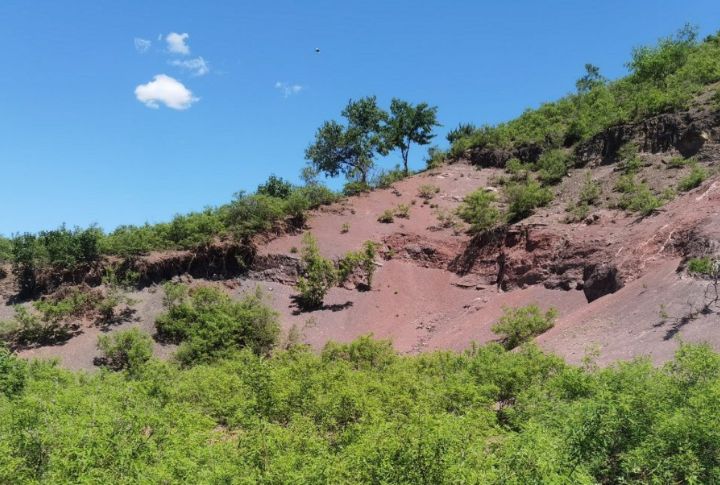
Yixian Formation in China
Gang Han/Wikipedia

Incredible fossil discoveries from this site have changed our knowledge of the connection between dinosaurs and birds. Yixian Formation is especially famous for its feathered dinosaur fossils, some of which show preserved feathers.

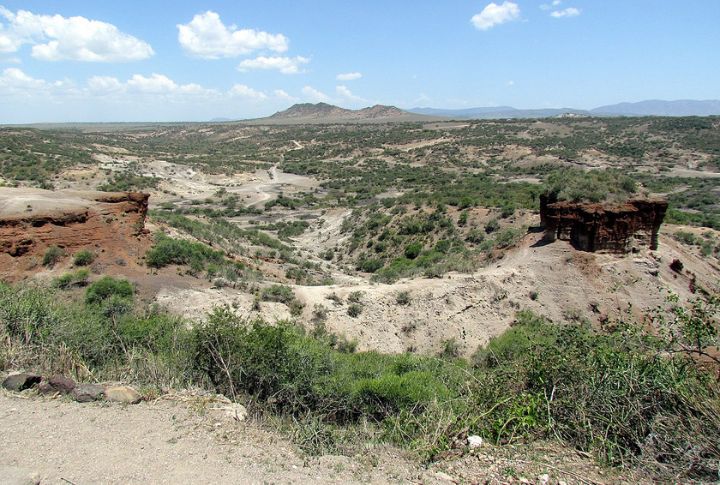
Olduvai Gorge in Tanzania
Ingvar/Wikimedia Commons

The place, known as the “Cradle of Humanity,” holds fossil evidence of early human ancestors. Dating back more than 2 million years, the fossils uncovered here have reshaped the study of human evolution and reveal essential information about early hominids.

The Messel Pit in Germany
CEphoto/ Wikimedia Commons

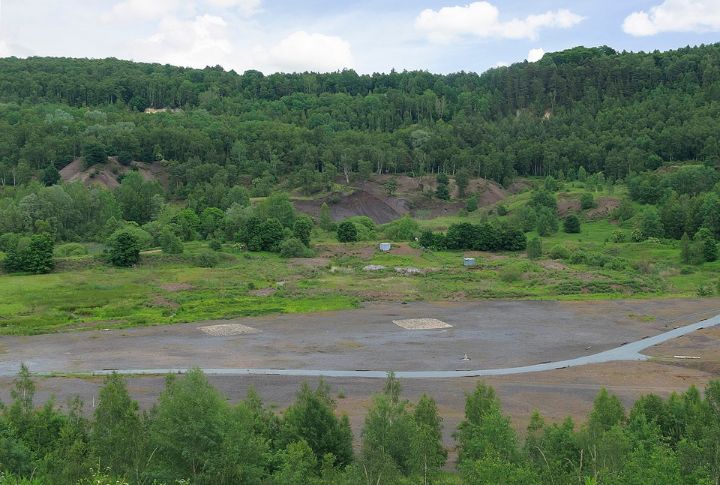
Recognized as a UNESCO World Heritage location, the Messel Pit has astonishingly well-preserved fossils from the Eocene. The fossils of early mammals, reptiles, and birds found here are often so well-preserved that soft tissues remain intact.

The Karoo Basin in South Africa
U.S. Energy Information Administration/ Wikimedia Commons

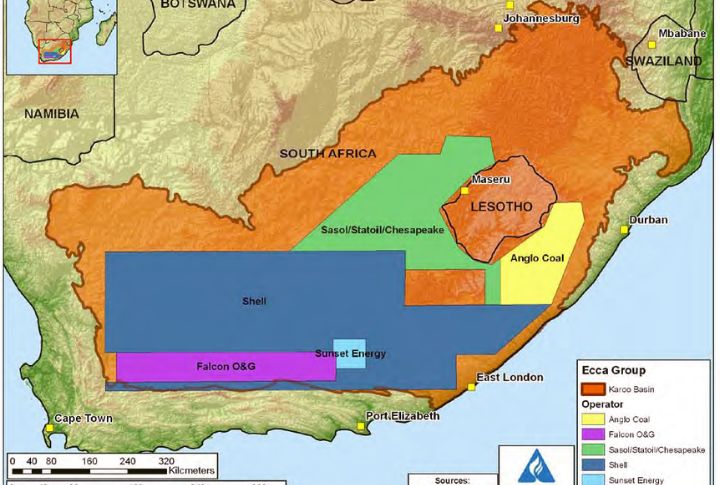
Rich in fossils from the Permian and Triassic periods, it is key to understanding early vertebrate evolution. This site offers a snapshot of life before and after the Permian elimination, showcasing the diversity of early reptiles and the first ancestors of modern mammals.

Liaoning Province in China
Jonathan Chen/ Wikipedia

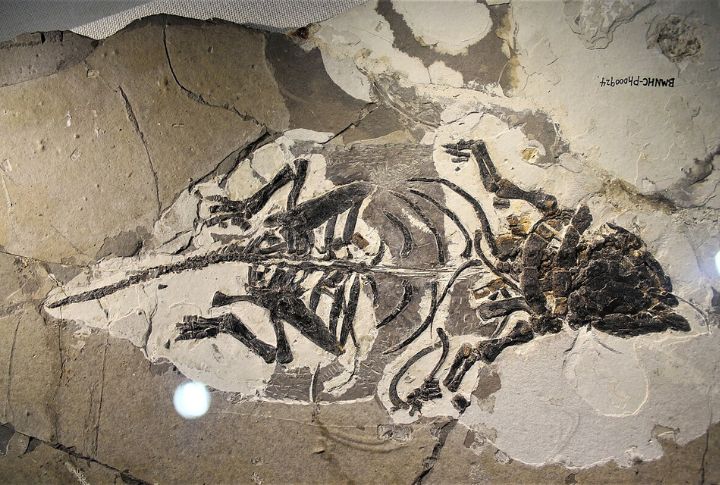
Liaoning’s Early Cretaceous fossils bridge the gap between dinosaurs and birds. The site is famous for preserving fossils of feathered dinosaurs. These discoveries have deepened the understanding of avian origins and the development of feathers.

Green River Formation in Wyoming
Magicpiano/ Wikipedia

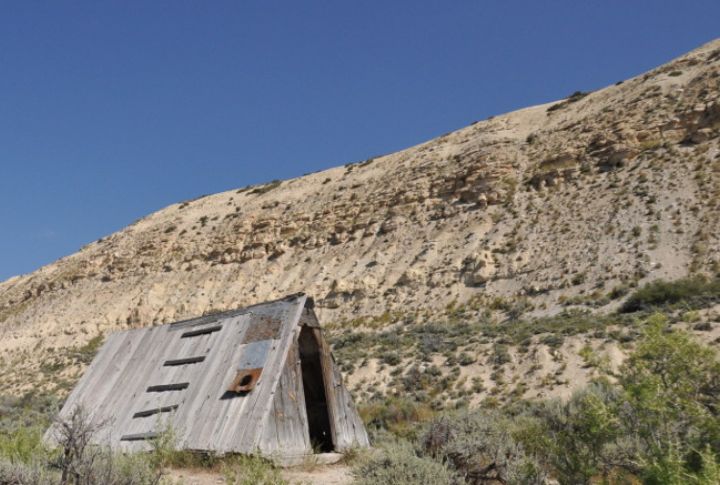
The Green River Formation, a Miocene fossil hotspot, preserves ancient freshwater ecosystems from 50 million years ago. Its exceptional fossils of fish, insects, and plants offer invaluable insights into prehistoric life and ecosystem evolution.

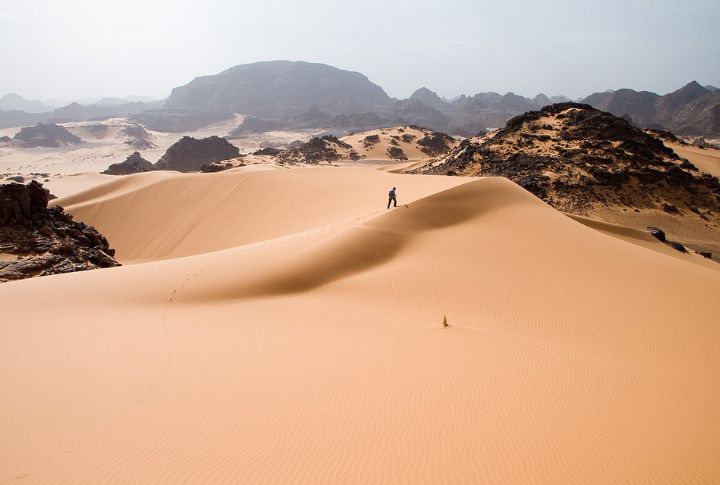
The Sahara Desert in Africa
Luca Galuzzi/ Wikipedia

Today’s arid Sahara was once home to a thriving ecosystem, evidenced by fossils of ancient fish, crocodiles, and dinosaurs. These fossils reveal a dramatically different climate and environment, which provides essential clues about the Sahara’s lush prehistoric past.

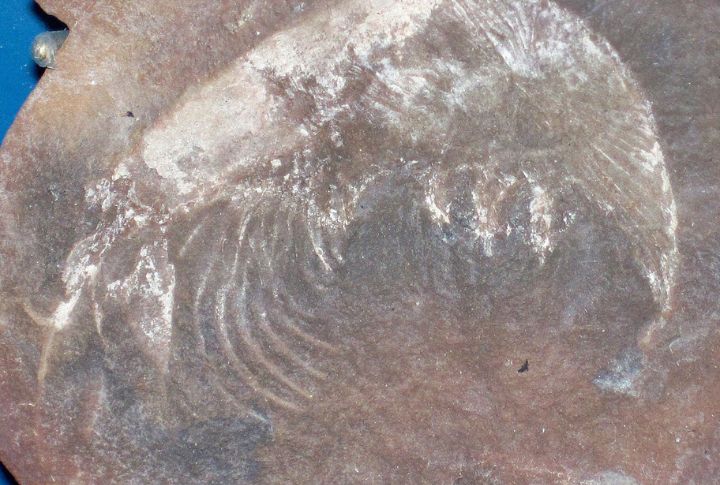
Mazon Creek in Illinois
James St. John/ Wikipedia

Mazon Creek, a Carboniferous-era site, holds well-preserved fossils of land and marine life. Unique fossil beds reveal ancient swamp ecosystems, providing paleontologists with an exceptional record of plants, insects, and aquatic creatures that thrived millions of years ago.

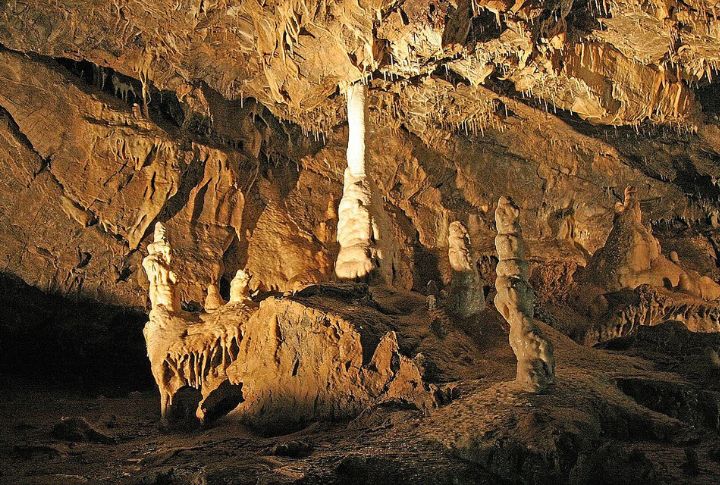
Czech Republic’s Czech Caves
Prazak/ Wikipedia

The Moravian region caves are filled with Pleistocene-era fossils, including remains of Neanderthals and megafauna. These fossils offer insights into human and animal life in Ice Age Europe to help scientists track the migration and behavior of early humans and their environment.

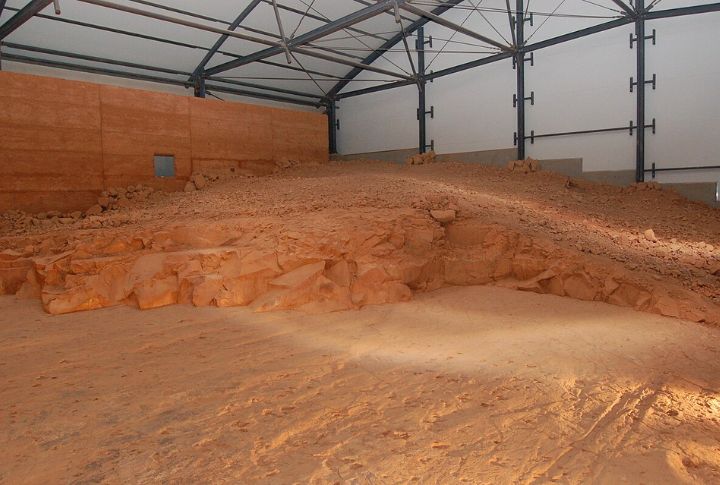
The Winton Formation in Australia
Me whynot/ Wikipedia

In Queensland, the Winton Formation holds an impressive collection of Cretaceous fossils, including large sauropods and theropods. This site is key to understanding prehistoric Australian ecosystems and offers vital information on the diversity of dinosaur life that roamed the continent.

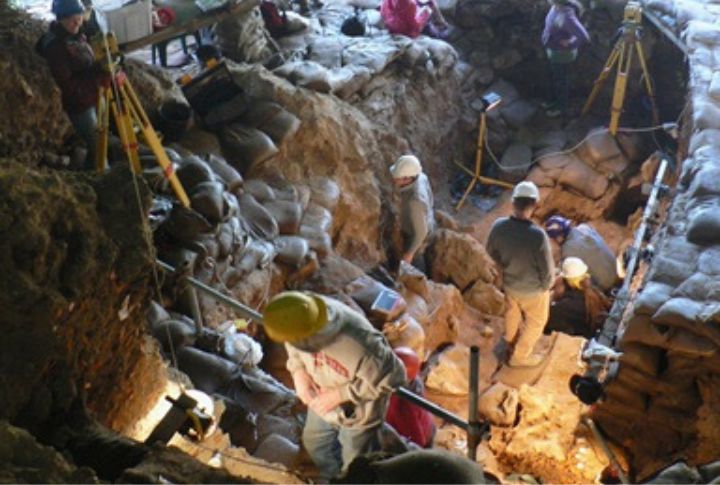
Pinnacle Point Caves in South Africa
Andrew Hall/ Wikipedia

These caves contain some of the earliest evidence of Homo sapiens, with fossils revealing the use of tools and other behaviors. Dating back 160,000 years, the Pinnacle Point Caves provide essential clues on human evolution and migration patterns.

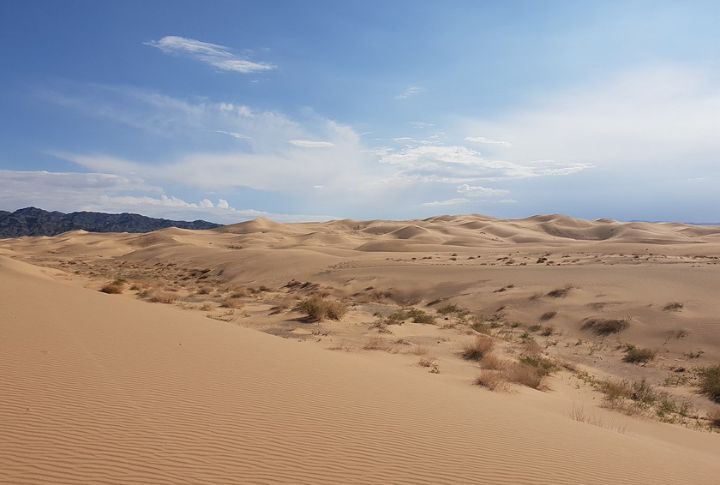
The Gobi Desert in Mongolia
Richard Mortel/ Wikipedia

The Gobi Desert was once a lush environment known for its dinosaur fossils. Fossils of theropods, ancient mammals, and even dinosaur eggs offer insight into the diverse life forms during the Mesozoic era.  

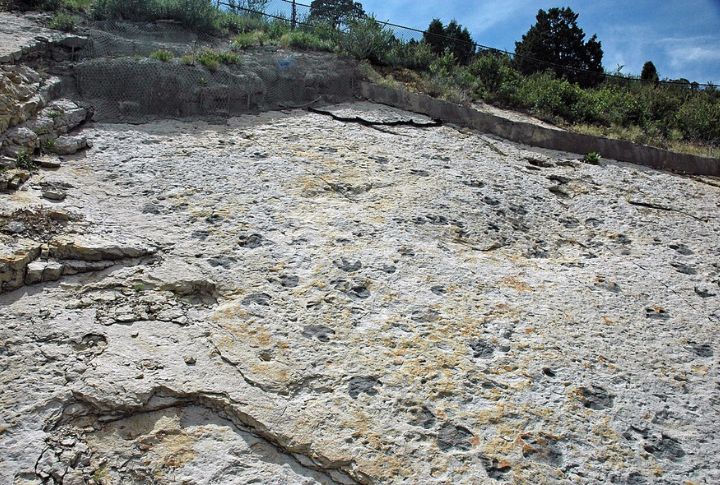
Dinosaur Ridge in Colorado
James St. John/Wikimedia Commons

Dinosaur Ridge is home to one of the most extensive fossil trackways from the Late Jurassic period. Over 300 fossil tracks have been uncovered, offering detailed insights into how these prehistoric creatures moved. 

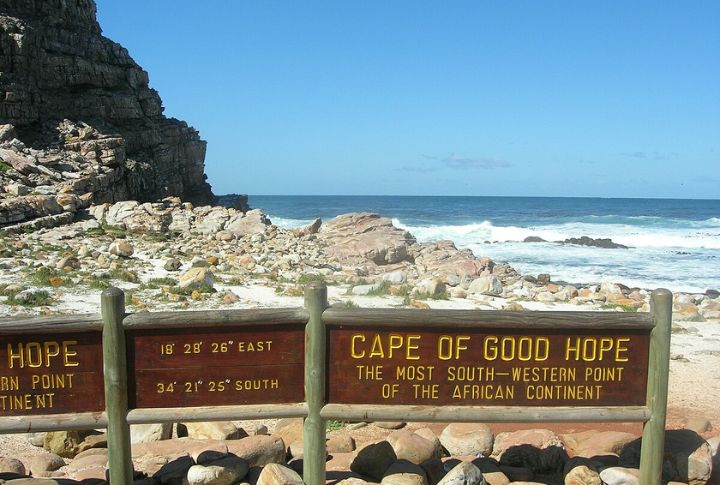
Cape of Good Hope in South Africa
Chen Hualin/ Wikipedia

The fossils found at the Cape of Good Hope highlight the diversity of marine life, from ancient fish to marine reptiles. This site provides key evidence of the development of aquatic ecosystems and the evolution of life in Earth’s oceans over millions of years.

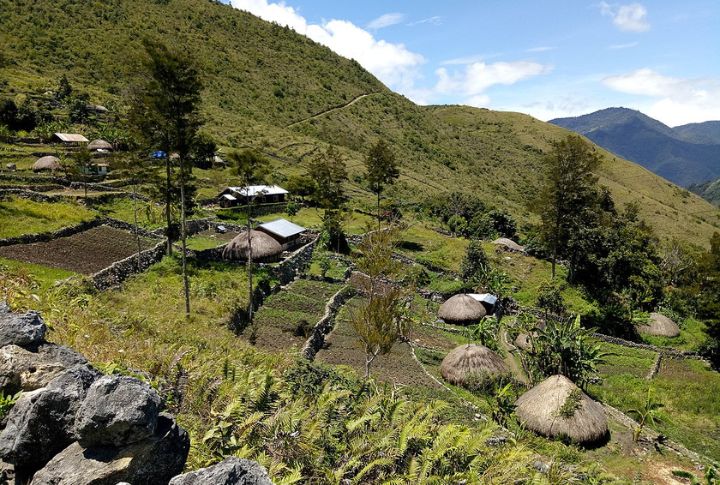
Baliem Valley in Papua New Guinea
Lasthib/ Wikipedia

A relatively underexplored fossil site, the Baliem Valley, holds essential evidence of early human presence in Oceania. The fossils discovered here could help trace the migration patterns of Homo sapiens across the Pacific.

Continue Reading
Click to comment

Leave a Reply

Your email address will not be published. Required fields are marked *

Education

10 Proposed US States That Almost Became A Reality

Published

on

Wikipedia

Over the years, groups of settlers, rebels, and visionaries pushed for statehood, hoping to carve out their own place in the nation. Some movements gained traction, while others fizzled out as bold but short-lived experiments. Each attempt tells a story of ambition, conflict, and changing borders. Here are ten proposed states that came surprisingly close to becoming reality.

Franklin

Iamvered/Wikipedia

It wasn’t a lack of ambition that brought Franklin down—it was debt. In 1784, Appalachian settlers declared independence, hoping to break free from North Carolina’s neglect. However, without federal recognition and plagued by financial troubles, the experiment quickly fell apart. By 1789, Franklin’s leaders were back under North Carolina’s rule, and the dream of independence faded into history.

Deseret

National Park Service/Wikipedia

Deseret was conceived in 1849 as a vast state by Mormon settlers and hoped to span much of the American West. Congress, worried about excessive control, denied the proposal. Instead, Utah Territory was formed, drastically shrinking the dream. Still, the term Deseret persists in Utah’s culture and economy.

Absaroka

Wikimedia Commons

Absaroka was defined by its rebellious spirit. During the Great Depression, frustrated ranchers in Wyoming, Montana, and South Dakota declared themselves independent states, even minting license plates and holding beauty pageants. However, it was all more of a playful protest than a real movement, and by 1941, Absaroka faded into history.

Jefferson

Visitor7/Wikipedia

Jefferson just wouldn’t give up. From the Rockies to northern California, this proposed state has kept reappearing throughout history.  Its most famous moment came in 1941 when residents declared independence and raised flags, but World War II quickly snuffed out the movement. Despite that, the dream of Jefferson still lingers in the hearts of some.

Sequoyah

D.W. Bolich/Wikimedia Commons

What if Native Americans had their own state? In 1905, the Five Civilized Tribes proposed Sequoyah, a state designed to preserve their culture and governance. With a detailed constitution that gained local support, it seemed promising, but it ultimately failed in Congress. Today, Sequoyah stands as a powerful reminder of autonomy lost to federal expansionism.

Westsylvania

Kmusser/Wikipedia

In 1776, settlers west of the Alleghenies sought independence from Pennsylvania and Virginia, calling for Westsylvania. Congress ignored their pleas, choosing unity over fragmentation during the Revolutionary War. The name faded, but the rugged individualism of its founders lives on in regional pride.

Superior

Mr.Election/Wikimedia Commons

Michigan’s Upper Peninsula often felt like an outsider. Residents proposed the State of Superior multiple times by citing cultural and economic differences. Although the movement never gained traction, the U.P. continues to embrace its distinct identity, with “Superior” as a symbol of regional pride.

Transylvania

Infrogmation/Wikipedia

Can private investors truly create a state on land that isn’t theirs? In 1775, investors bought Cherokee land to form Transylvania, only to have Virginia and North Carolina declare the deal illegal. Transylvania vanished and served as a cautionary tale about the risks of private ventures in public land disputes.

Delmarva

Olivier Hammam/Wikipedia

The Delmarva Peninsula, shared by Delaware, Maryland, and Virginia, often sought independence as its own state. Geographic isolation and cultural unity fueled these efforts. However, disagreements among the three states derailed each attempt. That left Delmarva’s statehood simply a footnote in US history.

Scott

Brian Stansberry/Wikipedia

In 1861, Scott County, Tennessee, boldly declared itself the Free State of Scott, which clearly defied Tennessee’s support of the Confederacy. While mostly symbolic, this stance remained until 1986. The county’s long legacy of resistance continues to intrigue people today.

Continue Reading

Education

10 Secrets Mars Could Reveal If We Went Below Its Surface

Published

on

NASA/John Frassanito and Associates/Wikimedia Commons

Mars has intrigued scientists for decades, and while we’ve learned a great deal from its surface, the mysteries beneath could reveal even more. What if drilling into the Red Planet could expose ancient waters, hidden resources, or even clues to extraterrestrial life? Hold on to your curiosity as we explore ten extraordinary secrets that could change the way we think about Mars and its potential to support life—or even humanity itself.

Ancient Water Traces Beneath Mars

ESA/DLR/FU Berlin/Wikipedia

Mars might have once been a watery world. Hidden beneath its surface, scientists have found signs of ancient river channels and minerals that form only in the presence of water. There’s a chance we could uncover remnants of liquid water that reveal a time when Mars had an environment similar to Earth’s.

Unexplored Lava Tubes That May Harbor Life

NASA / Jet Propulsion Laboratory / University of Arizona/Wikipedia

Deep below Mars’ surface, lava tubes stretch for miles, created by past volcanic eruptions. These caverns could have shielded life from deadly radiation. In 2020, NASA proposed drilling into such tubes to study if microbial life could have found shelter. Could these underground worlds be home to creatures we’ve yet to discover?

Subsurface Magnetic Fields On Mars

courtesy NASA/JPL-Caltech/Wikipedia

Localized magnetic anomalies hint at something unique buried beneath the surface. Unlike Earth, Mars doesn’t have a global magnetic field, yet certain regions show magnetic signatures. The remnants of ancient magnetic shields could be uncovered during the process and can hint at how Mars once interacted with the solar wind and possibly protected ancient life.

Buried Martian Fossils And Past Ecosystems

NASA/Wikipedia

Mars might have hosted ecosystems long ago, and it’s possible that microbial fossils are buried beneath its surface. With the right technology, borehole exploration could unearth traces of these life forms, offering a direct link to Mars’ past—and maybe even proof that life existed there.

Potential Martian Ice Deposits

NASA/JPL/Malin Space Science Systems/Wikipedia

The ice beneath the Martian surface might not be as frozen as we think. Subsurface ice could be more abundant than previously imagined, and exploring these icy layers might uncover vast water reserves. These hidden glaciers could play a critical role in future Mars missions, providing not only water but also oxygen and fuel for explorers.

Hidden Martian Volcanoes Still Active

ESA/DLR/FUBerlin/AndreaLuck/Wikipedia

Did you know that Mars hosts Olympus Mons, the largest volcano in the solar system? Beneath its surface, more could be waiting to be discovered during exploration. Volcanic activity on Mars isn’t as dormant as it seems—scientists believe some of these volcanoes may still be geothermally active.

Energy Resources Hidden In Mars’ Subsurface

NASA/JPL-Caltech/MSSS/Wikipedia

Mars may contain geothermal energy beneath its surface, with heat pockets trapped in its crust. Exploring these depths could reveal energy-rich zones, presenting a potential power source for future human missions. Plus, these underground reserves could even fuel sustained exploration and make long-term habitation possible on Mars.

Potential For Microbial Life In Subsurface Water

USGS Astrogeology Science Center, Arizona State University, INAF/Wikipedia

Scientists suspect that water trapped beneath Mars’ surface may still harbor life—specifically microbial organisms. In 2021, research suggested that water deep underground could offer the right conditions for microbes to thrive. Tapping into Martian aquifers might expose long-buried microbial life and offer astrobiologists a game-changing breakthrough.

Martian Soil Composition And Mineral Riches

NASA/JPL/Wikimedia Commons

The Martian soil is more than just dusty red dirt. Mars is rich in iron and magnesium, but core sampling could reveal other valuable minerals such as sulfur and rare earth elements. These resources might be essential for future Mars colonies or scientific breakthroughs, and they’re lying dormant beneath the surface—waiting to be discovered.

Clues About Mars’ Tectonic Past

NASA / JPL-Caltech / Arizona State University/Wikipedia

Mars may not have active plate tectonics; however, that doesn’t mean it was always still. Evidence from surface features like valleys and ridges suggests tectonic activity occurred billions of years ago. By drilling, we could access hidden layers that provide insight into Mars’ tectonic history, which might offer clues about how the planet’s interior evolved over time.

Continue Reading

Education

10 Ancient Clues Found In Submerged Caves Of The Yucatán Peninsula In Mexico

Published

on

Sharon Hahn Darlin/Wikimedia Commons

Centuries-old secrets lie hidden beneath the waters of the Yucatán Peninsula. From tools crafted by ancient hands to haunting relics of Ice Age giants, the caves preserve an underworld long forgotten. Here are ten discoveries from those submerged caves that rewrite history.

Stone Tools Reveal The Ingenuity Of Ancient Settlers

ThoValo/Wikimedia Commons

Over 10,000 years old, these tools found in cenotes carry the marks of early craftsmanship. Flint blades and spearheads hint at survival tactics. Early humans used these artifacts to shape their existence in the Yucatán’s one-of-a-kind environment.

Fossilized Megafauna Reveal Human Coexistence

Mauricio Antón/Wikimedia Commons

Deep underwater in Hoyo Negro, the remains of mammoths, giant sloths, and other extinct creatures were found alongside a 13,000-year-old human skeleton. These findings bring attention to the shared existence of early humans and megafauna during the Ice Age, offering a glimpse into their dynamics.

Human Skulls Point To Ceremonial Cave Ceremonies

Rudolf Cronau/Wikimedia Commons

Delicately placed skulls, some over 9,000 years old, suggest these caves were used for rituals. Many skulls were found intact, which raises questions about their purpose. Were they offerings to water deities or markers of significant events that need further revelations?

Ocher Mines Highlight Resourceful Pigment Extraction

Marco Almbauer/Wikipedia

Vivid red ocher was mined here 12,000 years ago, long before similar discoveries were made elsewhere. This mineral, prized for rituals and art, was painstakingly extracted in pitch-black conditions. In the Yucatán cenotes, this ancient mine is the oldest known source for extracting ocher.

Preserved Pottery Reflects Early Culinary Traditions

clevelandart.org/Wikipedia

Pottery fragments hint at how food and water were stored by the Maya. Though direct evidence from submerged caves is scarce, the ceramics plausibly reflect ancient cooking practices and dietary habits. This is a glimpse into their daily lives thousands of years ago.

The Haunting Skeleton Of ‘Naia’ Rewrites History

Lee Roger Berger research team/Wikimedia Commons

Hoyo Negro’s underwater cave yielded Naia’s 13,000-year-old skeleton, one of the oldest to reveal genetic ties to modern Indigenous groups. Her DNA provided an essential link between the ancients and their descendants, giving them a rare glimpse into genetic evolution over thousands of years.

Submerged Temples Reveal Sacred Connections To Water

Zureks/Wikimedia Commons

Altars and ceremonial structures found in cenotes demonstrate the Maya’s reverence for water as a life source. Cenotes were gateways to the underworld in their mythology. The discoveries paint a picture of how spiritual beliefs and natural landscapes existed as one.

Calcified Bones Preserve Ice Age Mysteries

Johan Lindgren, Michael J. Everhart, and Michael W. Caldwell/Wikimedia Commons

Bones covered in thick calcium deposits create natural time capsules, preserving species lost to time. Found in caves like Dos Ojos, these remains reveal a window into the Ice Age’s biodiversity. Such preservation is unique to the mineral-rich waters of Yucatán.

Ancient Canoes Showcase Early Waterway Mastery

Gary Rodd/Wikimedia Commons

A wooden canoe, remarkably preserved, was found near Chichén Itzá. This vessel was used for rituals or trade and highlights the Maya’s navigation skills. The role of water in survival, trade, and culture in their society is evident in this example.

The ‘Eve Of Naharon’ Challenges Migration Theories

Cicero Moraes/Wikipedia

Unearthed near Tulum, Eve of Naharon’s remains date back 13,600 years. She is now among the earliest known inhabitants of the Americas. Her discovery challenges chronological assumptions that hint at even earlier waves of migration that shaped human history on the continent.

Continue Reading

Trending

Copyright © 2025 CityStateZipCode.com