States
20 States Where Concealed Carry Laws Work Best For Citizens

Carry laws aren’t always a mess—but let’s be honest, they often are. Still, there are states that keep things practical. They don’t ask you to jump through hoops or study a dozen exceptions. This list focuses on places where concealed carry isn’t a maze of fine print. Just straightforward support for responsible citizens who know how to handle it.
Alaska
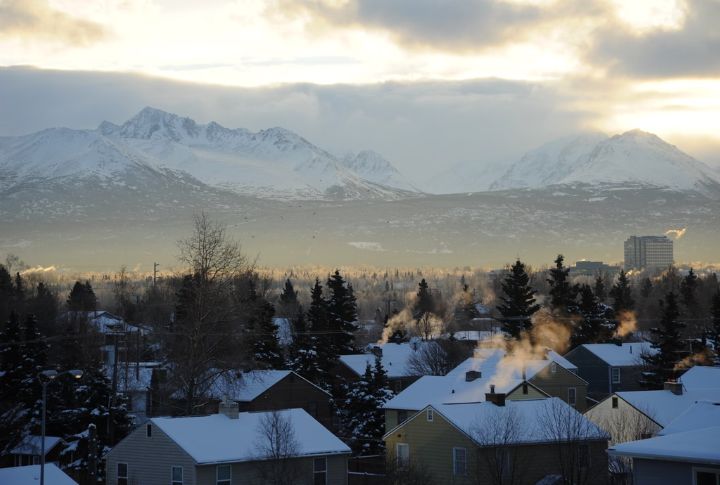
Alaska doesn’t ask for a permit to carry concealed, and never has since 2003. Residents and visitors alike face no extra hurdles. There’s no requirement to notify law enforcement either, and gun ownership here ranks among the highest per capita in the country.
Wyoming
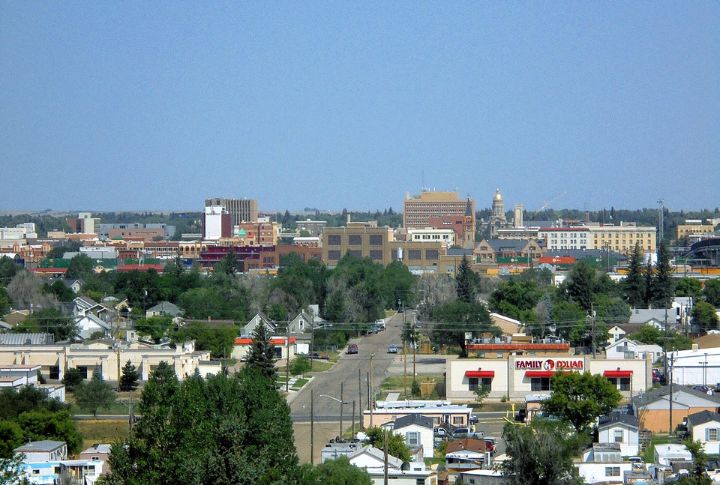
Since 2021, even non-residents can carry concealed without a permit in Wyoming. Reciprocity agreements span more than 35 states, and open carry is widely accepted. With no gun registration and minimal off-limits zones, it’s one of the most permissive states for gun carriers.
Arizona
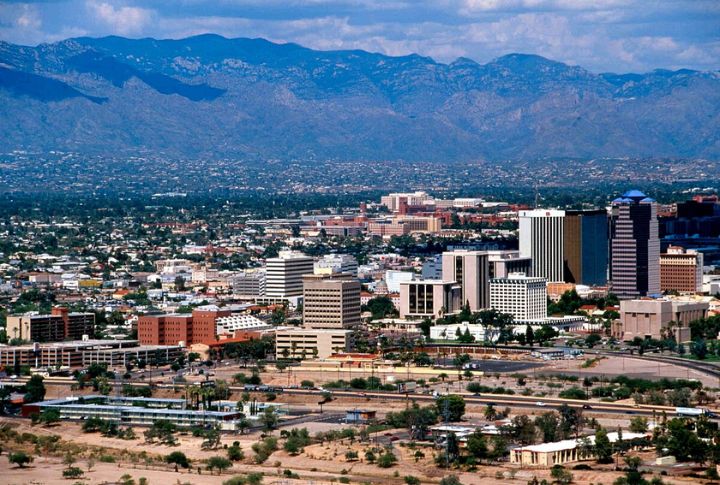
By kicking off license-free concealed firearm laws early in 2010, Arizona backs it with strong Stand Your Ground protections. Visitors carrying valid licenses from other states are welcome. Plus, the law blocks cities from adding limits and allows firearms in some bars, under specific conditions.
Idaho
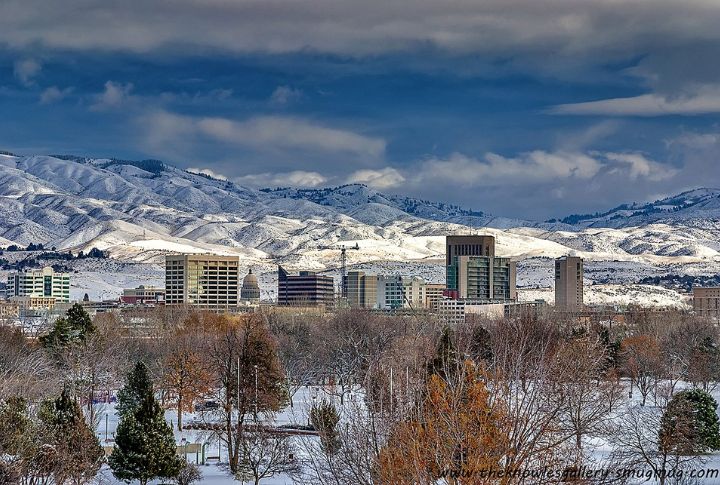
Constitutional carry applies to both residents and visitors, with no duty to inform law enforcement while carrying. A permit remains available for those traveling across state lines. Restrictive laws are minimal, and national rankings consistently place them high for gun rights support.
Texas
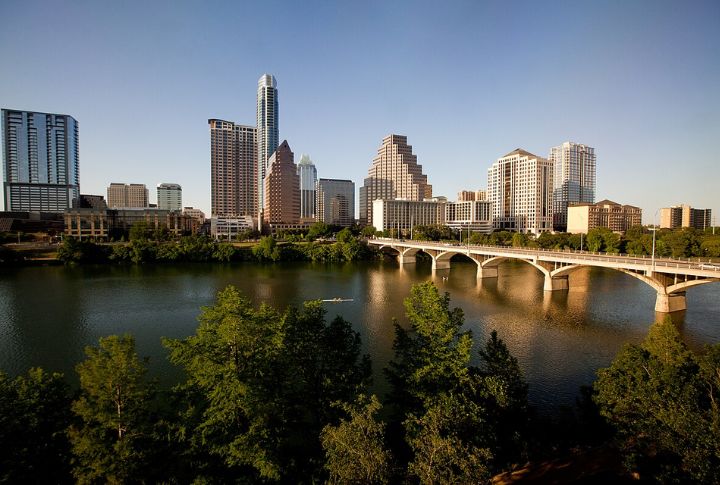
Texas residents aren’t required to have certification or training to legally possess a concealed firearm if they’re eligible adults. Even so, over 1.5 million Texans still hold LTCs. The state supports open carry, has gun-friendly zones, and firmly defends Second Amendment rights.
Montana
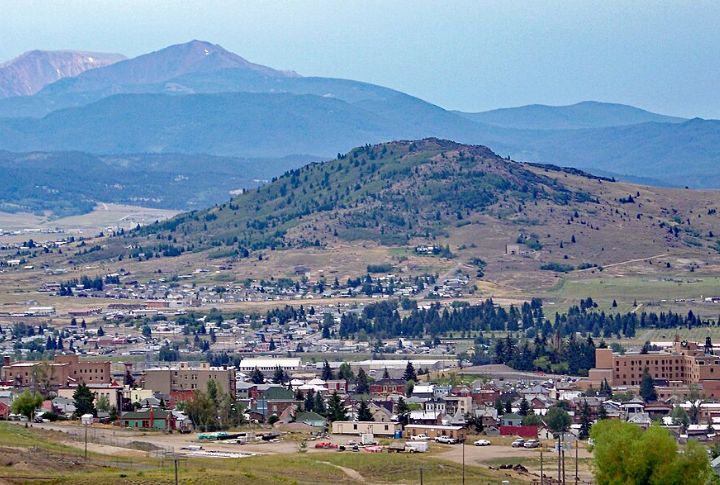
Permitless possession became law in 2021, eliminating the need for government approval. Gun registration isn’t required, and carrying in vehicles or on select campuses is allowed. Moreover, ongoing legislative backing has kept restrictions light and ensured steady protection for firearm owners statewide.
South Dakota
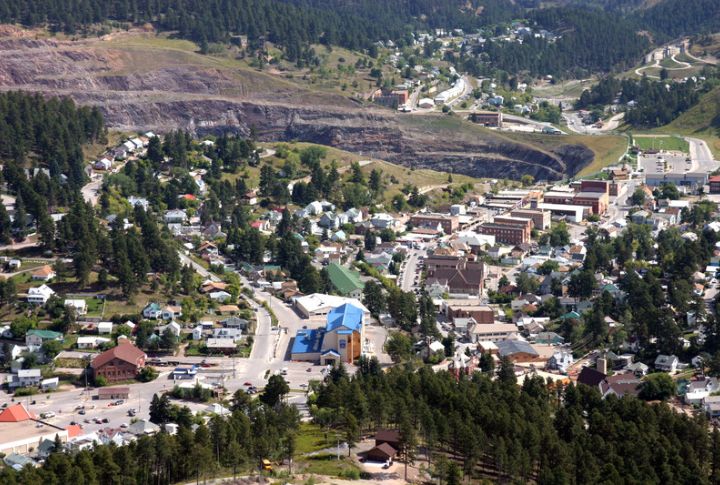
South Dakota adopted license-free carry in 2019 and recognizes all valid out-of-state licenses. Private gun sales need no background checks. With firearm education baked into hunting culture and strong NRA backing, this state maintains solid ground for rights-focused residents.
Mississippi
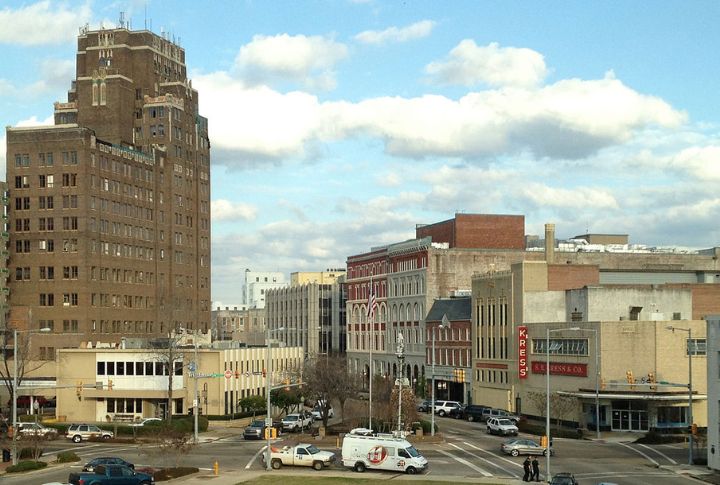
In Mississippi, concealed firearms are legally allowed in bags, holsters, or purses with no license required. Enhanced certifications grant access to additional locations. The state blocks local gun rules and doesn’t track firearm ownership—plus, campus carry is authorized for those with proper training.
Oklahoma
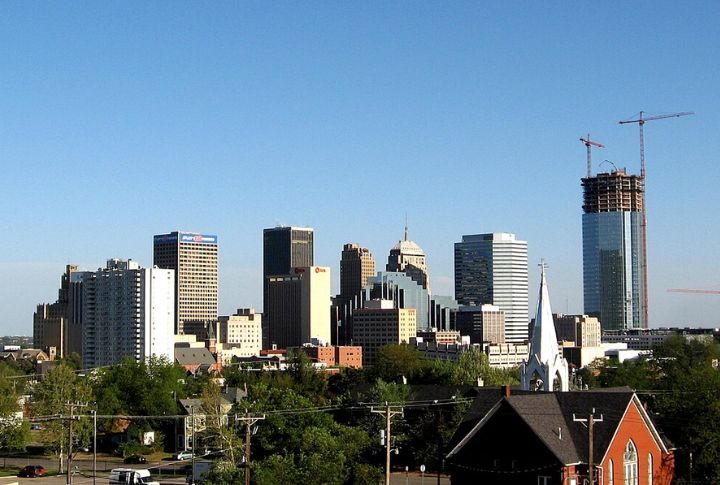
Since 2019, eligible adults can lawfully conceal firearms in Oklahoma without a permit or notifying law enforcement. A handgun license is still offered for travel. Campus carry is allowed with a permit, and open possession is welcome across most public areas.
Utah
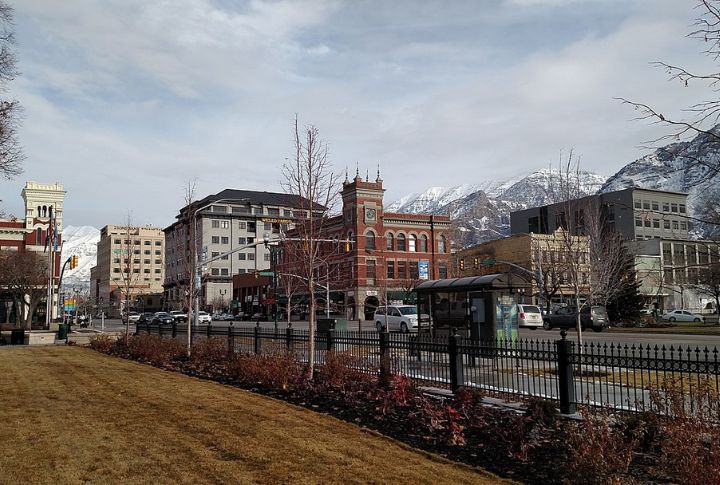
Adults over 21 can legally possess a concealed firearm with no license required, though optional training still exists for reciprocity. Utah also offers firearm safety education in schools. Cities can’t impose stricter laws, and the state’s permit is one of the most widely accepted across the U.S.
Indiana
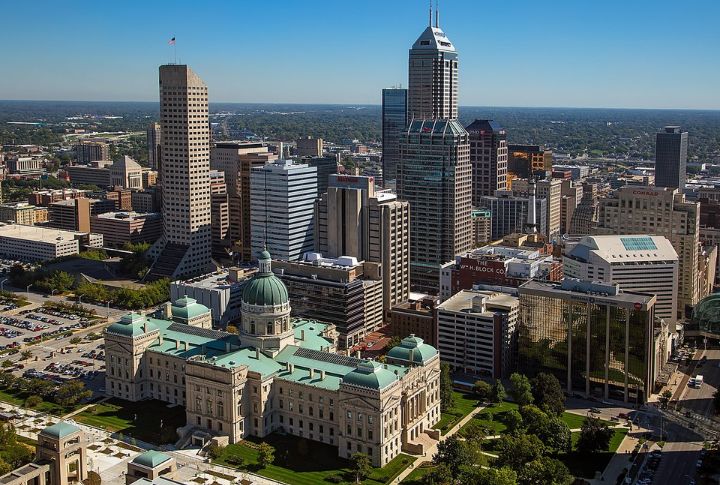
Indiana no longer requires a permit to carry a handgun, and cities can’t override that with their own rules. Residents may still apply for a license to travel. Campus carry laws are clearly defined and recent reforms gained strong statewide backing.
Kentucky
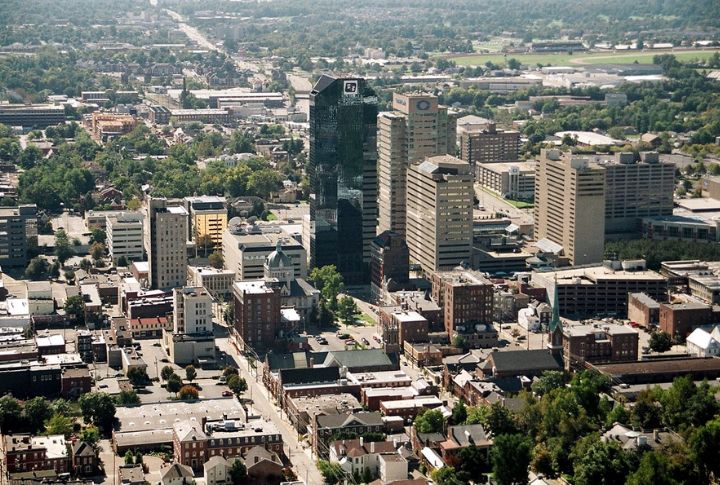
Anyone 21 or older can carry concealed in Kentucky without a license. Those who travel can still apply for one. With Castle Doctrine laws and a ban on firearm confiscation during emergencies, even the DMV supports carry in some state offices.
Arkansas
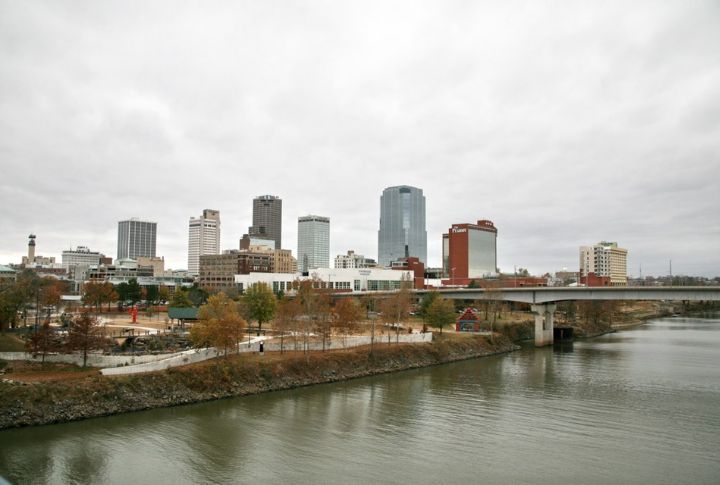
In Arkansas, no law specifically requires a permit to carry concealed, and court rulings back that freedom. Residents aren’t restricted by magazine limits, and they benefit from strongly protected property rights and a legal climate that rarely prosecutes lawful carriers.
West Virginia
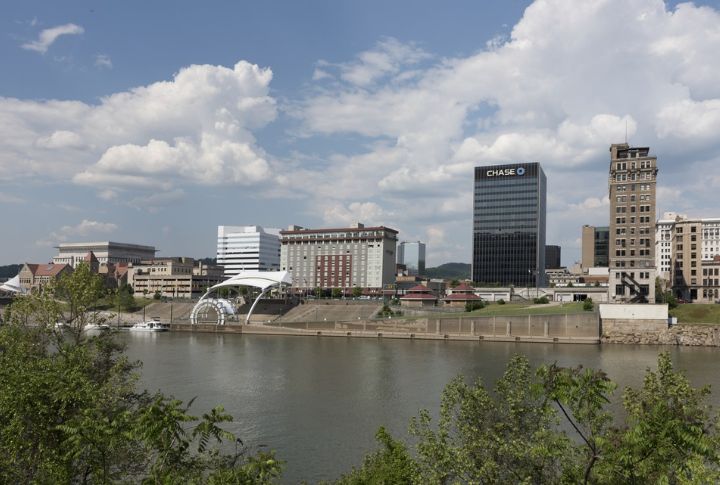
At age 21, residents can carry without government-issued authorization. Those between 18 and 20 may do so with training and licensing. West Virginia’s constitution directly protects the right to carry, while over 35 states honor its reciprocity agreements.
Missouri
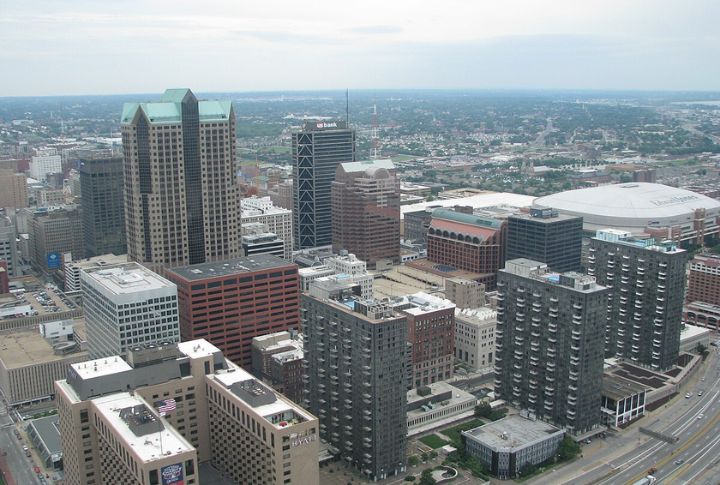
Carrying concealed with no license is legal statewide, even in public places and vehicles. Open carry faces no limitations. Missouri also waives background checks for private sales and prevents cities from enacting tighter gun laws than those set by the state.
New Hampshire
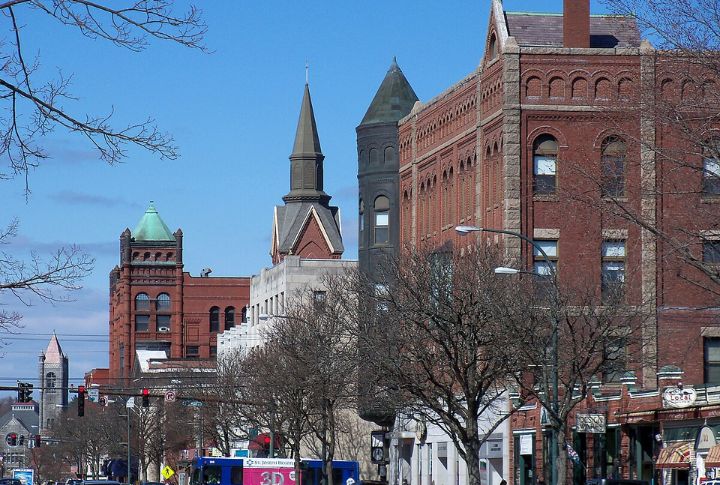
New Hampshire’s constitutional carry law allows anyone to carry without a permit or training. Out-of-state permits are recognized and gun owners aren’t tracked. The state balances strong Second Amendment rights with a reputation for being one of the nation’s safest.
North Dakota
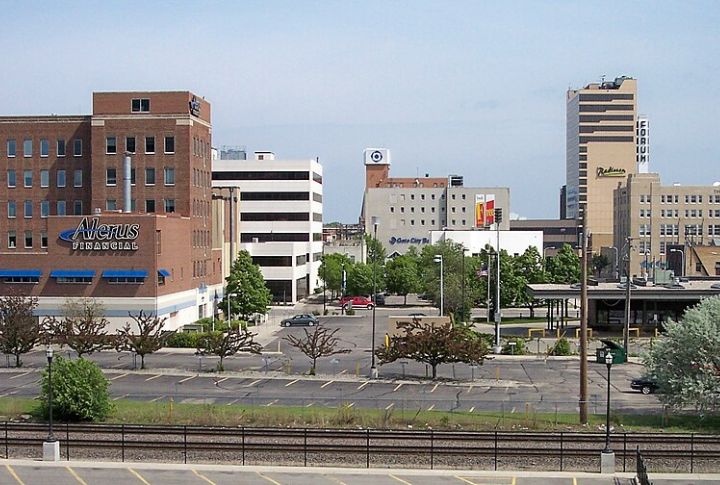
Only residents are authorized for no-license carry, while travelers can access the optional license system in North Dakota. No registration is required for firearms. A hunter safety card may qualify as legal proof, and business owners can lawfully carry it at their place of work.
Iowa
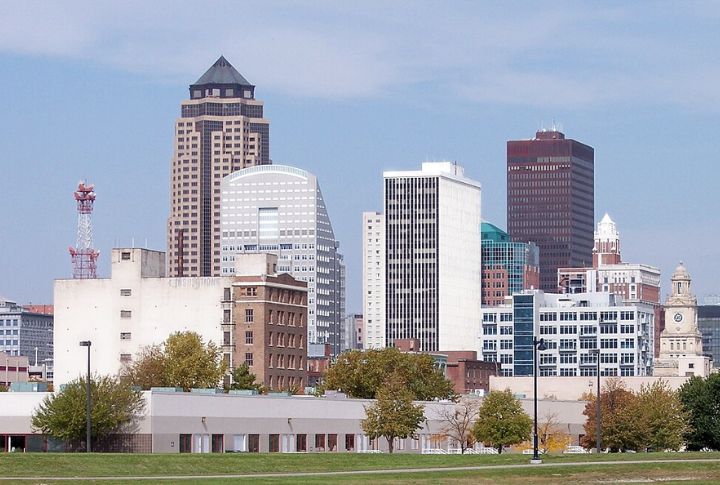
Iowa dropped its permit requirement in 2021 but still honors most others. Gun sellers don’t need to keep transaction records. Residents can carry on public lands and loaded firearms are allowed in vehicles, giving Iowans flexibility with minimal red tape.
Maine
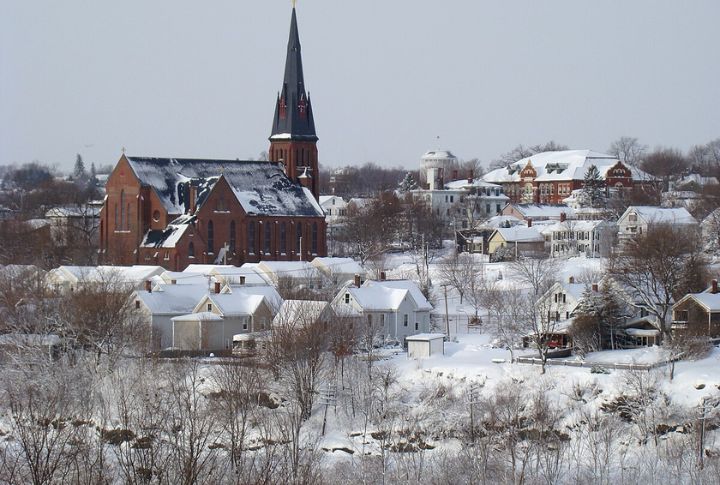
Since 2015, no license is needed to carry concealed in Maine. However, certification is still available for reciprocity. Background checks aren’t required for private transfers, and the state allows firearms in national parks. Maine favors “Yellow Flag” laws over stricter alternatives.
Tennessee
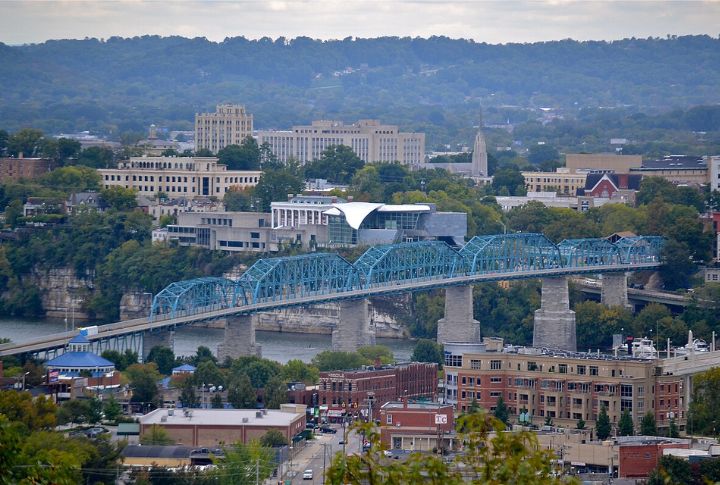
Adults 21 and up—or 18 for military members—can legally possess a concealed firearm without a permit in Tennessee. Enhanced permits provide broader access. The law forbids local interference, enables carry in state parks, and supports accessible firearm training throughout the state.

California
10 Insights About California’s Breakaway Fault

California is a playground for restless fault lines. While everyone talks about the San Andreas, the Breakaway Fault has been making its own quiet moves beneath the surface. Scientists are still piecing together its story, and what they’ve found is shaking up old assumptions. So, here are ten insights into this mysterious fracture that could change how we see California’s seismic future.
A Result Of Crustal Stretching

Crustal stretching comes first by deep mantle convection and plate movements. Breakaway faults appear later, forming as the crust pulls apart and weakens. In regions like the Range Province, these faults develop as the land extends, exposing deep-seated rocks. Hence, without stretching, breakaway faults wouldn’t exist at all.
California’s Breakaway Faults Date Back Millions Of Years

These faults aren’t just old—they predate most of the state’s modern geography. Geological studies reveal that California’s breakaway faults began forming over 23 million years ago during the Miocene Epoch. This period saw intense crustal stretching. Hence, it carved out regions that would later evolve into today’s Mojave Desert, Death Valley, and parts of the Basin and Range Province.
Earthquake Risks Depend On Fault Movement

Cracking ground? Maybe. Not all breakaway faults cause earthquakes, but their movement influences seismic hazards. Some transition into active faults capable of generating quakes. Others simply mark past crustal shifts. Seismologists study their movements closely because, in earthquake-prone California, even an ancient fault can have a few surprises left in store.
Breakaway Faults Open Pathways For Magma

When the crust pulls apart, it does more than just crack—it creates channels for magma to rise. Breakaway faults can connect deep heat sources to the surface, fueling volcanic fields and geothermal hotspots. Plus, in places like the Coso Volcanic Field, ancient faulting helped shape the region’s bubbling springs and hidden magma chambers.
These Faults Help Form Basins

Low-lying basins don’t form randomly. Breakaway faults play a key role, pulling apart crust and leaving behind sunken valleys. California’s Mojave Desert and Death Valley owe much of their topography to this process. Sediments pile into these depressions over millennia, further creating landscapes that tell a silent yet powerful story of geological forces at work.
The Whipple Mountains Reveal Deep Rock History

Geologists dream of seeing deep into the Earth’s crust, but breakaway faults do the work for them. In places like the Whipple Mountains, these faults have lifted ancient rocks from deep underground. These rocks offer rare insights into high-pressure minerals, deep crustal deformation, and the mechanics of fault-driven uplift.
These Faults Shape California’s Waterways

Water follows the cracks. Rivers and lakes often align with geological faults, and breakaway faults influence their courses. In places like the Owens Valley, shifting land has redirected water flow for millions of years. If you’ve ever wondered why some rivers take unexpected turns, hidden fault lines beneath your feet might be the answer.
Old Faults Still Influence The Region

A fault doesn’t have to be active to leave a lasting impact. Many breakaway faults stopped moving millions of years ago, but their legacy remains in the form of steep cliffs and tilted rock formations. These old faults serve as boundaries between uplifted blocks and sunken basins, hence proving that even when they stop moving, their impact lingers for eons.
Scientists Use Dating Methods

Unlocking fault histories requires precision. Geologists use radiometric dating to determine when faults last moved. In California, potassium-argon and uranium-lead dating have revealed essential timelines for breakaway faults. Knowing their ages helps reconstruct past tectonic shifts. Lastly, it allows scientists to predict how extension zones might behave in the future.
The Government Monitors Them For Hazards

California’s Office of Emergency Services, along with USGS and CGS, focuses on assessing seismic hazards. Major fault zones like the San Andreas Fault receive the most attention, while older or inactive normal faults are studied less frequently. Still, mapping these faults helps understand the long-term risks of crustal shifts.
Colorado
10 Discoveries That Put Colorado On The Archaeology Map

Colorado has layers of history hiding beneath the surface, and archaeologists have been discovering mind-blowing finds. Some discoveries answered big questions, others raised even bigger ones, and a few left experts completely stumped. So, if you thought Colorado’s past was all gold rush and cowboys, think again—these ten finds prove there’s way more to the story. Let’s start digging!
Ancient Puebloan Calendar Petroglyphs

Long before clocks or calendars, the Ancestral Puebloans used the sun to track time. At Castle Rock Pueblo, spirals carved into rock, discovered in 2023, mark solstices and equinoxes. As the sun moves, its light and shadows align with the carvings to create a natural calendar.
Snowmastodon Ice Age Fossils

Beneath a Colorado ski resort, an ancient world remained hidden for thousands of years. That changed in 2010 when construction crews at Snowmass Village uncovered over 5,000 fossils. These remains, dating back 120,000 years, offer a rare look at Colorado’s prehistoric wildlife and climate.
Magic Mountain Archaeological Site

People have lived in Colorado for thousands of years, and Magic Mountain proves it. Buried beneath the foothills near Golden, this site holds 7,000 years of history. Archaeologists have uncovered stone tools, fire pits, and trade goods, showing it was more than a campsite—it was a thriving gathering place.
Joe Ben Wheat Site Complex

This settlement, excavated by archaeologist Joe Ben Wheat, housed over 100 rooms. Built between A.D. 675 and 1300, its artifacts reveal advanced farming and an interconnected society. The sheer scale of the ruins offers a glimpse into the everyday lives of people who shaped the Southwest’s ancient civilizations.
Heleocola Piceanus

Teeth don’t lie. A single fossilized jawbone, unearthed in 2024, identified a mammal that lived alongside dinosaurs 70 million years ago. Nicknamed the “swamp dweller,” Heleocola piceanus was small, but its discovery helped scientists reconstruct Colorado’s prehistoric ecosystems before the asteroid hit.
Sun Temple

Built with precision yet never completed, this D-shaped structure raises more questions than answers. Constructed around 1250 A.D., it suggests Ancestral Puebloans followed celestial cycles. Why was it abandoned? Some speculate societal shifts. However, the truth remains buried in the sandstone ruins.
Canyons Of The Ancients

Ancestral Puebloans built homes, carved petroglyphs, and gathered in kivas across 176,000 acres, making Canyons of the Ancients one of the most archaeologically dense sites in the U.S. With over 8,000 ruins, it preserves evidence of farming, trade, and daily life—still standing in their original locations.
Franktown Cave

Franktown Cave holds some of Colorado’s most unique archaeological finds. Artifacts such as seashells and minerals from distant regions indicate that trade networks extended far beyond Colorado. Hence, this site provides one of the most detailed records of early inhabitants.
Indian Mountain Stone Circles

Rocks don’t move themselves. Ancient builders placed these stone circles near Lyons, Colorado, over 1,500 years ago. Archaeologists discovered pottery fragments and fire pits, proving that Plains and Woodland cultures gathered here. Plus, each formation reveals movement patterns and early survival strategies.
Dinosaur Tracks

Dinosaurs walked through Picketwire Canyon 150 million years ago, leaving behind the largest track site in North America. Some tracks measure over three feet across. Unlike fossilized bones, footprints capture moments in time and further reveal how these creatures actually lived.
Minnesota
10 Brewing Legacy Lying Under Minnesota’s River Valleys

Minnesota’s river towns are steeped in brewing history that dates back to the 19th century. Beneath these charming towns lies a network of caves that once served as the backbone of local brewing. These hidden havens tell the story of how early brewers used natural landscapes to perfect their craft. Let’s uncover 10 beer havens.
Wabasha Street Caves In St. Paul

These sandstone caves, carved in the 1840s, were an important part of St. Paul’s brewing history. Their naturally cool temperatures made them perfect for storing and aging stout. Years later, they became a secret gathering spot during Prohibition.
Schieks Cave Beneath Minneapolis

Hidden under Minneapolis, Schieks Cave gave early brewers a cool place to ferment their brew. This large cave was shaped by erosion and mining, and it helped local breweries thrive in the 19th century. It shows how brewers once relied on nature to create great lager.
Joseph Wolf Brewery Caves In Stillwater

Stillwater’s Joseph Wolf Brewery was founded in 1868. It relied on its hillside caves to store and age its ale, mainly lagers, which were highly popular then. The brewery thrived for decades and became a cornerstone of Stillwater’s economy and culture.
Brownsville Brewery Caves In Brownsville

Carved into the bluffs of Brownsville, these caves served as storage for the town’s mid-19th-century breweries. Although the breweries eventually closed, the caves remain as enduring symbols of early brewers’ methods to overcome technological limitations.
Minneiska Brewery Caves In Minneiska

The Minneiska Brewery operated in the late 1800s. It made extensive use of natural caves for aging and storage. The brewery produced lagers and ales that were well-regarded locally, with the caves playing a significant role in ensuring their quality and consistency.
Caves of Faribault In Faribault

Faribault’s caves, initially used by Fleckenstein Brewery in 1856, were critical for an aging brew before refrigeration was available. It was, however, later repurposed for cheese aging. These sandstone caves demonstrate how natural spaces serve diverse purposes.
Jordan Brewery Caves In Jordan

The caves at the Jordan Brewery were essential to its operations in the 1860s. Dug into the hills, they maintained steady temperatures year-round. The brewery produced popular ales that gained local recognition, and the caves played a key role in ensuring their quality.
Historic Brewery Caves In Hastings

Dating back to 1856, Hastings’ brewery caves served as essential storage for one of the state’s earliest breweries. They maintained ideal temperatures for fermentation and aging. These vaults played a key role in producing high-quality stout that supported the local industry.
Sugar Loaf Brewery Caves In Winona

Beneath Winona’s iconic Sugar Loaf bluff, these caves provided vital storage for ale brewed in the 1860s. Their limestone structure ensured the right conditions for aging, and they remain a physical reminder of Winona’s brewing legacy.
Schmidt Brewery Caves In St. Paul

During the late 1800s, Schmidt Brewery relied on these caves to perfect the lagering process. The brewery was one of Minnesota’s most iconic ale producers, and its success helped establish St. Paul as a central hub in the state’s burgeoning brew industry.
-
Travel6 days ago10 Remote Hideaways Scattered Across The Great Basin
-
Cities2 months ago15 US Cities Where You Can Live Car-Free with Ease
-
States2 months ago15 Secret Underground Tunnels Across the U.S.
-
States6 months ago10 U.S. States Facing Groundwater Depletion
-
Lifestyle7 months ago10 Things That Strengthen A Marriage Over Time
-
Travel8 months ago10 Surprising Underground Wonders Found Beneath Kentucky
-
Lifestyle12 months ago20 Daily Habits to Spark Your Creative Fire
-
Lifestyle7 months ago10 Subtle Clues That Indicate Your Relationship Is A Green Flag