States
The Best of National Parks Across All 50 States

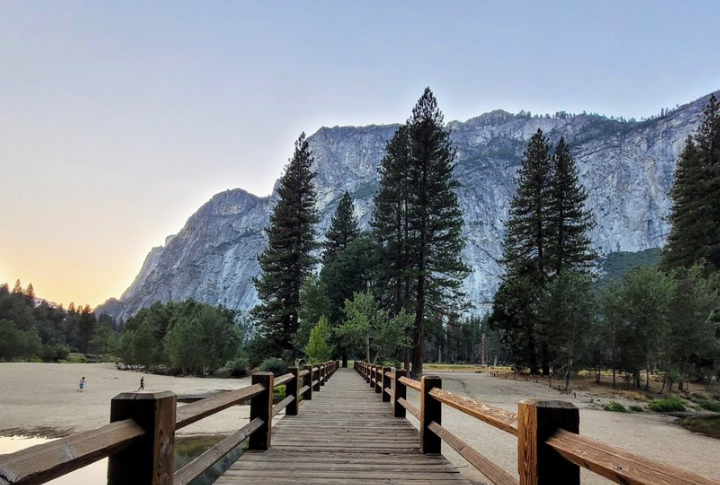
No matter where you live in the U.S., there’s a national park just waiting to be explored. The National Park System covers a vast array of protected sites, including stunning national parks, historic monuments, scenic rivers, iconic battlefields, and vibrant wildlife refuges. We’ve rounded up the best of these areas in every state to help you find your next outdoor getaway. Plan your visit today and explore the beauty that awaits you!
Alabama: Horseshoe Bend National Military Park
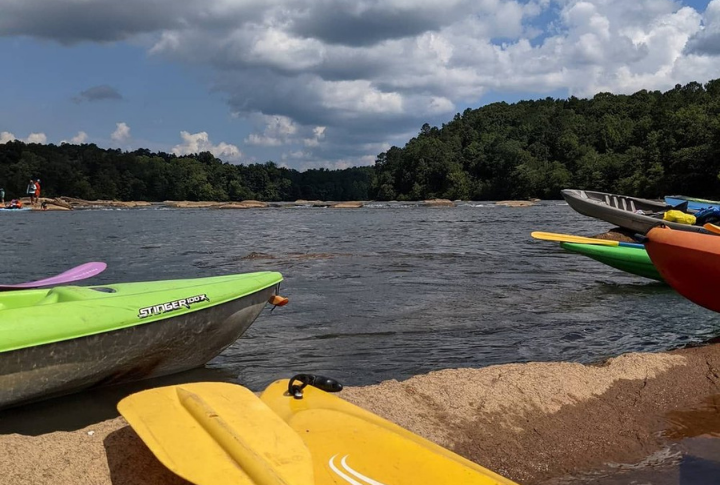
History comes alive at Horseshoe Bend, where a pivotal battle reshaped American history. Wander along the Tallapoosa River and imagine the 1814 clash that helped end the Creek conflict. The quiet trails are ideal for reflection, and kids will love learning about Native American culture and early army strategy.
Alaska: Denali National Park
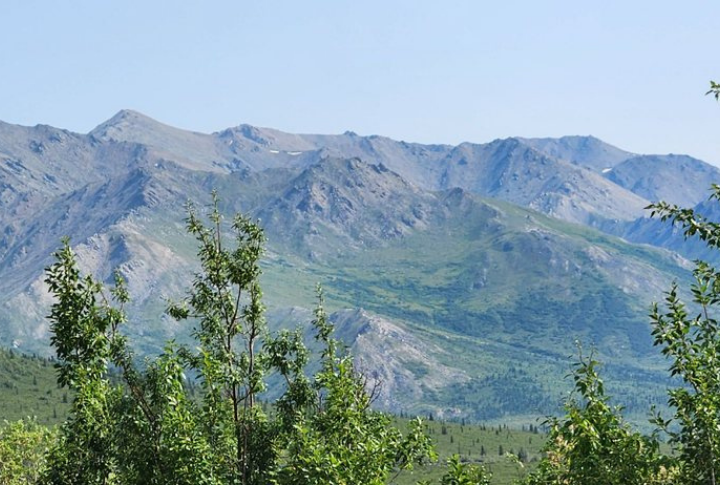
With its towering peak, Denali has one of the most breathtaking sceneries in the world. Wildlife lovers can spot bears, wolves, and caribou roaming free while hikers tackle trails with views that stretch forever. Visit in summer when the long days let you pack in endless adventure under the midnight sun.
Arizona: Grand Canyon National Park
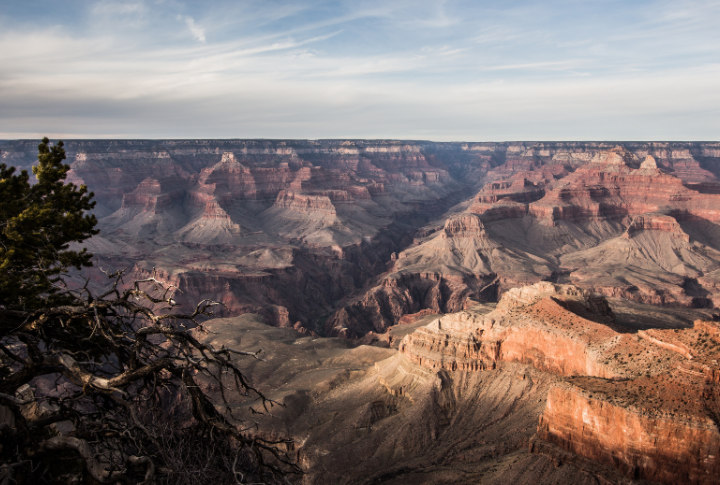
Pictures don’t do justice to the Grand Canyon’s grandiosity. Whether you hike to the rim or take a mule ride into its depths, this vast natural wonder leaves a lasting impression. For families, try a ranger-led program; kids will get hands-on experience while you soak up the incredible vistas.
Arkansas: Hot Springs National Park

Fancy a warm soak? This park combines nature with history, featuring bathhouses that date back over a century. The thermal waters, once used by Native Americans for healing, are now the ultimate relaxation spot. After a soak, explore trails winding through the surrounding mountains and forests.
California: Yosemite National Park
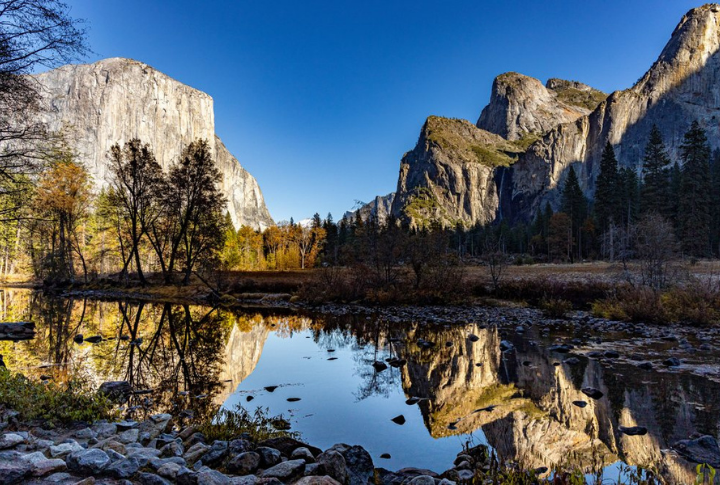
Yosemite is an outdoor playground like no other. From the thunderous rumbles of Yosemite Falls to the towering cliffs of El Capitan, the park never disappoints. Don’t forget to look up; stargazing here is magical, especially after a day of hiking, rock climbing, or simply wandering the giant sequoia groves.
Colorado: Rocky Mountain National Park
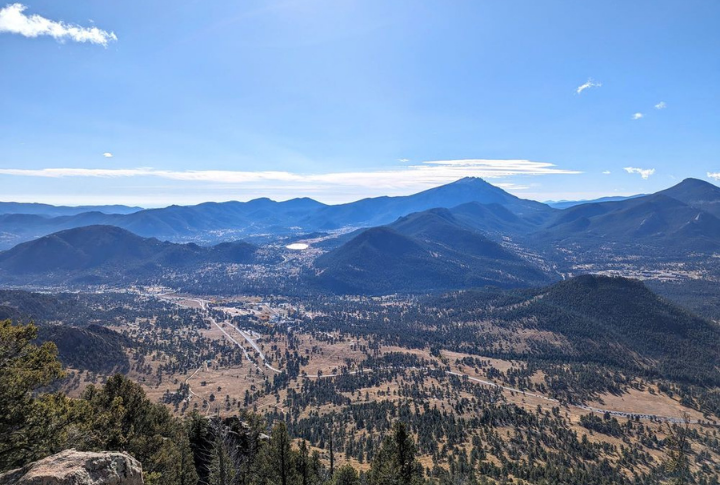
This park is like a real-life adventure book. Moose, elk, and marmots greet you along scenic trails, while the high-altitude Trail Ridge Road offers unforgettable views. Be it a family picnic by Bear Lake or a day hike up Longs Peak, there’s no shortage of fun at the Rocky Mountain National Park.
Connecticut: Weir Farm National Historical Park

Art lovers, this one’s for you! Weir Farm is a dreamy spot where artists once captured nature’s beauty on canvas. The park remains a peaceful retreat, perfect for sketching or simply enjoying a quiet walk. Families can join painting workshops to channel their inner artists, just like the park’s namesake.
Delaware: First State National Historical Park

History buffs will love First State National Park, which spans multiple sites across Delaware. From old colonial homes to Revolutionary conflict stories, the park celebrates the state’s role as the first to ratify the Constitution. It’s a great spot for kids to explore early American history interactively.
Florida: Everglades National Park
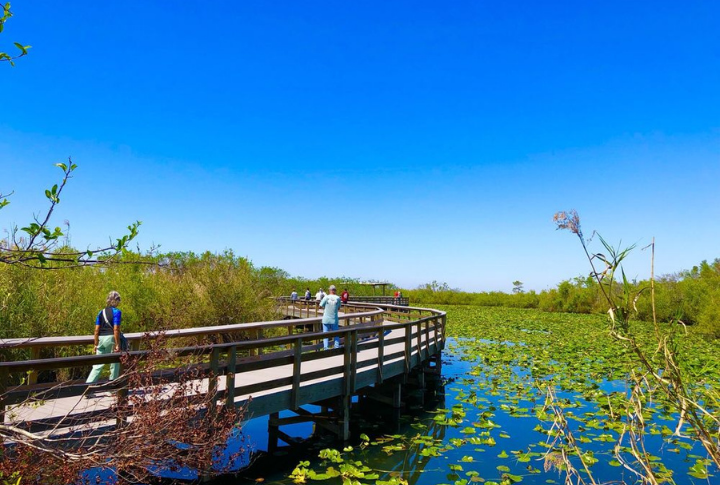
Ready for an airboat ride? The Everglades is a one-of-a-kind ecosystem, home to alligators, manatees, and a staggering variety of bird species. Glide through sawgrass marshes and mangroves, or paddle a kayak through quieter waters. Just be sure to keep your camera handy, there’s wildlife at every turn.
Georgia: Chattahoochee River National Recreation Area
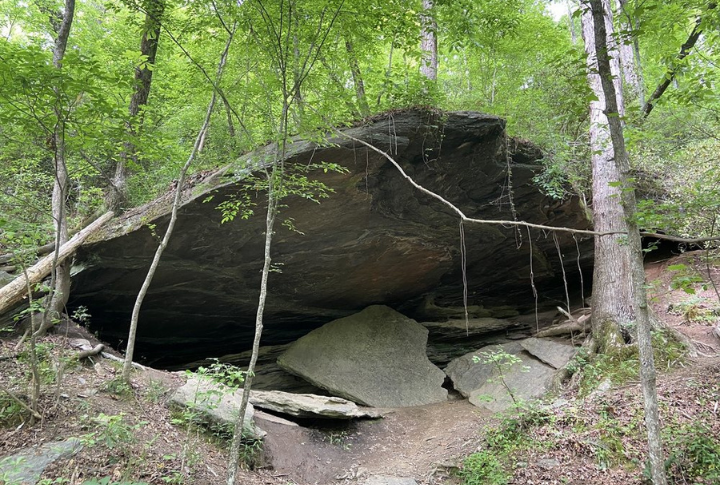
One of Georgia’s best family activities is floating down the Chattahoochee River on a warm day. Whether you kayak, tube, or just dip your toes in, the river brings a refreshing escape. With miles of hiking trails nearby, there’s plenty to explore, don’t be surprised if you see deer along the way.
Hawaii: Hawaiʻi Volcanoes National Park
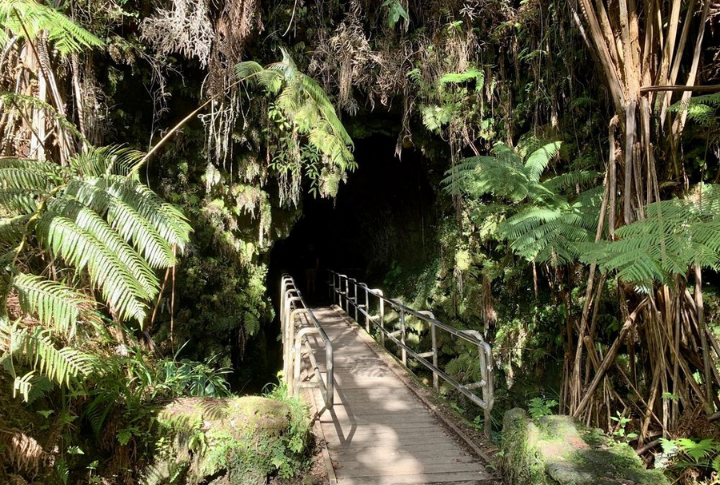
Get up close and personal with two of the world’s most active volcanoes! This park provides the thrill of witnessing lava flows and steam vents up close. For a safer family adventure, explore the park’s scenic drive, with stop-offs to view craters, ancient petroglyphs, and lush rainforest trails.
Idaho: Craters of the Moon National Monument and Preserve
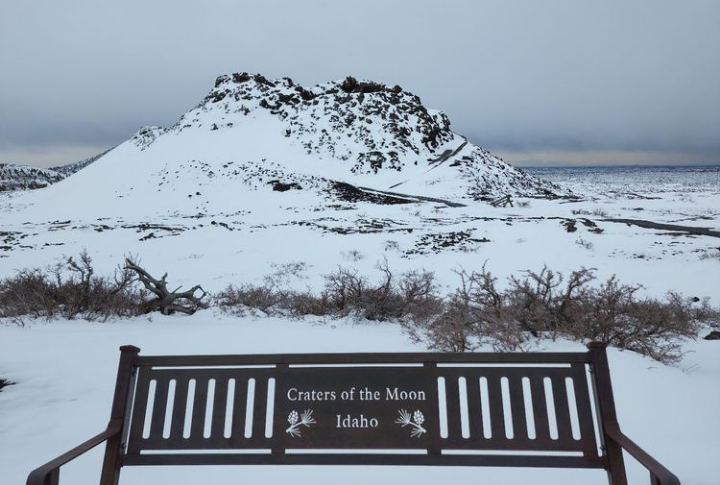
Have you wanted to walk on the moon? At Craters of the Moon, you almost can! This otherworldly park features volcanic views, lava tubes, and cinder cones. Kids will love exploring the strange rock formations and learning about volcanic activity through hands-on exhibits in the visitor center.
Illinois: Shawnee National Forest
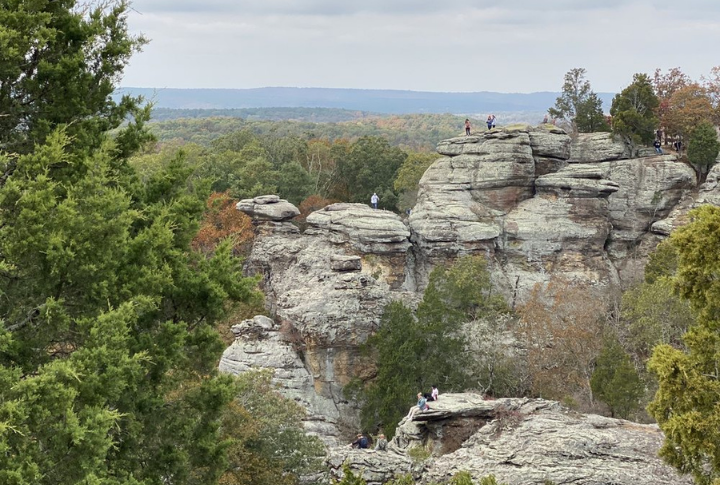
Hiking through Shawnee feels like stepping into a secret world. With rugged cliffs, peaceful lakes, and the famous Garden of the Gods rock formations, the forest has something for every explorer. Pack a picnic and take in the views, or try a leisurely paddle along the quiet waters of the Little Grand Canyon.
Indiana: Indiana Dunes National Park
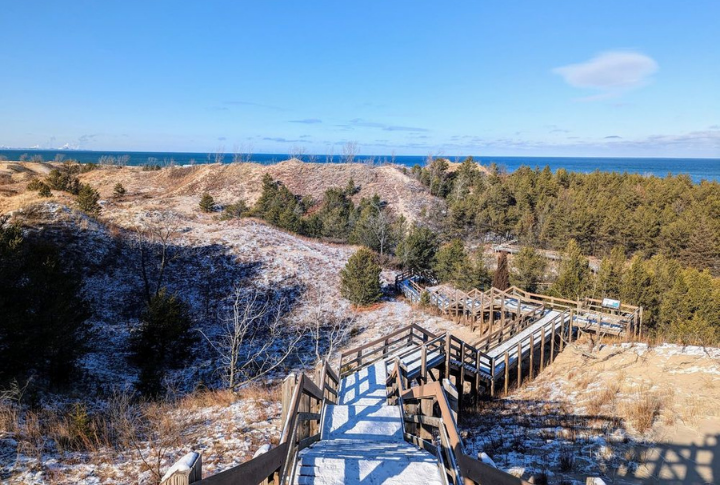
The sandy shores of Lake Michigan create a fantastic beach day at Indiana Dunes. Build sandcastles, fly kites, or swim in the lake while taking in the beautiful dune backdrops. After some sun, stroll through wetlands and forests to see diverse wildlife; you might even spot a bald eagle soaring overhead.
Iowa: Herbert Hoover National Historic Site
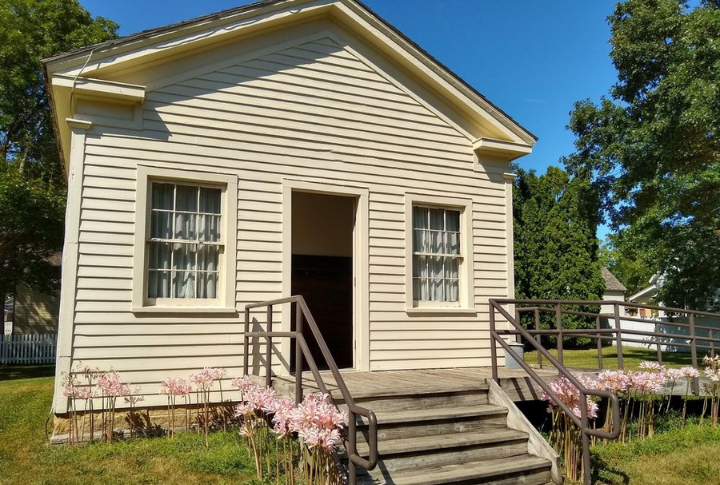
This park preserves the birthplace of America’s 31st president, Herbert Hoover. Walk through the small cottage where he grew up and explore exhibits highlighting his life and legacy. It’s a charming slice of history, offering a look into how a humble Midwestern boy became the leader of a nation.
Kansas: Brown v. Board of Education National Historical Park

Step into the heart of America’s civil rights struggle at this powerful park. Here, you can learn more about the landmark Supreme Court case that put an end to the ethnic segregation in public schools. Interactive exhibits bring the story to life for families, which makes it a meaningful stop for kids to understand the importance of equality.
Kentucky: Mammoth Cave National Park
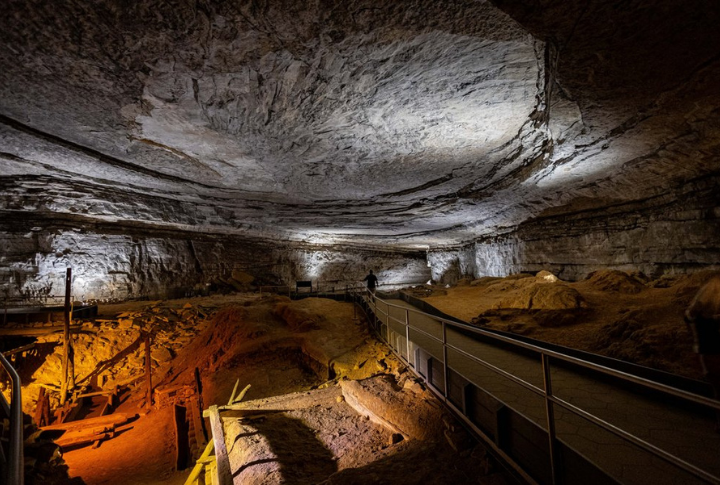
Explore the underground! Mammoth Cave is the world’s most extended cave system, offering tours that take you through massive chambers and narrow passageways. Kids will enjoy the thrill of exploring the cave’s dark and mysterious tunnels, while adults can marvel at the stunning rock formations and rich history.
Louisiana: Jean Lafitte National Historical Park and Preserve
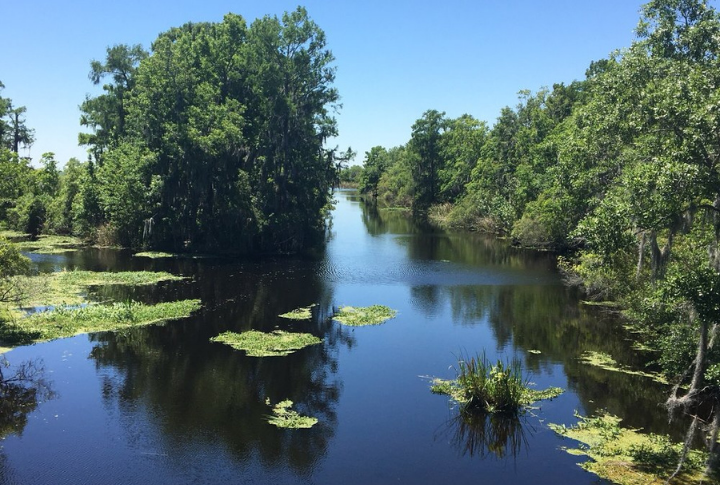
Immerse into Louisiana’s swamps and history at Jean Lafitte. Be it paddling through the bayous or exploring historical battlegrounds, this park brings an adventure through nature and time. Watch for alligators and birds while learning about the state’s rich culture and the pirate who inspired the park’s name.
Maine: Acadia National Park
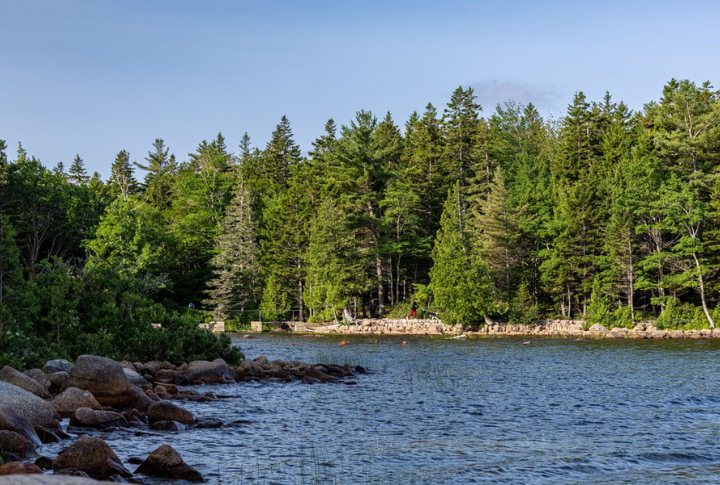
Acadia is all about dramatic coastlines and rocky shores. You can bike, hike, or drive to Cadillac Mountain for sunrise views or wander through the park’s quiet forests. It’s also one of the few places where you can dip your toes in both ocean waves and serene lakes on the same day.
Maryland: Assateague Island National Seashore
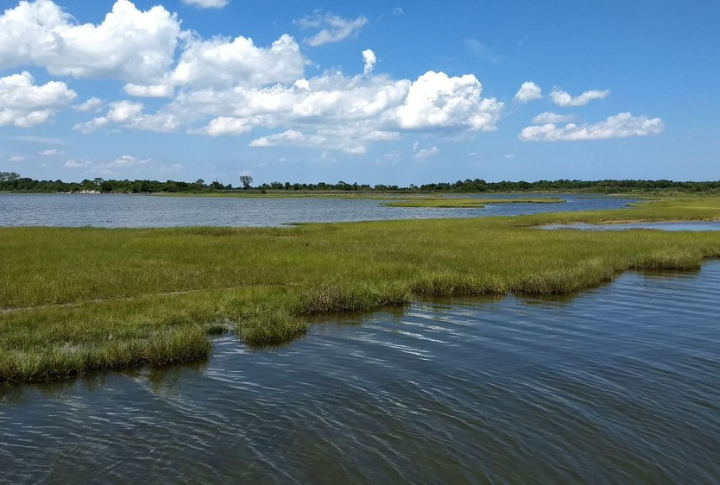
Wild ponies roam freely across this barrier island, making every visit feel magical. Visitors can camp on the beach, explore the marshlands, or watch these beautiful creatures from a distance. It’s the perfect spot for a family beach day filled with nature and waves splashing on the shore.
Massachusetts: Adams National Historical Park

Step into the homes of two American presidents, John Quincy Adams and John Adams, and explore their families’ rich history. This park features a glimpse into early U.S. leadership with beautifully preserved historic homes and gardens. It’s an educational trip that kids and adults alike will find fascinating and inspiring.
Michigan: Isle Royale National Park
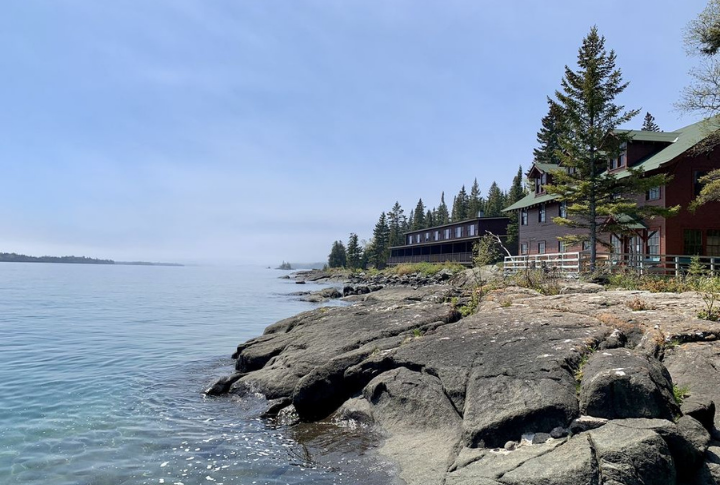
Located in Lake Superior, Isle Royale is an off-the-beaten-path gem where adventure-seekers can hike, kayak, and explore without crowds. The park’s remote wilderness is home to wolves and moose, presenting visitors a chance to experience nature in its purest form. It’s a peaceful, unforgettable escape from daily life.
Minnesota: Voyageurs National Park
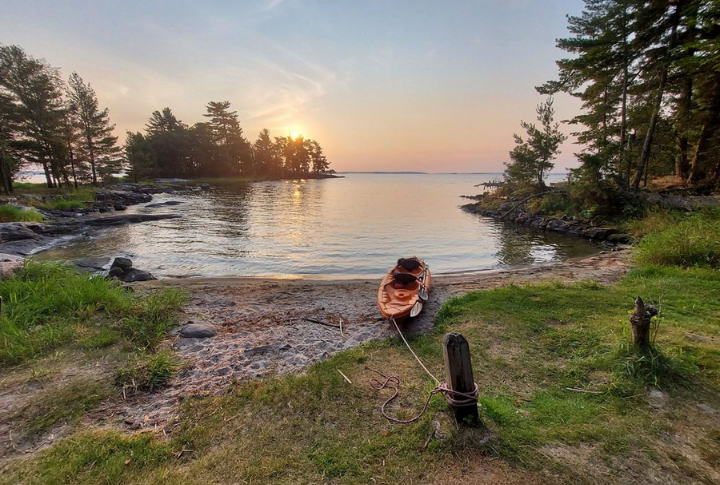
Voyageurs is a water-lovers paradise, with its lakes and waterways forming the heart of this unique park. You can rent a canoe or boat here to explore the park’s islands or go fishing with the kids. In winter, this park turns into a snowy wonderland, providing snowshoeing and even Northern Lights views.
Mississippi: Vicksburg National Military Park

Vicksburg offers a rich look into the history. The park’s driving tour lets you explore the battlefield and learn about one of the conflict’s pivotal sieges. With reenactments and educational exhibits, this is a great way for families to learn about the sacrifices made during America’s most turbulent times.
Missouri: Ozark National Scenic Riverways
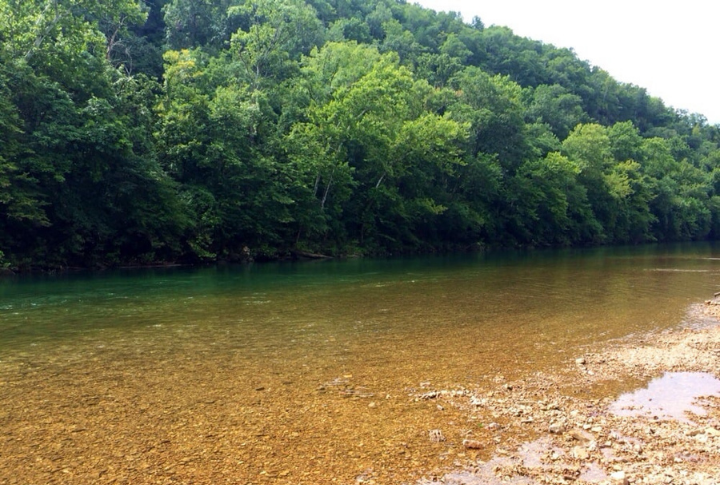
The Ozarks are a hidden gem for outdoor lovers. With clear rivers ideal for canoeing, tubing, or fishing, it’s a natural playground for families. The rolling hills and limestone bluffs provide stunning scenery, while peaceful camping spots invite you to spend a night under the stars beside the flowing Current River.
Montana: Glacier National Park
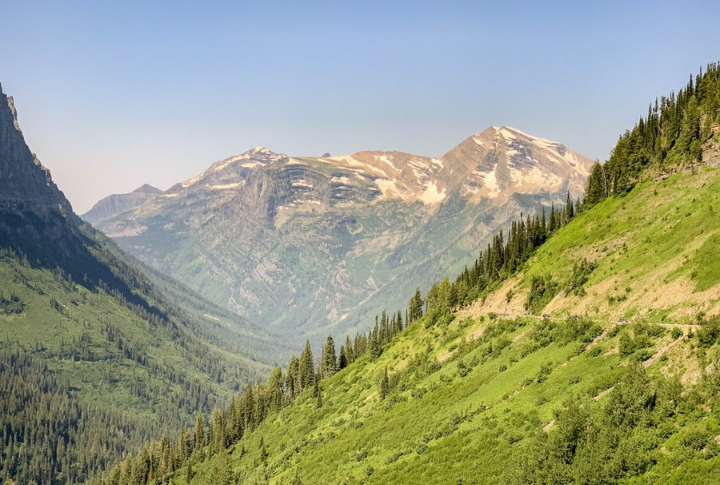
This place is known for its rugged beauty and jaw-dropping vistas. Its trails, like the iconic Going-to-the-Sun Road, lead to hidden gems like sparkling lakes. Moreover, the park’s untamed wilderness is home to grizzly bears, mountain goats, and soaring eagles. Overall, it’s a great place to feel truly immersed in nature’s wild grandeur.
Nebraska: Homestead National Historical Park

Homestead brings the days of westward expansion to life in a fun and engaging way. Kids can explore hands-on homesteading exhibits while families stroll through the tallgrass prairie just like early settlers did. It’s a fascinating peek into the roots of the American dream.
Nevada: Great Basin National Park
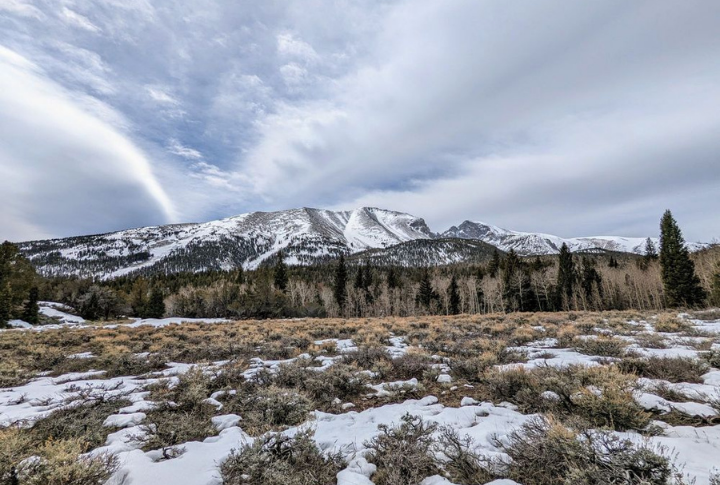
The Great Basin is full of surprises, from ancient bristlecone pines to fascinating cave systems. The park’s Lehman Caves are a must-see, with their intricate rock formations. Visitors can also hike to Wheeler Peak for stunning views, or stargaze under one of the darkest skies in the country, perfect for kids curious about space.
New Hampshire: White Mountain National Forest
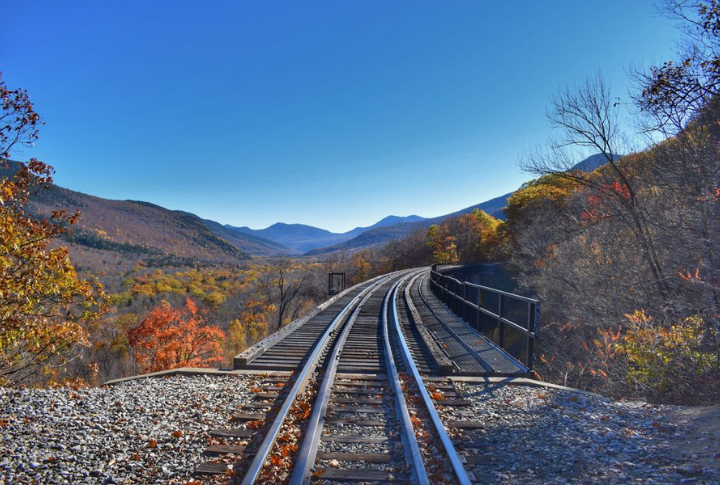
A wonderful spot for a family adventure in the great outdoors. From scenic drives to kid-friendly hikes, White Mountain National Forest delivers endless opportunities for exploration. In the fall, the vibrant leaves create a stunning view, which makes it a favorite destination for photographers and nature lovers.
New Jersey: Delaware Water Gap National Recreation Area
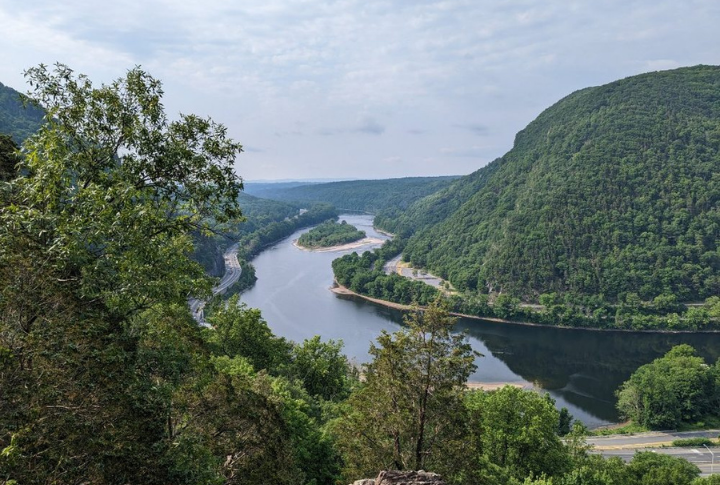
The Delaware Water Gap is a peaceful retreat where the river cuts through mountains, creating spectacular views. Excellent for kayaking, fishing, or even hiking, it’s a family-friendly spot that feels miles away from busy city life. The Appalachian Trail runs through here and gives a chance to tackle part of the iconic route.
New Mexico: Carlsbad Caverns National Park
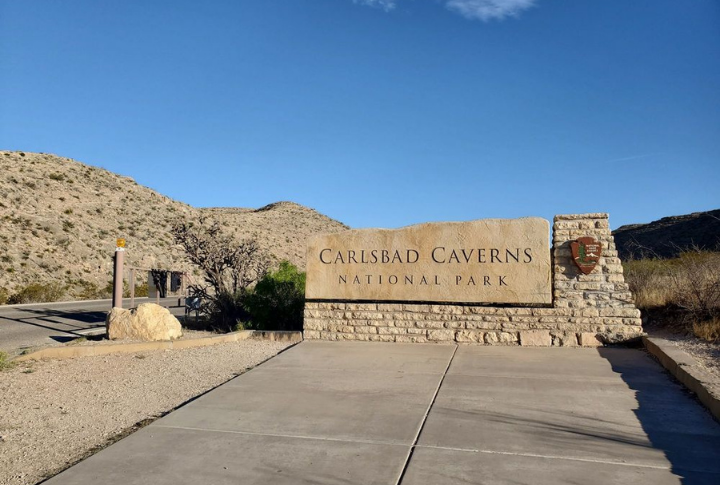
The underground wonders of Carlsbad Caverns have massive limestone chambers and intricate stalactites that make you feel like you’ve entered a different world. Families can explore on a self-guided tour through the Big Room or even watch the bat flight at dusk, where thousands of bats stream out of the caves.
New York: Adirondack Park
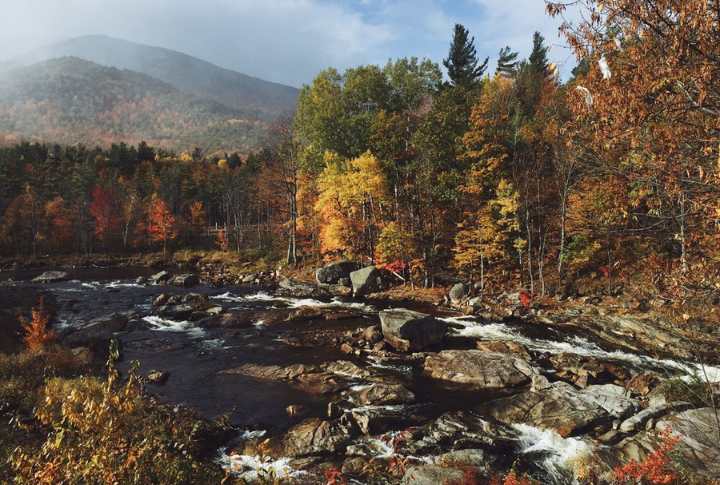
The Adirondack Park is no less than a playground for outdoor enthusiasts. Whether you’re paddling a quiet lake, hiking to a waterfall, or skiing in the winter, there’s always something new to discover. With quaint villages nearby, you can combine adventure with relaxation, which marks it as a perfect spot for family vacations year-round.
North Carolina: Great Smoky Mountains National Park
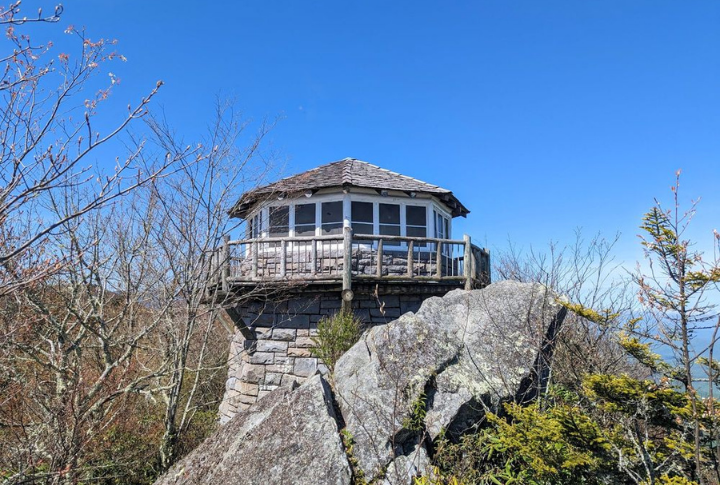
The Smokies, wrapped in misty charm, are perfect for nature lovers. From the stunning vistas at Clingmans Dome to peaceful hikes near cascading waterfalls, every visit feels special. Families love the wildlife, with black bears and deer wandering close to the trails, making each visit feel like a wildlife safari.
North Dakota: Theodore Roosevelt National Park
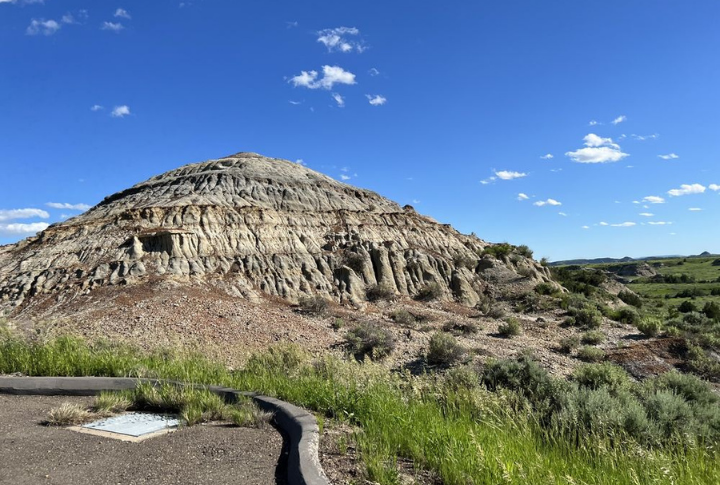
Named after the conservation-minded president, the Theodore Roosevelt National Park celebrates wild, rugged settings. Bison and prairie dogs roam the park’s rolling grasslands, while scenic drives showcase colorful badlands. In short, kids will love hiking the shorter nature trails, and everyone can enjoy camping under the big, starry sky.
Ohio: Cuyahoga Valley National Park
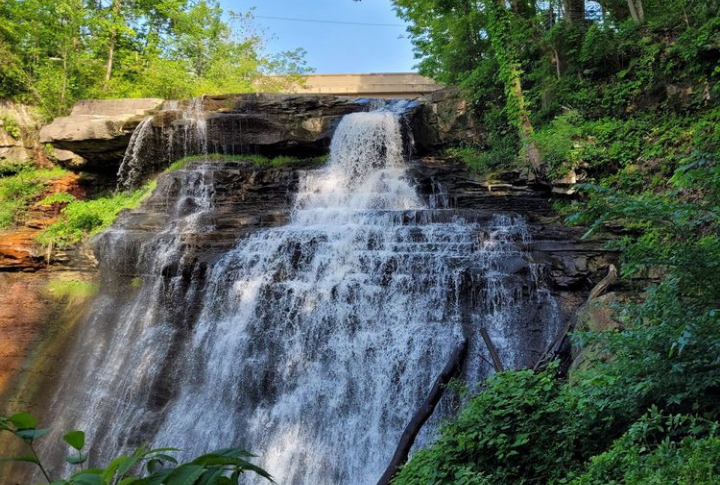
Escape into nature right outside the city! Cuyahoga Valley’s scenic views, winding trails, and beautiful Brandywine Falls make it a perfect family day out. Hop on the Cuyahoga Scenic Railroad for a train ride through the park, or take a bike ride along the historic Towpath Trail for an easy, scenic adventure.
Oklahoma: Chickasaw National Recreation Area
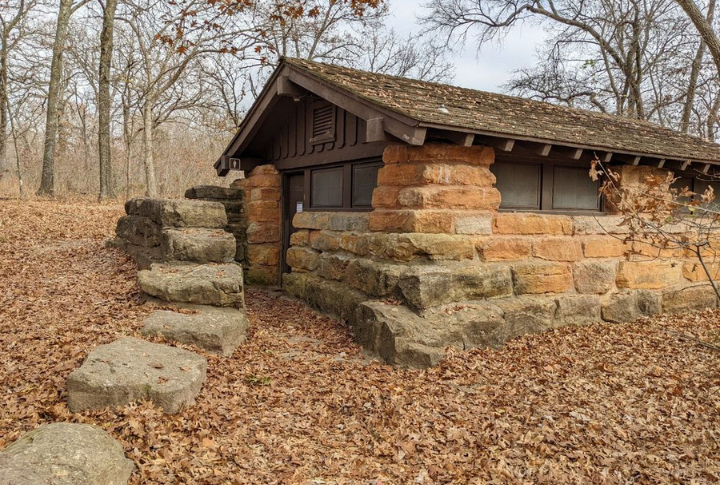
Whether you love water activities or hiking, Chickasaw has it all. The park’s freshwater springs and lakes offer plenty of opportunities for swimming, fishing, and paddling on Lake of the Arbuckles. Plus, kids will love the easy hiking trails through the beautiful forests and hills of the park.
Oregon: Crater Lake National Park
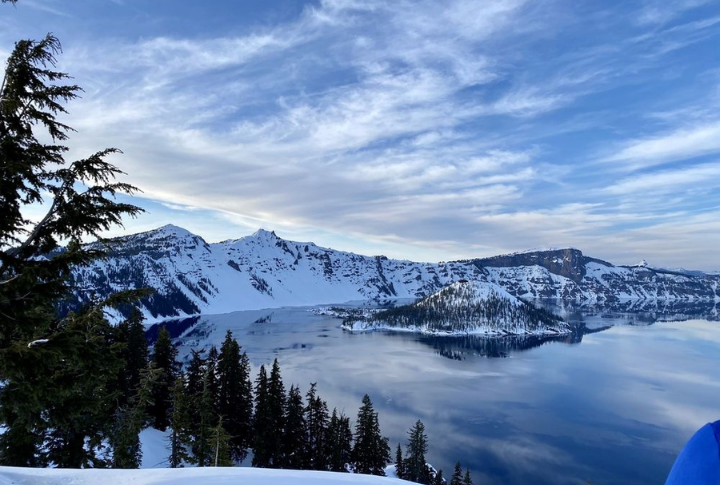
Crater Lake’s deep blue waters will leave you speechless. Made by a collapsed volcano, the lake is a stunner no matter if you hike the rim or take a boat tour to Wizard Island. The park turns into a snowy, magical land in winter, which makes it perfect for snowshoeing or cross-country skiing adventures.
Pennsylvania: Gettysburg National Military Park
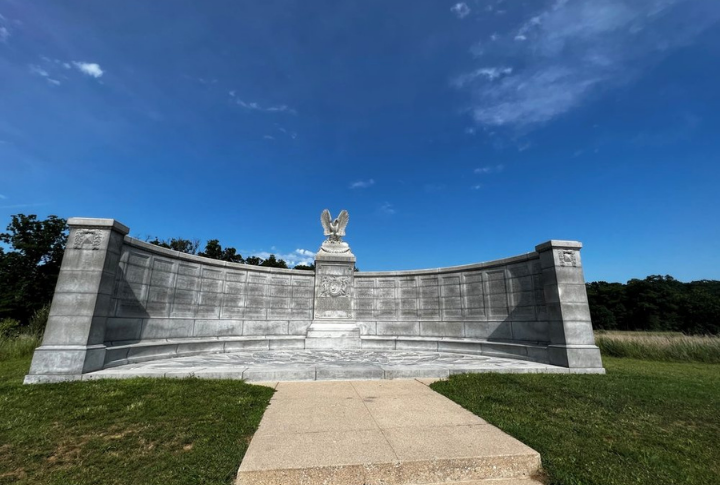
Step into one of the most famous battlegrounds of history. Gettysburg is rich in history, and a walk through its fields and monuments brings the past to life. Join a guided tour or visit the museum, where kids can get a hands-on history lesson about the pivotal battle and Lincoln’s address.
Rhode Island: Blackstone River Valley National Historical Park
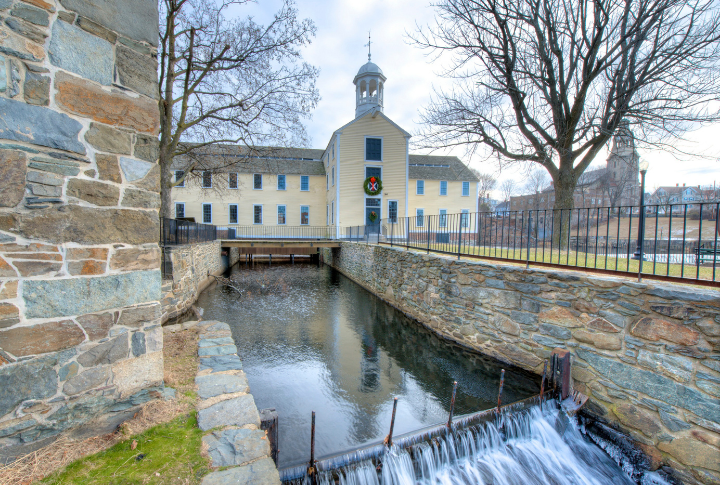
This small park honors Roger Williams, the founder of Rhode Island and a hero of religious freedom. It’s a quiet green space in the heart of Providence, ideal for a short, educational stroll. Visitors can learn about early colonial life and Williams’ commitment to liberty in a beautifully maintained setting.
South Carolina: Congaree National Park
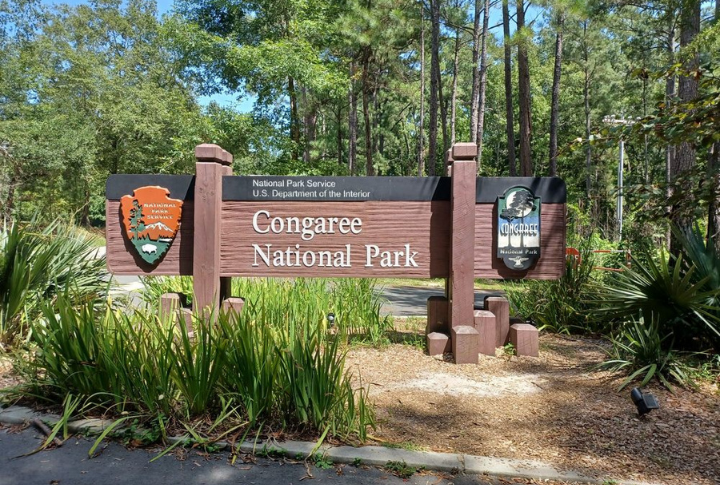
Congaree is home to one of the last old-growth forests in the U.S., with giant trees and lush swamps to explore. Paddle a canoe through the park’s waterways or take a leisurely hike along the boardwalk, where you’ll be surrounded by towering cypress trees and chirping wildlife. It’s an otherworldly adventure for all ages.
South Dakota: Badlands National Park
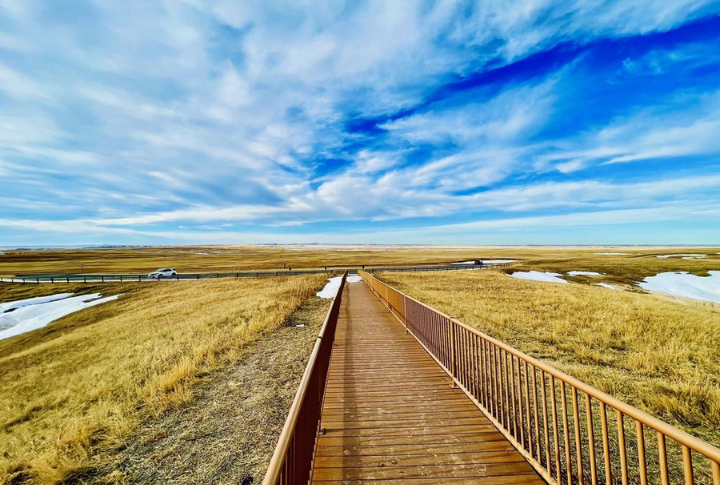
The Badlands’ strange and dramatic rock formations make you feel like you’ve landed on another planet. Kids will love spotting bighorn sheep and bison as you drive through the park’s scenic routes. With its colorful canyons and buttes, it’s a wonderful spot for photographers and families looking for outdoor exploration.
Tennessee: Great Smoky Mountains National Park
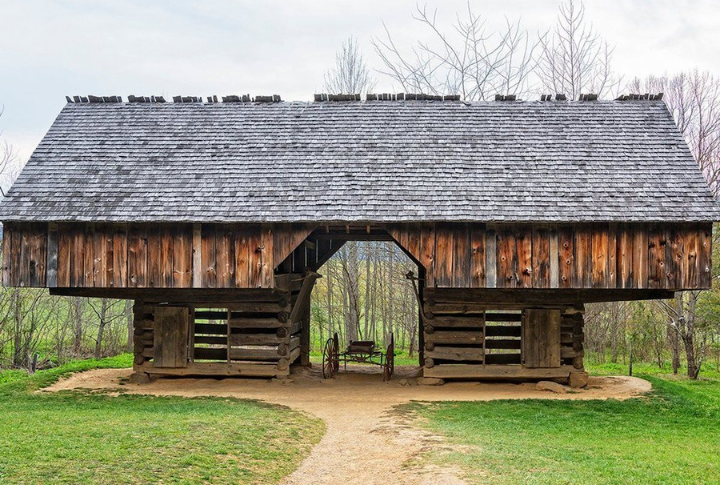
As one of the most visited parks in the country, the Great Smoky Mountains are packed with adventure. Wander through wildflower-covered meadows, hike to hidden waterfalls, or visit Cades Cove for a peek into pioneer life. Plus, kids will be excited to spot the abundant wildlife, from bears to fireflies.
Texas: Big Bend National Park
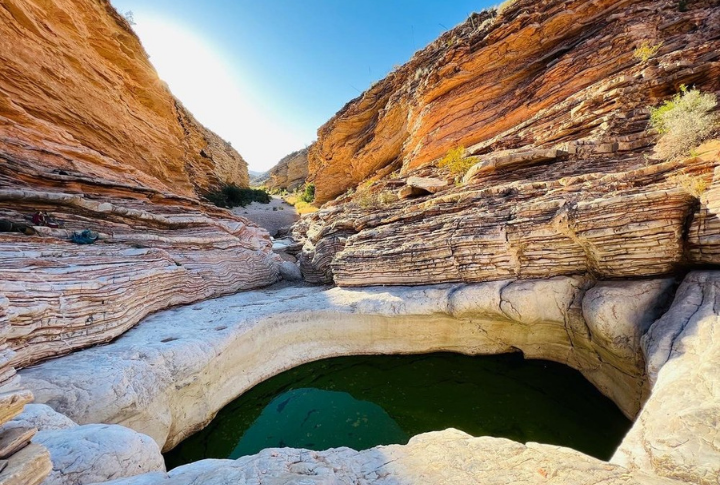
Vast and rugged, Big Bend has a stunning mix of desert, mountain, and river terrain. The Rio Grande forms the park’s southern border, which makes it perfect for kayaking or rafting adventures. Here, kids will love searching for fossils, while families can take scenic drives through colorful canyons and star-filled night skies.
Utah: Zion National Park
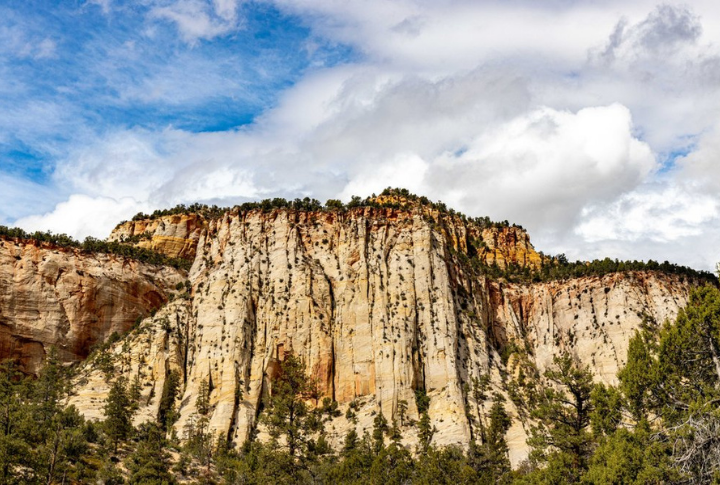
Zion, Utah’s crown jewel, offers a paradise for all types of hikers. From the Riverside Walk’s easy stroll to the thrilling climb up Angels Landing, there’s something for everyone. Families can enjoy splashing in the Virgin River while taking in the stunning canyon views that make this park a must-visit.
Vermont: Marsh-Billings-Rockefeller National Historical Park
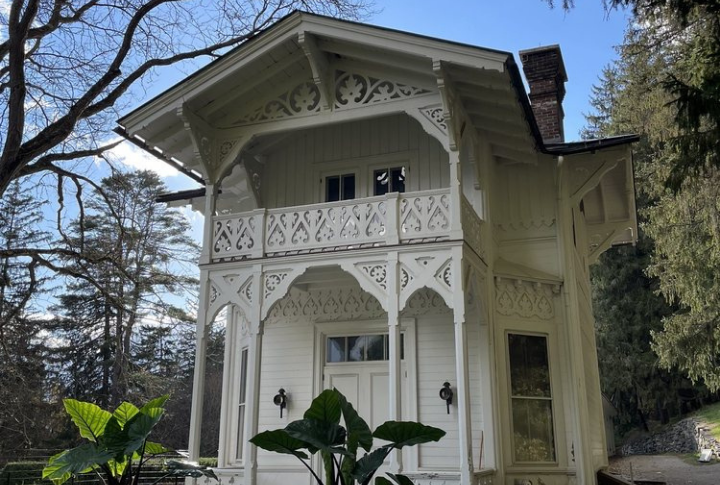
This park celebrates conservation history and natural beauty. Visitors can tour the beautifully preserved homes and gardens of conservation pioneers or hike through forests with centuries-old trees. It’s a peaceful retreat where families can learn about the importance of preserving nature while enjoying Vermont’s lush, green backdrops.
Virginia: Shenandoah National Park
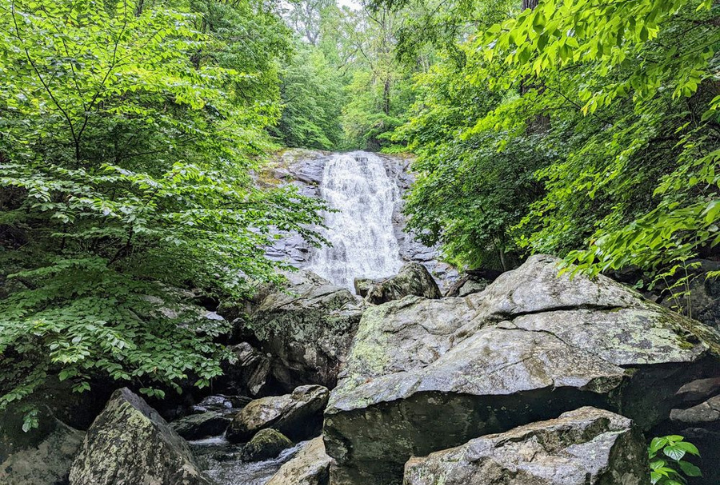
Shenandoah’s Skyline Drive is one of the most scenic routes in America, especially during fall when the leaves burst into color. The park has hiking trails for all ages, from easy walks to more challenging climbs. Wildlife is plentiful here, including deer, black bears, and wild turkeys, making it an exciting spot for nature lovers.
Washington: Olympic National Park
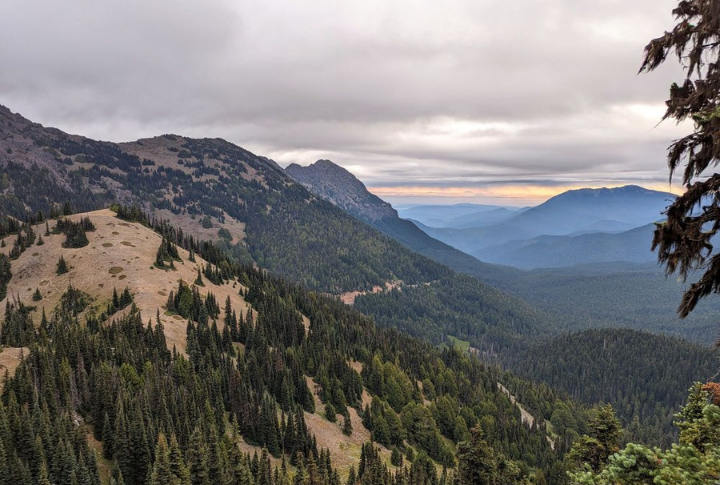
Mount Rainier dominates the horizon and gives visitors a chance to hike, climb, or simply admire its snow-capped peak. In summer, wildflower-filled meadows surround its base, while winter brings snowshoeing and skiing. Families will enjoy the easy trails around Paradise, with incredible views of the grand mountain.
West Virginia: New River Gorge National Park
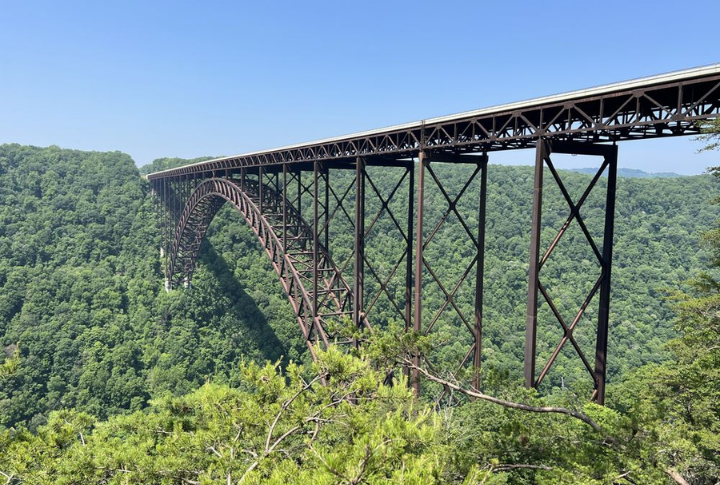
New River Gorge is an adventurer’s dream, featuring rock climbing, whitewater rafting, and hiking through stunning Appalachian scenery. The iconic New River Gorge Bridge is a sight to behold, especially during Bridge Day when thrill-seekers base jumps from it. This place is also perfect for more relaxed activities, like scenic drives and wildlife spotting.
Wisconsin: Apostle Islands National Lakeshore
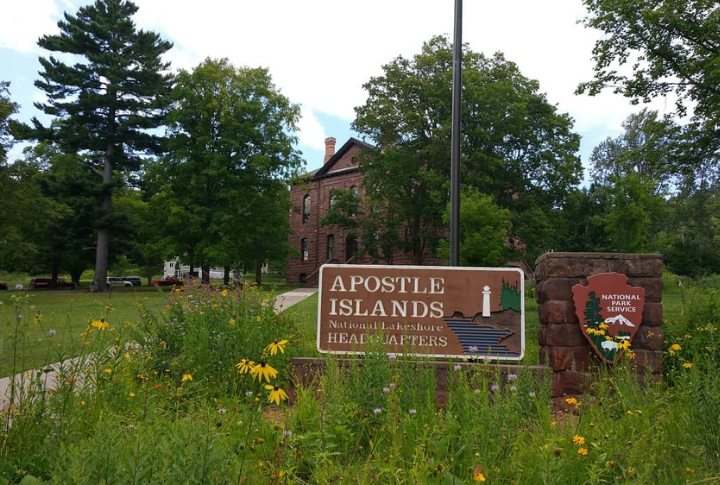
Apostle Islands’ sparkling waters and sea caves make it a summer favorite. Not only you can kayak along the shorelines here, but explore the lighthouses, or relax on the sandy beaches of Lake Superior. The ice caves are a magical sight in winter, with frozen stalactites creating a winter wonderland perfect for a family adventure.
Wyoming: Yellowstone National Park
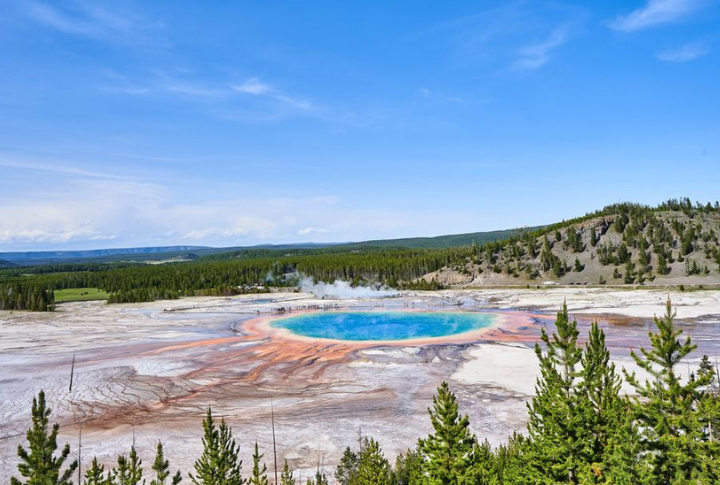
Yellowstone is America’s first national park, and it never disappoints. Old Faithful’s eruptions, colorful hot springs, and roaming herds of bison make every visit unforgettable here. With its easy trails for hiking and picnic spots near the park’s beautiful lakes, the place has so much to explore, it’s a park for all ages to enjoy.