Lifestyle
10 Things That Feel Normal In Japan But Not In America

Even two developed nations can structure daily life in surprisingly different ways. What’s routine in Japan can feel rare in the U.S., and the reverse is also true. The details may be small, but the contrast is clear. So, here are 10 everyday moments that show how the cultural habits of both countries are quietly diverging.
Public Space Etiquette
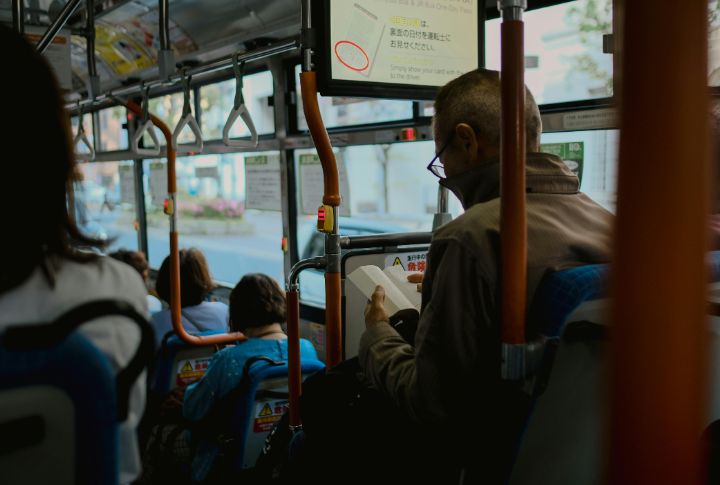
In Japan, public transportation mostly stays quiet. Riders avoid phone calls and keep conversations subdued. Speaking loudly in public is even perceived as disruptive, and social etiquette generally favors minimizing personal noise. By contrast, American spaces tend to be more relaxed, where open conversations and background music are part of the environment.
Tipping
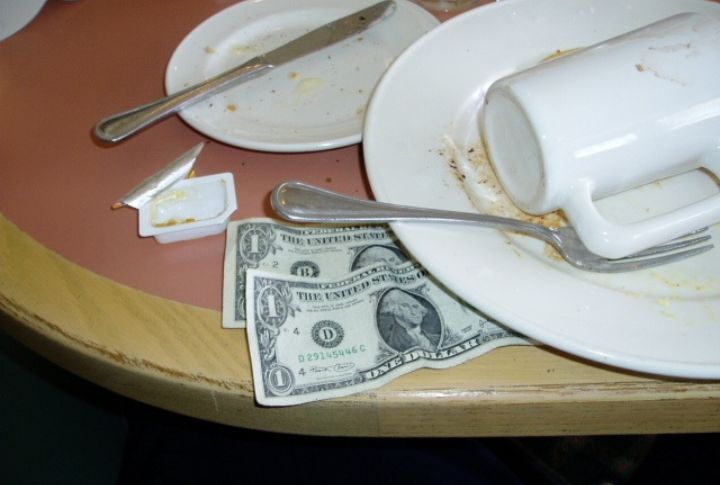
Diners in Japan don’t tip. The bill reflects the full amount, and gratitude is shown through respectful phrases and a slight bow upon leaving. In many parts of the U.S., however, tipping is a frequent practice as it makes up for low base wages in service jobs. Failing to tip isn’t just frowned upon, but it also directly impacts a worker’s income.
Trash Sorting
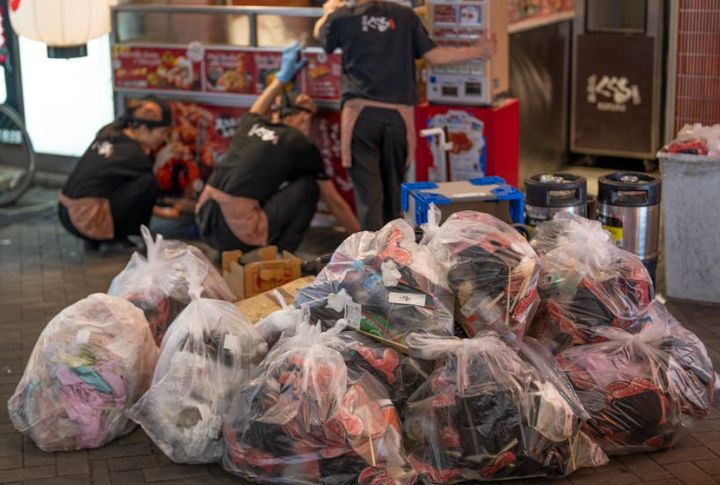
A clear bag of trash filled with the wrong items might be left behind at the curb in Japan, marked with a note asking for correction of its contents. This is because their system includes color-coded charts posted near buildings and strict pickup schedules by category. Most U.S. cities allow simpler, more flexible disposal, where trash is collected without strict separation.
Meals Approach

In Japan, meals are typically reserved for seated, intentional moments. Even a bowl of noodles is treated with great care and focus. In the American context, quick bites at the desk and snacks in transit are everyday sights. Eating frequently also fits around other tasks, rather than interrupting them.
Shoe Custom
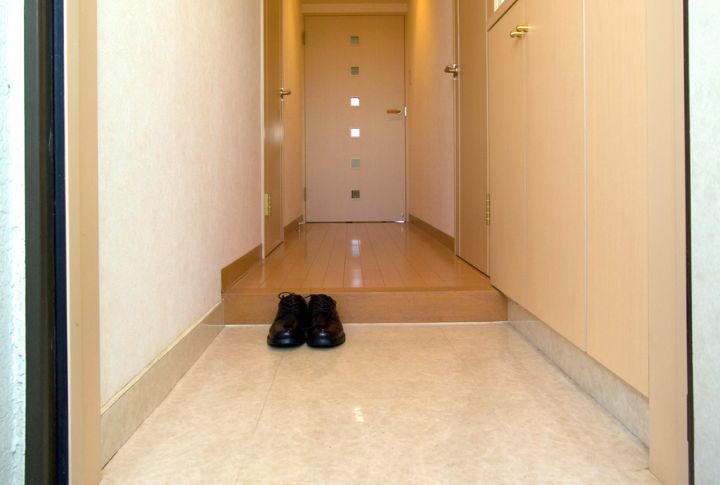
Step inside a Japanese home, and the first action is automatic: take off your shoes and put on slippers. Entryways are designed for that transition, with designated areas for outdoor footwear. American households approach it less uniformly, with the practice varying by region and habit. In fact, many homes aren’t built with a clear space for removing shoes.
Customer Service

Precision drives customer service in Japan. Set phrases and uniform posture further shape each interaction, regardless of the situation. Once the exchange begins, personal variation is minimized. In contrast, U.S. service culture often emphasizes friendliness and flexibility, encouraging employees to bring personality into their interactions.
Escalator Etiquette
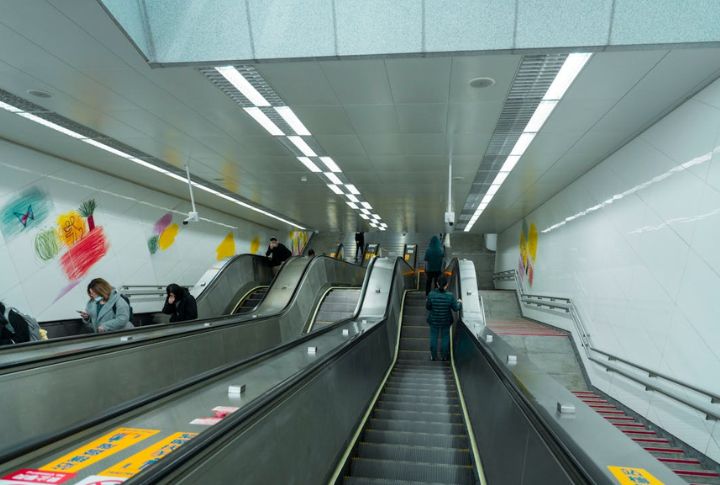
In Japan, escalators have an unspoken rule: stand on one side and walk on the other. The pattern changes by region but is followed consistently across the country. In the U.S., behavior is more unpredictable. Some stand still, others walk, and few seem unsure about what is expected.
Use Of Cash

Despite having an advanced technological infrastructure, Japan continues to rely heavily on cash for daily purchases. Many small businesses and restaurants prefer bills over cards or digital payments. On the other hand, card and contactless options are standard across the United States. Some American stores even refuse cash entirely, treating it as an outdated form of payment.
Personal Boundaries

Close contact rarely happens without context in Japan. People maintain space in elevators and even in conversation. Physical closeness carries unspoken rules. This differs from the United States, where greetings regularly involve physical gestures like handshakes or pats on the back, and standing close is rarely seen as intrusive.
Apologizing And What It Means
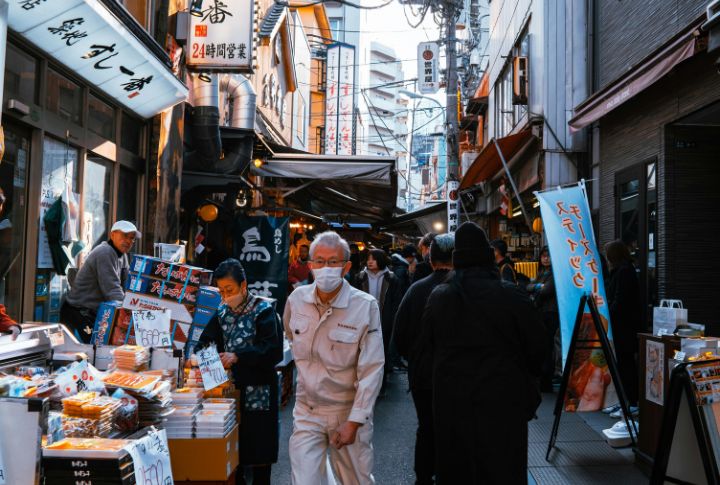
Politeness in Japan often begins with an apology. You’ll often hear “sorry” tossed around, just for squeezing into a crowd or walking by someone’s line of sight. It’s less about guilt than social awareness. In the American context, apologies tend to signal personal responsibility rather than maintain group harmony.

Lifestyle
10 Limitations And Habits Women Break Free From After 40

Life after 40 is about breaking free from old molds and embracing what feels right. Wondering what that looks like? It’s a transformation that lets women redefine their priorities, choices, and purpose. Read on to discover the key shifts that come with this exciting new chapter.
Chasing Perfection In Appearance

There’s a freedom that comes with no longer obsessing over every flaw. Wrinkles and gray hair aren’t signs of aging; they’re badges of a life well-lived. These women embrace their natural beauty, no longer feeling pressured to look “perfect” for anyone but themselves.
Staying In Unfulfilling Jobs

A paycheck alone isn’t enough to keep you employed. Women over 40 realize that time is too precious to spend in a role that doesn’t bring them joy or purpose. Whether it’s a career change or pursuing a passion project, it’s about creating a life that is meaningful.
Fitting Into Traditional Gender Roles

The idea that women must fit neatly into predefined boxes—wife, mother, caregiver—is being replaced by something more freeing. In their 40s, women are no longer bound by society’s rules. They’re defining who they are on their own terms.
Getting Forced Into Considering Marriage For The Sake Of It

What truly matters is staying true to themselves and not fitting into a mold. Marriage has lost its hold as the ultimate goal for many of them. They have realized that fulfillment doesn’t depend on a traditional relationship but rather on embracing what brings them personal joy.
Conforming To Other People’s Expectations

Living according to their own values replaces the endless effort to meet external expectations. The desire to please others diminishes, and they have a stronger sense of self, fully realizing this freedom as they enter the 40s.
Feeling Guilt Around Motherhood Choices

As women embrace the 40s, the pressure to have children becomes less prominent. If they choose to wait or decide not to have children at all, the decision is theirs alone. For many, fulfillment is found in paths that don’t necessarily lead to motherhood.
Trying To Be Everything To Everyone

It’s no longer about being everything to everyone. Women let go of the impossible task of juggling everything and start prioritizing what truly matters. The realization that boundaries are essential comes into focus when they start the 4th decade.
Staying Silent About Their Needs

Why are women beyond their 30s empowered to ask for what they want? Because they’ve stopped letting others’ expectations dictate their choices. In work, relationships, or friendships, they confidently voice their needs and desires, putting themselves first.
Following Trends Instead Of Personal Style

Style takes on a new meaning as women age. Forty-year-old women realize that fashion isn’t about keeping up with trends. It’s about wearing what makes them feel confident and comfortable, to reflect their true selves with every outfit.
Sticking To One Career Path

The idea of being tied to one career path for life feels like a thing of the past. These women love the fluidity of career changes, side gigs, or even starting their own businesses. They’ve learned that it’s okay to evolve and try new things.
Lifestyle
10 Criminal Minds Behind America’s Boldest Heists

America’s infamous thieves remind us of the impact of crossing ethical lines. These individuals did not simply unlawfully take possessions—they disrupted lives and exploited trust. While some faced consequences, others escaped justice, leaving a complex legacy behind. Here are 10 of the most notorious thieves in the history of America.
Jesse James

In 1873, Jesse James and his gang orchestrated one of America’s first train robberies near Adair, Iowa. They derailed the locomotive and escaped with $3,000 in gold. Pursued relentlessly by law enforcement officers, James evaded capture for years but was ultimately betrayed and shot by a member of his gang.
D.B. Cooper

Dan Cooper, infamously known as D.B. Cooper, seized control of a Northwest Airlines flight in 1971, demanding $200,000 and four parachutes. After receiving the ransom, he parachuted into the wilderness of the Pacific Northwest. A massive manhunt ensued, but Cooper was never found, leaving behind one of America’s greatest mysteries.
Jimmy Burke

Jimmy Burke masterminded the 1978 Lufthansa heist at JFK Airport, during which his crew stole $5 million in cash and $875,000 in jewelry. Despite meticulous planning, Burke’s associates became liabilities as they spent lavishly, which eventually drew the FBI’s attention. Burke avoided direct prosecution for the heist but faced incarceration for other offenses.
Alvin Karpis

Alvin Karpis, a key member of the Barker-Karpis gang, masterminded numerous robberies and kidnappings during the 1930s. Known for his calculating nature, Karpis became the first public enemy captured by J. Edgar Hoover. Despite his offense, his capture remains one of the FBI’s proudest moments.
Bernie Madoff

Bernie Madoff’s Ponzi scheme began in the 1980s, when he was promising consistent returns to high-profile investors. The deception unraveled in 2008 during the financial crisis. Then, he was captured by the FBI and was sentenced to 150 years in detention. His scheme remains the largest financial theft in history and has devastated countless lives.
Willie Sutton

Between the 1920s and 1950s, Sutton used clever disguises to rob over 30 banks. Captured multiple times, Sutton’s escapes were as legendary as his heists and earned him the nickname “Slick Willie.”The famous quote, “Because that’s where the money is,” is often attributed to him when asked why he robbed banks; however, he denied saying this statement.
Anthony Curcio

In 2008, Anthony Curcio used Craigslist to recruit decoys dressed as landscapers and confused witnesses during his armored truck heist. The meticulously planned operation netted him $400,000, but a tip from a homeless man led to his arrest. Curcio’s story later became a case study in modern criminal ingenuity.
Belle Starr and Her Gang of Thieves

Known as the “Bandit Queen,” Belle Starr led a gang that specialized in horse theft during the late 1800s. A charismatic figure, she charmed her way out of legal trouble multiple times. Starr was eventually ambushed, and she lost her life. This cemented her legacy as an infamous outlaw of the Wild West.
Frank Morris

Using his remarkable IQ, Frank Morris escaped Alcatraz in 1962 alongside two accomplices. They crafted life vests and a makeshift raft from raincoats and used papier-mâché heads to trick guards. Despite extensive searches, Morris’s fate remains unknown, fueling speculation about whether he survived the treacherous waters.
The Newton Gang

Led by Willis, Joe, Jess, and Wylie (“Dock”) Newton, This gang became infamous for a spree of bank and train robberies in the early 20th century. On June 12, 1924, they executed the largest train robbery in U.S. history near Rondout, Illinois, stealing over $3 million in cash, bonds, and jewelry.
Lifestyle
20 Everyday Designs That Favor Right-Handed People

Right-handed dominance in design is so common that most people don’t even notice it. Left-handed individuals, however, encounter small frustrations in daily life due to these biased designs. Here are 20 everyday objects that cater to right-handed users.
Scissors

Standard scissors are designed so that the top blade aligns for a right-handed grip. Lefties using them experience misaligned blades and uneven cuts. While special left-handed scissors exist, they’re rare and could be more expensive. Many left-handers simply adapt by cutting awkwardly or using their non-dominant hand.
Computer Mice

Walk into any office, and you’ll see the mouse on the right. While lefties can move it, ergonomic designs still favor right-handers. Shared workstations make it worse—settings often need to be reconfigured daily. It’s a small thing, but it’s a constant frustration.
Credit Card Machines and ATMs

Card slots, number pads, and styluses at ATMs are designed for right-hand use. Lefties must awkwardly reach across or switch hands. Even touchscreen payment terminals assume a right-handed user, which makes signing receipts and entering PINs feel unnatural.
Door Handles and Locks

Most doors favor a right-handed push, and keyholes are placed for a natural right-hand turn. Left-handed people often find themselves fumbling with locks and twisting their wrists in uncomfortable ways. Public buildings, especially, seem to be designed under the assumption that everyone is right-handed.
Spiral Notebooks

Left-handed students know this struggle all too well. Spiral bindings press into the wrist, making writing painful. Three-ring binders? Even worse. Many lefties flip notebooks upside down or write at off angles to avoid discomfort. Meanwhile, right-handers remain blissfully unaware.
Can Openers

Most manual can openers require a right-hand turn. This means using an uncomfortable grip and struggling with an unnatural twisting motion for lefties. Left-handed versions exist, but they’re uncommon, so left-handers struggle with everyday kitchen task.
The Infamous Ink Smudge Problem

Lefties drag their hand across freshly written ink, smudging words as they write. Pens, markers, and even certain paper textures make it worse. Many left-handers develop a “hook” grip to avoid the mess, but this unnatural posture can lead to wrist strain over time.
Guitars and Musical Instruments

Music stores are stocked with right-handed guitars. Left-handed versions are rare and often more expensive. Many lefties flip right-handed guitars upside down—like Jimi Hendrix—and others learn to play the “wrong” way. Even violins and brass instruments are designed with right-handed players in mind.
Measuring Cups

Glass measuring cups from brands like Pyrex and Anchor Hocking often have their measurement markings printed on only one side—facing outward when held in the right hand. For left-handed users, they must turn the cup, guess the measurement, or swap hands to see the correct volume.
Video Game Controllers

Most game controllers place primary action buttons under the right hand. While the movement is controlled by the left, precise actions require a dominant right thumb. Even arcade machines follow this setup. Left-handed gamers adjust, but it’s another example of right-handed design dominance.
Zippers and Buttons

Clothing design has long favored right-handed people. Shirt buttons require a right-handed grip, zippers are placed for a natural right-hand pull, and even pockets are positioned for easy right-hand access. On the other hand, lefties take longer to get dressed, and others simply learn to adapt without thinking about it.
Cameras

Photography equipment doesn’t favor left-handers. Shutter buttons and grips are always positioned for right-handed operation, which makes it odd for lefties to hold and adjust settings. Even tripods and external flashes often require right-handed maneuvering and force left-handed photographers to adjust their technique.
Ballpoint Pens

Most people don’t realize that many pens are optimized for right-handed use. The ink flow in ballpoint pens relies on the natural angle and pressure of a right-hander’s stroke. Left-handers, who push rather than pull the pen across the page, often deal with skipping, fading ink, and an inconsistent writing experience.
Baseball Gloves

You’ll see dozens of right-handed baseball gloves in a sporting goods store. Left-handed gloves? Maybe a couple—if you’re lucky. The same applies to golf clubs and hockey sticks. Since most players are right-handed, manufacturers don’t prioritize producing left-handed gear in large quantities.
Measuring Tapes and Rulers

Numbers on most measuring tapes and rulers are printed to be easily read when held in the right hand. Some left-handers using a standard measuring tape often have to twist oddly, while others have to read numbers upside down. This makes precise measurements more complex than they need to be.
Cars and Vehicle Controls

From gear shifts to ignition placements, vehicle interiors assume right-hand dominance. Even in left-hand-drive countries, critical controls—like wiper switches and infotainment buttons—favor right-handed use. While left-handed drivers manage, the setup is never quite as intuitive for them.
Power Tools

Many power tools, including drills, saws, and nail guns, have safety switches and grips positioned for right-handed users. This isn’t just inconvenient—it’s a safety risk. Left-handers must use tools in an odd way and modify their grip, which can lead to dangerous mistakes.
Public Transport Ticket Machines

Have you ever noticed where the card reader is when you tap your metro card? It’s usually positioned for a smooth right-hand swipe. Lefties either have to reach across their body or switch hands to make it work. The same applies to ticket machines, which often have keypads set up for right-handers.
Kitchen Tools

Many kitchen utensils, from ice cream scoops to ladles, are ergonomically designed with a curved grip—shaped for a right-handed hold. This makes it difficult for left-handers to use them comfortably, forcing them to struggle with poor angles as others even buy specialized left-handed versions.
Supermarket Checkout Counters

Grocery store checkouts are structured for right-handed efficiency. Card readers are positioned for a smooth right-hand swipe, while conveyor belt controls favor right-handed cashiers. Even the bagging area is often set up for right-hand use and left-handed shoppers, and workers must adjust to the current system.
-
States12 months ago10 Places Hosting the Biggest Open-to-All New Year’s Celebrations
-
Travel6 days ago10 Remote Hideaways Scattered Across The Great Basin
-
Cities2 months ago15 US Cities Where You Can Live Car-Free with Ease
-
States2 months ago15 Secret Underground Tunnels Across the U.S.
-
Education1 year ago15 Surprising Items You Can Borrow from the Library
-
Florida8 months ago10 Things That Make Sanibel Island One Of Florida’s Most Unique Getaways
-
News2 months ago15 Part-Time Jobs for Retirees Who Want to Stay Busy
-
Cities1 month agoMust-See Places on Your Boston to Bar Harbor Road Trip